
Hollywood Mourns the Loss of RJ Mitte: A Life of Resilience and Advocacy
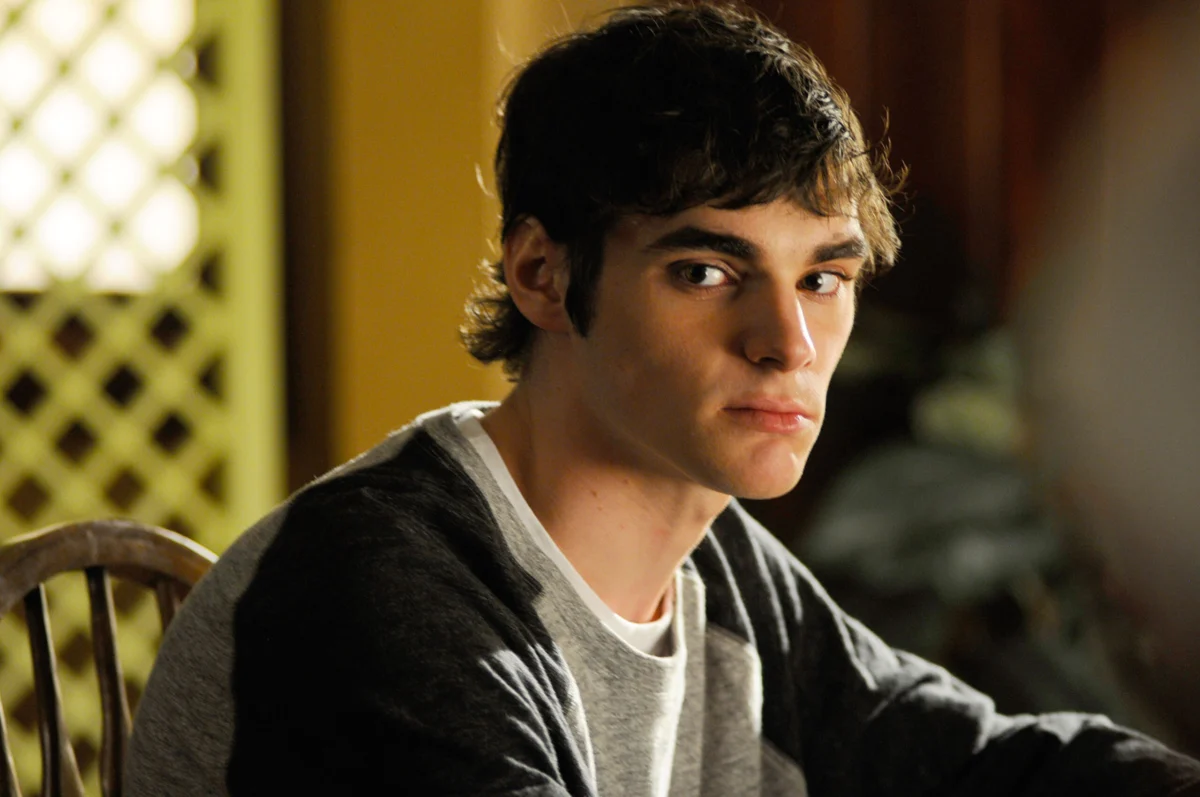
Hollywood is in mourning following the tragic news of the passing of RJ Mitte, the esteemed actor and disability advocate, who died on Monday at the age of 34. Known globally for his poignant and grounded portrayal of Walter White Jr. in the critically acclaimed television series Breaking Bad, Mitte leaves behind a legacy that transcends his on-screen achievements. His death marks a profound loss not only for the entertainment industry but for the disability community, for whom he served as a tireless and vocal champion.
“It is with profound sadness that we share the tragic passing of beloved actor, philanthropist, and passionate disability rights advocate RJ Mitte,” his representatives said in an official statement released on Monday. The announcement, which sent shockwaves through social media and industry circles alike, has prompted a widespread outpouring of grief from colleagues, fans, and activists.
A Journey of Grit: From Jackson to Albuquerque
Born in Jackson, Mississippi, in 1992, Roy Frank "RJ" Mitte III navigated the challenges of cerebral palsy from the age of three. Despite the physical obstacles he faced, his determination to pursue a career in the arts led him to Los Angeles in 2006. At the age of 14, he began carving out a space for himself in an industry that was, at the time, notoriously under-representative of performers with disabilities.
Mitte’s big break arrived in 2008 when he was cast as Walter "Flynn" White Jr. in AMC’s Breaking Bad. Over the course of the show’s five-season run, Mitte appeared in 57 episodes, becoming an integral part of television history. His character provided a necessary moral anchor in the series, serving as a lens through which the audience witnessed the slow, agonizing disintegration of the White family. Mitte’s performance was widely lauded for its authenticity; he brought a nuanced, vulnerable, and often explosive realism to the role that resonated with millions of viewers.
His portrayal was never just about the physical manifestation of his character’s condition; it was about the interior life of a teenager caught in the crossfire of his father’s criminal empire. By the show’s conclusion, Mitte had firmly established himself as a talented, versatile actor who refused to be defined solely by his diagnosis.
The Architect of Change: Advocacy and Philanthropy
While Breaking Bad served as his platform, Mitte’s true life’s work was arguably his advocacy. Diagnosed with mild cerebral palsy as a toddler, Mitte spent his adult life dismantling the systemic barriers that prevented disabled actors from accessing meaningful roles in film and television.

He was a prominent spokesperson for SAG-AFTRA, where he focused on improving accessibility on sets and advocating for more accurate, non-stereotypical portrayals of disabilities in media. He famously argued that the industry’s tendency to cast able-bodied actors in disabled roles was a failure of imagination and a form of systemic exclusion.
Beyond the soundstage, Mitte served as a celebrity ambassador for the United Cerebral Palsy organization. His work involved traveling, speaking at universities, and participating in public forums to raise awareness about the capabilities and rights of individuals living with disabilities. He was a vocal proponent of universal design and equality, often utilizing his celebrity status to shift the conversation from "pity" to "empowerment." His colleagues often described him not just as an actor, but as a "statesman for the community."
An Outpouring of Industry Grief
The news of Mitte’s passing has triggered a wave of tributes that reflect the deep respect he garnered during his career. Marlee Matlin, the Academy Award-winning actress and disability rights icon, expressed the collective heartbreak of the industry in a statement that resonated with many. “My heart is shattered. There will never be another like RJ Mitte,” Matlin wrote. “You’ll always have a place in my heart.”
His Breaking Bad family, with whom he shared years of intense filming in the deserts of New Mexico, were among the first to voice their shock. Dean Norris, who played the role of Hank Schrader, shared a touching memory of the young actor on the set. “Though RJ didn’t play my TV son, I always looked out for him as a young kid on set. He was a sweetheart of a young man and will be greatly missed,” Norris wrote on social media.
Other actors who had worked with Mitte, including Vincent Martella, lauded his character, describing him as “genuinely nice to everyone he spoke to.” Jared Gilman, reflecting on the cultural impact of Breaking Bad, noted that Mitte’s performance in the series—particularly in the iconic episode “Ozymandias”—was a significant factor in the show’s enduring legacy. “Just the worst news ever,” Gilman added.
The Legacy of Representation
The implications of RJ Mitte’s death are far-reaching. At a time when Hollywood is ostensibly striving for greater diversity, Mitte served as a living reminder of what is possible when doors are opened. His success on Breaking Bad provided a roadmap for other actors with disabilities, proving that characters with mobility aids or neurological conditions could be complex, central, and vital to a narrative without being reduced to their medical histories.

Industry analysts suggest that Mitte’s influence will continue to be felt through the actors he mentored and the policies he helped influence within the guilds. His death leaves a void in the advocacy space, but the infrastructure he helped build—greater awareness of accessibility, improved hiring practices for disabled talent, and a shift in how disabilities are written into scripts—remains a testament to his impact.
A Future Without Him
As the entertainment community grapples with the loss, the focus shifts to how to honor his memory. There have been calls from various advocacy groups to establish scholarships or grants in his name, specifically aimed at supporting young actors with disabilities who are attempting to break into the industry.
For many, the tragedy is that he was only 34. He was at a stage in his life where he was beginning to branch out into new creative ventures, including producing and directing projects that highlighted diverse perspectives. His death is not only a loss of a performer but the loss of a voice that was still evolving, still growing, and still challenging the status quo.
Conclusion
RJ Mitte was a testament to the idea that one’s circumstances do not dictate one’s destiny. From the quiet streets of Jackson to the high-stakes world of Hollywood, he navigated his life with a grace and tenacity that inspired millions. He proved that the most powerful performances come from a place of lived experience, and he used his visibility to ensure that others might find their own paths more accessible.
While the cameras have stopped rolling and the tributes continue to mount, the true legacy of RJ Mitte will be found in the actors who, because of his influence, will step onto a set and be seen for their talent rather than their limitations. He was, in every sense of the word, a pioneer. Rest in peace, RJ; your contribution to our culture and your advocacy for our humanity will not be forgotten.
This is a developing story. Further tributes and details regarding memorial services will be updated as they become available.
