
Frank Mancuso Sr., Legendary Studio Chief of Paramount and MGM, Dies at 93
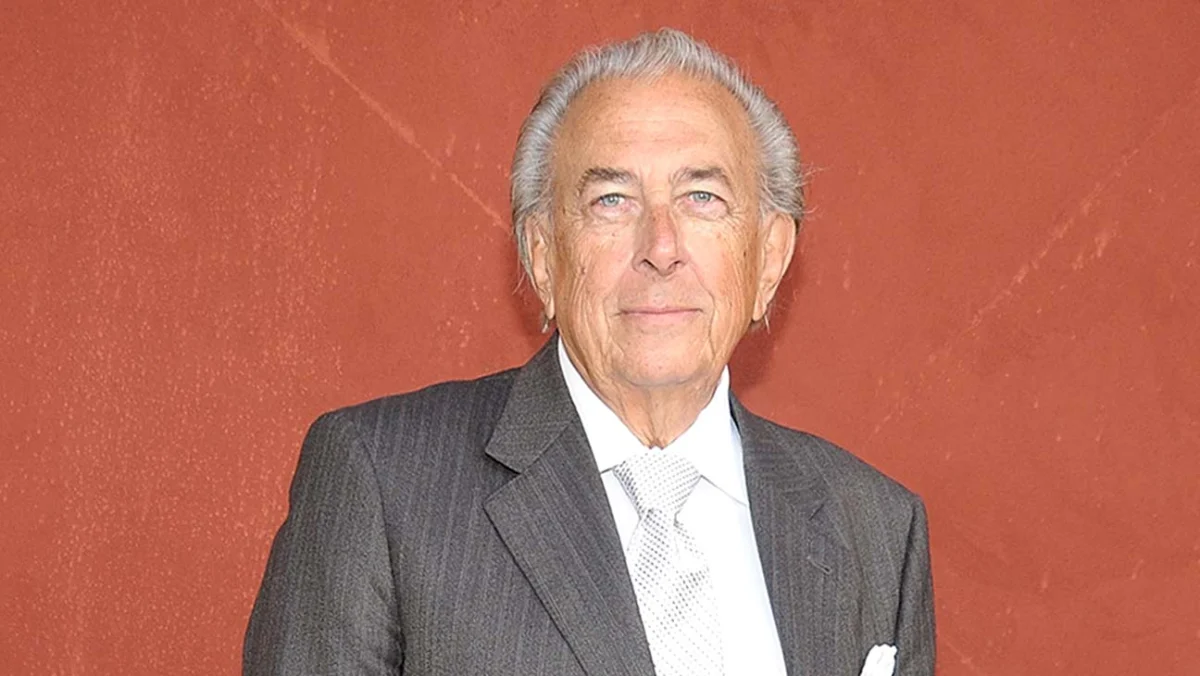
LOS ANGELES — Frank Mancuso Sr., a towering figure in Hollywood history who orchestrated the golden eras of both Paramount Pictures and Metro-Goldwyn-Mayer, has died. He was 93.
Mancuso passed away Thursday at his home in Los Angeles, surrounded by family, following complications from cancer, his relatives announced. Over a career spanning more than four decades, Mancuso transitioned from a teenage theater usher in Buffalo, New York, into one of the most powerful and respected chief executive officers in the entertainment industry. He was a rare breed of studio chieftain—one who ascended to the highest echelon of Hollywood not through the traditional pipeline of agents or lawyers, but through the rigorous, grassroots ranks of marketing, distribution, and exhibition.
His legacy is cemented by the blockbuster cinematic landscapes he shaped during the 1980s and 1990s, a period marked by high-stakes corporate shifts, massive box office triumphs, and iconic television programming that continues to resonate globally.
Chronology: From the Lafayette Theatre to the Hollywood Hills
Mancuso’s journey to the upper echelons of corporate cinema is a classic American dream narrative, rooted in a working-class upbringing in upstate New York.
Early Life and Theatrical Roots
Born on July 25, 1933, in Buffalo, New York, Mancuso was the son of George Mancuso, a postal worker of more than four decades, and Mary Mancuso, a homemaker. Cinema entered his life early. While attending the State University of New York at Buffalo, a teenage Mancuso took a part-time job as an usher at the sprawling, 3,500-seat Lafayette Theatre. His work ethic quickly earned him a promotion to assistant manager.
Upon finishing his education, Mancuso’s deep knowledge of exhibition caught the eye of regional theater operators. In 1958, he was hired to buy films for the Basil Circuit, which operated the Lafayette and 49 other movie houses across Western New York and Pennsylvania.
The Paramount Rise
In 1962, Mancuso made the leap to the studio side, joining Paramount Pictures as a film booker in its Buffalo branch. He methodically climbed the corporate ladder:
- 1970: Appointed vice president and general sales manager for Paramount Canada, based in Toronto.
- 1976: Relocated to Los Angeles as manager of Paramount’s Western Division.
- 1979: Promoted to executive vice president of marketing and distribution for the entire studio.
- January 1983: Named president of Paramount’s motion picture group—marking his first direct venture into the creative and production side of filmmaking.
Even before taking the top studio job, Mancuso was innovating. As head of the motion picture group, he utilized emerging music video marketing techniques to propel Flashdance (1983) to cultural-phenomenon status. He also boldly broke traditional holiday release strategies by slotting the eventual Best Picture winner, Terms of Endearment, into the then-sleepy Thanksgiving weekend—a gamble that paid off handsomely.
Taking the Reins at Paramount
In September 1984, following an abrupt executive exodus that saw Barry Diller leave for 20th Century Fox, and Michael Eisner and Jeffrey Katzenberg depart for The Walt Disney Company, Martin Davis—chairman and CEO of parent conglomerate Gulf & Western—selected Mancuso over Eisner to head the flagging studio.
Mancuso took over as chairman and CEO, steadying the ship with astute leadership. He brought in former Universal executive Ned Tanen to run production, secured a lucrative, long-term contract extension for comedy superstar Eddie Murphy, and inked a foundational deal with hit-making producers Don Simpson and Jerry Bruckheimer.
Under Mancuso, Paramount embraced a modern "tentpole" strategy. The studio finished first at the domestic box office in both 1986 and 1987. The late ’80s and early ’90s under his command became a hit factory, yielding generation-defining films.
The MGM Era
Following a corporate restructuring at Paramount in 1991 that led to a high-profile exit and subsequent $45 million breach-of-contract lawsuit (which reportedly netted him a $20 million settlement), Mancuso remained out of the executive suite for a brief period.
That hiatus ended in July 1993, when—in a deal orchestrated by Creative Artists Agency (CAA) super-agent Michael Ovitz—Mancuso was installed by Credit Lyonnais as the chairman and CEO of MGM, replacing Alan Ladd Jr.
At MGM, Mancuso immediately set about modernizing and expanding the historic studio. He resurrected United Artists, which had been dormant since Rocky V in 1990, hiring former Warner Bros. executive John Calley to run it. Furthermore, Mancuso aggressively expanded MGM’s footprint by acquiring Orion Pictures, The Samuel Goldwyn Co., and key assets from PolyGram Filmed Entertainment. His tenure at MGM lasted until April 1999, when studio owner Kirk Kerkorian engineered a management shakeup, replacing Mancuso with Alex Yemenidjian.
Supporting Data: A Legacy Defined by Box Office Supremacy and Cultural Impact
Mancuso’s executive record is quantified by staggering market shares, legendary box office runs, and television mainstays that defined late-20th-century entertainment.
Paramount’s Blockbuster Heyday (1986–1990)
During the mid-1980s, Mancuso’s Paramount achieved unprecedented domestic dominance. In 1986 alone, the studio commanded a remarkable 22 percent domestic market share. The slate included:
- Top Gun (1986)
- Crocodile Dundee (1986)
- Star Trek IV: The Voyage Home (1986)
- Ferris Bueller’s Day Off (1986)
- Children of a Lesser God (1986)
- Fatal Attraction (1987)
- Beverly Hills Cop II (1987)
- The Untouchables (1987)
This momentum rolled forward into the decade’s close and early ’90s with blockbusters like Coming to America (1988), Indiana Jones and the Last Crusade (1989), and Ghost (1990). However, costly sequel underperformances in 1990, such as The Two Jakes and The Godfather Part III, ultimately strained his relationship with corporate leadership.
Television Giants
Mancuso’s vision was not restricted to the silver screen. Under his watch, Paramount Television became a titan of syndication and network television, launching cultural touchstones including:
- Cheers
- Family Ties
- Star Trek: The Next Generation
- Entertainment Tonight
- The Arsenio Hall Show
MGM Output
During his tenure at MGM and United Artists (1993–1999), Mancuso revitalized the classic studio’s output by overseeing a diverse slate of critical and commercial successes, including:
- Stargate (1994)
- Get Shorty (1995)
- The Birdcage (1996)
- Three entries in the legendary James Bond franchise (GoldenEye, Tomorrow Never Dies, and The World Is Not Enough).
Official Responses and Tributes
In the wake of his passing, Hollywood’s elite united in mourning, remembering Mancuso not merely as a corporate titan, but as an extraordinarily gracious and honorable human being in an industry often defined by ruthless ambition.
Academy Award-nominated actor Andy Garcia released a deeply personal statement:
"When God created Frank Mancuso Sr., he broke the mold. This is not just a saying but the absolute truth. Mr. Mancuso will forever be a beacon of class in our industry, the greatest example of warmth, integrity and generosity. I had the blessing of his friendship, support and guidance. I will miss him deeply and will continue to be inspired by his example. Rest in peace, ‘Pops.’"
Beyond his corporate contributions, Mancuso dedicated much of his later life to philanthropic and artistic governance, holding prestigious chairman positions at both the Motion Picture & Television Fund (MPTF) and the Geffen Playhouse, ensuring that the community he served for decades continued to care for its own.
Implications: The End of an Era for Studio Leadership
The passing of Frank Mancuso Sr. marks a bittersweet milestone for the entertainment industry—the quiet fading of a bygone era of Hollywood executives.
Unlike the modern corporate landscape, where studios are frequently helmed by tech-adjacent executives, legal minds, or algorithmic data strategists, Mancuso was a product of the floor up. His career trajectory—moving from ripping tickets at the Lafayette Theatre in Buffalo to greenlighting some of the most culturally enduring films of the 20th century—represents a path that is virtually nonexistent in today’s consolidated, risk-averse media environment.
Mancuso proved that a studio head could balance corporate accountability with creative intuition. Whether negotiating high-stakes contracts with Eddie Murphy and Tom Cruise, steering Paramount through its most profitable years, or rebuilding MGM from the ground up, he maintained a reputation for personal warmth and unwavering business integrity.
He is survived by his wife, Fay—whom he married in 1957 after first meeting her when they were just 12 years old in Buffalo; their children, Frank Mancuso Jr. (a prominent producer of the Friday the 13th franchise, Species, Ronin, and Stigmata) and Maria Mancuso; daughter-in-law Kimberly Mancuso; six grandchildren; one grandson-in-law; and a great-granddaughter.
Frank Mancuso Sr. leaves behind a legacy written across decades of celluloid, television syndication, and the countless industry professionals whose lives and careers he touched.
