
Beyond the Blockbusters: 5 Forgotten Monster Movies That Still Hold Up Today
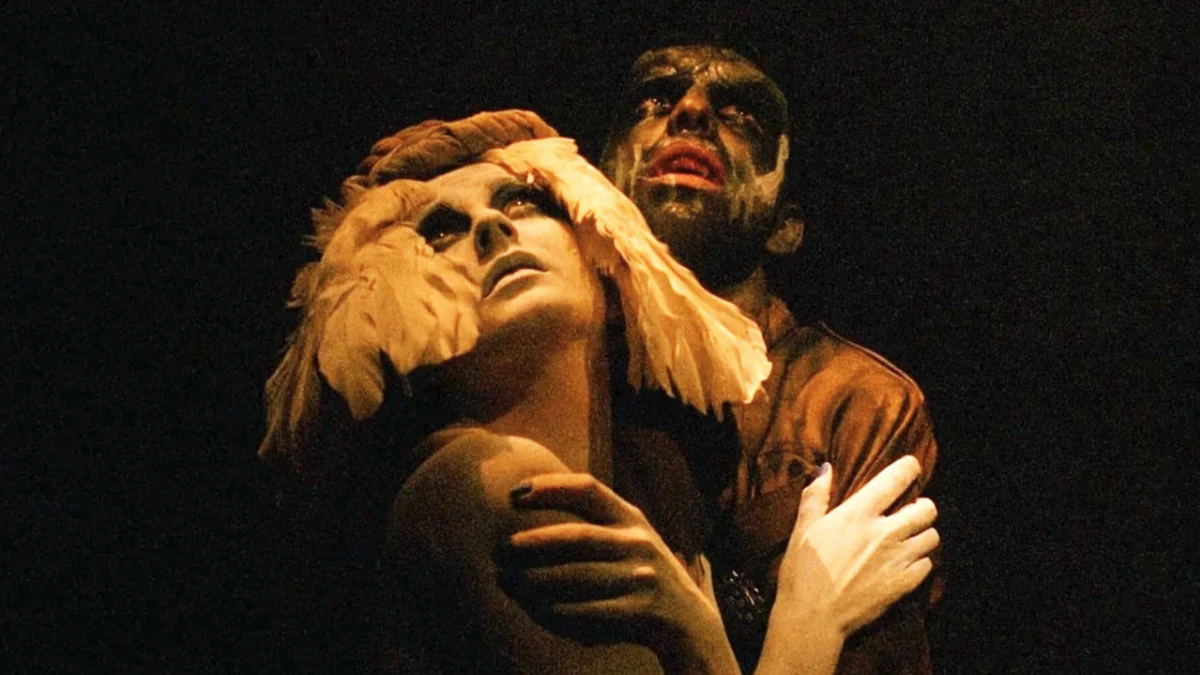
The cinematic monster is a mirror held up to the human psyche. As horror legend Clive Barker once eloquently noted in an introduction to his film Nightbreed, there is a primal, paradoxical attraction to the monstrous. "I’ve always loved monsters," Barker remarked. "I think there’s a corner in all of us that envies their powers, that would love to live forever, or to fly, or to change shape at will."
This "repulsive and fascinating" quality defines the genre. While audiences are well-acquainted with the titans of the screen—the radioactive wrath of Godzilla, the cosmic horror of Alien, or the tragic majesty of King Kong—the history of creature features is littered with hidden gems that have slipped through the cracks of mainstream consciousness. These films, despite their age, possess a technical craftsmanship and narrative ingenuity that remain profoundly effective.
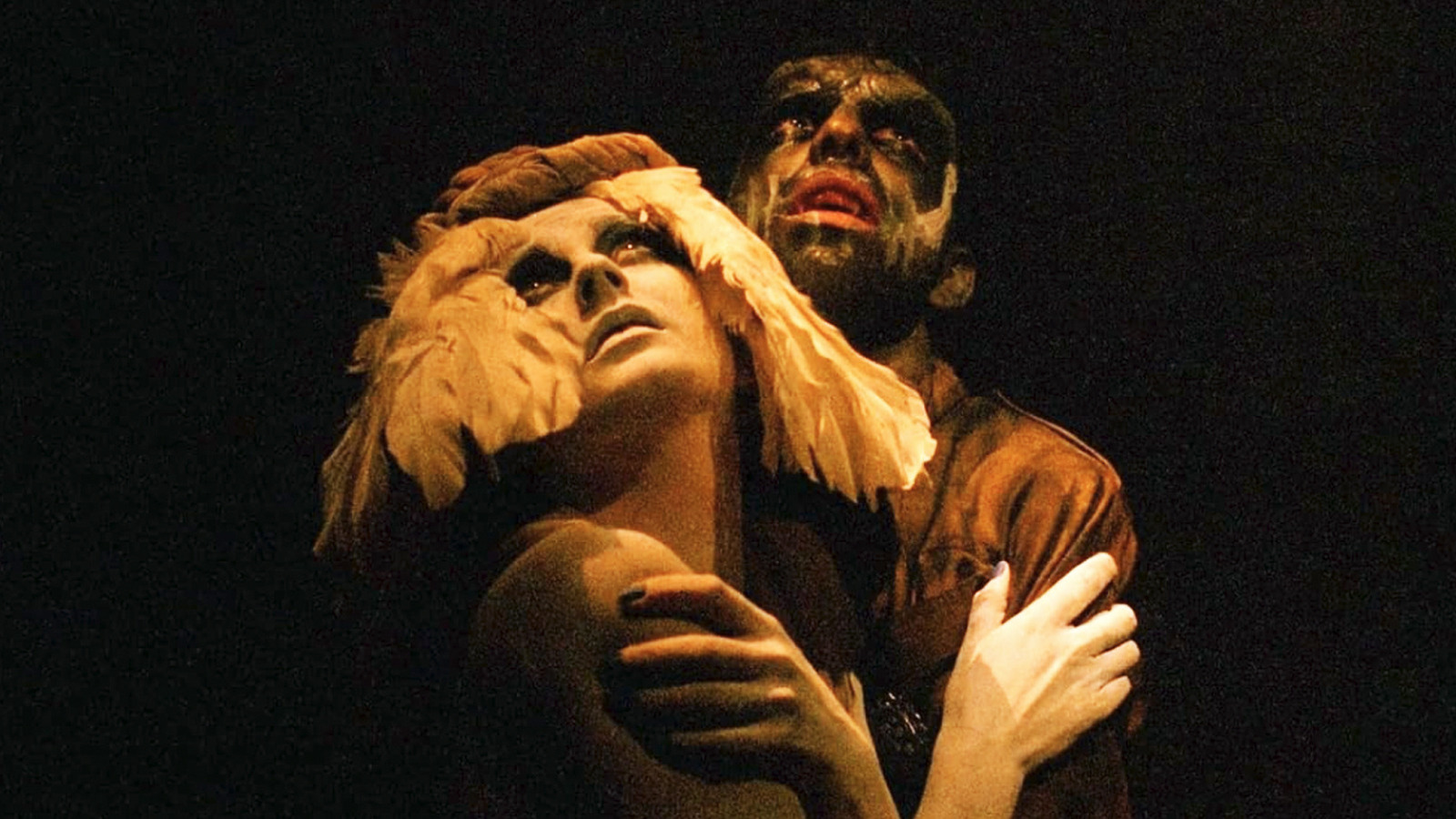
The Evolution of the Creature Feature: A Chronological Overview
The monster movie has long served as a vessel for societal anxieties, evolving alongside our changing fears. From the atomic paranoia of the 1950s to the practical-effects-driven body horror of the 1980s and the mockumentary realism of the 2000s, these creatures are more than just jump scares; they are cultural touchstones.
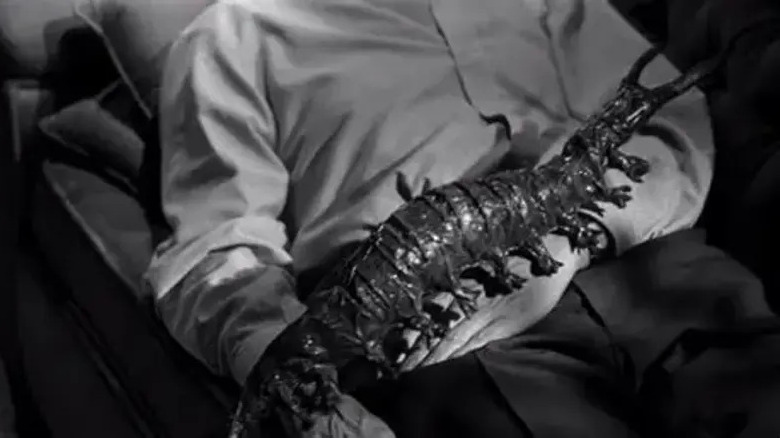
1959: The Gimmick Era and The Tingler
William Castle was not merely a filmmaker; he was an experiential architect. In an era before blockbuster marketing, Castle understood that horror was a communal event. The Tingler remains his magnum opus, starring Vincent Price as a pathologist who discovers that extreme fear creates a parasitic organism that attaches to the human spine. The film’s brilliance lies in its meta-commentary on the audience itself. Utilizing the "Percepto!" gimmick, theaters would vibrate during specific sequences, blurring the line between the silver screen and the seat. It is a masterclass in audience manipulation and remains a foundational text for anyone interested in the communal nature of fear.
1984: The Australian New Wave and Razorback
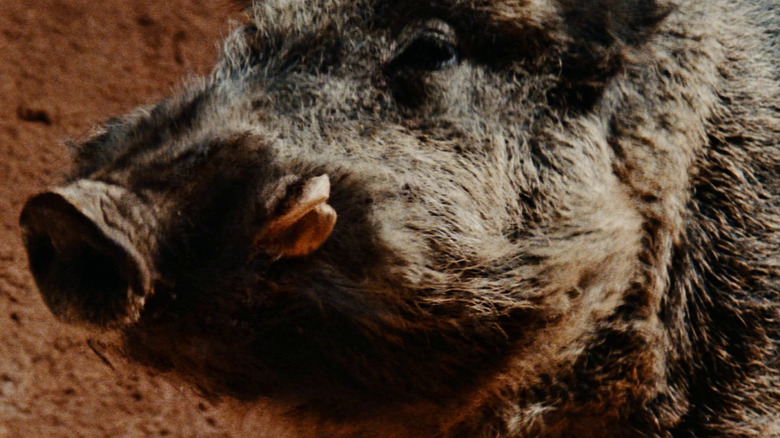
The 1980s heralded the "Ozploitation" movement, a period of bold, gritty, and visually arresting Australian cinema. Russell Mulcahy’s Razorback stands as a high-water mark for the animal-attack subgenre. Centering on a monstrous, oversized wild boar terrorizing the Australian outback, the film is a masterclass in atmosphere and suspense. Unlike the creature features of the era that relied on camp, Razorback treats its subject with a stylized, almost surreal intensity. It serves as a reminder that a well-executed practical monster, when framed with stylistic flair, can be far more terrifying than its CGI successors.
1990: Dark Fantasy and Nightbreed
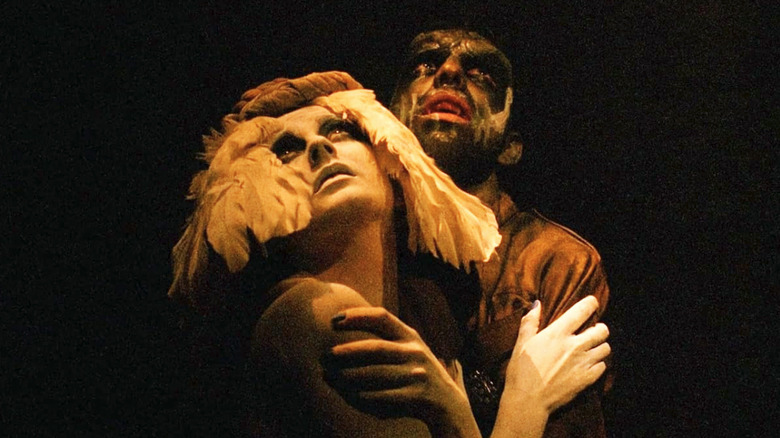
Clive Barker’s Nightbreed arrived with an ambition rarely seen in the horror genre. By flipping the script—positioning monsters as the protagonists and humanity as the true threat—Barker created a gothic, operatic world of outsiders. Despite an initially lukewarm box office response, the film’s status has been cemented through its sprawling mythos, intricate prosthetic work, and a haunting score by Danny Elfman. It remains a poignant, albeit dark, celebration of the "other."
1997: The Stan Winston Legacy and The Relic
In the late 90s, the creature feature moved into the polished, high-budget territory of the natural history museum. The Relic, directed by Peter Hyams, introduced the Kothoga, a creature designed by the legendary Stan Winston. Winston, the architect behind the xenomorphs of Aliens and the dinosaurs of Jurassic Park, imbued the Kothoga with a visceral, biological terror. While the film is often categorized as a B-movie, its technical execution—particularly the creature design—remains a gold standard for practical effects enthusiasts.
2010: Found Footage and Trollhunter
André Øvredal’s Trollhunter successfully bridged the gap between Scandinavian folklore and modern mockumentary filmmaking. By grounding the supernatural in a bureaucratic, pseudo-documentary framework, the film revitalized the "found footage" trope. It is as comedic as it is terrifying, offering a unique look at how mythology can be integrated into a contemporary, grounded setting.
Supporting Data: Why Practical Effects Endure
While modern cinema is dominated by digital manipulation, the films listed above rely heavily on practical effects—animatronics, complex puppetry, and prosthetic makeup. According to film historians, these physical assets provide a "spatial reality" that digital effects often struggle to replicate. When an actor interacts with a physical creature, the lighting, the reaction, and the physical weight of the scene are grounded in a tangible reality. This tactile quality is exactly why The Relic and Razorback continue to hold up; the audience can subconsciously sense the physical space the monster occupies, increasing the physiological response of fear.
Industry and Critical Response
Critics and audiences alike have historically been harsh toward creature features upon release, often dismissing them as "schlock" or "genre filler." However, as the industry has shifted, many of these films have seen a significant critical reappraisal.
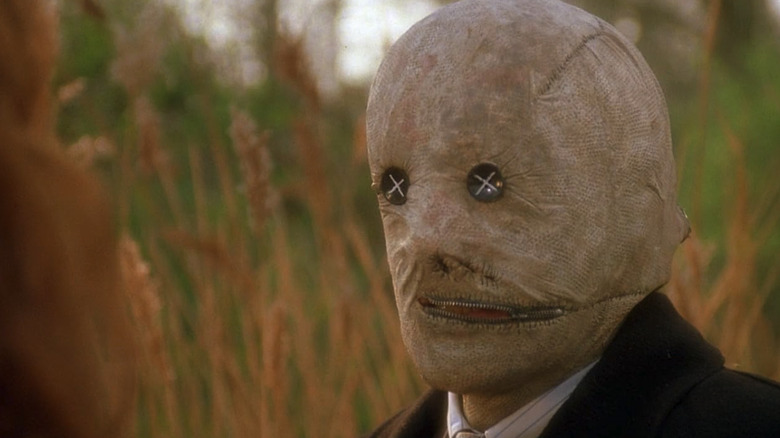
- The "Cult" Factor: Films like Nightbreed and The Tingler have benefited from the "Cult Classic" phenomenon. As these movies moved from theaters to home video and later to digital streaming, they found dedicated fan bases who appreciated the audacity of their premises.
- The Director’s Vision: In the case of Barker and Mulcahy, later projects (like Highlander or Hellraiser) allowed critics to look back at these earlier creature features and identify the thematic signatures that would define their careers.
Implications for Modern Horror
What do these "forgotten" movies tell us about the current state of horror? The enduring appeal of these films suggests a growing fatigue with the "sameness" of modern monster movies. There is a hunger for:
- Unique Lore: Trollhunter and Nightbreed demonstrate that audiences crave world-building that goes beyond a standard "monster-eats-town" plot.
- The "Human" Monster: From The Tingler’s parasitic fear to Nightbreed’s persecuted outcasts, the most effective monsters are those that represent an extension of human behavior or social struggle.
- Practical Integrity: As CGI becomes more pervasive, the aesthetic of films like The Relic serves as a reminder of the power of tactile craftsmanship.
Conclusion: Reclaiming the Monstrous
The monster movie is not just a relic of the past; it is a vital, breathing part of our cultural heritage. By revisiting these five films—The Tingler, Razorback, Nightbreed, The Relic, and Trollhunter—we do more than just enjoy a few scares. We participate in a tradition of storytelling that allows us to confront our fears through the lens of the fantastic.
Whether it is the spine-tingling terror of a theater gimmick, the visceral hunger of a creature in a museum, or the lonely, misunderstood soul of a creature in an underground city, these films remind us that there is, indeed, a "freeing quality" to the monster. In a world of increasing complexity and uncertainty, there is something deeply comforting about the monster—a being that, as Barker said, simply cannot help but be a monster. Perhaps it is time we embrace that repulsion and fascination once more, dusting off these forgotten classics and allowing them to terrify us all over again.
