
The Golden Age on Demand: How Prime Video is Preserving the 1950s Western Renaissance
By Nicholas Raymond
Published October 13, 2026
Main Facts: The Streaming Revival of a Cinematic Era
For decades, film historians, critics, and cinephiles have debated which decade truly represents the apex of the Western genre. While Hollywood and international studios have produced exceptional frontier dramas for over a century, a compelling consensus points directly to the period between the 1930s and the 1960s as the definitive Golden Age of the American Western. Among these decades, the 1950s stands out as a powerhouse of creative evolution, shifting the genre away from simple, black-and-white morality tales and into complex, psychologically rich storytelling.
Today, this cinematic renaissance is experiencing a modern resurgence. Thanks to contemporary digital curation, several of the most entertaining, subversive, and visually striking Westerns from the 1950s are readily available for streaming on Amazon Prime Video. Rather than focusing exclusively on the universally recognized titans of the era—such as John Ford’s The Searchers, George Stevens’ Shane, or Fred Zinnemann’s High Noon—current streaming audiences have the opportunity to explore a broader catalog of mid-century gems. These features showcase the incredible versatility of legendary actors like James Stewart, Robert Taylor, John Wayne, Kirk Douglas, and Robert Mitchum, proving that the decade’s cultural footprint extends far beyond its most famous marquee titles.
Chronology: Building the Foundation of 1950s Mastery
To understand how the 1950s became the crucible for the Western genre’s finest achievements, one must examine the chronological progression that laid its groundwork:
- The Foundational 1930s: The late ’30s established the commercial viability and structural framework for the genre. Landmark releases, most notably John Ford’s Stagecoach (1939), transformed the Western from a low-budget serial staple into high art, proving that sweeping outdoor cinematography and complex character dynamics could captivate mainstream audiences.
- The Transitional 1940s: During World War II and the immediate post-war years, the genre expanded its scope. Iconic actors like John Wayne solidified their star power, while transitional masterpieces such as John Ford’s My Darling Clementine (1946) and John Huston’s The Treasure of the Sierra Madre (1948) injected deeper psychological realism and darker thematic undertones into cinematic landscapes.
- The 1950s Explosion: Building upon the substantial momentum accumulated over the previous two decades, the 1950s hit an unprecedented stride. Studios flooded the market with high-concept frontier narratives, experimenting with noir sensibilities, moral ambiguity, romantic comedy, and gritty revisionism. It was an era where established Hollywood icons subverted their own screen personas to portray hardened bounty hunters, reluctant town-tamers, and morally conflicted pioneers.
Supporting Data: Six Essential 1950s Westerns Streaming on Prime Video
Current offerings on Amazon Prime Video highlight the remarkable range of the 1950s Western. Below is an in-depth look at six standout films from the era available for streaming, detailing their unique contributions to the genre.
6. Winchester ’73 (1950)
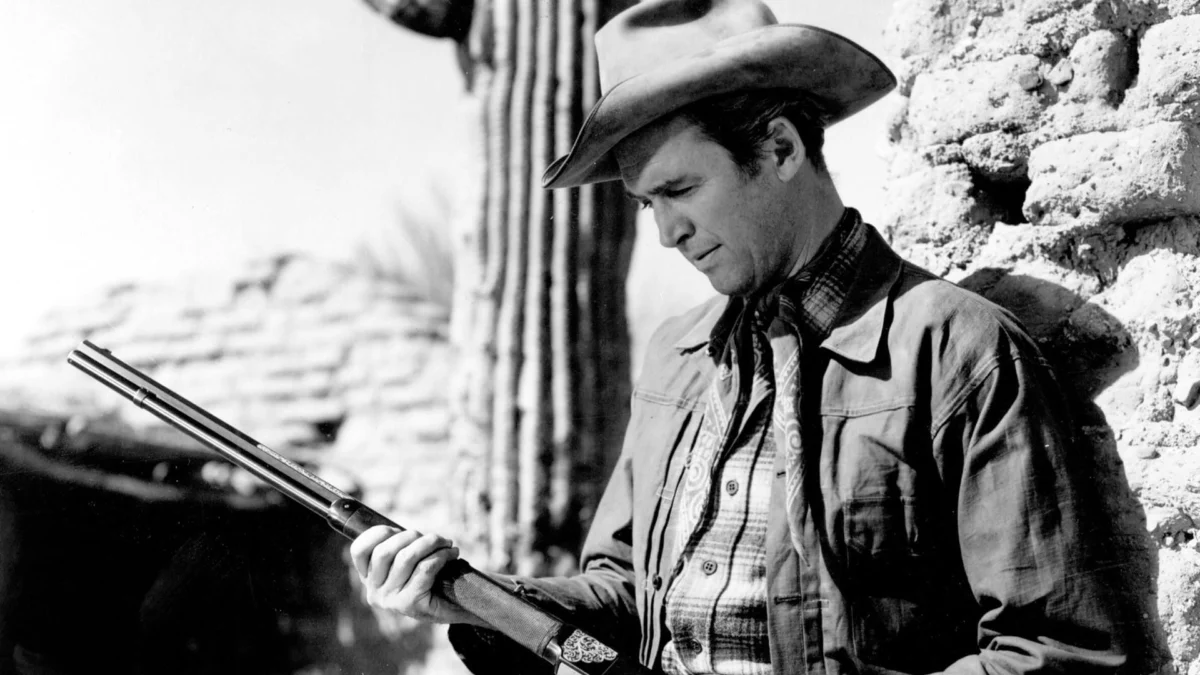
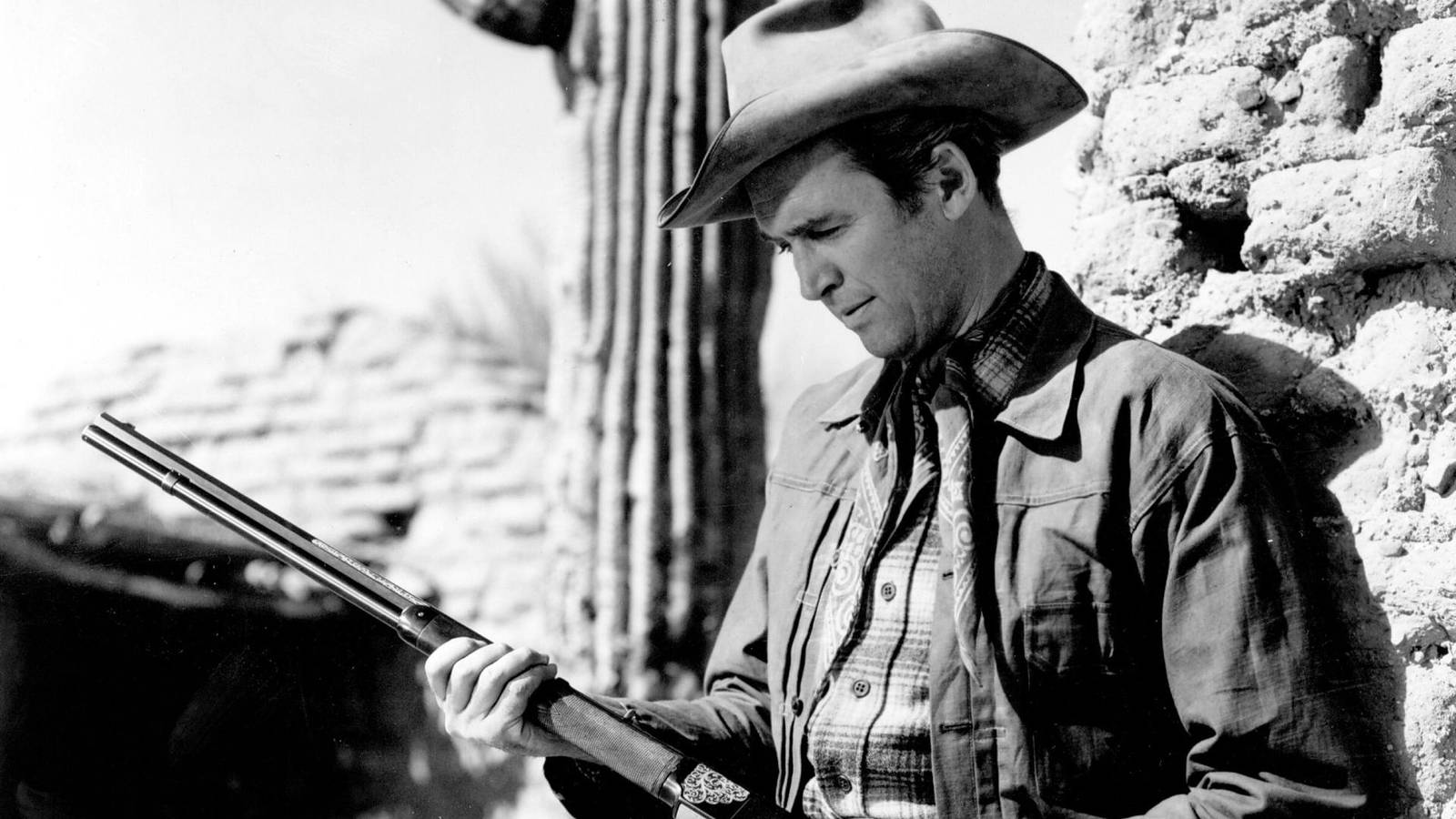
A monumental highlight of 1950s Western history is the legendary creative partnership between director Anthony Mann and actor James Stewart. Prior to this collaboration, Stewart was almost universally cast in wholesome, "nice guy" roles. Mann revolutionized Stewart’s career by tapping into a darker, more obsessive psychological undercurrent, beginning with Winchester ’73.

While ostensibly a traditional quest for revenge, the film employs an ingenious narrative structure. Instead of focusing solely on a linear hero-versus-villain showdown, the story follows the sequential hands through which the titular, highly coveted rifle passes. This innovative, film noir-infused framework avoids tired tropes while building toward a tense, unforgettable final confrontation. Winchester ’73 effectively redefined what a James Stewart Western could be, paving the way for a gritty new subgenre.
5. Bend of the River (1952)
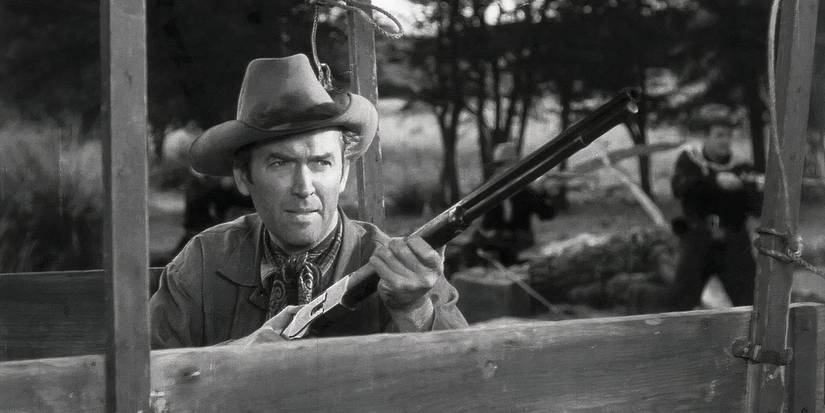
Serving as the direct follow-up to Winchester ’73, Anthony Mann and James Stewart reunited for Bend of the River, a star-studded cinematic journey that also features powerhouse performances from Rock Hudson, Julie Adams, and Arthur Kennedy. In this film, Stewart portrays a reformed outlaw who steps up to lead a wagon train of hopeful settlers on an arduous trek toward fertile Oregon territory.
While Stewart’s character occupies a more conventionally heroic space than his role in Winchester ’73, the film refuses to shy away from moral complexity. Set against the turbulent backdrop of the Pacific Northwest gold rush and fraught negotiations with the Shoshone tribe, the narrative examines human greed, internal betrayal, and redemption. Furthermore, the film is celebrated for its breathtaking location cinematography, which elevates the physical landscape into a living, breathing character within the drama.
4. Many Rivers to Cross (1955)
Proving that 1950s Westerns were not exclusively preoccupied with grim vengeance and brooding antiheroes, Many Rivers to Cross offers a refreshing, light-hearted, and vastly underrated comedic detour. Starring Robert Taylor as an independent frontiersman who prefers a solitary existence, the film tracks his misadventures after he catches the eye of a spirited young woman (played with irrepressible charm by Eleanor Parker).
Determined to secure a husband, Parker’s character pursues the resistant frontiersman relentlessly, dragging him through a series of chaotic misadventures—including a forced shotgun wedding and bruising brawls with jealous suitors. Parker injects the film with eccentric energy, while Taylor holds his own with classic physical comedy and Western action beats. The seamless blending of slapstick comedy with traditional frontier aesthetics demonstrates the playful elasticity of 1950s Hollywood filmmaking.
3. The Horse Soldiers (1959)
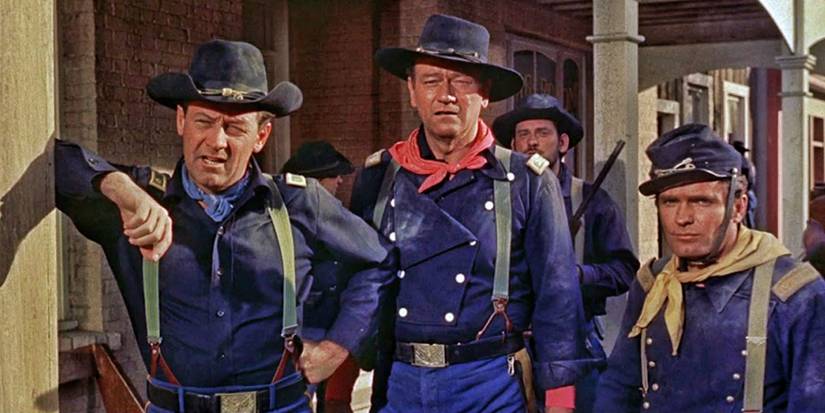
For fans of classic military-frontier crossovers, John Wayne’s cinematic output remains unmatched. Prime Video’s catalog features The Horse Soldiers, a gripping 1959 epic directed by John Ford that pairs Wayne with powerhouse actor William Holden.
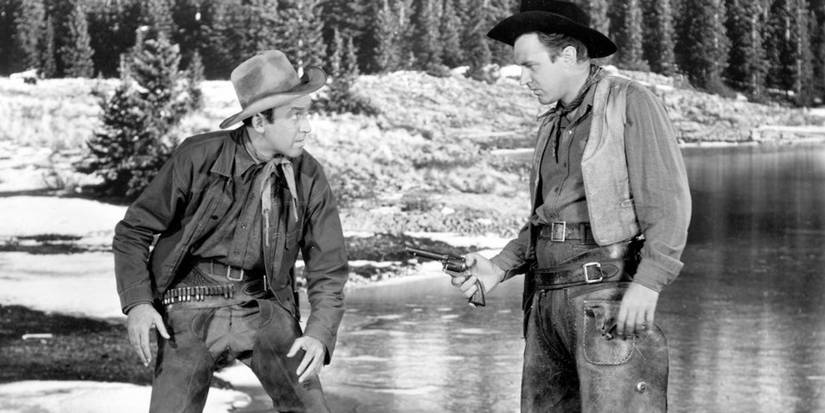
Set during the American Civil War, Wayne stars as Colonel John Marlowe, a hard-nosed Union officer tasked with leading a dangerous cavalry raid deep into Confederate territory to sabotage supply lines. Holden portrays Major Warren Kendall, an army surgeon reluctantly assigned to accompany the expedition. The emotional core of the film hinges upon the contentious, ideological clash between Marlowe’s ruthless, mission-first mentality and Kendall’s compassionate, moral objections. Backed by an impressive 81% critical score on Rotten Tomatoes, the picture succeeds on the strength of its stellar lead chemistry and large-scale action sequences.
2. The Indian Fighter (1955)
Kirk Douglas remains one of the most dynamic leading men in the history of the Western. Prime Video hosts several of his finest contributions to the genre, with The Indian Fighter standing out as a particularly compelling 1955 release.
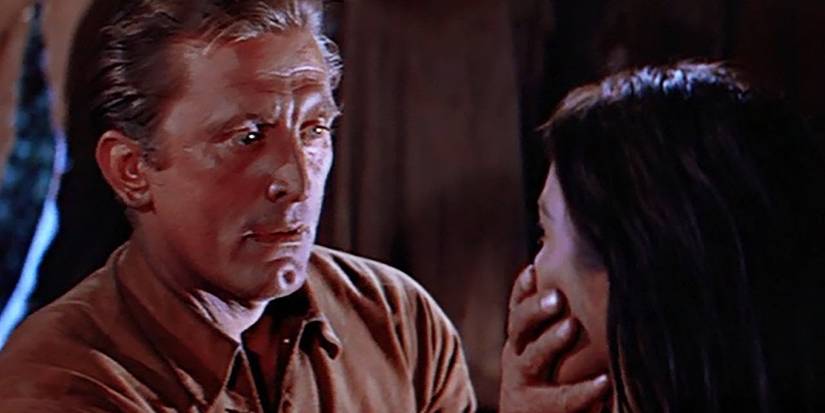
Douglas stars as Johnny Hawks, a seasoned scout and frontiersman with a formidable reputation for tracking down Native Americans. The narrative takes a dramatic turn when Hawks finds himself caught in a precarious diplomatic and military standoff, forced to defend the Sioux nation and prevent an all-out war between the tribe and the U.S. Cavalry. Douglas commands the screen with fierce intensity, driving the narrative forward toward a massive, meticulously choreographed final battle that showcases the scale of mid-century studio productions.
1. Man with the Gun (1955)
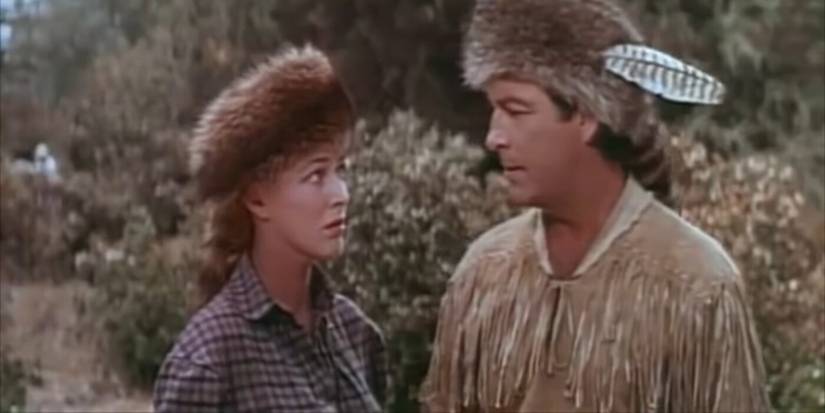
Rounding out this streaming collection is Man with the Gun, a taut, atmospheric 1955 thriller headlined by Robert Mitchum, one of the most reliable and naturally charismatic stars of the era. The film wastes no time establishing its compelling premise: Mitchum plays a "town tamer," a nomadic, professional gunslinger hired by terrified local leaders to purge their community of violent criminal elements—for a steep price.
Once Mitchum’s character efficiently establishes order through brutal pragmatism, the townsfolk quickly realize that a man who deals exclusively in lethal force is not easily dismissed or controlled. The film serves as a brilliant showcase for Mitchum’s trademark nonchalance and quiet menace, examining the uneasy relationship between civilized society and the dangerous men required to protect it.
Official Responses and Industry Insights
Film archivists and streaming platform curators have increasingly championed the preservation and digital restoration of 1950s cinema. In recent statements regarding classic film accessibility, entertainment historians have emphasized that streaming platforms play a vital role in bridging generational divides.
"The Western genre is uniquely American, serving as a mythological mirror for the country’s evolving identity throughout the 20th century," notes cinema historian Dr. Aris Thorne. "When platforms make mid-century treasures by directors like Anthony Mann or John Ford readily available alongside contemporary content, they allow modern audiences to witness the exact moment Hollywood grew up. The shift from simple morality plays to psychologically fractured narratives in the 1950s paved the way for modern prestige television."
Studio distribution partners have similarly praised the digital democratization of classic cinema, noting that high-definition restorations on platforms like Prime Video introduce pioneering cinematography, specialized framing techniques, and legendary performances to entirely new demographics of viewers who might otherwise miss out on theatrical heritage.
Implications: The Enduring Legacy of the Frontier
The continued popularity of 1950s Westerns on modern streaming services carries significant implications for contemporary media consumption and filmmaking:
- Redefining Genre Boundaries: The complexity introduced in 1950s features laid the permanent groundwork for revisionist Westerns in the 1960s and ’70s (such as the Spaghetti Western movement), as well as modern neo-Western television hits like Yellowstone. The archetype of the morally compromised hero originated in this era.
- Archival Preservation: As physical media markets shift toward digital ecosystems, the curation of classic cinema on major platforms ensures that foundational cultural artifacts remain accessible, preventing mid-century masterpieces from fading into obscurity.
- Audience Appetites for Depth: The sustained viewership of these films demonstrates that contemporary audiences retain a healthy appetite for character-driven narratives, practical stunt work, and location cinematography over purely computer-generated spectacles.
Ultimately, the 1950s Western collection on Prime Video does more than offer nostalgic entertainment; it preserves a vital chapter of cinematic history where Hollywood redefined storytelling, transforming the American frontier into an enduring canvas for the human condition.
