
Beyond the Foundation: Exploring Five Overlooked Masterpieces by Isaac Asimov

By Nicholas Becher
Published: October 14, 2026
Main Facts: The Unexplored Universe of a Sci-Fi Legend
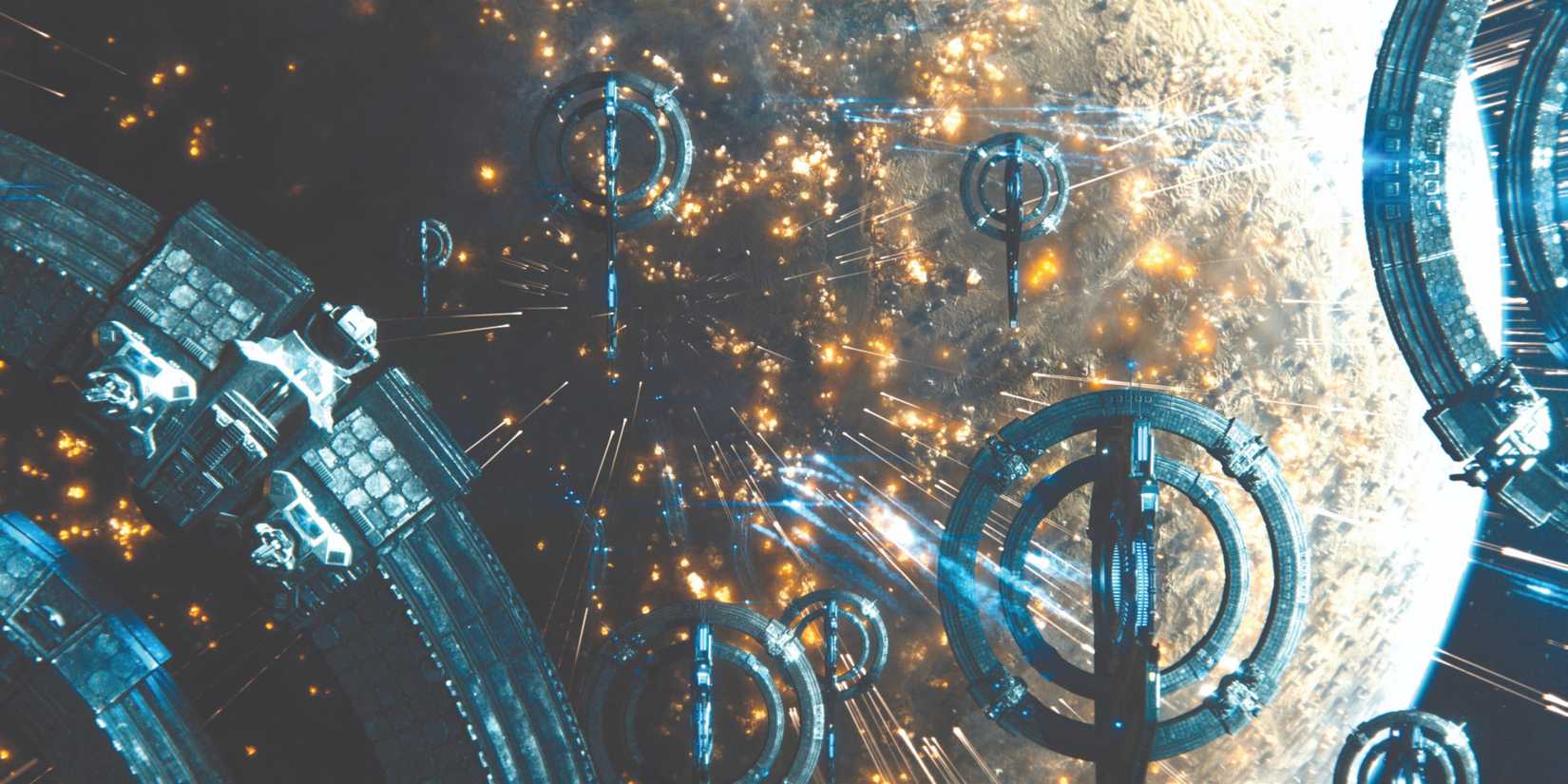
Isaac Asimov is universally recognized as a titan of speculative fiction. Alongside contemporaries like Arthur C. Clarke and Robert A. Heinlein, Asimov shaped the contours of modern science fiction, constructing monumental futures that continue to captivate audiences. Whether through the sweeping sociopolitical calculus of the Foundation series, the existential inquiries of the Robot cycle, or landmark standalone contributions like Bicentennial Man and I, Robot, his cultural footprint remains immense. This enduring legacy has only been amplified recently by contemporary media adaptations, most notably the high-budget Apple TV+ Foundation television series, which brought his galactic empires to a new generation of viewers.
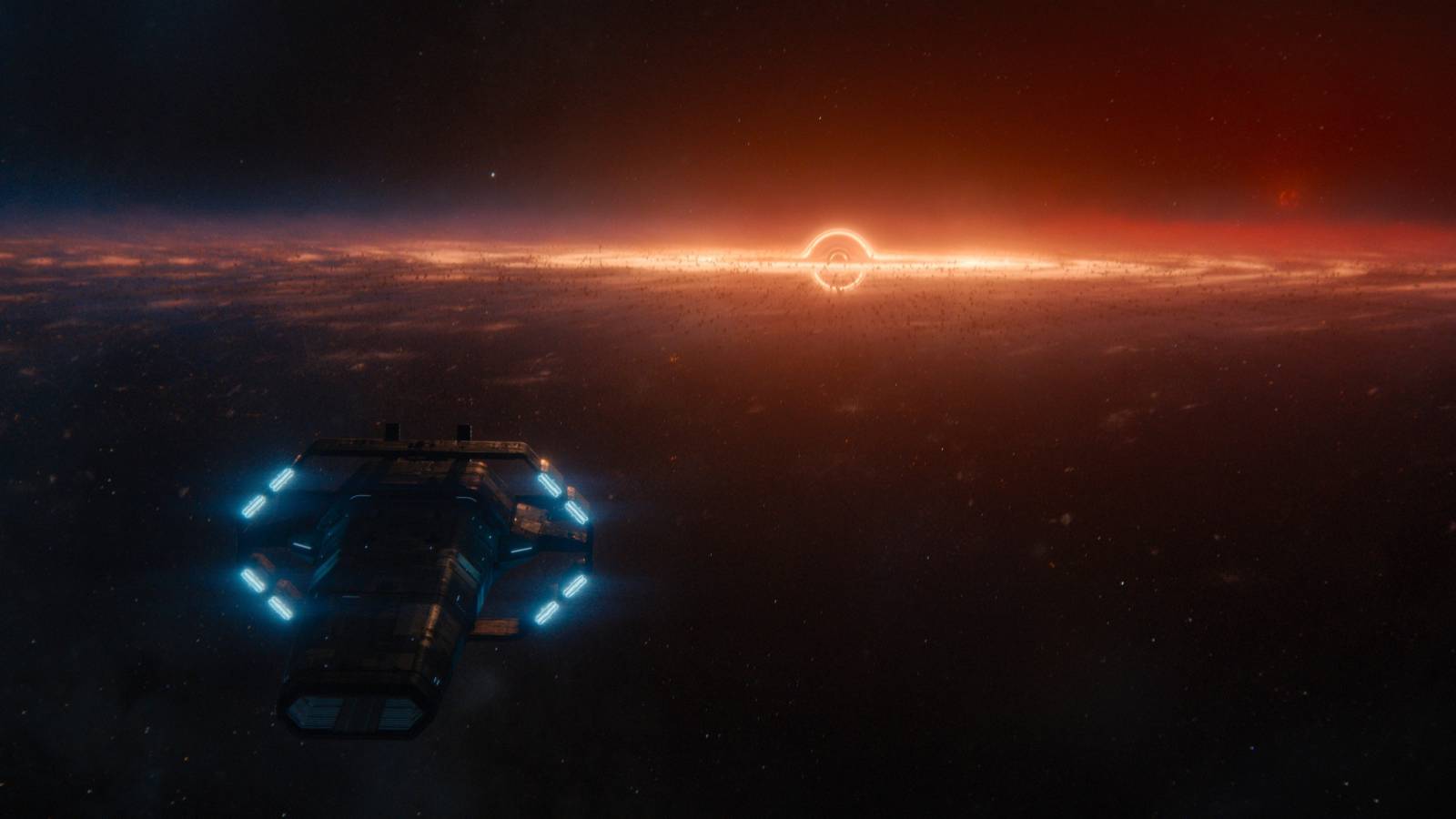
Yet, the towering success of these seminal works has cast a long shadow over a vast and eclectic catalog of shorter fiction. Throughout a remarkably prolific career that spanned decades, Asimov published hundreds of short stories and novellas. Many of these pieces initially debuted in the pages of mid-century pulp magazines—such as Astounding Science Fiction and The Magazine of Fantasy and Science Fiction—before finding homes in anthologies that rarely achieved the mainstream prominence of his novels.
Beneath the well-trodden surface of empire-spanning psychohistory and positronic brains lies a treasure trove of inventive concepts, dark satire, complex mysteries, and philosophical explorations. Far from mere footnotes in a legendary bibliography, these lesser-known works reveal a writer experimenting boldly with form, narrative perspective, and moral ambiguity. For seasoned readers who believe they have plumbed the depths of Asimov’s imagination, five overlooked short stories stand out as definitive proof of his prescience and narrative versatility.

Chronology: Tracing Asimov’s Lesser-Known Works (1948–1976)
To understand the evolution of Asimov’s short fiction is to trace the trajectory of the mid-20th-century science fiction genre itself. The following chronological timeline highlights the publication history and contextual milestones of these five forgotten gems:
- June 1948: "No Connection" is published in Astounding Science Fiction. Written during a pivotal transitional phase in Asimov’s early career, it marks his first non-series story in over two years, breaking away from the foundational frameworks of his nascent robot and galactic empire tales.
- August 1956: "Each an Explorer" appears in the pages of Future Science Fiction. This cerebral and unsettling alien encounter story predates his later, more expansive cosmic explorations and offers a starkly grim view of extraterrestrial intelligence.
- August 1959: "Obituary" debuts in The Magazine of Fantasy and Science Fiction. Prompted by personal grief and professional envy, this unique narrative experiment employs a female narrator to explore human vanity and time manipulation.
- 1976: "Good Taste" is released as a limited-edition standalone publication by Apocalypse Press, later collected in The Winds of Change … And Other Stories. This satirical look at culinary futurism anticipates several socioeconomic motifs found in his later novels and modern adaptations.
- February 1976: "The Winnowing" premieres in Analog Science Fiction/Science Fact, subsequently collected in The Bicentennial Man and Other Stories. Written during the height of 1970s environmental anxiety, this dystopian narrative examines the terrifying ethics of forced population control.
Supporting Data & Bibliographic Guide
For readers eager to venture off the beaten path and explore these hidden corners of Asimov’s bibliography, tracking them down requires looking beyond his standalone novels. The following structured guide outlines where each story can be found:
1. Good Taste (1976)
- Original Publication: Apocalypse Press (Limited Edition)
- Anthology Collection: The Winds of Change … And Other Stories
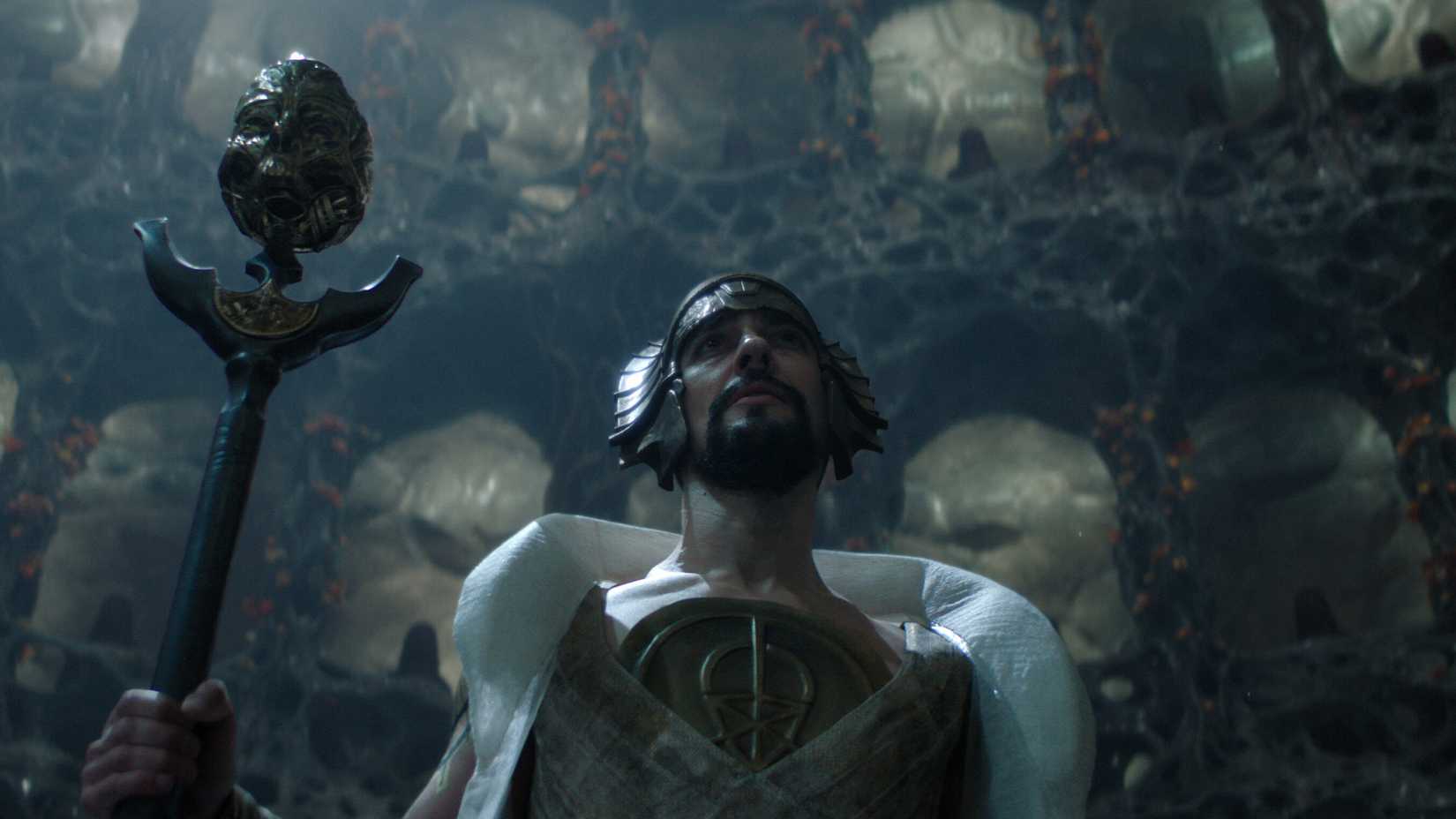
- Thematic Focus: Artificial nutrition, cultural snobbery, and the evolution of localized space-faring societies. It shares fascinating conceptual DNA with the microfood economies of Mycogen from Prelude to Foundation.
2. Each An Explorer (1956)
- Original Publication: Future Science Fiction (August 1956 issue)
- Anthology Collection: Buy Jupiter and Other Stories / The Complete Stories (Volume 2)
- Thematic Focus: Interstellar exploration, deceptive civilizations, and the unsettling nature of cosmic hierarchy.
3. Obituary (1959)
- Original Publication: The Magazine of Fantasy and Science Fiction (August 1959 issue)
- Anthology Collection: Asimov’s Mysteries
- Thematic Focus: Time manipulation, posthumous vanity, and domestic psychological drama. Notably written from a rare female point-of-view perspective.
4. No Connection (1948)
- Original Publication: Astounding Science Fiction (June 1948 issue)
- Anthology Collection: The Early Asimov (Book 1)
- Thematic Focus: Post-human Earth, evolutionary speculation, intelligent descendants (Gurrow sapiens), and the haunting specter of nuclear self-destruction.
5. The Winnowing (1976)
- Original Publication: Analog Science Fiction/Science Fact (February 1976 issue)
- Anthology Collection: The Bicentennial Man and Other Stories
- Thematic Focus: Overpopulation, bioethics, state-sanctioned authoritarianism, and environmental utilitarianism.
Contextual Analysis & Creative Origins
The creative impetus behind these stories reveals much about Isaac Asimov as both a craftsman and a human being. While public perception often casts him as an academic polymath who effortlessly churned out rational, optimistic futures, his short fiction frequently engaged with personal neuroses, contemporary anxieties, and stylistic experiments.
For instance, the genesis of "Obituary" stems from a deeply personal place. Following the untimely death of his friend and fellow science fiction luminary Cyril M. Kornbluth, Asimov encountered Kornbluth’s obituary in The New York Times. Struck by a wave of uncharacteristic professional envy regarding the posthumous praise his peer received, Asimov wondered what people would say about him after his own passing—and more importantly, how he might orchestrate a way to witness it. This morbid curiosity translated into a narrative about a physicist faking his death to eavesdrop on the reactions of those around him, anchored uniquely by the viewpoint of the protagonist’s resentful wife.
Similarly, "No Connection" captures Asimov navigating a crucial crossroad in his career. Written in mid-1947, it represented a brief respite from the structured demands of the Foundation serialization and his early robot tales. By casting intelligent bears (Gurrow sapiens) as the archaeological historians of a ruined, post-human Earth, Asimov indulged in speculative anthropology while quietly delivering an urgent parable about the fragility of human civilization in the wake of the atomic age.
Implications: Relevance in the Modern Era
Though these narratives were penned decades ago, their thematic underpinnings resonate profoundly within contemporary discussions regarding technology, society, and ethics.

- Culinary and Societal Isolation ("Good Taste"): By examining how an isolated space habitat (Gammer) constructs an entire culture around artificial food production while looking down on natural ingredients, Asimov anticipated modern debates over synthesized nutrients, genetic modification, and insular digital or cultural bubbles. The conceptual pipeline leading from this 1976 story to the specialized microfood districts of Trantor in the Foundation universe demonstrates his talent for scaling micro-social customs into macro-historical trends.
- Environmental Utilitarianism ("The Winnowing"): Set against a backdrop of manufactured scarcity, The Winnowing interrogates the chilling logic of triage on a planetary scale. In an era continually grappling with climate change, resource allocation, and international sustainability summits, Asimov’s exploration of forced population control forces readers to confront the perilous boundary between rational crisis management and dystopian authoritarianism.
- The Echo of Extinction ("No Connection"): The haunting realization faced by the story’s ursine protagonist—that humanity may have engineered its own downfall through hubris and atomic warfare—remains a timeless cautionary tale. As contemporary society navigates rapid technological disruption, autonomous systems, and ecological tipping points, Asimov’s speculative archaeology serves as a sobering reminder of the ephemeral nature of empires.
Ultimately, Isaac Asimov’s legacy extends far beyond the sprawling dynasties of Trantor and the laws of robotics. These five overlooked stories demonstrate that his greatest strength was not merely world-building on a galactic scale, but an agile, restless intellect capable of finding profound moral complexity in the most unexpected places. For readers willing to look past the marquee titles, Asimov’s minor works offer some of his most rewarding and thought-provoking achievements.
