
The Voice of a Generation Returns: HBO Greenlights ‘Girls’ Revival
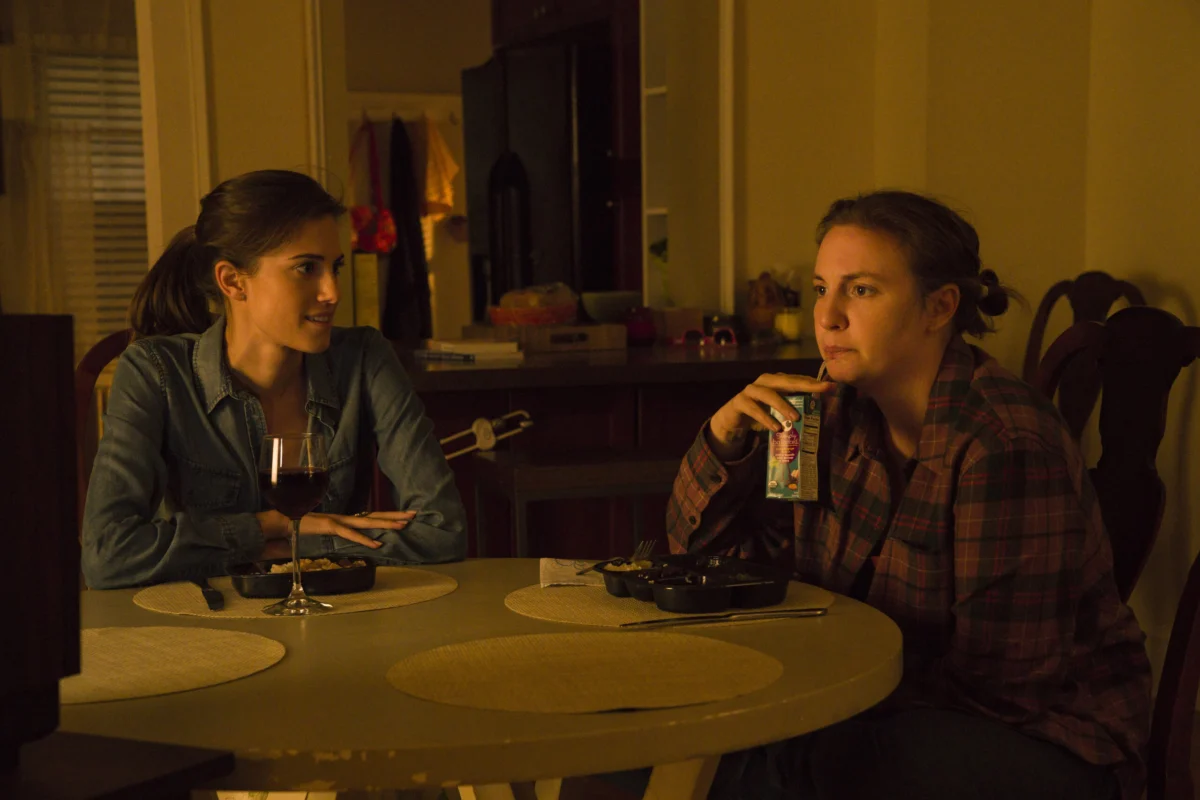
Hannah Horvath is once again finding her voice, and this time, it is set against the complex backdrop of middle age. In a seismic development for the television landscape, HBO officially announced on Tuesday that it has greenlit a five-episode revival of the seminal millennial-centric series Girls. The announcement, which sent shockwaves through social media and industry circles alike, confirms that the series—which originally concluded its six-season run in April 2017—will return to production in 2027.
The revival marks a significant homecoming for creator and star Lena Dunham, who will return to the helm as showrunner, writer, and lead. Joining her are the original quartet of leading ladies: Allison Williams, Zosia Mamet, and Jemima Kirke, all of whom have signed on to reprise their roles. Additionally, Andrew Rannells is set to return as the fan-favorite Elijah Krantz, the quick-witted, scene-stealing gay best friend and former romantic interest of Dunham’s protagonist.
A Legacy Reimagined: The Main Facts
The Girls revival is not intended to be a long-term procedural or a reboot in the traditional sense, but rather a limited, five-episode event series. The narrative will pick up roughly a decade after the original series finale, shifting the focus from the messy, existential crises of one’s twenties to the distinct, often more grounded, pressures of approaching forty.
While the core cast is returning, the production will move forward without two significant figures from the original series: Adam Driver, who portrayed Hannah’s volatile, long-term romantic interest Adam Sackler, and former co-showrunner Jenni Konner. Their absence is particularly notable given the public nature of their professional and personal shifts away from Dunham’s orbit, as documented in Dunham’s 2026 bestselling memoir, Famestruck. In the book, Dunham candidly discussed the friction that characterized her final years working with both Driver and Konner, providing a raw, behind-the-scenes look at the creative volatility that arguably fueled the show’s original success.
Chronology of a Cultural Phenomenon
To understand the significance of this revival, one must look back at the original trajectory of Girls. Premiering in 2012, the show became an immediate lightning rod for cultural debate. It was marketed as the definitive voice of the millennial generation—a claim that sparked both fervent adoration and fierce criticism regarding its representation of privilege, ambition, and identity.

- 2012: Girls debuts on HBO to critical acclaim and immediate viral discourse.
- 2012–2016: The show garners 19 Emmy nominations, cementing itself as a powerhouse of prestige television.
- April 2017: The series finale airs, offering a polarizing, poignant conclusion to the arcs of Hannah, Marnie, Jessa, and Shoshanna.
- 2018–2025: The cast branches out into diverse film and television projects, while the show undergoes a massive critical reappraisal by Gen Z viewers on platforms like TikTok, who find the "messiness" of the characters newly relevant.
- 2026: Dunham publishes Famestruck, which recontextualizes the personal dynamics of the original production.
- October 2026: HBO confirms the development of a five-episode revival.
- 2027: Scheduled start of production.
Behind the Scenes: The Creative Powerhouse
The revival will see the return of Judd Apatow as executive producer under the Apatow Productions banner. Apatow, who was instrumental in the show’s initial development, remains a key creative anchor. He will be joined by Dunham, Ilene S. Landress, and Michael P. Cohen, the latter two representing Dunham’s own production company, Good Things Going.
A significant shift in the production hierarchy is the expanded role of the cast members. Williams, Kirke, Mamet, and Rannells will all serve as co-executive producers, signaling a collaborative approach to the characters they helped define. This structural change reflects the maturity of the actors, who have spent the last decade establishing themselves as formidable talents in their own right, independent of the Girls brand.
Official Statements and Vision
In an official statement released by HBO, Lena Dunham reflected on the unconventional path that led to the revival. "We always said we would only return to Girls if there was a specific story we were burning to tell," Dunham stated. "I’ve missed these characters, but for a long time, I couldn’t quite picture them in the present day. Then, right around my fortieth birthday, they started talking to me in the shower. And, as you may remember, once this fivesome starts talking, it’s pretty hard to get them to stop."
Dunham emphasized the unique privilege of revisiting a career-defining project with the benefit of age and perspective. "It’s rare that you get the chance to return to something that changed your life with the gift of hindsight and a whole new level of gratitude and understanding," she added.
Amy Gravitt, executive vice president and head of HBO & HBO Max comedy programming, echoed this sentiment, framing the revival as an exploration of a new life stage. "We’re thrilled to have Lena turn her gaze from the tumult of one’s twenties to the milestone of turning forty," Gravitt noted. "To say the world has changed since we last saw Hannah, Marnie, Shoshanna, Jessa, and Elijah is a massive understatement, but we know fans—old and new—will be happy to see how they’ve grown and relieved to see that they’re still the ‘Girls’ we knew way back when."

Implications and Industry Context
The decision to revive Girls is a strategic move for HBO in an increasingly competitive streaming landscape. The show has seen a surprising second life among Gen Z audiences, who have discovered the series through streaming platforms and social media, often engaging with it through a lens of irony and nostalgia. By bridging the gap between the original core audience—now entering their late thirties and forties—and a new generation of viewers, HBO is banking on the show’s enduring ability to spark conversation.
However, the revival also highlights the industry’s current obsession with "legacy content." Bringing back a show that defined a specific cultural moment raises questions about whether the narrative can capture its original lightning-in-a-bottle quality. The absence of Adam Driver, a global superstar who was essential to the show’s emotional core, suggests a conscious effort to pivot the narrative away from the romantic entanglements of the past and toward a more introspective, character-focused study of adult friendship.
Furthermore, this news comes during a busy period for Dunham. Her recent directorial work, the Netflix feature Good Sex starring Natalie Portman, was delayed in 2026, reportedly due to marketing constraints surrounding Portman’s pregnancy. The Girls revival now stands as the most anticipated project on Dunham’s slate, placing significant pressure on her to deliver a narrative that satisfies long-time fans while justifying the necessity of returning to the well.
Conclusion
As production nears in 2027, the television industry will be watching closely. Girls was never just a show about four friends in New York; it was a mirror held up to the anxieties of a generation. Whether or not it can successfully translate those anxieties into the realities of middle age remains to be seen. But for fans of the original, the return of Hannah Horvath and her cohorts is more than a television event—it is a rare opportunity to see if the voices that once defined our youth have anything left to say about our future. As Dunham herself put it, the chance to "wear yellow mesh" one more time is simply too tempting to pass up.
