
The Nightmare at Bilberry Woods: Why Damien McCarthy’s ‘Hokum’ is the Must-Watch Horror of 2026
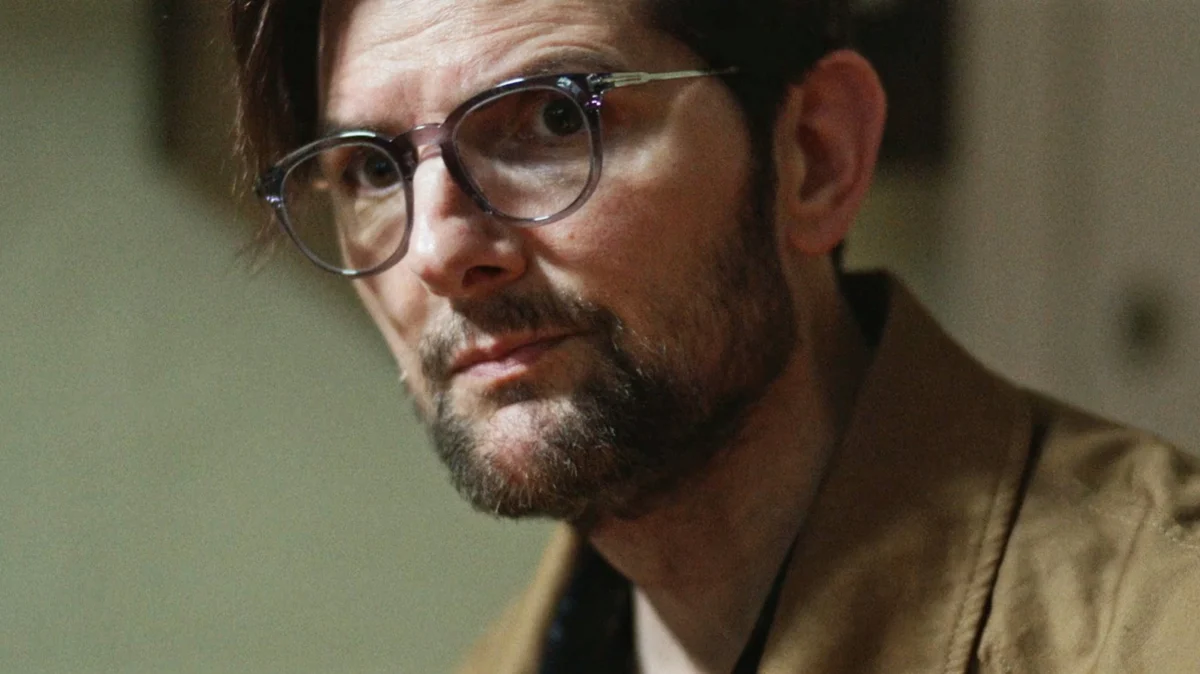
For horror aficionados, the name Damien McCarthy has become synonymous with a specific brand of dread—the kind that lingers long after the credits roll. Following the atmospheric claustrophobia of Caveat (2020) and the unsettling supernatural precision of Oddity (2024), the Irish filmmaker has returned to the genre with Hokum, a 107-minute masterclass in tension that has officially landed on Hulu.
Starring Adam Scott in a transformative, vulnerable performance, Hokum is more than just a seasonal scare; it is a meticulously crafted psychological descent that cemented itself as a critical and commercial powerhouse upon its theatrical release in March 2026. Now that the film has migrated to the streaming giant, audiences are finally able to confront the harrowing mystery of the Bilberry Woods Hotel from the safety—or perceived safety—of their own homes.
The Core Premise: A Vacation Into the Abyss
Hokum follows Ohm Bauman (Adam Scott), a celebrated author struggling with the weight of a stalled book series. Seeking solace and a sense of closure, Bauman travels to a remote, windswept region of Ireland—a landscape that mirrors the isolation he feels in his professional life. His mission is twofold: to reconnect with the history of his parents, who once spent their honeymoon at the Bilberry Woods Hotel, and to perform a final, somber ritual by scattering their ashes near a towering, ancient redwood tree on the property.
Upon arrival, however, the pastoral tranquility Bauman sought is immediately dismantled. He finds himself surrounded by a cast of local "oddballs"—the term he uses to describe the enigmatic, unnerving inhabitants of the hotel and its surrounding village. As the narrative progresses, it becomes clear that these locals serve as more than just background color; they are ominous harbingers of a dark, folkloric history that the hotel has spent decades trying to suppress.
The film’s central catalyst is the disappearance of Fiona (Florence Ordesh), a woman who initially piques Bauman’s interest amidst the sea of suspicious locals. Her sudden vanishing act forces the author to pivot from a journey of grief to one of desperate investigation. As Bauman digs deeper into the hotel’s history, he uncovers the existence of a long-shuttered honeymoon suite—a room locked away for years, rumored to be the permanent residence of a vengeful, ancient entity.
Chronology of a Modern Horror Milestone
To understand the impact of Hokum, one must look at the trajectory of Damien McCarthy’s career and the release timeline that built the film’s reputation:
- Early 2020: McCarthy makes a splash in the independent horror circuit with Caveat, a film praised for its low-budget ingenuity and oppressive atmosphere.
- 2024: The release of Oddity further refines McCarthy’s signature style, proving that he could maintain tension over feature-length runtimes while playing with the tropes of the supernatural thriller.
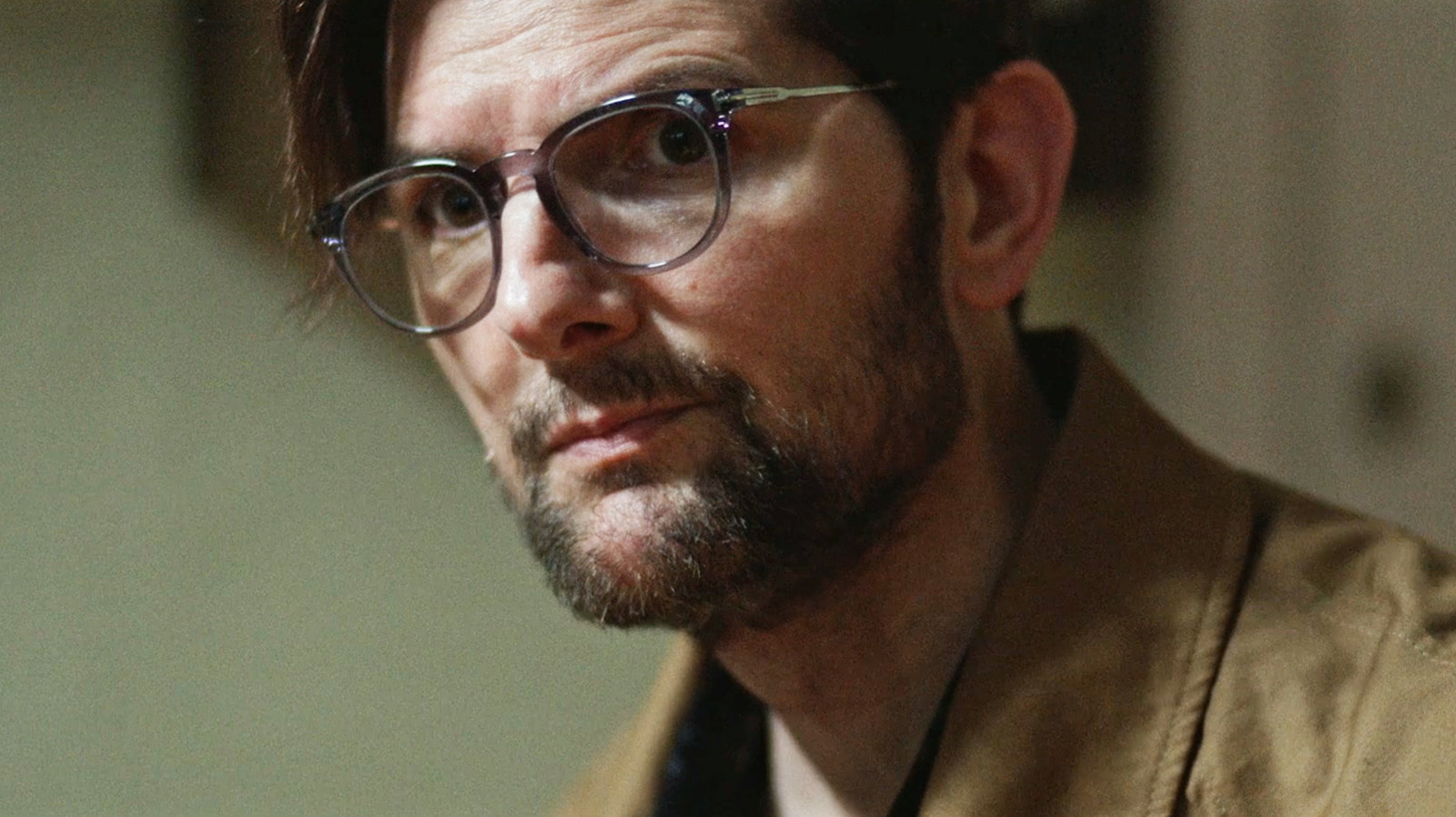
- March 2026: Hokum debuts in theaters. It is met with immediate acclaim, drawing praise for its pacing, sound design, and Adam Scott’s departure from his typical comedic roles. The film proves to be a profitable venture, outperforming genre expectations at the box office.
- June 2026: The film receives a wide digital release, allowing those who missed the theatrical run to experience the terror in high definition.
- August 2026: A physical media release follows, catering to the growing cult following that has developed around the director’s work.
- Late 2026/Early 2027: Hokum makes its anticipated debut on Hulu/Disney+, marking its transition from a cinematic event to a streaming staple.
Supporting Data: Why ‘Hokum’ Stands Apart
The success of Hokum is not merely anecdotal; it is backed by a shift in how audiences are consuming "folk-horror" in the mid-2020s. McCarthy’s films are characterized by a lack of over-reliance on jump scares, opting instead for "dread-based" horror.
The "McCarthy Effect"
Critics have noted that McCarthy’s work relies on a specific geographical anchor. By utilizing the desolate, beautiful, and often claustrophobic settings of West Cork, Ireland, he creates a sense of "otherness" that American suburban horror often lacks. Hokum is his most ambitious project to date, featuring a production design that makes the Bilberry Woods Hotel feel like a living, breathing antagonist.
Critical Reception
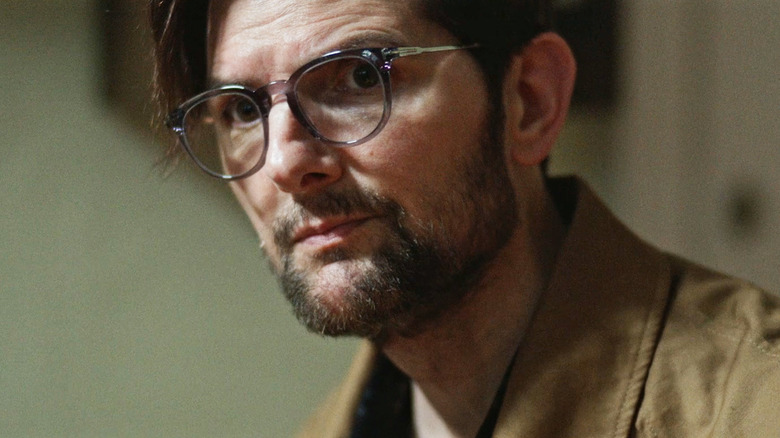
Upon its release, Hokum maintained a high critical aggregate score, with reviewers highlighting the "slow-burn" efficacy of the script. Adam Scott’s performance, in particular, has been cited as a career highlight. By stripping away the irony and charisma often associated with his roles in Parks and Recreation or Severance, Scott offers a raw, frightened, and ultimately grounded portrayal of a man out of his depth.
Box Office Performance
While Hokum was not a billion-dollar blockbuster, it performed exceptionally well within the independent horror sector. Its success demonstrates that audiences are hungry for original IP (Intellectual Property) rather than tired sequels or franchise reboots. The film’s ability to turn a tidy profit in a competitive March market solidified McCarthy’s standing as a filmmaker to watch for major studios.
Official Perspectives: The Director’s Vision
In recent discussions with industry outlets like Polygon, Damien McCarthy has been remarkably candid about his process and his future. He describes his filmmaking philosophy as a constant refinement of fear.
"I definitely want to make one more out-and-out horror film," McCarthy noted in his interview. "Just to see if I can take everything I’ve learned and apply it."
This statement suggests that Hokum serves as a bridge between his earlier, smaller-scale works and a future, more grand-scale "classic haunted house movie." McCarthy’s desire to synthesize his experiences—the tight, physical horror of Caveat and the mystery-driven narrative of Oddity—into one final, definitive work is a prospect that has the horror community buzzing. He views Hokum not as a peak, but as a crucial lesson in how to sustain audience fear over 107 minutes.
Implications for the Horror Genre
The move of Hokum to Hulu is more than just a routine content update; it highlights a larger trend in the streaming wars. High-quality, mid-budget horror films are becoming the primary drivers of subscriber retention. As viewers move away from traditional cable, platforms like Hulu and Disney+ are investing heavily in films that carry a "prestige" horror label.
The Shift Toward Indie-to-Streaming
Hokum represents a model of success for independent filmmakers:
- Theatrical Provenance: By building a reputation through theatrical release, the film gains a "prestige" label that carries over to streaming.
- Cross-Pollination: By having his back catalog (such as Oddity and Caveat) available on major platforms, McCarthy is building a "cinematic universe of dread," encouraging viewers to binge his filmography.
- Genre Authenticity: The success of Hokum suggests that audiences are rejecting the "formulaic" horror seen in the early 2020s in favor of director-driven projects that prioritize atmosphere and character development.
What Comes Next?
For fans of Adam Scott, Hokum proves his versatility as a dramatic actor capable of carrying a psychological thriller. For fans of horror, the film provides a benchmark for what can be achieved with a clear vision and a commitment to genuine suspense.
As we look toward the future, the industry will be watching McCarthy closely. Whether his next project fulfills his promise of a "classic haunted house" masterpiece remains to be seen, but for now, the Bilberry Woods Hotel remains open for business on Hulu. For those who enjoy the feeling of their skin crawling while they sit in the dark, there is no better way to spend 107 minutes than by stepping into the world of Hokum.
If you are a fan of McCarthy’s work and are looking to catch up, his earlier features are readily available. Caveat remains a cornerstone of independent horror on Fandango, while Oddity continues to draw massive viewership on Hulu. The stage is set, the atmosphere is perfectly curated, and the horror is waiting—all you have to do is hit play.
