
Beyond the Algorithmic Silo: Defining the Cultural Juggernauts of 21st-Century Literature
October 15, 2026 — In an era marked by hyper-personalized recommendation engines and fragmented media consumption, the concept of a shared cultural touchstone feels increasingly like an artifact of the past. As audiences retreat into hyper-specific algorithmic silos and niche subgenres, the era of the universal, monocultural blockbuster is rapidly fading. Yet, despite this atomization of modern taste, the first quarter of the 21st century has proven remarkably resilient. It has successfully birthed a rare echelon of literary phenomena: works that achieved stratospheric sales figures, captivated demanding critics, and inspired ferocious, enduring fan communities.
From sprawling magical epics and World War II narratives to deeply flawed contemporary romances and scathing domestic satires, these books have transcended the printed page to become cultural cornerstones. This retrospective examines six of the most defining literary juggernauts of the 21st century, exploring the unique alchemy of character, theme, and timing that cemented their places in modern history.
1. Main Facts: The Anatomy of Modern Literary Dominance
What makes a book a 21st-century juggernaut? In short, it requires a rare convergence of critical validation, commercial supremacy, and transcendent adaptability. The novels and series dominating the contemporary cultural landscape rarely succeed on narrative merit alone; they tap into the psychological anxieties, historical reckonings, and identity struggles of a rapidly changing world.
Whether examining Fredrik Backman’s exploration of grief and community in A Man Called Ove, or Sally Rooney’s incisive dissection of modern class and intimacy in Normal People, these titles share a common denominator: emotional accessibility paired with stylistic precision. They broke through the noise of an oversaturated media market by offering readers mirrors for their own internal landscapes, resulting in multi-million-copy print runs, international translations, and, frequently, high-profile screen adaptations.

2. Chronology of a Cultural Shift: From 2001 to 2018
The trajectory of 21st-century mega-bestsellers reveals an evolving reading public, shifting from institutional family dramas to deeply personal, character-driven studies of marginalization and resilience.
- 2001: The Great American Family Satires Arrive
Jonathan Franzen’s The Corrections explodes onto the literary scene, capturing the anxieties of a pre-9/11 America grappling with aging, familial decay, and late-stage capitalism. It sets a high-water mark for contemporary literary fiction. - 2003: The Fantasy Phenomenon Deepens
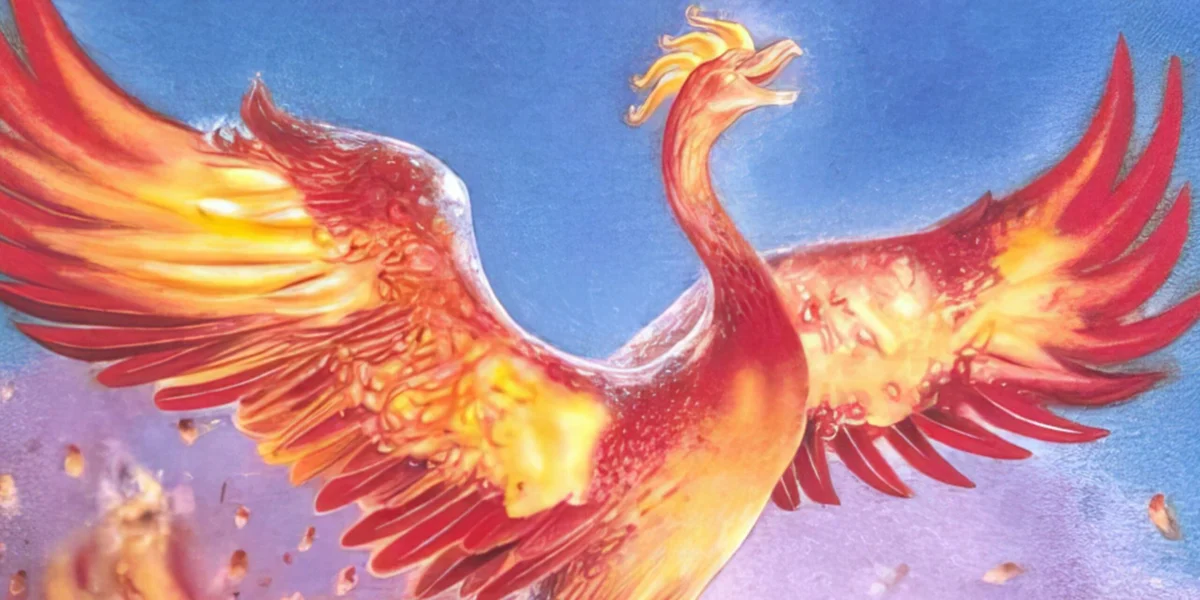
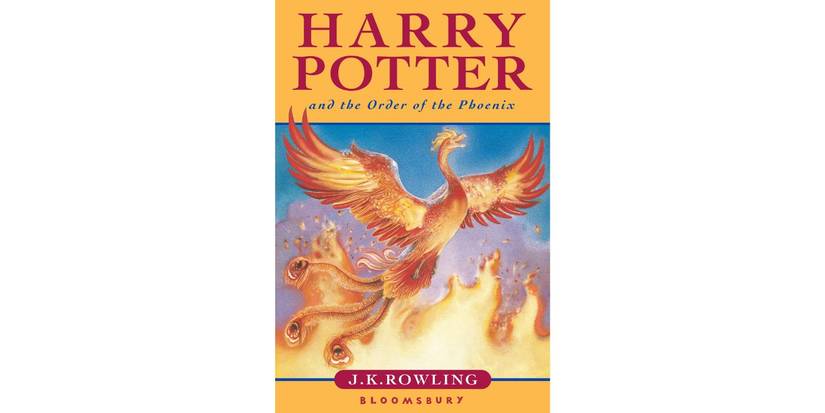
J.K. Rowling releases Harry Potter and the Order of the Phoenix. Pushing the series into darker, more politically complex territory, it captures the psychological toll of institutional denial and teenage trauma, cementing its place as a generational milestone. - 2005: Historical Fiction Reimagined
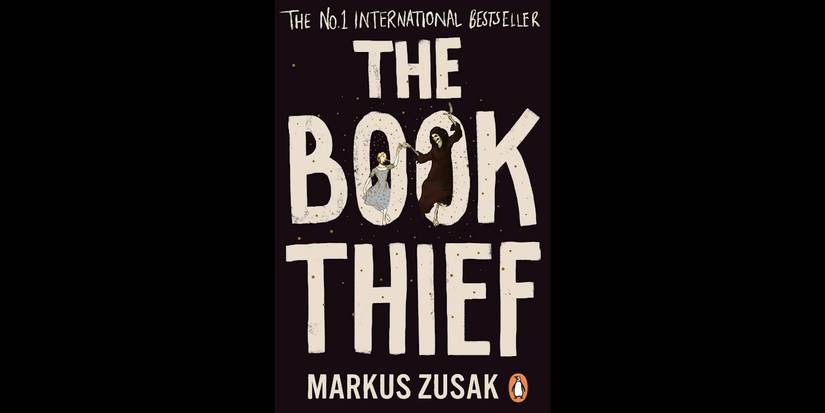
Markus Zusak publishes The Book Thief, utilizing an unconventional, omniscient narrator—Death itself—to narrate the horrors of Nazi Germany through the lens of a young foster child finding solace in literature. - 2012: The Rise of Contemporary Dramas and YA Crossovers
The literary market experiences a massive expansion with Fredrik Backman’s A Man Called Ove (initially published in Swedish) and John Green’s tear-jerking YA juggernaut The Fault in Our Stars. Both books redefine how grief, illness, and aging are commercialized on a global scale. - 2018: The Millennial Intimacy Wave
Sally Rooney publishes Normal People, capturing the raw, awkward, and profoundly complicated dynamics of modern youth, class anxiety, and romantic codependency, sparking a new wave of literary discourse centered on millennial experiences.
3. Supporting Data and Critical Reception
The cultural footprint of these titles is not merely anecdotal; it is heavily backed by empirical data, sales milestones, and review metrics.
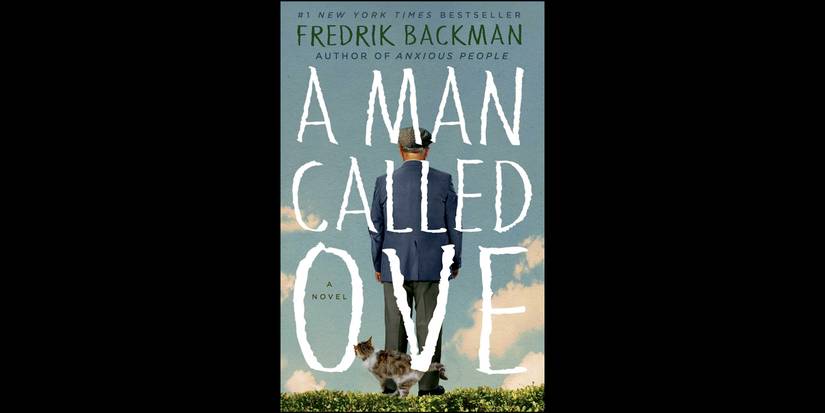
- Sales Milestones: John Green’s The Fault in Our Stars has sold over 23 million copies worldwide, anchoring a massive shift in how young adult literature is valued by mainstream publishers. Similarly, Fredrik Backman’s A Man Called Ove spent an astounding 42 cumulative weeks on the New York Times Bestseller List, propelled largely by word-of-mouth recommendations before being adapted into two separate cinematic versions.
- Critical and Community Ratings: On platforms like Goodreads, titles such as Harry Potter and the Order of the Phoenix maintain staggering metrics—averaging a 4.5 out of 5 rating across nearly 4 million user reviews. This positions it as the fourth-highest-rated book of all time on the platform, proving that sheer volume of readers has not diluted its emotional resonance.
- Literary Prestige: Works like Jonathan Franzen’s The Corrections and Markus Zusak’s The Book Thief bridged the often-stark divide between commercial blockbusters and high-brow literary criticism. They garnered major awards, international acclaim, and inclusion in university syllabi, proving that popular fiction could simultaneously possess high literary merit.
4. Industry Responses and Adaptation Eras
The seismic success of these 21st-century texts triggered a massive shift in how Hollywood and publishing houses operate. As traditional box-office models faced disruption, studios increasingly turned to proven literary IP with built-in, hyper-engaged fan bases.
The Streaming and Cinematic Pipeline
The transition of these books to screen adaptations has become a litmus test for modern entertainment.
- Sally Rooney’s Normal People was transformed into a critically acclaimed limited series by BBC Three and Hulu, introducing a new visual language for modern intimacy and catapulting its lead actors into global stardom.
- The adaptation of The Fault in Our Stars established a lucrative blueprint for high-concept young-adult dramatic cinema, proving that emotional vulnerability and tragedy could yield massive international box office returns.
- Even international hits like A Man Called Ove received multiple cinematic treatments—including a celebrated Swedish adaptation and a subsequent Hollywood iteration starring Tom Hanks (A Man Called Otto)—demonstrating the universal appeal of its curmudgeon-with-a-heart-of-gold archetype.
Publishers, meanwhile, adapted by leaning heavily into special collector’s editions, interactive community marketing, and digital book clubs (such as those spearheaded by celebrity figures like Oprah Winfrey and Reese Witherspoon), which have essentially replaced traditional literary gatekeepers in driving best-seller status.
5. Implications for the Future of Reading
As we move deeper into the 2020s, the legacy of these six literary juggernauts offers both a roadmap and a cautionary tale for the future of publishing.
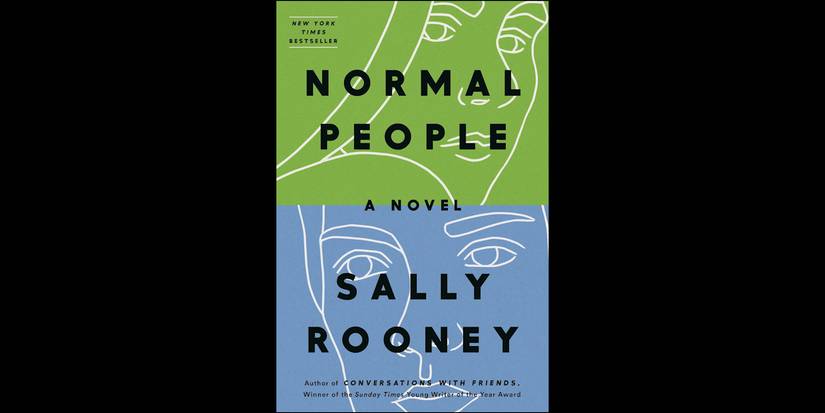
On one hand, they prove that human beings retain an insatiable appetite for shared emotional experiences. In a world increasingly driven by algorithmic curation, readers actively seek out books that articulate complex emotional truths—whether it is the agonizing social friction of Normal People, the righteous indignation of fighting an authoritarian regime in Order of the Phoenix, or the comforting reclamation of humanity in A Man Called Ove.
On the other hand, the widening chasm between hyper-niche digital reads and runaway global bestsellers suggests that the middle tier of publishing is facing unprecedented pressure. Writers today must navigate a landscape where a book either achieves viral, cross-platform cultural ubiquity or struggles to find foundational footing outside its microscopic target audience.
Ultimately, these 21st-century literary giants stand as monuments to the enduring power of the written word. They remind us that while technologies, distribution models, and reading habits may change, the fundamental human desire to see ourselves reflected on the page remains entirely unchanged.
