
The Paywall Dilemma: Withings Sparks Backlash by Gating Health Data Syncing Behind Subscription
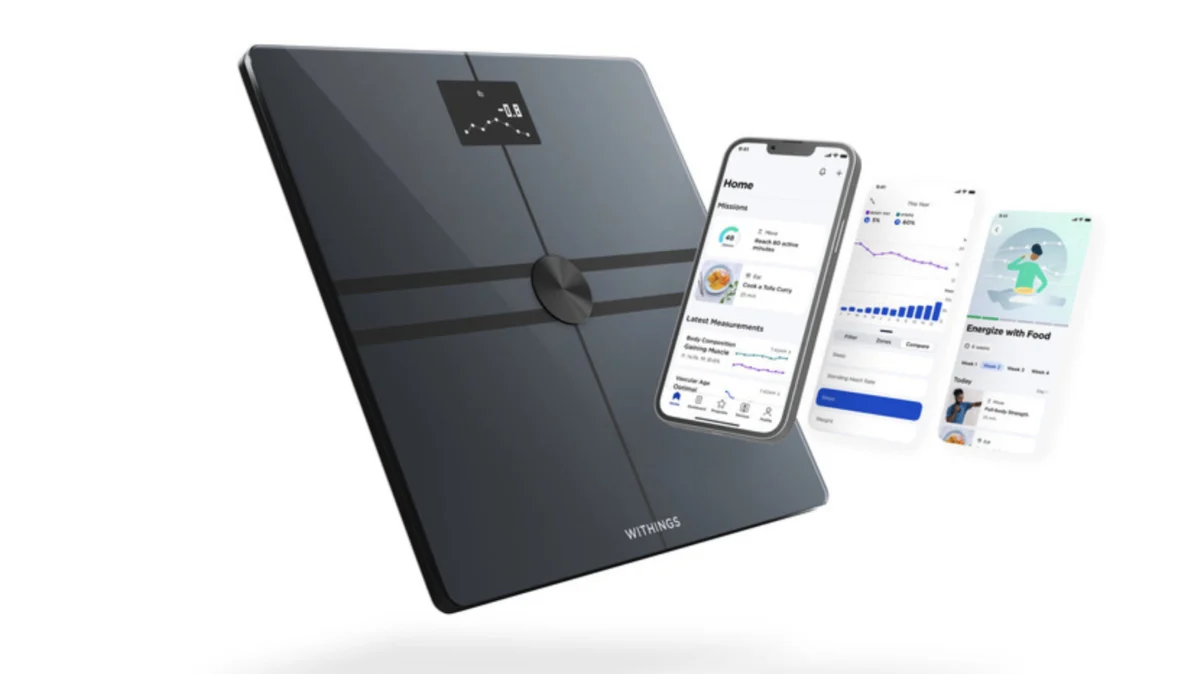
In a move that has sent shockwaves through the wearable technology community, Withings—a brand long synonymous with high-end, reliable health-tracking hardware—has introduced a controversial policy shift. Starting October 13, the company began restricting a fundamental feature that many consumers consider a utility rather than a luxury: the ability to automatically synchronize health data with third-party ecosystems like Apple Health and Google Fit.
For new users, this core functionality is now locked behind a $100-per-year "Withings+" subscription. While the company maintains that the change is intended to bolster its premium service offerings, the decision has drawn sharp criticism from long-time supporters and industry analysts alike, who argue that locking data interoperability behind a paywall contradicts the open nature of the modern digital health landscape.
The Core Facts: What Has Changed?
The crux of the controversy lies in the segmentation of the user base. As of mid-October, Withings has bifurcated its service model. Users who registered their devices prior to October 13 remain unaffected by the change, retaining the ability to automatically sync their biometric data—such as weight, heart rate, and sleep metrics—to Apple Health, Google Fit, and other third-party platforms at no additional cost.
However, for any account created on or after October 13, the landscape is significantly different. These users find that the "automatic sync" feature is now a premium perk of the Withings+ subscription service. Without this subscription, which is priced at $99.95 annually, new users are forced into a cumbersome, manual workflow. Instead of seamless background integration, they must manually export their health history from the Withings app and re-import it into their preferred third-party health aggregators. This friction, for many, renders the hardware significantly less useful.
Chronology of the Policy Shift
The rollout of this policy was not accompanied by a major marketing campaign or a high-profile press release. Instead, it surfaced quietly through the company’s support infrastructure.
- Pre-October 13, 2024: Withings devices operated under the standard industry model: the hardware was sold at a premium price, and the software ecosystem remained open, allowing users to move their data freely between platforms.
- October 13, 2024: The effective cutoff date. New accounts registered from this point forward are subject to the new restrictive data-syncing policy.
- Late October 2024: Frustration began to mount in community forums. A thread on the official Withings support forum became the epicenter of the backlash, as new users discovered the restriction upon attempting to pair their devices with Apple Health.
- Ongoing: The company has issued an official confirmation of the policy change, though they have yet to provide a public explanation addressing the widespread consumer dissatisfaction.
Supporting Data: The Value Proposition vs. User Experience
To understand the severity of this shift, one must consider the position Withings occupies in the market. The company is not a budget wearable manufacturer; it is a premium player. Its latest flagship product, the Body Scan 2 smart scale, retails for approximately $600. Its mid-range offerings typically hover around the $280 mark.
When a consumer spends $600 on a smart scale, they are not merely purchasing a piece of glass and metal; they are purchasing an ecosystem. In the world of smart health, interoperability is the highest currency. Apple Health and Google Fit act as "hubs" where data from various devices—watches, blood pressure cuffs, continuous glucose monitors, and scales—are consolidated to provide a holistic view of a user’s well-being. By gating this, Withings is effectively siloing the data collected by its expensive hardware.
Industry analysts point out that data portability is increasingly being treated as a right rather than a privilege. With global regulations like the GDPR in Europe and the CCPA in California emphasizing user ownership of data, forcing users to pay a subscription to "move" their own health metrics is being viewed as an aggressive, and perhaps tone-deaf, monetization strategy.
The Official Response and Corporate Stance
In response to the mounting outcry on its community forums, a representative from Withings posted a clarification that did little to soothe the anger of its user base. The official statement confirmed the change, noting: "Automatic sync to third-party apps is part of Withings+."
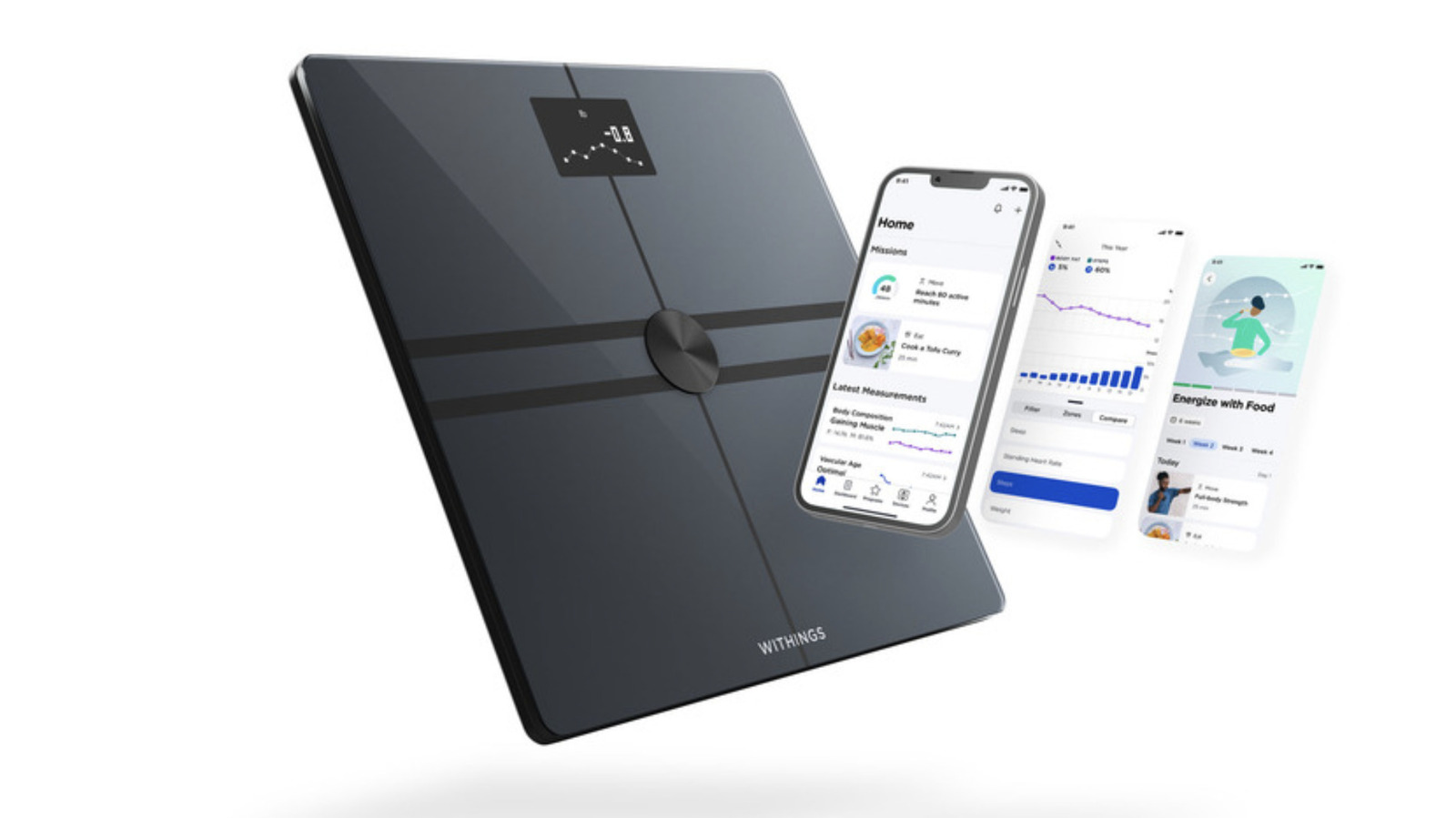
The company’s logic appears to be tied to the evolution of Withings+ from a simple data-aggregation tool into a broader "coaching" and wellness platform. By bundling sync capabilities with the subscription, Withings is attempting to add value to a service that competes with other health-tracking apps. However, the company has thus far failed to provide a compelling argument for why a feature as basic as data syncing—which requires minimal server-side overhead—should be considered a "premium" service.
When reached for further comment, the company has maintained a cautious silence, repeating the necessity of the subscription model to support the ongoing development of their software ecosystem.
The Broader Implications for the Health-Tech Industry
The move by Withings serves as a bellwether for a concerning trend in the Internet of Things (IoT) space: "feature-gating." As hardware sales mature and companies struggle to maintain the high growth rates expected by shareholders, many are pivoting to "Software as a Service" (SaaS) models to ensure recurring revenue.
1. The Erosion of Consumer Trust
Hardware loyalty is built on the promise that the device will continue to function as expected. When a feature that was previously free is suddenly moved behind a paywall, it signals to the consumer that their device is merely a "loaner" and that the manufacturer holds the power to cripple its functionality at any time. This erodes the long-term relationship between brand and customer.
2. The Fragmentation of Health Data
The primary goal of modern health technology is to provide a "single source of truth." By segmenting data, companies like Withings risk driving users toward ecosystems that are truly open. If a user has to pay $100 a year just to see their weight trend in Apple Health, they may simply decide to purchase a scale from a competitor that offers open integration for free.
3. The Future of "Smart" Devices
This incident raises an important question: Where does the "smart" in smart health end, and the "subscription" begin? If the industry moves toward a model where every automated feature—syncing, advanced reporting, or even basic notification alerts—becomes a subscription tier, consumers may suffer from "subscription fatigue," leading to a decline in the adoption of health-tracking technology.
Conclusion: A High-Stakes Gamble
Withings is taking a significant gamble. By prioritizing recurring revenue over user experience, they are testing the limits of their customers’ patience. For a brand that has built its reputation on high-quality, professional-grade health equipment, the decision to gate data interoperability feels like a departure from their core value proposition.
Whether this move will be successful in driving subscriptions or whether it will lead to a mass exodus of new users remains to be seen. In the short term, the backlash is undeniable. For now, potential customers looking for a smart scale or a health wearable are likely to weigh the $100-a-year "sync tax" heavily against the prestige of the Withings brand.
As the digital health industry matures, companies will need to find ways to monetize their services that add genuine value—such as AI-driven insights, personalized health coaching, or proprietary research—rather than by holding the basic utility of user data hostage. Until Withings provides a clearer, more user-friendly path forward, this policy shift will likely remain a cautionary tale for other hardware manufacturers looking to squeeze more revenue out of their existing user bases.
