
The Secret History of Camp Crystal Lake: How ‘Crystal Lake’ Finally Unmasked Jason Voorhees’ Father
For over four decades, the Friday the 13th franchise has stood as a monolith of the slasher genre. While other horror icons like Michael Myers or Freddy Krueger had their origins dissected in exhaustive sequels and reboots, Jason Voorhees remained, for the most part, a force of nature defined by his singular, tragic connection to his mother, Pamela. The question of who fathered the most infamous killer in cinematic history was a dangling thread that fans had long abandoned, assuming it was a detail left intentionally blank.
That changed this month with the premiere of Crystal Lake on Peacock. The prequel series, which serves as a deep-dive origin story, has finally pulled back the curtain on the Voorhees lineage, introducing Elias Voorhees and, in doing so, fundamentally altering the DNA of one of horror’s most enduring sagas.
The Man Behind the Mask: Unveiling Elias Voorhees
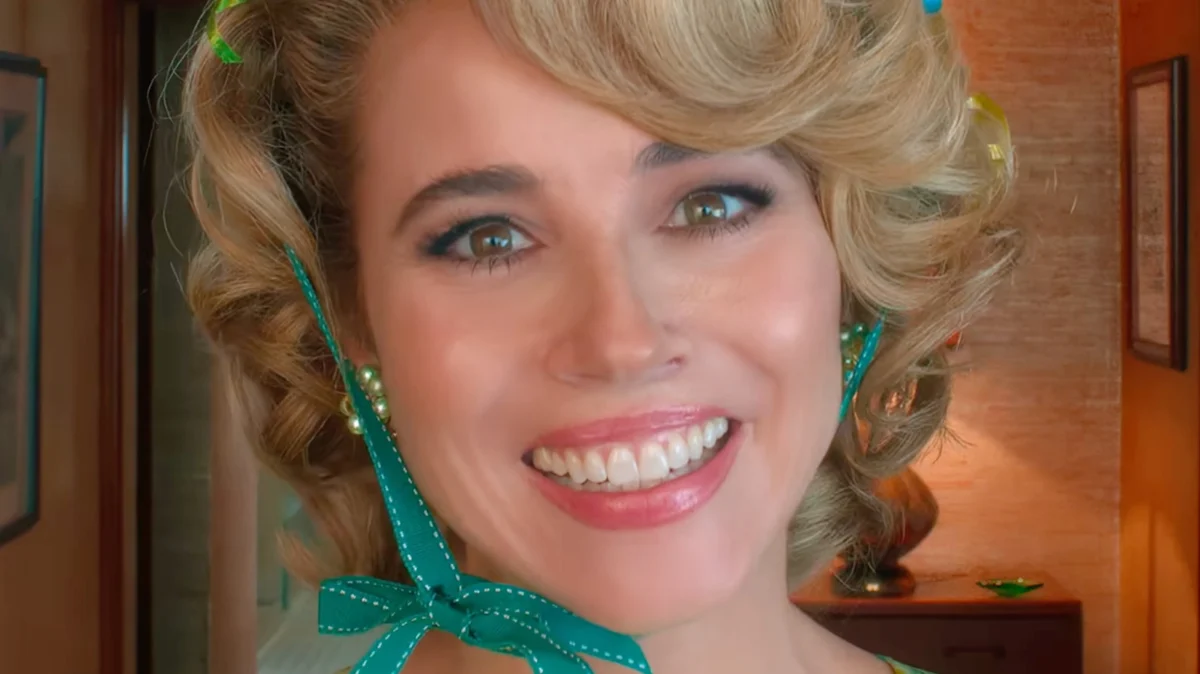
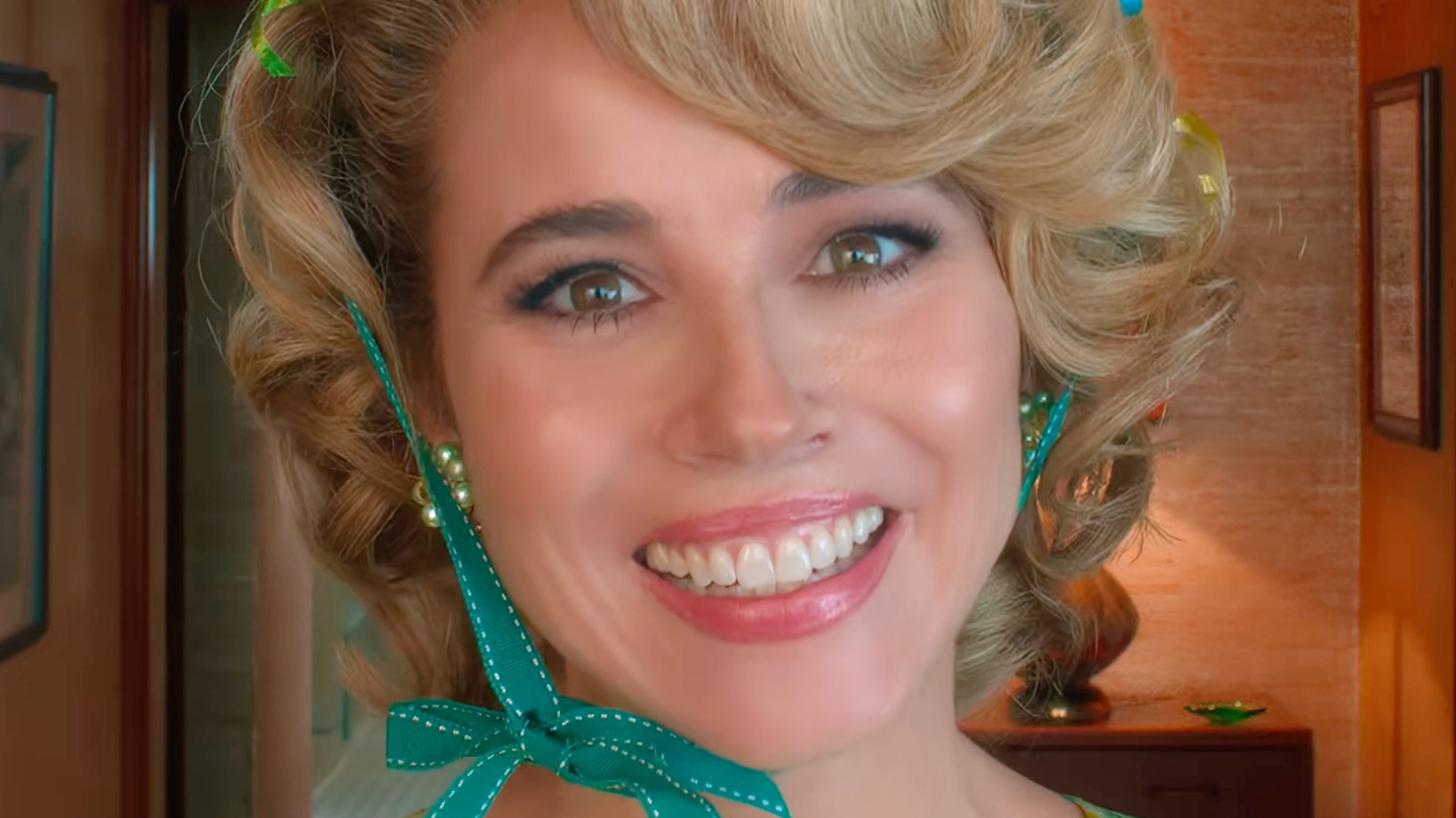
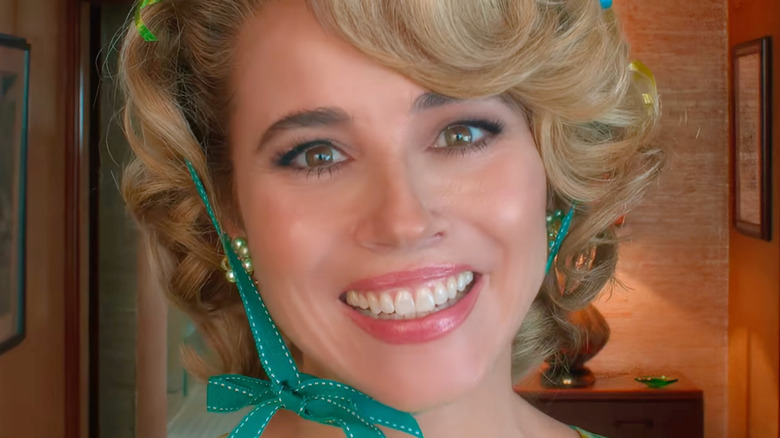
The arrival of Crystal Lake marks the most significant expansion of the Friday the 13th mythos since the franchise’s inception. Set primarily in 1972—eight years before the events of the original 1980 film—the series chronicles the life of Pamela Voorhees (portrayed by Linda Cardellini) as she navigates the trauma of her son’s early childhood.
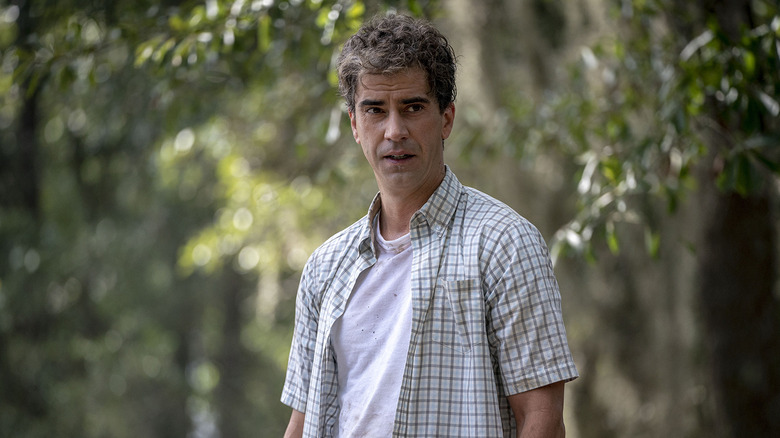
Central to this narrative is the long-awaited introduction of Jason’s father, Elias. Played with chilling, calculated precision by Hamish Linklater (Midnight Mass, Gen V), Elias is not the absent, peripheral figure some fans speculated he might be. Instead, he is a central architect of the horror that would eventually consume the lake. An employee of the shadowy Bell Flower corporation, Elias is depicted as a man of science and corporate ambition, whose cold detachment contrasts sharply with the maternal obsession that would eventually define Pamela.
A Chronology of Corruption
To understand the transformation of the Voorhees family, one must look at the timeline established in Crystal Lake. The series employs a narrative structure that jumps between the early 1970s and the late 1950s, piecing together a mosaic of betrayal.
The Late 1950s: The Bell Flower Connection
In the pre-adolescent years of Jason’s life, Pamela and Elias were not the rural recluses seen in later films. They were upwardly mobile, connected to the Bell Flower corporation, an organization specializing in experimental, high-stakes research. During this era, Elias facilitated the birth of Jason under complex medical circumstances. It was here that the seeds of the franchise’s new, controversial lore were sown.
1972: The Descent into Darkness
By 1972, the series captures a pivotal shift. Elias, having been promoted within Bell Flower, becomes deeply entrenched in the company’s clandestine experiments. It is revealed that Jason—who was born with significant developmental and physical challenges—became the involuntary subject of his father’s professional pursuits. The series posits that the horror of Friday the 13th was never just a supernatural curse, but a byproduct of corporate hubris.
The Finale: The Reckoning
The first season culminates in a violent, definitive confrontation. As the truth about the experiments comes to light, the bond between parent and child—or lack thereof—is shattered. In the season finale, Jason ultimately turns on his father, killing both Elias and his corporate handlers. This act of violence serves as the bridge to the films we know: the reason Pamela and Jason were in hiding, the reason for their isolation, and the foundation of their singular, codependent devotion.
The Biological Twist: Science Fiction Meets Slasher
Perhaps the most polarizing element of the Crystal Lake series is its willingness to pivot from traditional slasher tropes into the realm of body horror and science fiction. The revelation that Elias was using his son as a test subject to determine if human subjects could survive nuclear fallout via the infusion of insectoid—specifically cockroach—DNA has sent shockwaves through the fandom.
This revelation transforms Jason Voorhees from a tragic accident victim into a biological experiment. Critics and fans alike have debated whether this "upgrade" to the lore enhances the character’s longevity or strips away the grounded, human tragedy that made the early films so effective. By linking Jason’s resilience to a corporate science experiment, the series effectively "explains" his near-invulnerability in the later, more supernatural sequels, providing a scientific justification for the slasher’s persistent survival.
Official Responses and Creative Direction
The production team behind Crystal Lake, including the show’s creative leads, have emphasized that their goal was not to rewrite the past, but to provide a foundational context for the franchise’s future. In a recent interview, showrunners noted that the decision to introduce Elias was made to address the "missing link" of the Voorhees story.
"We wanted to know why Pamela was the way she was," the production team stated. "To understand a monster, you have to understand the environment that created him. Elias was the missing piece of the puzzle—a man who viewed his own son as a means to an end."
While some fans have expressed frustration at the "science-heavy" direction of the show, the creative team maintains that the series is fully canon. This official designation means that the events of Crystal Lake must now be considered when viewing the entire filmography, from the original 1980 classic to the more outlandish sequels like Jason Takes Manhattan and Jason X.
The Implications for Future Lore
The introduction of Elias Voorhees does more than just fill a biographical hole; it changes the tone of the entire Friday the 13th universe.
Re-contextualizing Pamela Voorhees
Pamela has long been viewed as a tragic villain—a mother driven to madness by grief. Crystal Lake complicates this by showing her as a woman who, while ultimately loving, was surrounded by a toxic, scientific conspiracy she struggled to navigate. Her eventual turn toward murder is now seen not just as a grief-stricken snap, but as an escape from the corporate machinery that sought to weaponize her son.
The Evolution of the Slasher
The franchise has historically been known for its simple, brutal narrative: a killer, a camp, and a group of victims. By introducing the Bell Flower corporation and the experimentation arc, Crystal Lake has effectively pivoted the franchise toward a "mystery box" style of storytelling. The implications are clear: the future of Friday the 13th will likely involve more institutional horror and less simple survivalism.
A Complex Legacy
The decision to make Jason a product of genetic modification creates a new paradigm. If the fans accept this shift, the franchise can move away from the "zombie Jason" trope of the 1990s and toward a more calculated, engineered threat. However, this risks alienating purists who preferred the simplicity of the original, human-centric terror.
Conclusion: A New Dawn for Camp Crystal Lake
Whether one views the revelations of Crystal Lake as a bold reimagining or a narrative overreach, the series has undeniably succeeded in making the Friday the 13th franchise a topic of intense discussion once again. By unmasking Elias Voorhees, the show has provided a complex, albeit dark, history for the franchise’s most iconic villain.
As viewers continue to stream the first season on Peacock, the debate will rage on: was Jason better off as a mystery, or does this new, cold reality make him an even more terrifying figure? One thing is certain—the shadow of the Voorhees family has grown significantly longer, and the waters of Crystal Lake are deeper, and much colder, than we ever imagined.
