
Unraveling the Trap: ‘Slow Horses’ Head Writer Gaby Chiappe Breaks Down the Shocking Season 6 Finale Cliffhanger
This article contains major spoilers for "Slow Horses" Season 6, Episode 6, "Judgement Day."
For six seasons, Apple TV+’s critically acclaimed spy-thriller Slow Horses has mastered the art of subverting expectations. Adapted from Mick Herron’s acclaimed Slough House book series, the show has carved out a unique niche in the prestige television landscape by blending cynical bureaucratic satire with high-stakes, boots-on-the-ground espionage.
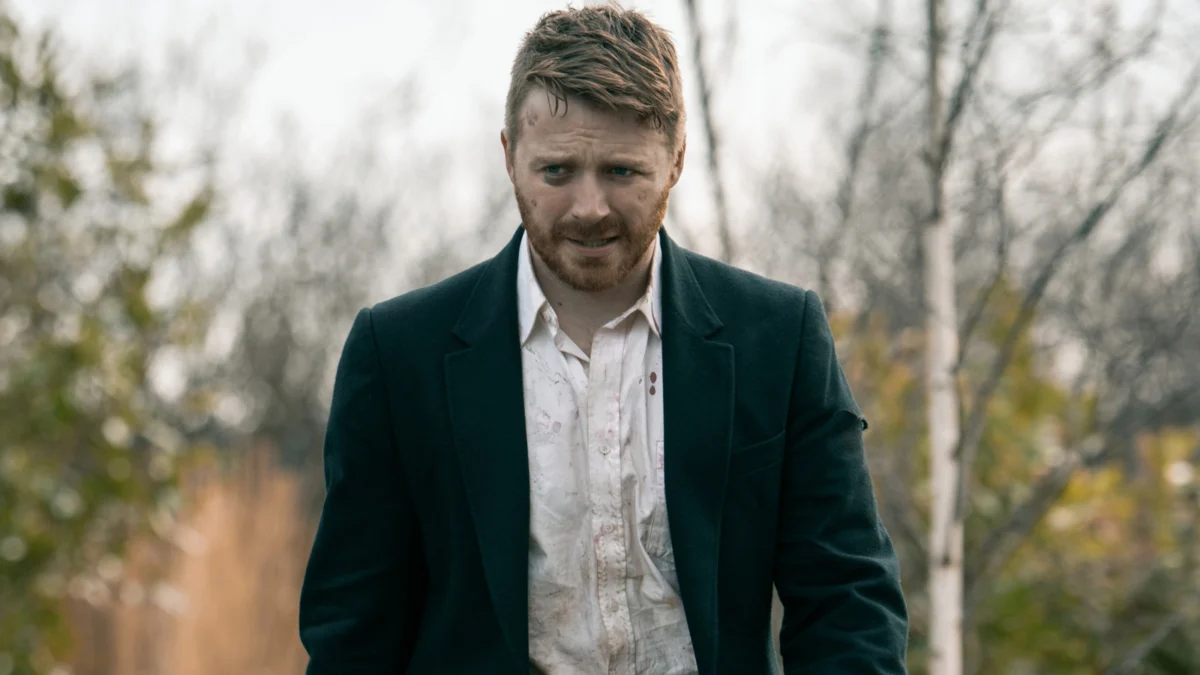
Yet, even by the standards of a series known for pulling the rug out from under its audience, the Season 6 finale delivered a jolt that left viewers reeling. In the closing moments of Episode 6, titled "Judgement Day," MI5 outcast River Cartwright (Jack Lowden) seemingly dodges the season’s mounting carnage. Believing he is about to reunite with Sid Baker (Olivia Cooke) at his grandfather’s countryside home for a long-awaited romantic resolution, River reaches out and touches a humble crowbar.
And then—the screen cuts to black.
For many viewers, the abrupt conclusion felt disorienting. There was no immediate post-credits reveal, no overt exposition, and no flashing neon sign pointing to what had just occurred. It was a calculated, high-wire act of storytelling that forced audiences to connect the dots themselves. Following the finale’s broadcast, newly minted head writer Gaby Chiappe—who took over the showrunner mantle for Season 6 from previous writer Will Smith—sat down for an exclusive interview to discuss the creative risks, the debate behind the editing bay, and why the production team ultimately decided to trust the intelligence of their audience.
Main Facts: The Anatomy of a Calculated Deception
The closing sequence of Season 6 rests on a subtle narrative breadcrumb trail planted episodes earlier. Throughout the season’s arc, Kyle Soller’s enigmatic and dangerous character, "Jim," leaves a deadly trap behind: a poisoned crowbar coated with a lethal nerve agent, echoing a similar trap involving a doorknob in Mick Herron’s corresponding novel, Slough House.
When River grabs the tool in his grandfather’s kitchen, he sets into motion a fatal sequence of events that the audience is left to piece together retroactively.
- The Creative Transition: Season 6 marks a major behind-the-scenes shift, with Gaby Chiappe stepping in as head writer and steering the adaptation of Herron’s source material.
- The Climax: The finale pivots from what feels like an imminent romantic resolution between River Cartwright and Sid Baker straight into a silent, devastating cliffhanger.
- The Clue: The poison originates from Jim’s earlier actions in the season, requiring viewers to mentally rewind and connect the visual cues without the benefit of a direct flashback.
- Audience Trust: Rather than spelling out the twist for passive viewers, the creative team deliberately opted for a sophisticated, restrained editing style directed by Adam Randall.
Chronology: How the Finale’s Twist Came Together
To understand how the Slow Horses team arrived at one of the most debated television cliffhangers of the year, it is necessary to look at the timeline of the season’s writing and production process.
1. Adapting Mick Herron’s Blueprint
When mapping out the sixth season, Chiappe and her writers’ room faced the challenge of translating Herron’s sixth novel, Slough House, to the screen. In the novel, the trap that catches River off-guard involves a poisoned doorknob. Adapting this for the screen required visual adjustments, leading the production team to swap the doorknob for a crowbar that Jim had interacted with earlier in the narrative arc.
2. The Editing Room Debate
As the production team assembled the final cut of Episode 6, directed by Adam Randall, a significant creative debate emerged: Should they include a flashback?
According to Chiappe, the writers heavily deliberated whether to insert a brief visual reminder—such as a flashback clip of Jim handling the poison earlier in the season—to help viewers immediately comprehend the gravity of River’s touch.
3. Choosing Restraint Over Hand-Holding
Ultimately, the creative team made the bold choice to eschew the safety net of exposition. They trusted that the visual framing, combined with the lingering memory of Jim’s plotlines, would be enough for attentive viewers to solve the puzzle on their own. The final cut preserved the ambiguity, letting the screen fade to black immediately upon River’s physical contact with the tool.
Supporting Data and Creative Insights
In her exclusive comments, Gaby Chiappe shed light on the meticulous calibration that went into executing the final scene without alerting the audience too early, while still ensuring the clues were present for those paying close attention.
"We talked about it, definitely talked about it a lot, and how to make it land kind of as it does in the novel, because that is the end of ‘Slough House.’ Again, the breadcrumb trail back to the Novichok, I guess, is laid very lightly," Chiappe explained.
The goal was to craft a moment of profound shock that would trigger an immediate cognitive double-take among viewers. Rather than spelling out the danger, the production relied on subtlety.
"So you’re so shocked by what you are reading anyway, and then you’re thinking, ‘Wait, how did that … oh no, no, I see. It’s the…’ — in the book, it’s a doorknob, but it’s the crowbar in [the show]. I think a lot of care went into that, and I think it’s kind of … [director] Adam [Randall] has calibrated that just right. So you do think, ‘Wait a minute, what’s happening?’ And then think, ‘Oh.’ Yeah, I think people will be going back to just double-check that that was what they think it was."
This philosophy reflects a rare confidence in modern television production. In an era where streaming platforms often cater to "second-screen" viewing—where audiences scroll through social media or check emails while shows play in the background—Slow Horses demands active engagement.
Official Responses and Industry Reception
The reaction to the Season 6 finale has underscored the unique relationship Slow Horses has built with its fanbase. Critics and dedicated viewers have praised the series for refusing to pander to lowest-common-denominator storytelling.
Industry analysts have pointed out that historical spy dramas often fall into the trap of over-explaining twists to satisfy casual viewers, sometimes diluting the tension of the narrative. By leaning into Mick Herron’s literary tradition of dark, understated irony, Chiappe’s team preserved the bleak, unpredictable nature of the espionage world.
Furthermore, the transition from Will Smith to Gaby Chiappe as head writer has been widely viewed as seamless. Maintaining the show’s razor-sharp dialogue, cynical humor, and relentless pacing while injecting a literary fidelity to the final moments of the season proves that the creative machinery behind Slough House remains operating at peak efficiency.
Implications for Season 7 and Beyond
As the dust settles on the explosive events of "Judgement Day," the implications of the Season 6 cliffhanger cast a long shadow over the future of the series.
1. The Fate of River Cartwright
While Jack Lowden’s River Cartwright has cheated death countless times across the series, stepping blindly into a nerve agent trap in a remote cabin sets up an extraordinarily precarious start for Season 7. Whether he can find an antidote in time—or what physical and psychological toll the exposure will take—will undoubtedly serve as a primary narrative engine when the show returns.
2. A Shift in Audience Expectations
By refusing to hold the audience’s hand, Slow Horses has set a high bar for viewer attentiveness. The finale’s success proves that prestige streaming audiences are eager for mysteries that require intellectual participation rather than passive consumption. Future seasons under Chiappe’s leadership are likely to continue challenging viewers with complex, layered storytelling that rewards close observation.
3. Sustaining the Adaptation Momentum
With multiple books left in Mick Herron’s catalog, the seamless transition of showrunning duties in Season 6 signals that Slow Horses can maintain its high-water mark of quality over a long multi-season arc. The confidence shown in the finale’s editing room is a testament to a creative team that intimately understands both its source material and its audience.
As fans eagerly await word on Season 7 production dates and premiere windows on Apple TV+, one thing is certain: nobody in Slough House is ever truly safe, and no detail should ever be taken for granted.
