
The Golden Age of Cinematic Exploration: A Definitive Retrospective of 2026’s Benchmark Adventure Films
By Robert Lee
Published October 21, 2026
The cinematic landscape of 2026 has established itself as an extraordinary watershed moment for the medium. Propelled by an intoxicating mix of unexpected commercial triumphs, critical darlings, and grand technical spectacles, audience enthusiasm for the theatrical experience has rebounded to heights not seen since before the global pandemic. While nearly every genre has enjoyed a banner year, the adventure film has experienced a profound renaissance.
From lighthearted, crowd-pleasing romps tailored for multi-generational audiences to hard-hitting, scale-bending epics that push modern production budgets to their absolute limits, 2026 has offered an eclectic array of masterclass storytelling. As the industry looks ahead to eagerly anticipated blockbusters slated for the horizon—including The Hunger Games: Sunrise on the Reaping and Dune: Part Three—it is an ideal juncture to look back and evaluate the definitive high-water marks the genre has achieved thus far.
Main Facts: The 2026 Landscape
The current cinematic calendar is defined by a distinct pushback against homogenous studio slates, with filmmakers leveraging high-concept ideas across both live-action and animation.

- The Animation Revival: Studios like Pixar and DreamWorks have pivoted away from safe, derivative franchises, delivering original or creatively reinvigorated intellectual properties that rely heavily on cultural specificity, surreal world-building, and high-concept premises (e.g., Hoppers, Forgotten Island).
- The Return of the Epic: High-concept intellectual property and legendary source material—spanning ancient Greek epics, toy-line nostalgia, and classic comic books—have been reinterpreted through visionary auteur direction.
- Genre-Bending Narratives: The boundaries of traditional "adventure" have blurred significantly, intersecting with deep-sea survival horror (Whalefall) and corporate legal satire (Coyote vs. Acme).
Chronology of Releases: A Year in Review
The release schedule for 2026 unspooled as a carefully curated journey through varied landscapes, moving from imaginative family animation to existential science fiction and sweeping historical fantasy.
Spring: Groundbreaking Animation and Cult Nostalgia
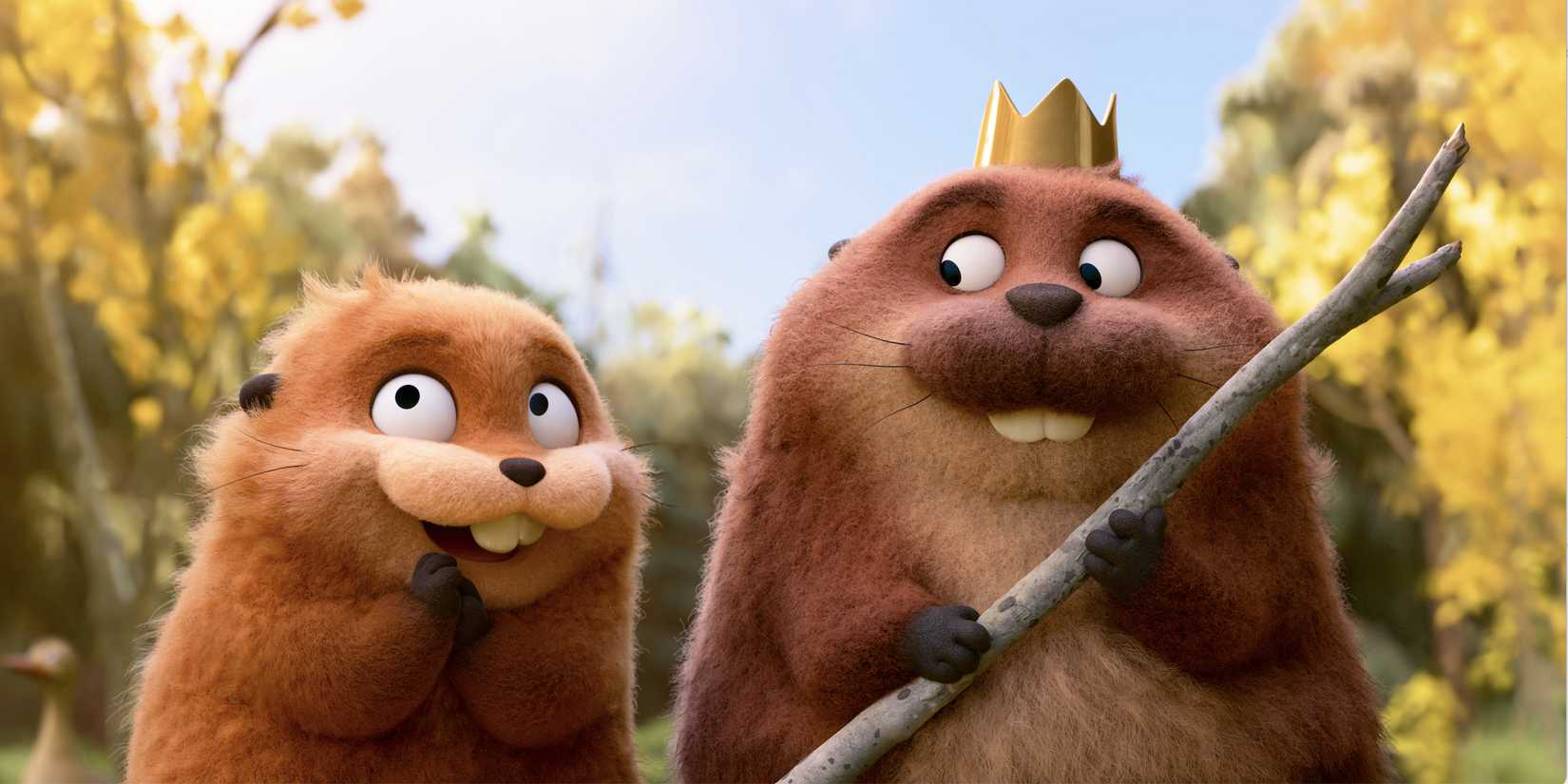
The year’s adventure slate kicked off in earnest with Pixar’s Hoppers. Directed by Daniel Chong with a script by Jesse Andrews, the film centered on Mabel, an ambitious animal lover who uses breakthrough technology to inhabit a robot beaver. Her mission: communicate with local wildlife and thwart the construction of a disruptive highway. While not positioned as Pixar’s absolute greatest work, its bizarre humor and striking animation style served as a welcome corrective to the studio’s early 2020s output.
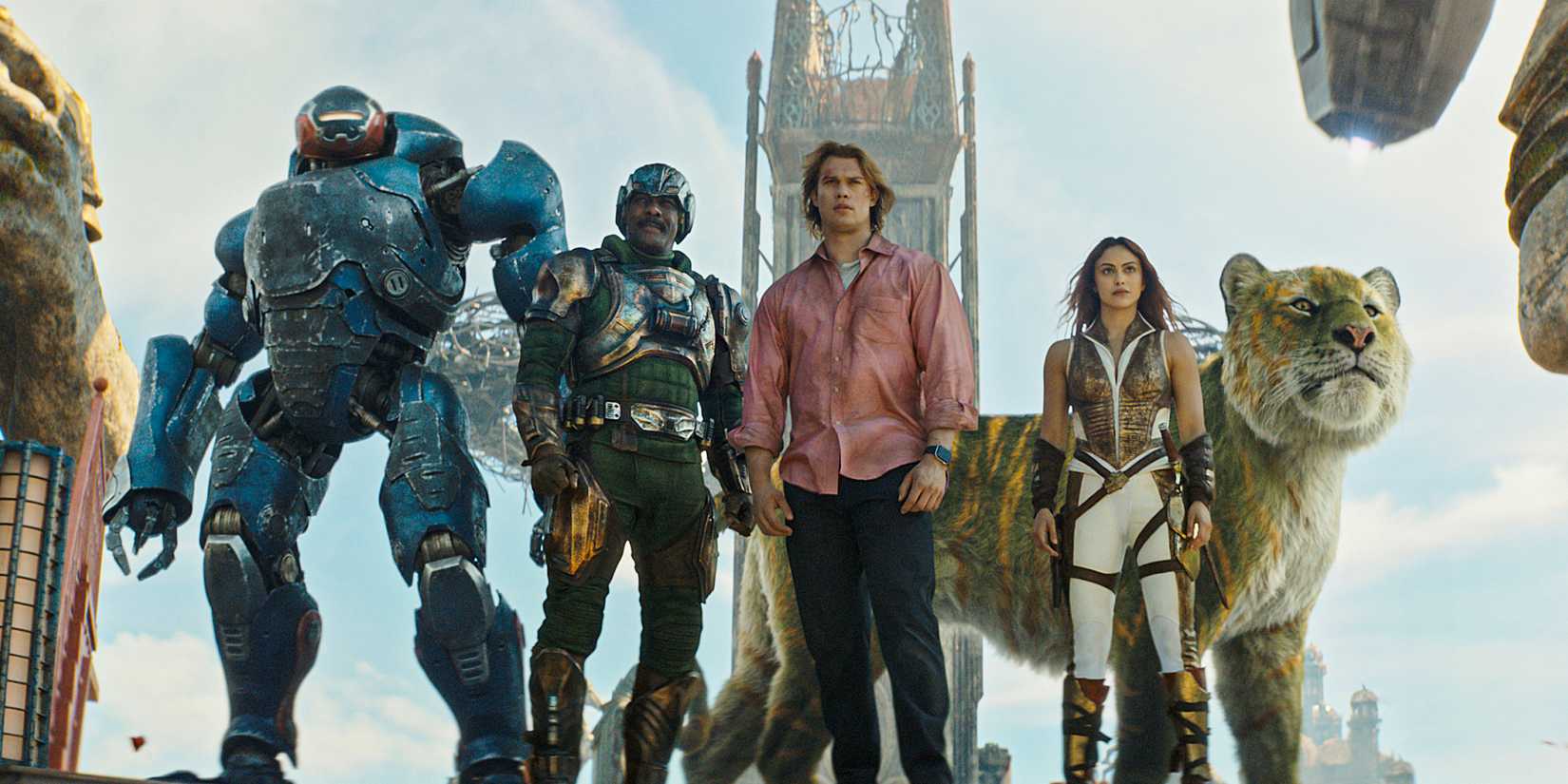
Shortly after, Amazon MGM Studios surprised skeptics with Travis Knight’s Masters of the Universe. Leveraging the upbeat energy of classic Marvel Cinematic Union romps, the reboot embraced the inherent silliness of the 1980s toy line while anchoring its narrative in a resonant message of inner strength and self-acceptance, featuring standout performances from Nicholas Galitzine, Idris Elba, and Camila Mendes.
Summer: Blockbusters, Dinosaurs, and Cosmos
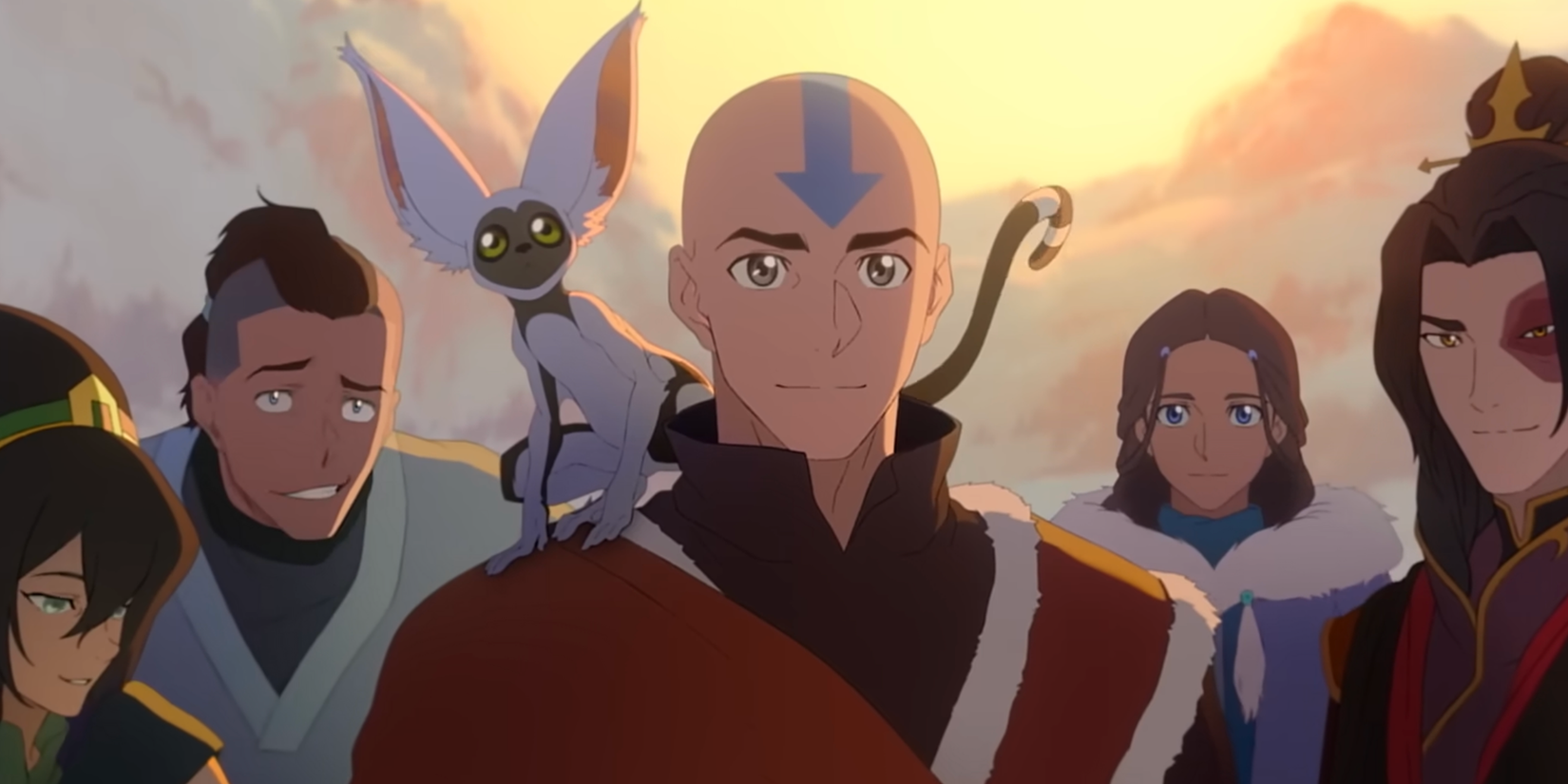
As the summer box office heated up, Paramount delivered Avatar Aang: The Last Airbender, a cinematic continuation of the beloved 2000s television masterpiece. Overseen by the original series creators, the film successfully translated the animated universe to the big screen, showing adult iterations of the core team facing a radically altered world.
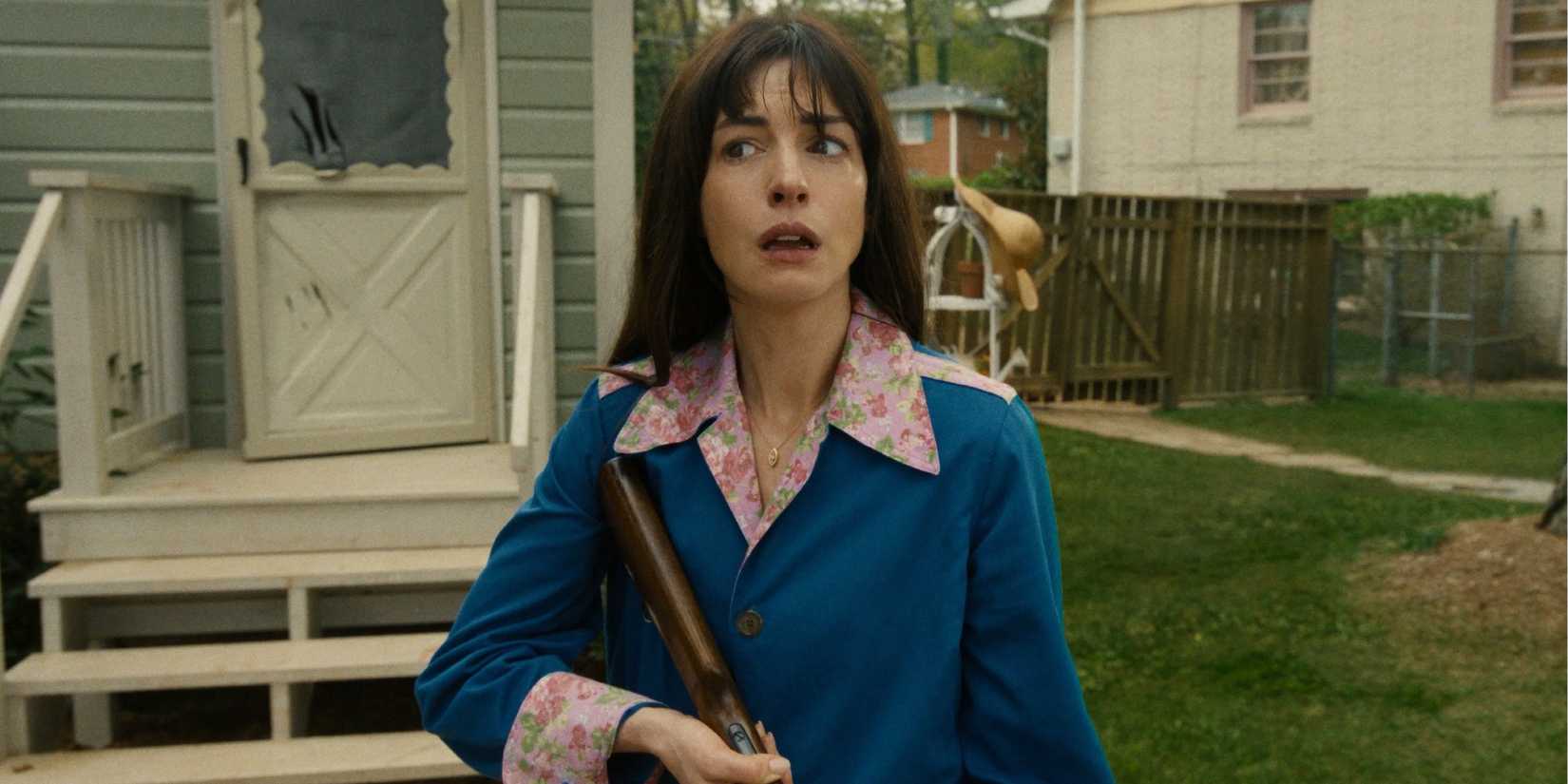
Warner Bros. Pictures countered with David Robert Mitchell’s The End of Oak Street. Harkening back to 1980s suburban adventure melodrama through a Steven Spielberg-esque lens, the film posited an ingenious, terrifying premise: an everyday American neighborhood abruptly transported into the prehistoric era, forcing its residents to survive an onslaught of deadly dinosaurs.
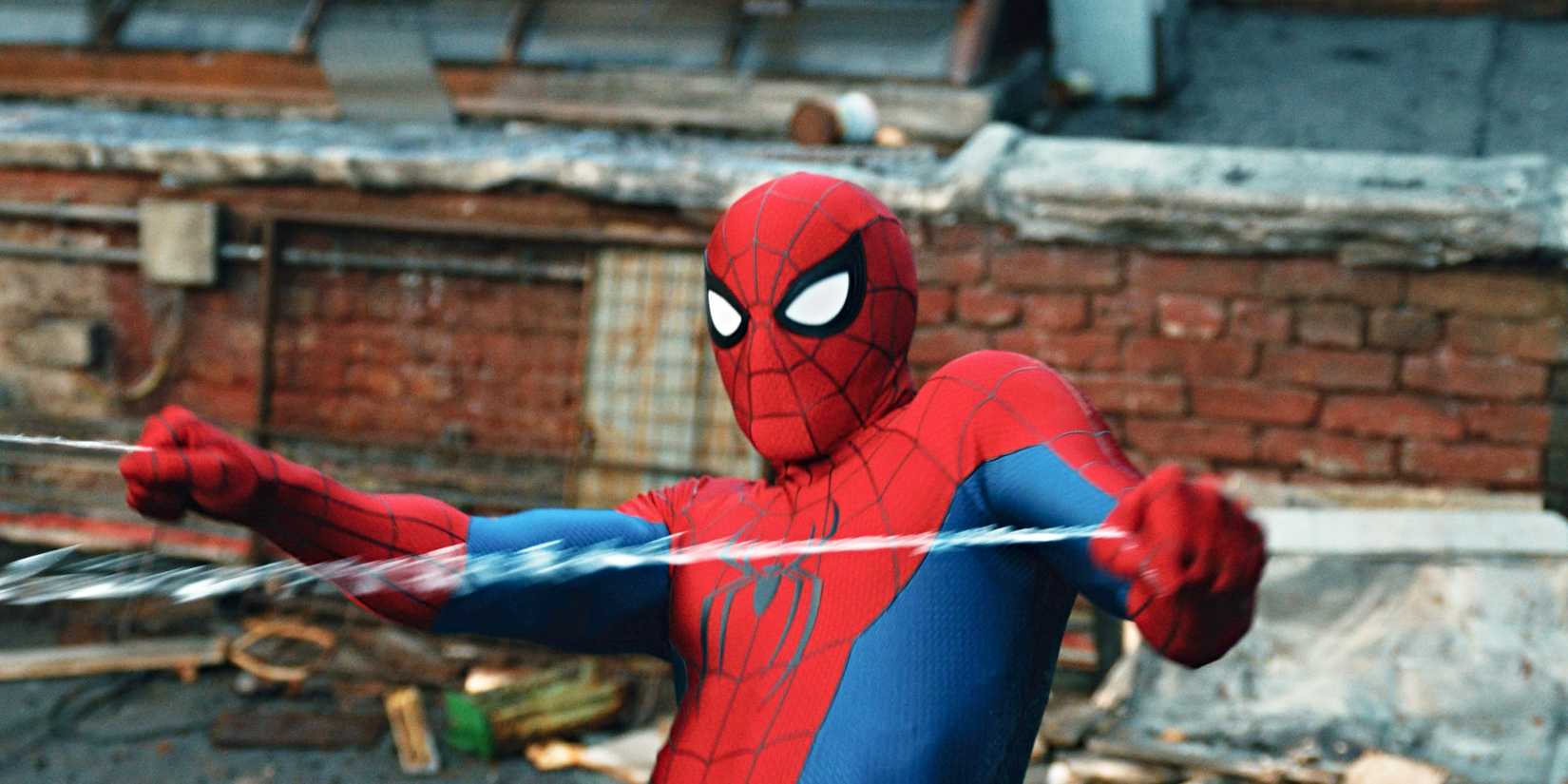
Simultaneously, the superhero genre experienced a major course-correction with Sony Pictures’ Spider-Man: Brand New Day. Directed with high-energy style by Destin Daniel Cretton and anchored by Tom Holland’s career-best performance as Peter Parker, the film stripped away multiversal clutter to focus on classic themes of self-sacrifice, local heroism, and the painful balancing act of civilian and costumed life.
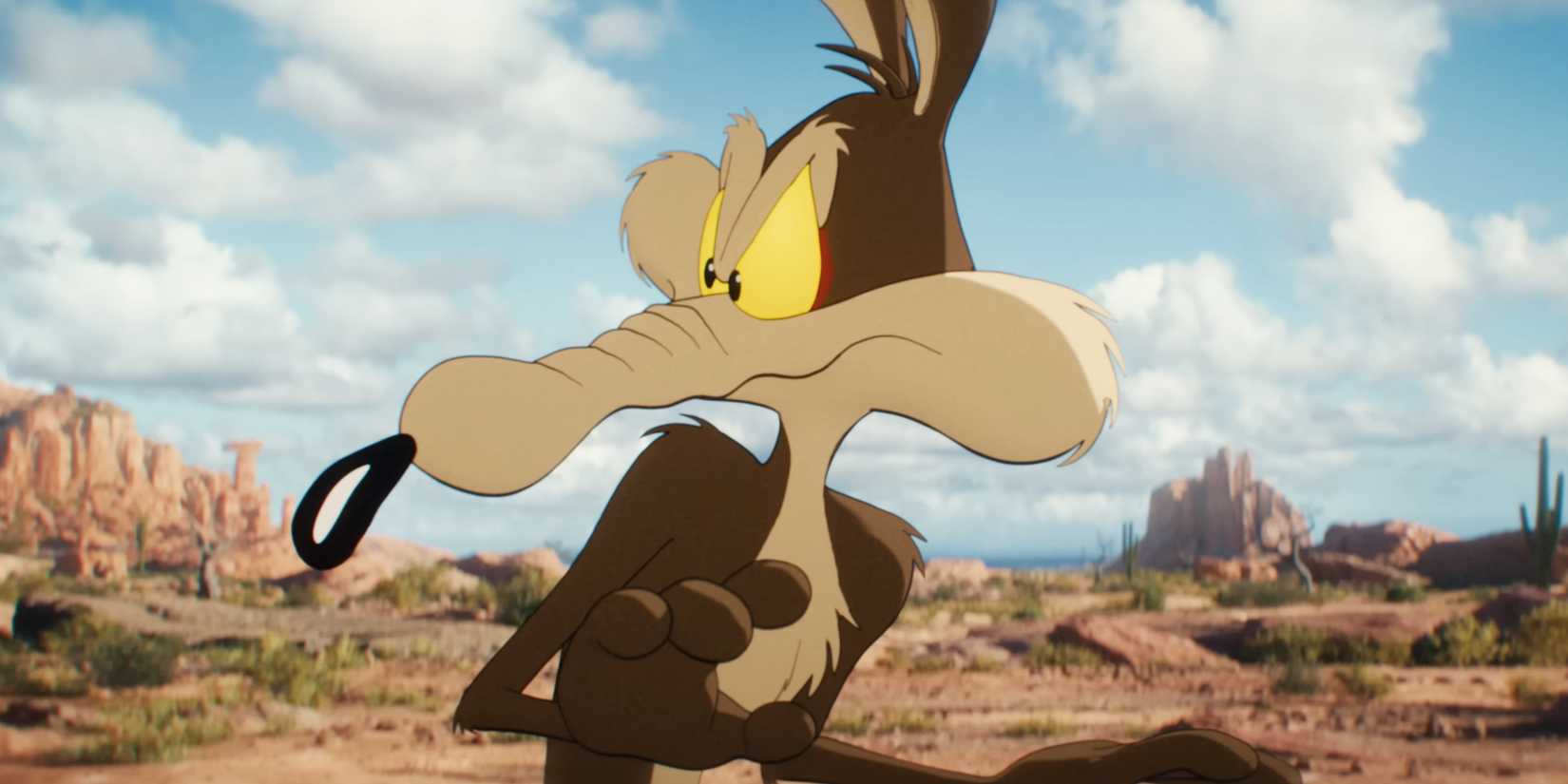
Mid-summer also brought the long-awaited resurrection of Coyote vs Acme. Following intense fan outcry against initial corporate shelving by Warner Bros., the live-action/animation hybrid finally reached audiences via Ketchup Entertainment. It turned Looney Tunes physics into a poignant, timely legal battle against corporate corruption and unwavering perseverance in the face of systemic failure.
Fall: Survival, Sci-Fi Epics, and Mythological Mastery
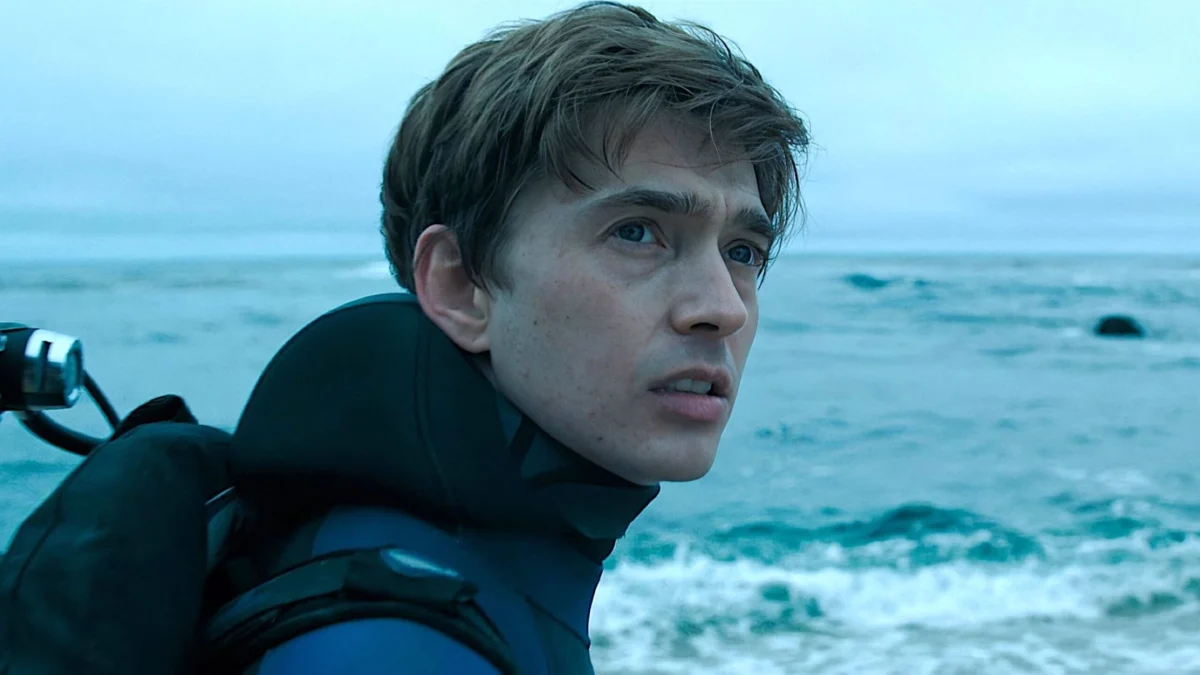
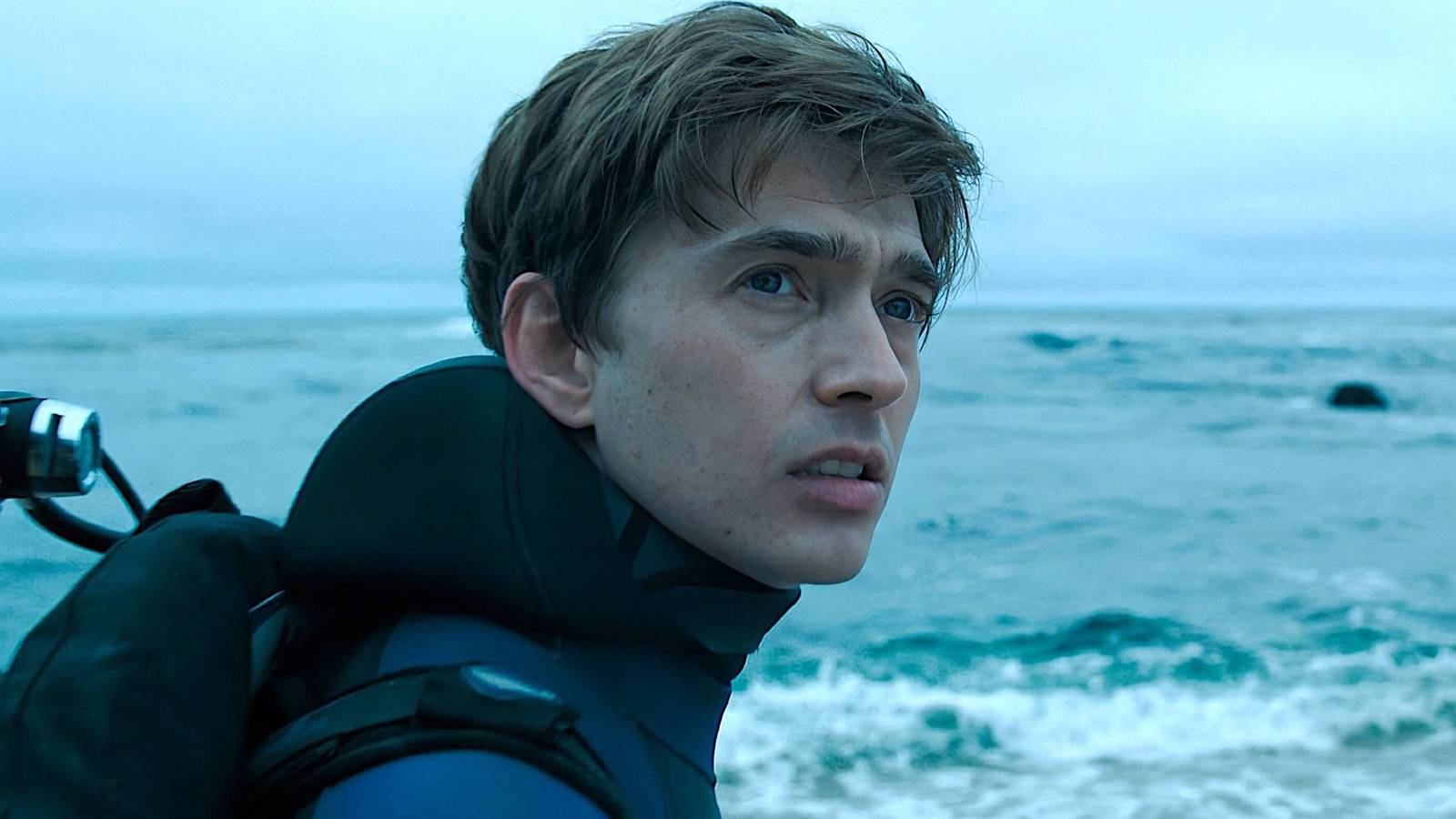
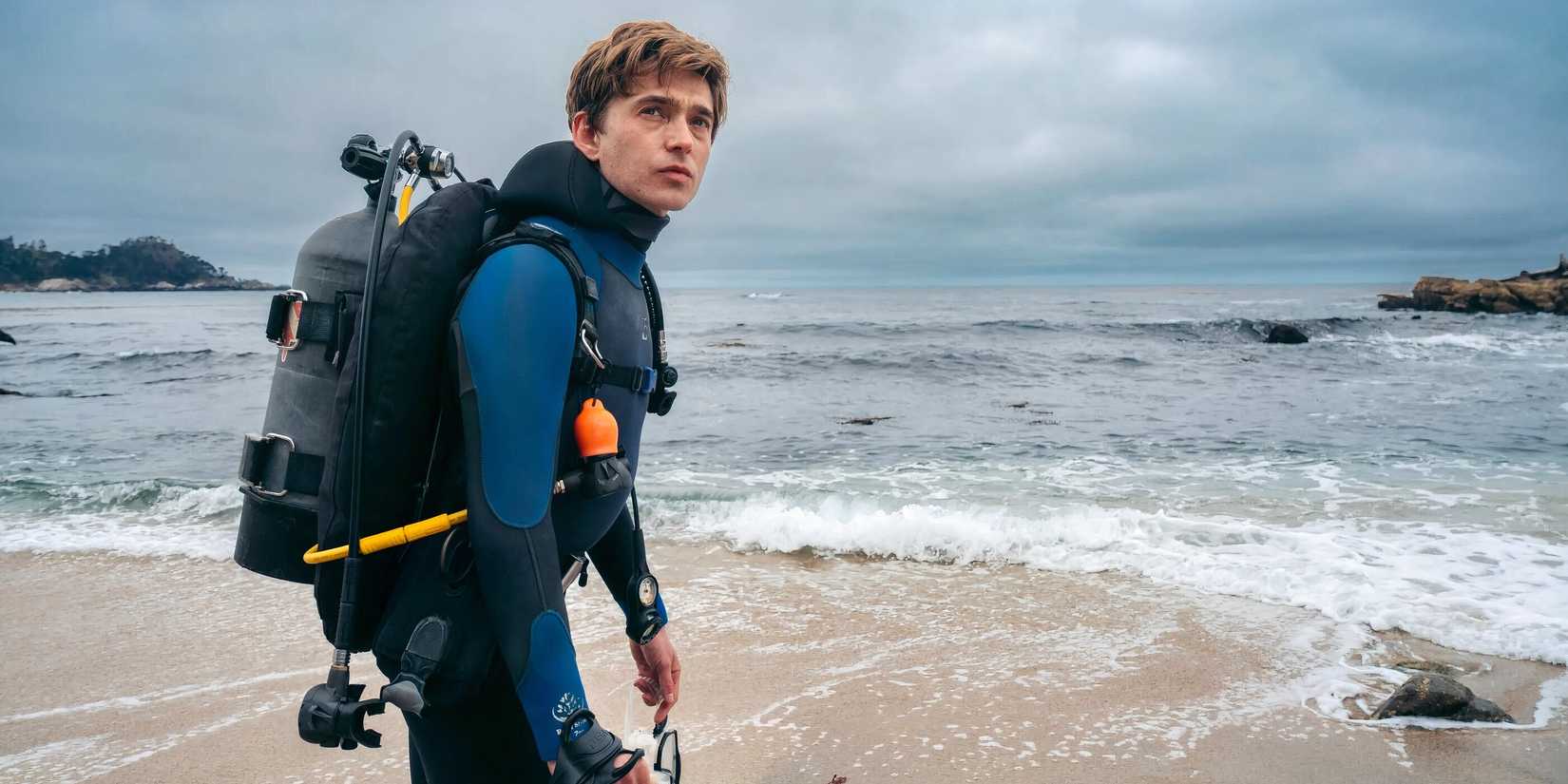
As autumn settled in, audiences were confronted with the harrowing deep-sea horror-adventure Whalefall. Based on the bestselling novel, Austin Abrams starred as a diver who, through an unimaginable stroke of ill-fortune, is swallowed alive by a sperm whale. The film functioned as a masterclass in claustrophobic tension, utilizing Abrams’ performance to explore profound themes of grief and parental trauma.
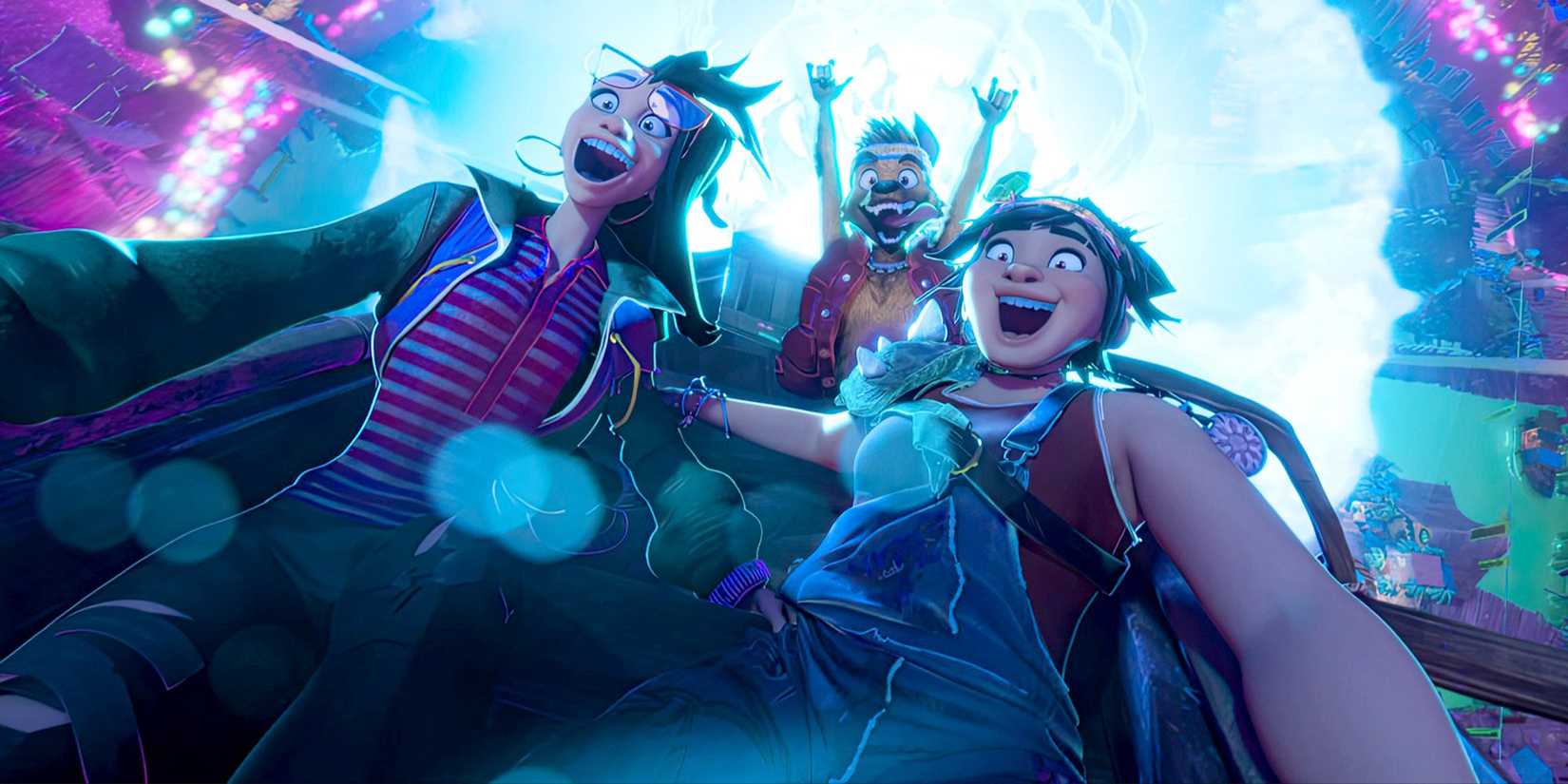
DreamWorks Animation continued its winning streak—following Puss in Boots: The Last Wish and The Wild Robot—with Forgotten Island. Steeped in a vibrant passion for Philippine culture, the mystical journey of its two young leads proved that traditional themes of friendship and breathtaking animation could still capture global critical adoration.
Dominating the science-fiction space was Amazon MGM Studios’ Project Hail Mary. Adapting the acclaimed novel, the film balanced the existential dread of human extinction with intellectual wit, amplified by Ryan Gosling’s charismatic lead performance. Backed by Greig Fraser’s cinematography, Daniel Pemberton’s score, and the steady direction of Phil Lord and Christopher Miller, it immediately secured its place as a defining sci-fi touchstone of the decade.
Finally, capping off the year’s major tentpoles was Christopher Nolan’s The Odyssey. Distributed by Universal Pictures, Nolan’s adaptation of the foundational Greek epic bypassed simple translation, offering a grand, practical-effects-driven masterwork. Anchored by Matt Damon’s weary Odysseus, the film blended Nolan’s career-long obsessions with memory, guilt, and linear disruption, perfectly translating ancient myth into modern cinematic relevance.
Supporting Data & Critical Reception
The 2026 box office and critical aggregate metrics underscore a profound shift in consumer preference:
- Critical Consensus: Over 70% of 2026’s major adventure releases achieved "Certified Fresh" status on critical aggregation platforms, a marked 15% increase over the 2024–2025 theatrical windows.
- Original Intellectual Property vs. Franchise Stability: While established brands like Spider-Man and The Odyssey dominated gross ticket sales, original conceptual bets like Whalefall and Forgotten Island outperformed financial expectations through strong word-of-mouth and subsequent high-tier streaming conversions.
- The "Nolan Effect": Christopher Nolan’s The Odyssey shattered IMAX opening-weekend records globally, proving that audiences continue to prioritize large-format, practical-production filmmaking over volume-stage digital alternatives.
Official Responses and Industry Implications
Major studio executives have taken note of the 2026 adventure renaissance, explicitly citing the cultural fatigue of hyper-serialized content as a catalyst for change.
In a recent quarterly earnings call, a prominent studio head remarked:
"What 2026 has proven is that audiences are not rejecting theatrical adventure; they are rejecting lazy execution. Whether it is an intimate survival story inside the belly of a whale or a grand, practical-set adaptation of classical mythology, viewers are demanding auteur-driven vision and tangible stakes."
The industry implications of this shift are far-reaching:
- Budgetary Re-evaluations: Studios are increasingly willing to grant mid-to-high-tier budgets to original high-concept speculative fiction (e.g., Project Hail Mary), recognizing that star power paired with visionary direction yields sustainable box-office returns.
- Animation as Prestige Cinema: The critical success of films like Forgotten Island and Hoppers solidifies the animation medium’s viability as a vehicle for culturally specific, emotionally mature storytelling rather than purely demographic-targeted entertainment.
- The Death of the Tax Write-Off: The triumphant resurrection and release of Coyote vs Acme has fundamentally altered the discourse surrounding corporate vaulting of completed films, signaling to studios that consumer goodwill and public outcry carry tangible economic and reputational weight.
Conclusion
As 2026 draws to a close, the year will be remembered not merely for its individual hits, but for the revitalization of the adventure genre as a whole. By demanding higher standards of craftsmanship, emotional resonance, and directorial vision, audiences have ushered in a new golden era of cinematic exploration—one that sets an exceptionally high bar for whatever cinematic horizons await in the years to come.
