
Green Ambitions: Inside the Development of HBO’s New Poison Ivy Series
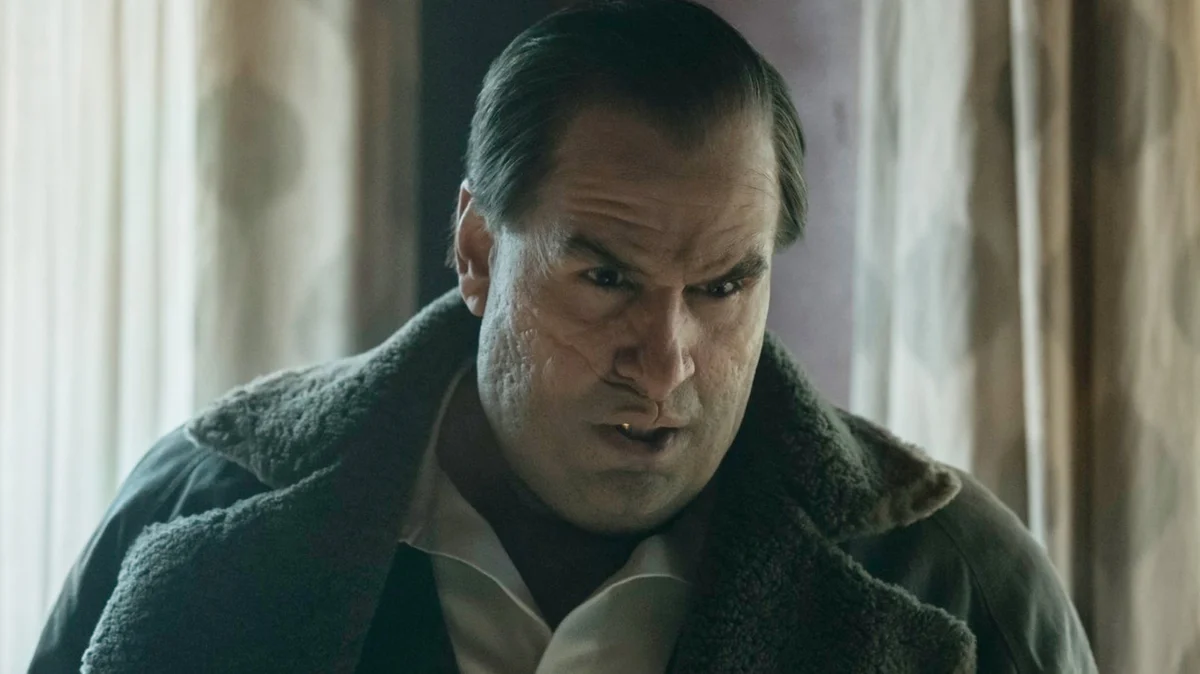
The landscape of the DC Universe is undergoing a period of profound architectural transition. As Warner Bros. Discovery navigates the complexities of a potential merger with Skydance Paramount and James Gunn’s ambitious DC Universe (DCU) roadmap begins to take tangible shape, the studio is signaling a bold pivot toward character-driven, villain-centric storytelling. Following the runaway success of HBO’s The Penguin—which proved that audiences are hungry for deep-dives into the fractured psyches of Gotham’s underworld—reports have surfaced that a new project centering on the iconic botanical eco-terrorist, Poison Ivy, is in the earliest stages of development.
While the project is currently shrouded in the standard secrecy of early-development Hollywood, industry insiders have confirmed that Lauren LeFranc, the visionary showrunner behind the critical and commercial hit The Penguin, is in active talks to board the series in a producing capacity. This potential collaboration marks a strategic attempt by HBO to replicate the gritty, prestige-television aesthetic that defined The Penguin, albeit within the broader, interconnected framework of James Gunn’s evolving DCU.
The Strategic Shift: Moving Beyond the "Bat-Verse"
For years, the portrayal of DC’s most famous rogues was inextricably linked to the caped crusader himself. Whether through the lens of Tim Burton, Christopher Nolan, or Matt Reeves, the villains were inevitably defined by their relationship to Bruce Wayne. However, the current iteration of the DC franchise is signaling a departure from this trope.
Crucially, sources close to the production have clarified that this Poison Ivy project will not be set in the self-contained "Elseworlds" universe established by Matt Reeves in The Batman. Instead, the series is being developed as a core pillar of James Gunn’s unified DCU. This means that while it will feature a fresh, live-action interpretation of Pamela Isley, it will exist in the same continuity as the upcoming Superman film, Peacemaker, and the much-discussed Clayface project.
By detaching the character from a specific Batman iteration, HBO gains the freedom to explore Poison Ivy—or Dr. Pamela Isley—not as a secondary antagonist, but as a protagonist. This reflects a growing trend in modern media: the "anti-villain" arc, where the boundaries between hero and monster are blurred to explore complex themes of environmentalism, corporate corruption, and radicalization.
Chronology of Development: From Penguin to Poison
The trajectory of this announcement follows a distinct internal logic within Warner Bros. Discovery:
- Q3/Q4 2024: The massive success of The Penguin provides proof of concept. The series demonstrates that a limited-series format focusing on a secondary comic book character can yield high ratings and critical acclaim.
- Early 2025: Discussions begin regarding the expansion of the "villain-centric" brand. With Clayface already slated for production, executives look for a female-led counterpart to balance the roster.
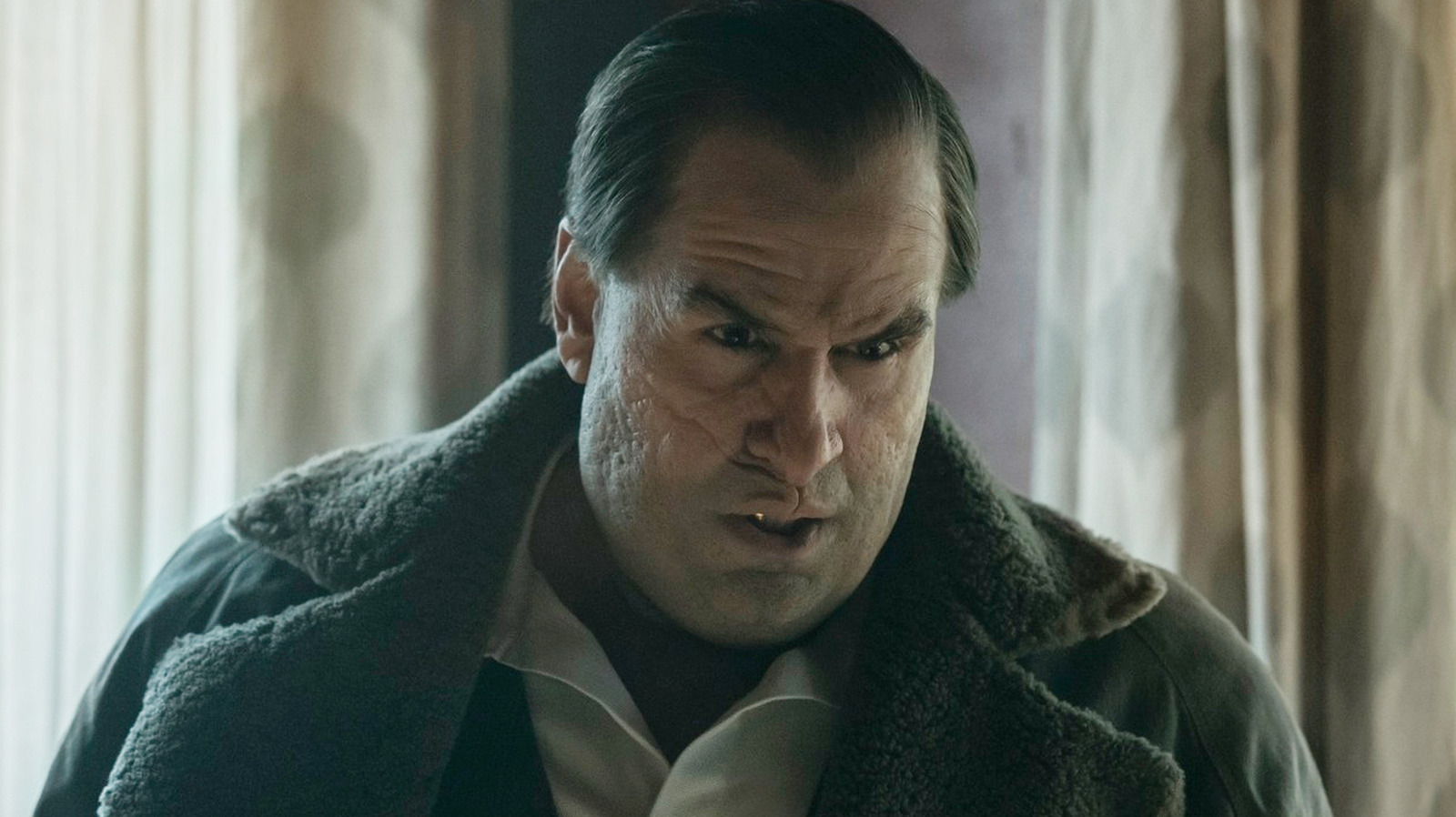
- Late 2025: Negotiations open with Lauren LeFranc. Given her success in grounding Oz Cobb’s rise to power in a realistic, neo-noir setting, her involvement is seen as the "gold standard" for bringing a similar tone to the Poison Ivy project.
- Present Day: The project is in the "talks" phase. There is no official writer’s room, no showrunner, and no casting information. The studio is currently testing the waters of public reception while simultaneously navigating the internal restructuring brought on by the Skydance merger talks.
The Creative Void: What Is the Vision?
The primary question facing fans is the tonal direction of the show. In the comic books, Poison Ivy has vacillated between a homicidal eco-terrorist and a misunderstood anti-hero fighting for the survival of the planet.
The Influence of G. Willow Wilson
Industry analysts point toward the acclaimed G. Willow Wilson run of Poison Ivy as a potential blueprint. In this narrative arc, Pamela Isley moves away from simple bank heists and kidnapping schemes, instead running for political office to enact systemic change from within Gotham’s power structure. This approach offers a sophisticated political thriller angle that mirrors the bureaucratic warfare seen in other prestige dramas.
Horror vs. Mainstream Accessibility
Conversely, there is the Absolute Batman influence. Recent comic runs have leaned into the "body horror" aspects of Ivy’s plant-based mutations. While this would offer a unique visual language, it may clash with the "mainstream" accessibility required by the DCU’s broader theatrical slate. The challenge for the future creative team will be balancing the visceral, biological horror of the character with the character study intimacy that made The Penguin a hit.
Supporting Data: Why Poison Ivy?
The decision to elevate Poison Ivy to a headline act is supported by strong market indicators. Despite her decades-long history, the character has rarely been given the spotlight in live-action outside of the campy 1997 Batman & Robin. In the era of streaming, where fans are clamoring for complex female leads, Ivy represents a "prestige" character with:
- High Cultural Recognition: She is one of the most recognizable figures in the Batman rogue’s gallery.
- Thematic Versatility: She can easily transition between crime drama, psychological thriller, and science fiction.
- Untapped Potential: Unlike The Joker or Two-Face, who have been portrayed numerous times on screen, the "definitive" live-action Poison Ivy remains an open slate for a modern actress to define.
Implications for the DCU and HBO
The involvement of Lauren LeFranc, even as a producer, signals that HBO intends to maintain a high bar for writing. LeFranc’s ability to weave character-driven dialogue into a violent, high-stakes environment is exactly the tone required for a character like Ivy.
However, the project faces significant hurdles. The first is the "merger uncertainty." As Warner Bros. Discovery discusses a future with Skydance, large-budget projects are often scrutinized for ROI. If the project is greenlit, it must justify its budget not just through brand recognition, but through the ability to pull in subscribers who may not be traditional "superhero fans."
Furthermore, the lack of a defined Batman in the DCU creates a unique narrative challenge. If Batman is the primary foil for Ivy in the comics, how does she function in a world where the Dark Knight is either missing, dead, or yet to be established? This could force the writers to reinvent her origin, perhaps pitting her against other entities within the DCU—such as the corporate interests of LexCorp or the supernatural threats inherent in the Lanterns corner of the universe.
Conclusion: A New Root System
As we stand on the precipice of this new development, it is clear that the DC Universe is no longer interested in the linear "Hero vs. Villain" dichotomy. By focusing on the internal lives of characters like Oz Cobb and potentially Pamela Isley, HBO is building a tapestry of stories that feel more like The Sopranos than a standard Saturday morning cartoon.
While we remain in the early stages, the "Poison Ivy" project represents a significant shift in how comic book properties are handled. It is a gamble on the strength of the character’s legacy and the audience’s appetite for mature, morally gray narratives. Whether this show eventually takes root or withers in the development stage, the intent is clear: DC is looking to grow its future from the seeds of its most complex villains. Fans and critics alike will be watching closely to see who takes the mantle of the green-thumbed icon, and more importantly, how they intend to turn Gotham upside down.
