
The Resurrection of a Legend: Tupac Shakur Biopic Finds New Life with Emmett Furla Oasis
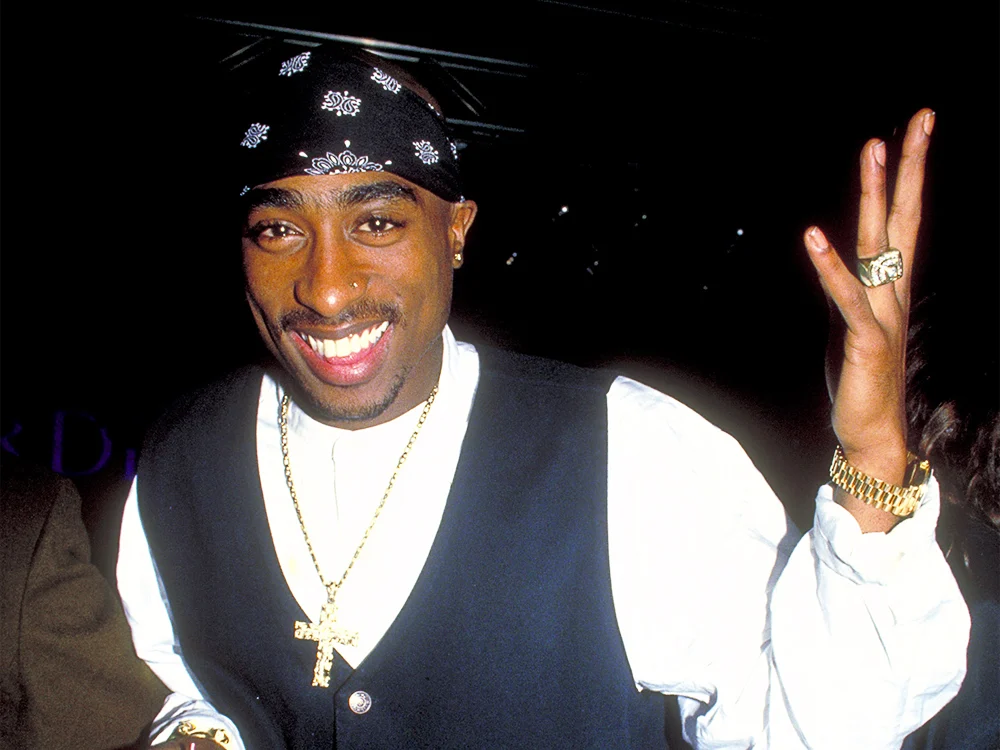
After years of development purgatory and shifting production timelines, the long-awaited biopic detailing the tumultuous and meteoric life of hip-hop icon Tupac Shakur has finally found a path forward. In a major industry development, Emmett Furla Oasis (EFO) Films has officially climbed aboard to co-finance and co-produce the project alongside Morgan Creek Productions, injecting fresh capital and logistical momentum into a film that many fans had begun to fear would never see the light of day.
The partnership represents a significant turning point for a production that has been mired in uncertainty since its initial announcement. With a renewed commitment to bringing the story of the “Dear Mama” rapper to the big screen, producers are now targeting a production start date in early February, signaling that the project is shifting from the planning stage to active development.
The Narrative Scope: A Life of Contradictions
Tupac Shakur remains one of the most enigmatic and influential figures in modern music history. Since his tragic death in 1996 from gunshot wounds in Las Vegas, his legacy has only grown, with over 75 million albums sold worldwide. The proposed film aims to capture the full spectrum of his existence—a life defined by extreme highs and devastating lows.

According to preliminary script drafts, the narrative is expected to follow a non-linear trajectory, chronicling his rise from a politically conscious youth to a global hip-hop superstar and acclaimed actor. Central to the film’s narrative arc will be the complex intersection of his personal growth and his public controversies, including his highly publicized imprisonment on sexual assault charges and his pivotal role in the infamous East Coast-West Coast rap war that dominated the mid-1990s.
The inclusion of Shakur’s mother, Afeni Shakur, as a producer provides an essential layer of authenticity to the project. Having long been a guardian of her son’s estate and legacy, her involvement ensures that the portrayal of Tupac’s life will be handled with the gravity and respect required for such a polarizing and deeply human story.
A Chronology of Stagnation and Progress
The road to this production has been anything but linear. Morgan Creek Productions first signaled its intention to bring the rapper’s life to the screen as far back as 2011. At that time, the project generated significant buzz, including an ambitious open-casting call that allowed aspiring actors to submit audition tapes online, performing scenes from the script and rapping their favorite Tupac tracks.

Despite this early enthusiasm, the project failed to secure the necessary backing to move into principal photography. For several years, the "Tupac movie" became a cautionary tale in Hollywood—a high-profile project that suffered from the "development hell" syndrome, where creative ambition outpaced financial viability.
The entry of Emmett Furla Oasis changes this dynamic entirely. Headed by the producing duo of Randall Emmett and George Furla, the firm has recently undergone a strategic rebranding to reflect a massive influx of capital from the Dubai-based Oasis Ventures Entertainment. With a proven track record of backing high-octane, commercially viable projects such as 2 Guns and Escape Plan, the EFO team brings both the liquidity and the industry connections necessary to shepherd a complex biopic through production. Their recent partnership with the Belgian financier Corsan NV—a deal that secured $125 million for a slate of upcoming films—further solidifies the financial foundation upon which this Tupac project now rests.
The Creative Team: Crafting the Script
Perhaps the most critical element of the project’s revival is the screenplay. The writing team of Eddie Gonzalez and Jeremy Haft has been tasked with penning a fresh iteration of the script. The duo faces the Herculean task of condensing a life as dense and multifaceted as Shakur’s into a cohesive feature-length narrative.

By securing the rights to Shakur’s expansive music catalog, the production team has cleared one of the most significant hurdles that often plague music biopics. Without the music, the story of Tupac would be hollow; with it, the film has the potential to be a sonic and visual journey that captures the raw, unfiltered energy of the 1990s hip-hop movement. The script is expected to move beyond the surface-level tabloid headlines, delving instead into the philosophical, poetic, and sometimes volatile nature of the man behind the persona.
Financial Implications and Industry Context
The involvement of EFO Films is not just a win for the production; it is a strategic move that highlights the shifting tides of independent film financing. In an era where mid-budget dramas often struggle to find traditional studio backing, the model of co-production and international financing—exemplified by EFO’s recent deals with Dubai and Belgian investors—is becoming the new standard.
By spreading the risk across multiple entities, the producers have created a safety net that allows for a more ambitious production scale. This is vital for a period piece like the Tupac biopic, which will require significant expenditures on era-specific set design, costuming, and the licensing of archival footage to realistically portray the 1990s rap scene.

For Morgan Creek, this deal is a vindication of their long-term persistence. Having held the rights and developed the project through several cycles of industry contraction, their refusal to let the project dissolve has finally paid off.
The Weight of Expectation
As the February production window approaches, the pressure on the creative team will only intensify. The legacy of Tupac Shakur is fiercely protected by a global fanbase that demands nothing less than perfection. Critics and supporters alike are watching to see if the film will lean into the sensationalist aspects of his life or offer a more nuanced, intimate portrayal of his internal struggles.
The film serves as a litmus test for the "hip-hop biopic" genre. Following the massive success of other music-focused biographical films, the industry is eager to see if a story as culturally significant as Tupac’s can translate to a global audience. The producers have already indicated that the film will not shy away from the darker chapters of his life, promising a transparent look at the systemic pressures and personal choices that defined his final years.

Conclusion: A New Chapter
The resurgence of the Tupac Shakur biopic serves as a reminder that in Hollywood, no project is truly dead as long as there is a compelling story to tell and the capital to support it. With the backing of Emmett Furla Oasis, the guidance of Afeni Shakur, and a revamped script, the project finally appears to have the momentum required to cross the finish line.
As casting news begins to emerge and the production team finalizes their logistical plans for the February shoot, the anticipation surrounding the film will likely reach a fever pitch. For the millions of fans who have waited over a decade for an honest, cinematic exploration of one of music’s greatest icons, the wait finally seems to be coming to an end. The resurrection of this project is more than just a business deal; it is the potential beginning of a definitive cinematic tribute to a life that continues to resonate, challenge, and inspire decades after it was cut short.
