
The Fatal Oversight: Decoding the Chilling Cliffhanger of Slow Horses Season 6
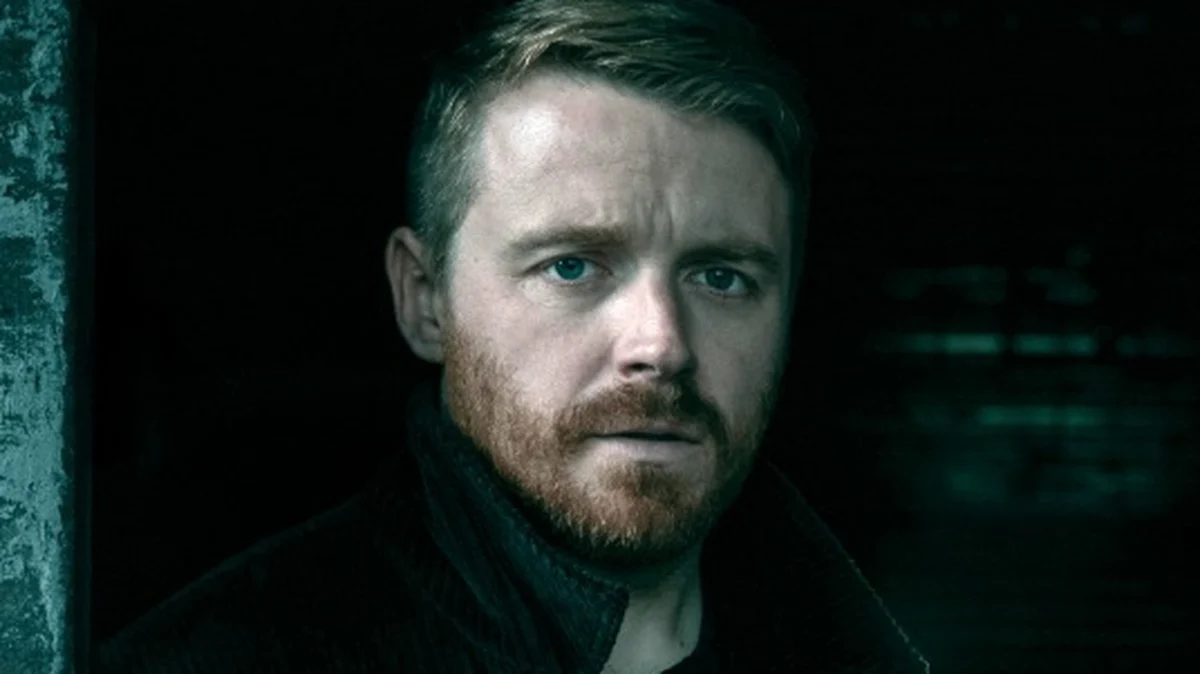
The landscape of modern espionage television is crowded, but few series have mastered the art of the slow-burn catastrophe quite like Apple TV+’s Slow Horses. Known for its acerbic wit, cynical view of intelligence bureaucracy, and brutal, unvarnished violence, the show has consistently subverted the tropes of the spy thriller. However, the conclusion of Season 6, Episode 6, titled "Judgement Day," has left audiences reeling, delivering a cliffhanger that feels less like a standard television hook and more like a final, devastating act of sabotage from beyond the grave.
For those who have followed River Cartwright (Jack Lowden) through his tumultuous tenure at Slough House, the Season 6 finale was intended to be a moment of respite. Instead, it served as a masterclass in narrative payoff, proving that in the world of Jackson Lamb, even the smallest, most easily forgotten detail can be a death sentence.
The Illusion of Safety: A Summary of the Finale’s Climax
After surviving a harrowing gauntlet involving Russian deep-cover operatives and a complicated, emotionally fraught reunion with his mercenary father (played by Hugo Weaving), River Cartwright finally finds a semblance of peace. The narrative arc of the season suggested that River and his ally-turned-romantic interest, Sidonie "Sid" Baker (Olivia Cooke), had successfully outmaneuvered their pursuers.
Sid, who famously "resurrected" after her apparent death in the series premiere, makes her way to the ancestral home of River’s late grandfather, David Cartwright. She leaves a light on—a poignant, domestic gesture that harkens back to earlier, warmer exchanges between the two. When River arrives, the atmosphere is deliberately domestic. He prepares tea, pivots to wine, and lights a candle, signaling his desire to shed the skin of the spy and embrace a moment of genuine human connection.
The tragedy strikes with agonizing slowness. As River attempts to open a bottle of wine, he is suddenly overcome by physical collapse. His breath hitches, he gasps for air, his body betrays him, and he falls to the floor, unable to call out to Sid, who remains blissfully unaware upstairs. The screen fades to black as River’s foot spasms, leaving his fate—and the trajectory of the series—hanging in a precarious, lethal balance.
The Long Game: A Chronology of the Poisoning
To understand the mechanics of the finale, one must look back to the third episode of the season, titled "Resurrection." At the time, the incident seemed like a minor beat in a frantic, high-octane narrative.
In "Resurrection," as River digs into the truth of Sid’s survival, two Russian assassins—identified in the credits as "Jim" (Kyle Soller) and "Jane" (MyAnna Buring)—infiltrate the Cartwright estate. While the primary action follows Jane as she pursues River and Sid, Jim remains behind in the kitchen.
Viewers were treated to a chillingly professional display of tradecraft: Jim produces a duffel bag, extracts a box labeled "sore throat spray," and meticulously lays out equipment, including heavy-duty rubber gloves. He surveys the kitchen, his gaze lingering on a crowbar that River had previously left on the counter. At the time, the audience was distracted by the breakneck pace of the show—the hunt for Coe, the explosive confrontations, and the complex geopolitical web being spun by the Russians.
The payoff occurs in the finale. When River enters the kitchen to tidy up, he moves that very same crowbar. He notices an anomaly on the surface, glancing down at his hand with a flicker of realization, but the damage is already done. The "sore throat spray" was a tactical ruse; the crowbar had been coated in a fast-acting, lethal contact poison.
Contextualizing the Threat: Russia’s Historical Precedent
The use of chemical agents as a weapon of assassination in Slow Horses is not merely a dramatic convenience; it is a dark reflection of real-world intelligence history. The show’s writers, leaning heavily into the legacy of Mick Herron’s source material, mirror the tactics employed by the Russian state, most notably the use of Novichok.
The poisoning of Alexei Navalny, which was the subject of the Oscar-winning 2022 documentary Navalny, brought the terrifying reality of state-sanctioned chemical warfare into the global consciousness. By utilizing a similar methodology—a quiet, untraceable contact agent—the showrunners elevate the threat posed by "Jim." He is not a typical brawler; he is an agent of a regime that treats murder as a bureaucratic necessity.
This decision serves a dual purpose: it grounds the show in a recognizable, grim reality while simultaneously highlighting the vulnerability of the "Slow Horses." These are not James Bond figures with endless gadgets; they are fragile, broken people operating in a world where a single misstep in a kitchen can be fatal.
The Structural Implications: Can the Series Sustain This?
The scope of Season 6 was, by any metric, the most ambitious in the show’s history. From the heroic death of Emma Flyte to the near-total collapse of Diana Taverner’s (Kristin Scott Thomas) position, the stakes have been pushed to an absolute breaking point.
The "Fast & Furious" Dilemma
As the series looks toward its future (having already been renewed through Season 8), there is a legitimate question regarding narrative sustainability. When a show consistently ups the ante—killing off beloved characters and placing its lead protagonist in mortal danger via a slow-acting poison—it risks "narrative fatigue." Much like the Fast & Furious franchise, which eventually reached a point where the stakes became almost surreal, Slow Horses must now decide if it will continue to accelerate or if it needs to pivot toward a more grounded, character-focused resolution.
The Burden of Momentum
The brilliance of the Season 6 finale lies in how easily the audience was manipulated into forgetting the setup in Episode 3. Because the season was so densely packed with betrayals, chase sequences, and high-stakes political maneuvering, the "Jim in the kitchen" scene faded into the background. This is a testament to the show’s ability to manage complex, multi-layered storytelling, but it also creates a significant hurdle for the writers: how do you follow up a cliffhanger that essentially removes the protagonist from the board?
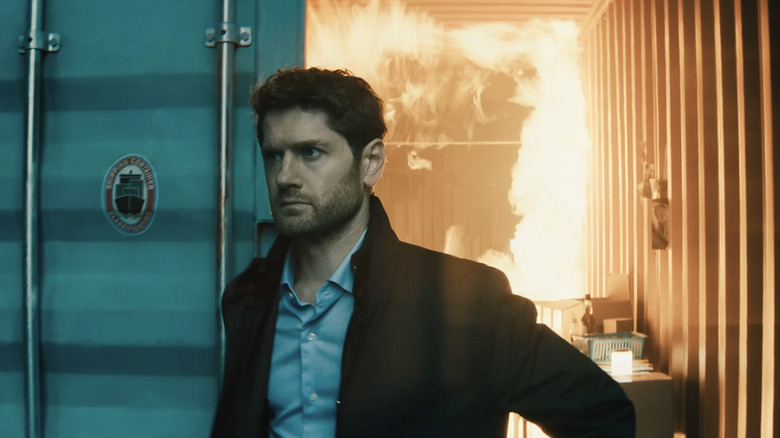
Official Perspectives and Behind-the-Scenes Strategy
While the production team at Apple TV+ and See-Saw Films has remained tight-lipped regarding specific plot points for Season 7, the industry consensus is that the show’s success relies on its refusal to offer "happy endings."
The show has cultivated a reputation for being the "anti-spy" thriller. In interviews, cast members like Jack Lowden and Gary Oldman (who portrays the irascible Jackson Lamb) have often spoken about the show’s commitment to the grit of the trade. The poisoning of River is not a plot hole or a cheap trick; it is a logical conclusion to the season’s themes of inherited trauma and the lingering reach of the past.
For the production, the cliffhanger serves as a narrative reset. By putting River in a coma or a state of critical illness, the show forces the remaining members of Slough House—Louisa Guy, Roddy Ho, and the ever-present, cynical shadow of Lamb—to operate without their most active field agent. This shifts the internal power dynamics of the team, potentially forcing characters like Roddy Ho to step into roles they are wholly unprepared for.
Looking Ahead: The Cost of the Game
As we reflect on the totality of Season 6, it becomes clear that Slow Horses is no longer just a show about misfits in an administrative purgatory. It has evolved into a story about the inescapable nature of the intelligence world.
The poisoning of River Cartwright is a stark reminder that in the world of Slough House, no one is safe, and no mystery is ever truly resolved without a price. As the audience waits for the next installment, they are left with the cold realization that the "light left on" by Sid was not a beacon of hope, but a lure.
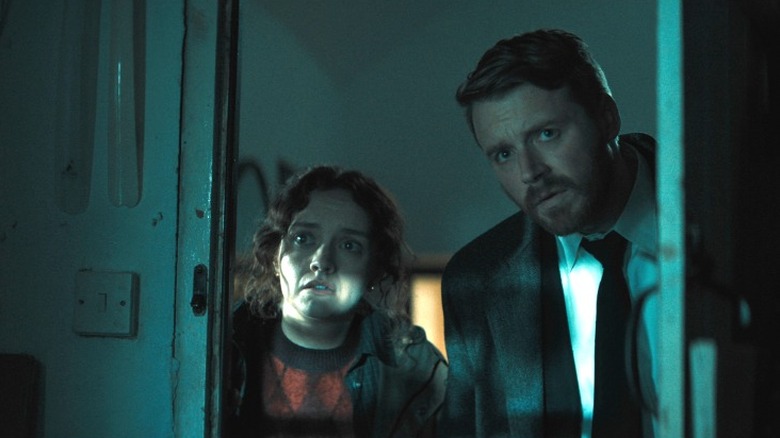
The series has set a dangerous precedent for itself. If it can pull off such a complex, long-form setup, the audience will expect even greater narrative sophistication in the future. Whether Slow Horses can maintain this trajectory without sacrificing the grounded, human elements that made it a success remains to be seen. For now, we are left with the image of River on the floor, the wine unpoured, and the silence of a house that was supposed to be a home, but became a tomb.
