
The Shapeless Tragedy of Gotham’s Newest Monster: A Comprehensive Review of ‘Clayface’ (2026)

In the ever-expanding landscape of superhero cinema, the villain-led spin-off has become a peculiar subgenre. From the polarizing reception of Morbius to the critical success of Joker, studios are increasingly desperate to mine the fringes of comic book lore for standalone potential. The latest entry into this fray is Clayface, a grim, R-rated character study directed by James Watkins. Arriving in theaters on October 23, 2026, the film attempts to marry body-horror tropes with classic noir storytelling, yet it ultimately struggles to find a cohesive identity of its own.
The Premise: From Red Carpet to Ruin
At its core, Clayface is a tragic, albeit familiar, descent into madness. The film introduces us to Matt Hagen (Tom Rhys Harries), a rising star in Gotham City’s acting firmament. As the story opens, Hagen is at the zenith of his career, fresh off an Academy Award nomination and seemingly untouchable. However, his trajectory is brutally interrupted by a single night of indiscretion.
After an encounter with a woman linked to local crime syndicate kingpin Markos Szabo (David Dencik), Hagen is marked for destruction. Szabo’s retribution is swift and savage; he ensures Hagen is not only physically disfigured in a horrific act of violence but also systematically dismantled in the public eye through a targeted campaign of disinformation. Stripped of his career, his status, and his identity, Hagen retreats into the squalor of Gotham’s underbelly.
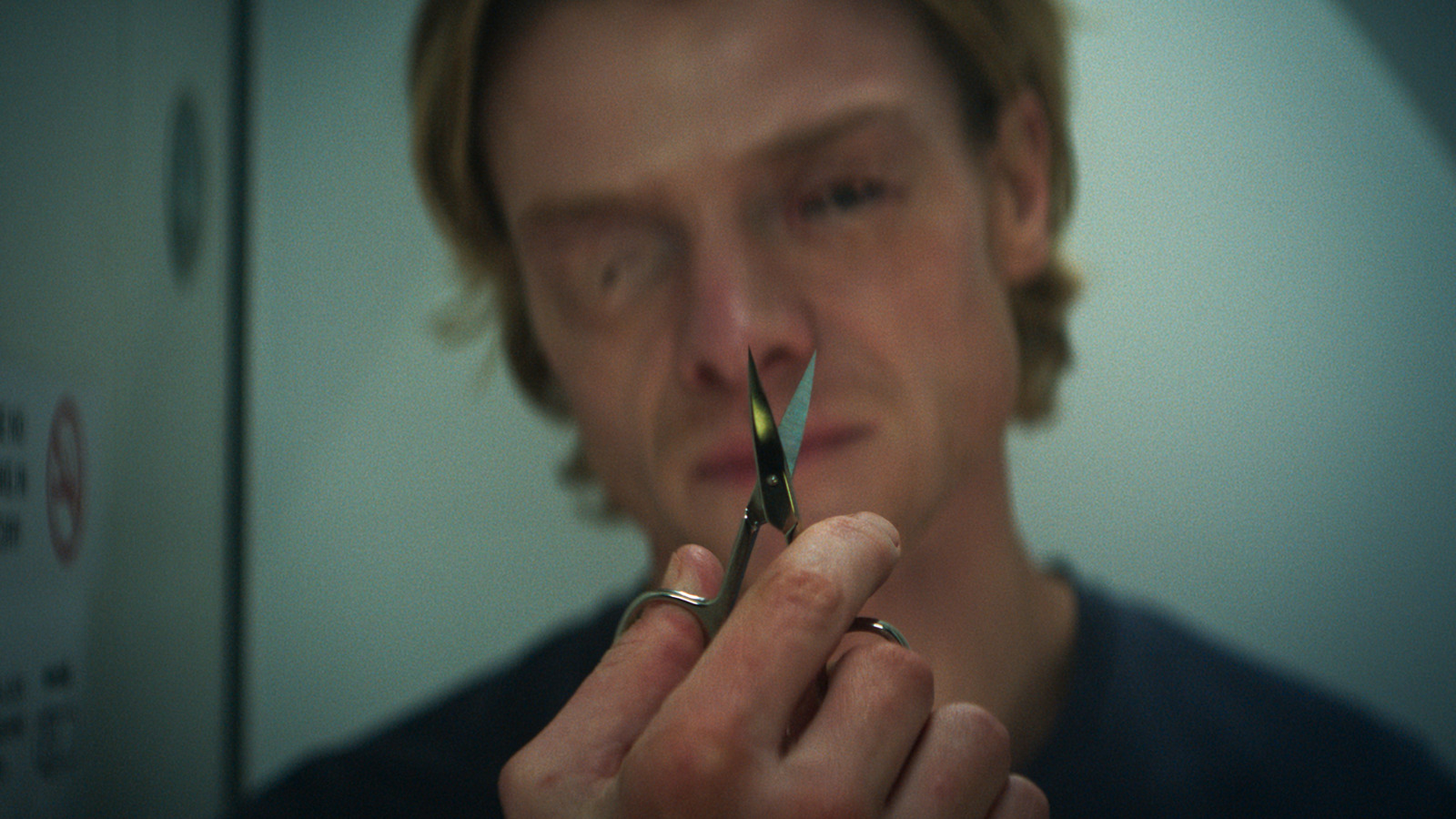
His only tether to reality is his friend Corey (Joshua James), but as the walls close in, that bond fractures. Desperation leads Hagen to Dr. Caitlyn Corr (Naomi Ackie), a brilliant but ethically compromised scientist experimenting with experimental, AI-driven nanotechnology. What begins as a quest for reconstructive salvation quickly devolves into a grotesque nightmare, as the tech grants Hagen the ability to reshape his form at the cost of his humanity.
A Chronology of Artistic Influences and Execution
To understand the tonal unevenness of Clayface, one must look at the cinematic lineage it invokes. Throughout the film’s two-hour runtime, the influence of Sam Raimi’s 1990 cult classic Darkman is palpable. Like Liam Neeson’s Peyton Westlake, Hagen is a man transformed by science into a vengeful specter, using his new abilities to infiltrate the lives of those who wronged him.
However, where Darkman utilized its "disfigured man" premise to explore themes of identity and loss with a manic, unhinged energy, Clayface feels restrained by its own IP obligations. The film also pulls heavily from David Cronenberg’s The Fly—specifically in its depiction of body horror as a metaphor for disease and decay—and the 1940s classic Black Friday.
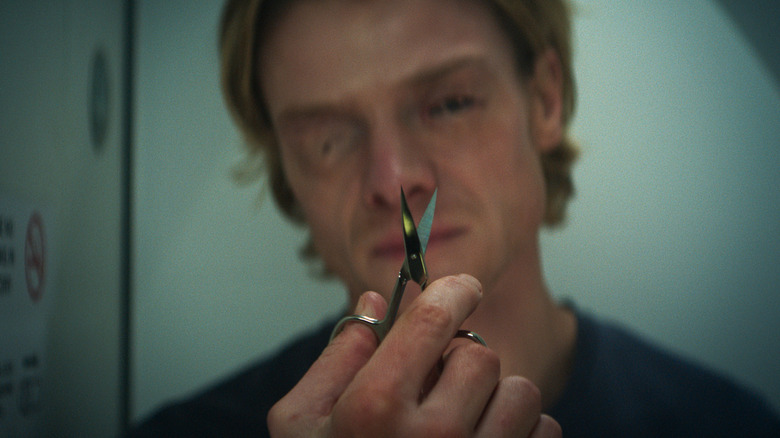
The narrative structure follows a traditional, if tired, noir arc:
- The Fall: The protagonist is wronged by a powerful entity.
- The Descent: The protagonist seeks an unconventional cure, resulting in a loss of moral compass.
- The Transformation: The protagonist utilizes his new, horrific capabilities to exact revenge.
- The Reckoning: The protagonist loses his soul, fully embracing the mantle of the villain.
While this structure is refreshing in its refusal to shoehorn Hagen into an "anti-hero" archetype—he is, unequivocally, a villain by the film’s conclusion—the execution lacks the necessary narrative glue to hold these disparate parts together.
Supporting Data: Performance and Production
The production value of Clayface is a tale of two extremes. On one hand, Tom Rhys Harries delivers a compelling, charismatic performance. He carries the weight of the film’s emotional demands, particularly in the scenes depicting his psychological breakdown. His ability to convey vulnerability before the transition to monster is the film’s greatest asset.

Conversely, the supporting cast is largely left stranded by a script written by Mike Flanagan and Hossein Amini that seems disinterested in character development. Naomi Ackie’s Dr. Corr is reduced to a series of expository dialogues regarding her late brother, while Max Minghella’s detective character, John, feels entirely superfluous—a "blank slate" that serves the plot but lacks a heartbeat. The antagonists, led by David Dencik, feel like caricatures, lacking the gravitas necessary to make Hagen’s vendetta feel truly high-stakes.
Visually, the film suffers from an identity crisis. Set in Gotham, one would expect a distinct visual language—perhaps the gothic expressionism of Tim Burton or the grounded grit of Christopher Nolan. Instead, director James Watkins presents a "Generic City, USA." The lack of environmental character makes it difficult for the audience to feel anchored in the DC Universe, turning what could have been a rich, atmospheric experience into a sterile, uninspired backdrop.
Official Responses and Creative Intent
Director James Watkins, known for his work on Eden Lake and the 2024 remake of Speak No Evil, clearly intended to lean into the visceral, "freak show" aspect of the character. The gore is unapologetic, featuring scenes of extreme physical transformation and violent retribution that lean heavily into R-rated territory.

In a brief press statement following early screenings, the creative team noted that the film was intended to be "a violent monster movie first, and a superhero movie second." This desire to strip away the "pretentious seriousness" often found in DC films is a commendable goal. However, in shedding that skin, the movie also lost its heart. The film feels "chopped up," as if a much longer, more detailed cut was edited down to meet a streamlined studio mandate, leaving the final product feeling strangely shapeless—a irony not lost on those familiar with the character’s comic book origins.
The Implications: Where Does This Leave the DC Universe?
The implications for the DC Universe are significant. Clayface proves that audiences are still willing to engage with secondary villains, provided the story offers something unique. However, it also highlights the danger of "content factory" filmmaking. When a film relies on the aesthetic of horror without the intellectual weight to support it, it results in a hollow experience.
Clayface is, at its best, a "fine" film—competently shot, well-acted in its lead, and occasionally shocking in its practical effects. Its most unique moment—a dream sequence where Hagen, in a state of dysphoria, morphs into Dr. Corr—suggests a deeper, kinkier, and far more psychological film was hiding beneath the surface. Had the studio leaned into this weirdness rather than retreating into safe, noir-lite tropes, we might be talking about a cult masterpiece.

Instead, Clayface stands as a cautionary tale for DC’s future spin-offs. A compelling villain is not enough to carry a movie; you need a world, a purpose, and a sense of identity. As it stands, the film earns a 5.5 out of 10 rating. It is a serviceable, gory distraction, but for those seeking a true exploration of a man losing his shape to find his revenge, one might find more satisfaction in revisiting the 1990s classics that clearly inspired it.
As of October 2026, the industry waits to see if the box office performance of Clayface will justify further deep-dives into the Batman rogues’ gallery or if it will signal a return to more traditional, team-based superhero spectacles. For now, the clay has failed to harden into anything truly lasting.
