
Behind the Lens: The Growing Crisis of Labor Conditions in the Film Industry
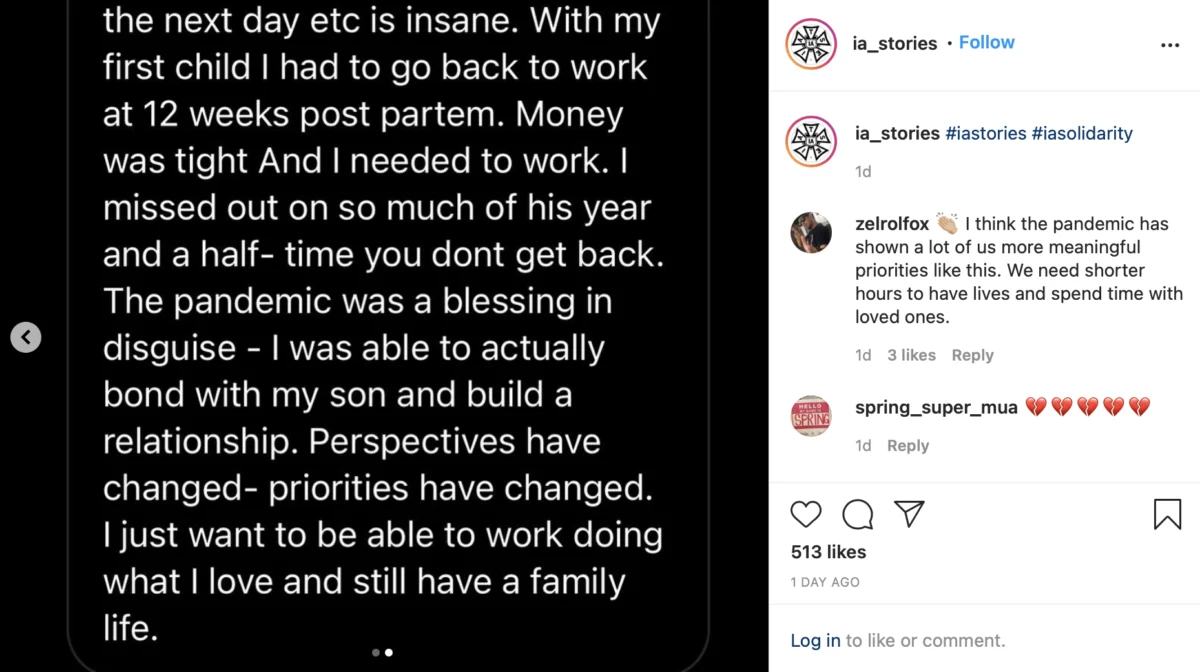
As the world consumes an unprecedented volume of film and television content—fueled by the insatiable growth of global streaming giants—a parallel crisis is unfolding behind the scenes. While audiences enjoy high-budget spectacles from the comfort of their homes, the men and women responsible for bringing these visions to life are grappling with a systemic collapse of work-life balance, safety, and basic professional dignity.
Negotiations between the International Alliance of Theatrical Stage Employees (IATSE) and the Alliance of Motion Picture and Television Producers (AMPTP) have highlighted a deep-seated chasm. As labor unions push for fundamental improvements in working conditions, the industry stands at a precarious crossroads. This is not merely a dispute over hourly wages; it is a reckoning regarding the sustainability of a workforce that is increasingly overworked, sleep-deprived, and undervalued.
The Chronology of a Stalled Negotiation
The tension between film crews and major studios has been simmering for years, but reached a boiling point in the post-pandemic era. The industry’s standard "Basic Agreement," which governs the working conditions of thousands of behind-the-scenes professionals, has faced mounting criticism for failing to keep pace with the modern reality of production.
- Pre-September 2021: Tensions escalated as crews returned to sets under the shadow of COVID-19. Increased safety protocols, coupled with the pressure of "binge-watch" production schedules, pushed many workers to their breaking points.
- September 2021: Negotiations between IATSE and the AMPTP hit a critical impasse. As the original contract expiration approached, a temporary extension was granted until September 10th.
- The Post-Deadline Standoff: Following the expiration of the extension, reports emerged of a "wide gap" between the two parties. The AMPTP’s push to maintain the status quo faced stiff resistance from IATSE, which demanded structural changes to prevent the degradation of worker health and safety.
The Economics of Abuse: Why "Penalties" Aren’t Enough
At the core of the current labor dispute is a flawed incentive structure. In the current production environment, it is frequently cheaper for a studio to pay "meal penalties" or overtime fees than it is to properly schedule a shoot.
When a production elects to push through a 14-hour day rather than investing in a more efficient, 10-hour schedule, they are essentially betting that the cost of violating basic human needs—such as proper meal breaks and adequate rest—is lower than the cost of hiring additional resources or extending the production timeline.

This is a failure of management that has turned into a dangerous game of attrition. For crew members, this often manifests in a cycle of dangerous commutes. There are numerous documented cases of tired crew members falling asleep at the wheel after "turnarounds" (the time between the end of one shift and the start of the next) that are too short to allow for a full night’s sleep. When exhaustion becomes a standard occupational hazard, the industry is not just failing its workers; it is actively endangering their lives.
Supporting Data: A System Built on Burnout
The proliferation of digital platforms like Instagram’s @IA_Stories has provided a megaphone for the grievances of the rank-and-file. These stories reveal a disturbing trend: the "line-item" treatment of human beings.
- The "Line-Item" Mentality: In many high-budget productions, crew members are viewed as expendable assets. This is evidenced by the lack of basic onboarding, the sudden demand for unpaid prep work, and the dismissal of market-rate pay.
- The Disconnect Between "Above-the-Line" and "Below-the-Line": While executive producers and high-profile stars enjoy the fruits of a booming content market, the crew is often forced to choose between essential life obligations—such as medical appointments or family milestones—and their careers.
- The Economic Disparity: Companies like Apple, Amazon, and Netflix have poured billions into content acquisition. Yet, when crew members request pay that reflects the market rate, they are often met with condescending rhetoric, such as, "We should all be thankful to be working."
This gaslighting—telling workers they should be grateful for the privilege of being exploited by a trillion-dollar corporation—has created an adversarial relationship between production management and the very people who facilitate the work.
Official Responses and the Corporate Stance
The AMPTP has historically argued that the flexibility of the current agreement is necessary to accommodate the unique, irregular nature of film production. From their perspective, the industry relies on a degree of fluidity that a rigid, 40-hour work week would jeopardize.
However, labor advocates argue that this "flexibility" is a euphemism for the exploitation of labor. The industry has effectively institutionalized the idea that "the show must go on" at any cost. As unions move to demand mandatory, longer rest periods and guaranteed meal breaks, the studios remain hesitant to concede, fearing that such changes would necessitate a complete overhaul of the production budget and scheduling protocols.

Implications for the Future of Production
The implications of this struggle extend far beyond the immediate contract negotiations. If the film industry continues to demand that its workforce sacrifice their health, family lives, and sanity for the sake of a "green" cell on a spreadsheet, it risks a talent exodus.
The Human Cost
We are seeing a trend where industry professionals burn out before they hit their 40s. The long-term impact of chronic fatigue, high stress, and neglected personal relationships is creating a "revolving door" culture. When seasoned professionals leave the industry because they can no longer sustain the pace, the quality of production inevitably suffers.
The Collective Path Forward
There is a growing movement of solidarity among workers, regardless of their union status. Many non-union crew members are beginning to realize that the standards set by IATSE serve as the floor for the entire industry. By asserting the need for respect, value, and safety, individual workers are beginning to challenge the status quo.
Producers and line managers, too, are being called upon to change. While they face immense pressure from above to meet deadlines, they are the ones who ultimately hold the power to schedule with humanity.
Conclusion: A Call for Change
As we reflect on the spirit of Labor Day—a holiday dedicated to the achievements and dignity of the working class—it is clear that the film industry needs a course correction. The current model, built on the exploitation of those who work the hardest, is unsustainable.

The demand for a better quality of life is not a plea for luxury; it is a demand for the bare minimum of human decency. It is time for the industry to move beyond a culture of exhaustion and embrace a model that recognizes the value of its people. As long as the goal remains solely the bottom line, the industry will continue to lose its most valuable resource: its workers. The path forward requires a systemic shift that prioritizes health, safety, and a reasonable balance between the demands of the camera and the needs of the human being behind it.
It does not have to be this way. With collective action and a re-evaluation of institutional priorities, the film industry can become a place where art and humanity exist in tandem, rather than at the expense of one another.
