
The Redemption of the Outcast: How Streaming Transformed Star Trek: Deep Space Nine from Underdog to Icon
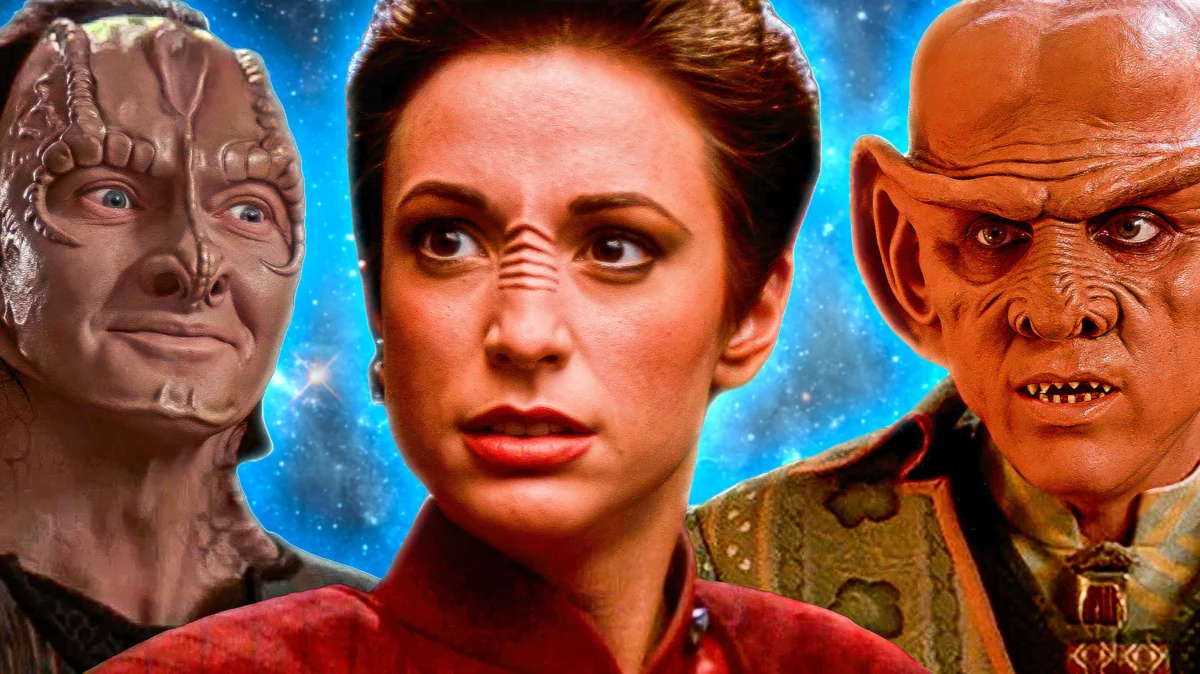
For six decades, the Star Trek franchise has functioned as the bedrock of science fiction television. It has survived cancellations, reboots, and the daunting challenge of passing the torch from one generation of icons to the next. Yet, within this vast tapestry of starships and exploration, one series long occupied a peculiar, shadowed corner: Star Trek: Deep Space Nine (DS9).
Once considered the "black sheep" of the franchise for its stationary setting and morally gray narrative, Deep Space Nine has undergone a dramatic cultural reappraisal. In a recent exclusive interview at New York Comic Con, Nana Visitor, who portrayed the indomitable Major Kira Nerys, shed light on why the series is finally receiving its due recognition—and why the answer lies in the democratization of content through streaming.
A Subversive Departure from the Trek Formula
To understand the long, uphill climb of Deep Space Nine, one must understand the environment into which it was born in 1993. Following the massive success of The Next Generation, expectations for Trek were rigid: viewers wanted bright, clean corridors, utopian philosophy, and the weekly adventure of a starship venturing into the unknown.
Deep Space Nine delivered the exact opposite. It was a show defined by its limitations and its grit. Set on a former Cardassian space station situated on the edge of a volatile wormhole, it traded the mobility of the USS Enterprise for the claustrophobia of a geopolitical powder keg.
"You couldn’t come up with a bolder, more subversive take on the property if you tried," notes the critical consensus surrounding the show. It featured a Black lead in Captain Benjamin Sisko, navigated the complexities of religious fundamentalism, and leaned heavily into the horrors of war. For an audience accustomed to the episodic "reset button" of previous Trek iterations, the slow-burn, serialized nature of DS9 felt jarring. It was a show that demanded patience, and in the era of appointment television, that was a tall order.
The Chronology of Recognition: From Broadcast to Binge-Watching
The journey of Deep Space Nine can be mapped across three distinct eras of television consumption.
The Broadcast Era (1993–1999)
During its original seven-season run, DS9 struggled to find its footing with a mainstream audience. Because the show relied heavily on long-form, serialized storytelling—where character arcs spanned entire seasons—the traditional syndication model worked against it. If a viewer missed a week, or if their local station aired episodes out of order, the intricate narrative threads became impossible to follow. Early missteps, such as the widely maligned episode "Move Along Home," colored the public perception of the show, branding it as the "weird, dark cousin" of the Trek family.
The Physical Media & DVD Era (2000s)
As the show transitioned to DVD box sets, the first wave of reappraisal began. Fans were finally able to watch the series chronologically, allowing them to witness the meticulous planning of the showrunners. However, physical media was expensive and niche, limiting the audience to die-hard enthusiasts.
The Streaming Renaissance (2010s–Present)
The true turning point occurred when DS9 became widely available on streaming platforms. The ability for viewers to "binge" the series transformed it from a disjointed collection of episodes into a cohesive, novelistic epic.
Nana Visitor on the Pandemic "Aha!" Moment
Nana Visitor, whose portrayal of Kira Nerys remains a masterclass in complex, multi-layered acting, believes that the digital age allowed the show to find its true audience. During our conversation at New York Comic Con, where she was promoting the documentary The Sixty-Year Mission: How Star Trek Changed Television and the World, Visitor recalled a specific cultural shift.
"I remember a moment during the pandemic that on Twitter someone posted, ‘DS9 is trending. Why?’" Visitor shared. "And that question was, ‘Oh, yeah, because we were always the underdog,’ and now suddenly people were being able to stream it and revisit it because they were looking for things to do at home during the pandemic."
According to Visitor, the accessibility of streaming removed the barriers to entry that had hampered the show in the 90s. "Once the serialization was streamed, you could see what the writers were doing. You could see the arcs and the beautiful, subtle storytelling. And you got to know and love the characters."
Why Modern Audiences Resonate with the "DS9" Ethos
Data analytics from major streaming platforms suggest that Deep Space Nine currently enjoys higher engagement rates than many of its contemporaries. This success is not accidental; it is a result of a fundamental shift in audience expectations.
The Shift Toward Serialization
Modern television, influenced by the "Golden Age" of the 2000s and 2010s, has trained audiences to expect serialized storytelling. Deep Space Nine was essentially a show ahead of its time, utilizing narrative structures that are now the industry standard for prestige dramas.
Moral Complexity as a Selling Point
Unlike the idealistic morality of The Original Series, DS9 explored the ethics of war, the necessity of compromise, and the trauma of occupation. In a modern world defined by geopolitical instability, the struggles of the Bajoran people and the diplomatic tightrope walked by Captain Sisko feel more relevant than ever.
The "Underdog" Narrative
There is a profound psychological appeal to characters who are not perfect. Whether it is the reformed spy Garak, the profit-obsessed Quark, or the hardened Kira Nerys, the inhabitants of Deep Space Nine are flawed, desperate, and resilient. In an era where viewers crave authenticity over perfection, the "got that dog in them" mentality of the DS9 cast has become a badge of honor for the fandom.
Implications for the Future of the Franchise
The "DS9 effect" has fundamentally changed how the Star Trek franchise approaches new content. Current series like Star Trek: Discovery and Star Trek: Picard have clearly taken a page from the Deep Space Nine playbook, embracing long-form arcs, darker themes, and serialized character development.
Furthermore, the newfound popularity of DS9 has revitalized the franchise’s merchandise and documentary output. The existence of projects like The Sixty-Year Mission demonstrates that the audience is no longer satisfied with simple recaps of the past; they are hungry for the deep-dive, analytical, and behind-the-scenes perspectives that only a truly "classic" status can afford.
Conclusion: A Legacy Reclaimed
The history of Star Trek: Deep Space Nine is a cautionary tale for critics and a triumph for patience. For years, the show was judged by the standards of a television landscape that simply did not exist yet. It was a square peg in a round hole, trying to tell a complex, nuanced story of war and faith in a time that preferred the simplicity of "planet of the week" adventures.
As Nana Visitor aptly observed, the show’s success in the streaming era is a testament to the fact that quality, once given the space to breathe, will eventually find its audience. Deep Space Nine is no longer just a spin-off; it has been elevated to the status of a definitive Star Trek experience. It has moved from the periphery to the center, proving that in the vastness of the galaxy—and the history of television—time truly is not as linear as we tend to think.
