
Speaking Truth to Power: 13 Sundance-Supported Documentaries Highlighting the Cost—and Impact—of Courage
By Ramona Flume
Speaking out against entrenched injustice rarely comes without a heavy price. Those who dare to challenge powerful institutions often face a barrage of severe retaliation: corporate or state-sponsored persecution, financially ruinous legal battles, shattered reputations, forced exile, violent threats, and even death. Moreover, the systemic changes these whistleblowers, journalists, and activists fight for can take years—if not generations—to materialize.
Yet, time and again, their unwavering courage and dogged persistence under immense pressure have exposed deep-seated corruption, successfully reshaped outdated laws, and ultimately saved lives.
For over two decades, documentary filmmakers have stood shoulder-to-shoulder with these modern truth-tellers. By bearing witness and carrying these stories to global audiences, nonfiction storytellers help transform isolated acts of personal bravery into powerful, mass movements for societal change. Since its founding in 2002, the Sundance Institute’s Documentary Film Program (DFP) has served as a vital incubator and financial backer for many of these defining nonfiction projects.
The following curated watchlist brings together 13 Institute-supported films set in diverse geographies ranging from the bustling streets of Tokyo to the contested landscapes of the West Bank. They follow extraordinary individuals who dare to confront militarized forces, corrupt police departments, government bodies, and even global religious hierarchies like the Vatican. Some are survivors who simply refuse to keep quiet any longer; others are corporate or institutional insiders who noticed that the numbers—or the ethics—did not add up. Still others are reporters, grassroots organizers, artists, and human rights investigators who spotted an injustice and resolved not to let it stand.
What unites these subjects is not a uniform job title, but a conscious, dangerous choice: to tell the truth, fully knowing it could cost them their personal safety, their livelihoods, or their standing within their own communities. Explore their compelling stories below, alongside reflections from the Sundance DFP team.
1. Main Facts: The Cost of Conscience on Film
The intersection of investigative journalism, whistleblowing, and documentary filmmaking forms a crucial bulwark against authoritarianism and abuse of power. The 13 films highlighted by the Sundance Institute’s Documentary Film Program document real-time acts of defiance across multiple continents.
These works do not merely observe history; they actively participate in it. From exposing NSA mass surveillance (Citizenfour) to dismantling systemic military sexual assault (The Invisible War) and tracking the persecution of journalists (A Thousand Cuts), these projects illustrate that the camera is often the most potent weapon available to marginalized and targeted populations.
Crucially, the impact of these documentaries extends far beyond the traditional film festival circuit. Protagonists featured in these works have gone on to influence legislative reforms, drive high-profile class-action lawsuits, and secure positions of civic leadership—proving that cinematic storytelling can directly alter the sociopolitical landscape.
2. Chronology: Two Decades of Cinematic Resistance
The timeline of the Sundance Institute’s engagement with truth-to-power narratives mirrors the evolving global struggles for transparency, human rights, and accountability over the last 20 years.
- 2002: The Sundance Institute establishes the Documentary Film Program to support independent nonfiction filmmakers globally, setting the stage for decades of impact-driven storytelling.
- 2012: Kirby Dick’s The Invisible War premieres at the Sundance Film Festival, winning the Audience Award. Its unflinching look at military sexual trauma sparks immediate congressional hearings and leads to significant changes in U.S. military policy.
- 2014: Laura Poitras’s real-time thriller Citizenfour captures Edward Snowden handing over classified NSA documents in a Hong Kong hotel room, altering the global conversation surrounding digital privacy and state surveillance.
- 2018: Stephen Maing’s Crime + Punishment premieres at Sundance, securing the U.S. Documentary Special Jury Award for Social Impact Filmmaking as it chronicles NYPD whistleblower officers fighting illegal quotas.
- 2020–2024: A wave of international documentaries—including Ramona S. Diaz’s A Thousand Cuts (Philippines), Alexander Nanau’s Collective (Romania), Shiori Itō’s Black Box Diaries (Japan), and the Oscar-winning No Other Land (West Bank)—highlight the escalating global crackdowns on press freedom, healthcare corruption, sexual assault accountability, and territorial occupation.
- 2026: The real-world impact of these films continues to reverberate. Notably, Crime + Punishment protagonist Edwin Raymond is sworn in as the sheriff of New York City in a ceremony attended by legendary NYPD whistleblower Frank Serpico.
3. Supporting Data: The 13 Essential Films and Their Impact
The following curated selection represents a cross-section of courage, supported by the Sundance Institute’s Documentary Fund and Labs:
A Thousand Cuts (2020)
- Director: Ramona S. Diaz
- Logline: With press freedom under intense threat in the Philippines, A Thousand Cuts goes inside the escalating war between the state and the independent press, following Nobel laureate Maria Ressa as she becomes a primary target of President Rodrigo Duterte’s media crackdown.
- Sundance Connection: Supported by the 2017 Documentary Fund; premiered at the 2020 Sundance Film Festival.
Anita: Speaking Truth to Power (2013)
- Director: Freida Lee Mock
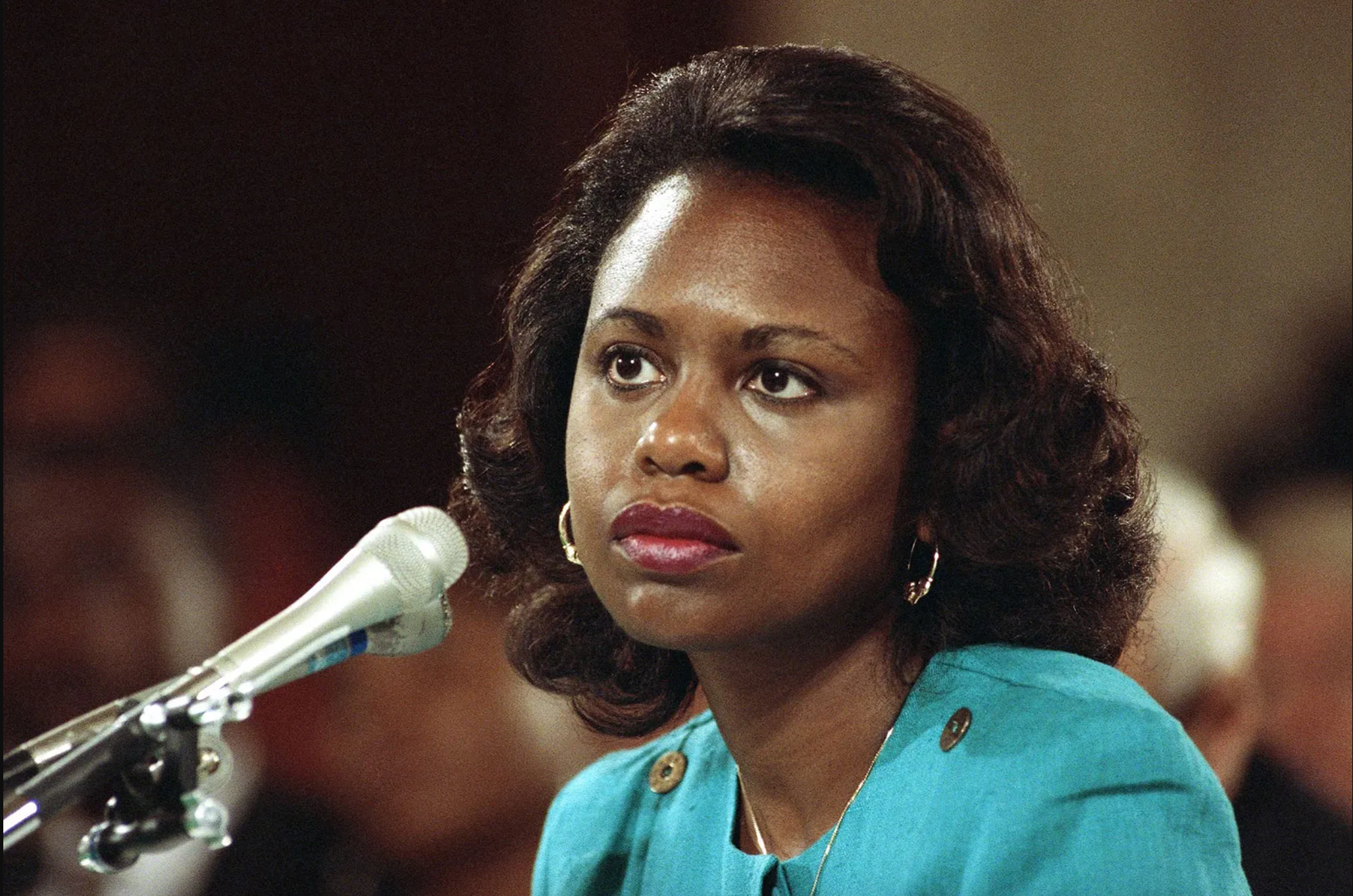
- Logline: Set against a complex backdrop of sex, politics, and race, this film reveals the intimate story of law professor Anita Hill, whose testimony during Clarence Thomas’s 1991 Supreme Court confirmation hearings thrust workplace sexual harassment into the national consciousness.
- Sundance Connection: Supported by the 2011 Documentary Fund; premiered at the 2013 Sundance Film Festival.
Black Box Diaries (2024)
- Director: Shiori Itō
- Logline: Journalist Shiori Itō conducts a courageous, self-documented investigation into her own sexual assault, attempting to hold a high-profile offender accountable within Japan’s deeply traditional judicial and societal systems.
- Sundance Connection: Supported by the 2023 Documentary Edit and Story Lab; premiered at the 2024 Sundance Film Festival.
-
“Shiori Itō is both director and protagonist… Though film is her tool, it’s also a testament to strength and an act of love for survivors everywhere.” — Kristin Feeley, Director, Documentary Film & Artist Programs
Citizenfour (2014)
- Director: Laura Poitras
- Logline: A real-time thriller offering unprecedented access to filmmaker Laura Poitras and journalist Glenn Greenwald’s historic encounters with NSA whistleblower Edward Snowden in Hong Kong.
- Sundance Connection: Supported by the 2014 Documentary Fund.
Collective (2019)
- Director: Alexander Nanau
- Logline: A gripping documentary thriller that shadows an investigative journalism team as they uncover massive, fatal corruption within the Romanian healthcare system following a tragic nightclub fire.
- Sundance Connection: Supported by the 2017 Documentary Fund; screened at the 2020 Sundance Film Festival.
Crime + Punishment (2018)
- Director: Stephen Maing
- Logline: Chronicles the struggles of a brave group of Black and Latino whistleblower police officers (The "NYPD 12") fighting systemic illegal policing quotas and the communities targeted by them in New York City.
- Sundance Connection: Supported by the 2016 Documentary Fund; winner of the 2018 U.S. Documentary Special Jury Award for Social Impact Filmmaking.
-
“Years after its 2018 premiere… Crime + Punishment continues to reshape policing in New York City. In the summer of 2026, one of the film’s protagonists, Edwin Raymond, was sworn in as sheriff of New York City…” — Dominic Davis, Manager, Documentary Film Fund
E-Team (2014)
- Directors: Katy Chevigny, Ross Kauffman
- Logline: Follows the Human Rights Watch Emergencies Team (E-Team) as they deploy to dangerous, dictator-held conflict zones to document atrocities and war crimes in real time.
- Sundance Connection: Supported by the 2010 and 2013 Documentary Funds; winner of the 2014 U.S. Documentary Cinematography Award.
Fire Through Dry Grass (2023)
- Directors: Andres “Jay” Molina, Alexis Neophytides
- Logline: A group of Black and brown disabled artists residing in a New York City nursing home strap GoPros to their wheelchairs during the COVID-19 lockdown, using poetry and art to document institutional neglect and fight for their survival.
- Sundance Connection: Supported by the 2022 Documentary Fund.
-
“[They] turn their art into an act of resistance… documenting their fight to protect their lives and the 500 nursing home residents, and their refusal to be silenced or erased.” — Maria Caridad Clement, Senior Manager, Documentary Film Program
The Invisible War (2012)
- Director: Kirby Dick
- Logline: A groundbreaking investigative exposé uncovering the epidemic of rape and sexual assault within the ranks of the United States military.
- Sundance Connection: Supported by the 2011 and 2012 Documentary Funds; winner of the 2012 U.S. Documentary Audience Award.
The Kill Team (2013)
- Director: Dan Krauss
- Logline: Follows a young U.S. infantryman in Afghanistan who faces severe threats and isolation after blowing the whistle on his platoon’s unlawful murders of civilians.
- Sundance Connection: Supported by the 2011 and 2012 Documentary Funds.
No Other Land (2024)
- Directors: Yuval Abraham, Basel Adra, Hamdan Ballal, Rachel Szor
- Logline: An Academy Award-winning collaborative documentary rooted in the profound friendship between Palestinian activist Basel Adra and Israeli journalist Yuval Abraham as they document the systematic destruction of Masafer Yatta in the occupied West Bank.
- Sundance Connection: Supported by the 2021 Documentary Fund and 2023 Documentary Edit and Story Lab; premiered at Berlinale 2024.
-
“The use of archival footage… serves as a document of past and present amid an ongoing genocide… challenging viewers to reflect on history and advocate for a more just future.” — Andrea Alarcón, Producing & Artist Support Manager, DFP
Nuns vs. The Vatican (2025)
- Director: Lorena Luciano
- Logline: Former nun Gloria breaks a 30-year silence to name her abuser—a celebrated artist-priest known as the "Michelangelo" of the modern Catholic Church—igniting a reckoning around ecclesiastical cover-ups.
- Sundance Connection: Supported by the 2020 Documentary Fund and 2024 Documentary Edit Intensive; TIFF 2025 premiere.
-
“The women endured forced abortions and forced resignations from the church for speaking out but have joined a support organization… to help others like them.” — Dominic Davis, Manager, Documentary Film Fund
Softie (2020)
- Director: Sam Soko
- Logline: Follows Kenyan political activist Boniface “Softie” Mwangi as he transitions from street-level protest movements to running an idealistic, grassroots political campaign against entrenched corruption.
- Sundance Connection: Supported by the 2018 Documentary Fund and 2019 Luminate Fund; winner of the 2020 World Cinema Documentary Special Jury Award for Editing.
4. Official Responses and Institutional Impact
The resonance of these documentaries is amplified by the institutional responses they provoke. Historically, films backed by the Sundance Documentary Film Program have served as direct catalysts for policy changes and legal reckonings:
- Legislative and Military Reforms: Following the release of The Invisible War, lawmakers held a series of congressional hearings that resulted in sweeping bipartisan reforms regarding how the U.S. military handles sexual assault investigations and prosecutions.
- Judicial Precedents: Investigative documentaries such as Crime + Punishment and Black Box Diaries have provided irrefutable public records that support ongoing class-action lawsuits, empowering legal teams to challenge systemic police quotas in New York City and push for long-overdue modernizations of Japan’s sexual assault consent laws.
- International Recognition: Films like No Other Land have elevated localized human rights struggles onto global stages, prompting international human rights organizations and parliamentary bodies to re-examine state-sanctioned displacement and occupation in the Middle East.
5. Implications: The Future of Nonfiction Advocacy
As democratic norms face increasing strain globally, the role of the investigative documentarian has never been more vital—or more perilous. Filmmakers who choose to shine a light on government overreach, corporate malfeasance, and systemic abuse frequently find themselves operating in hostile environments where press freedoms are actively curtailed.
Yet, the enduring legacy of the Sundance Institute’s Documentary Film Program demonstrates that independent cinema remains a powerful counterweight to authoritarianism. By providing critical early-stage financial backing, creative labs, and strategic mentorship, organizations like Sundance ensure that truth-tellers do not stand alone.
Ultimately, these 13 films serve as more than historical records of injustice; they are manuals for resistance, testaments to human resilience, and urgent reminders that the fight for accountability requires both extraordinary personal sacrifice and the collective resolve to bear witness.
