
Inside Limbo: Niki Lindroth von Bahr Transforms the Modern Airport into an Existential Purgatory in Oscar-Contending Short The End
As the race for the 2027 Academy Awards heats up, animation enthusiasts and critics alike are turning their attention to the brilliant, darkly comedic shorts vying for Oscar qualification. Among this year’s most anticipated contenders is The End, a masterclass in stop-motion animation directed by acclaimed Swedish filmmaker Niki Lindroth von Bahr. A multi-national co-production spanning Sweden, France, and Denmark, the film represents the latest evolution in von Bahr’s unique artistic exploration of human behavior through meticulously crafted animal avatars. Following a successful theatrical run that secured its eligibility for the upcoming Academy Awards, The End invites audiences into a sprawling, anxiety-inducing international airport that serves as a modern-day purgatory.
Main Facts: A Micro-Society in Limbo
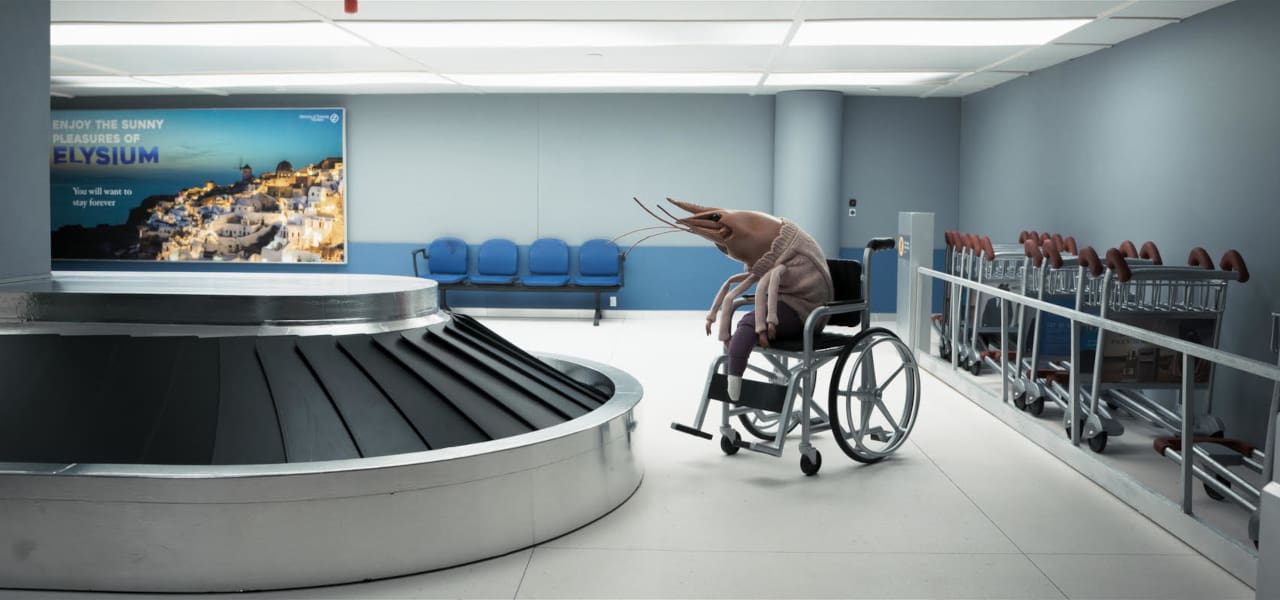
At its core, The End takes place within the sterile, echoing confines of a massive international airport. The narrative traps its inhabitants—rendered as distinct, anthropomorphic animal characters—in a perpetual state of suspension. Delayed flights, rotating sushi belts, and monotonous baggage carousels dictate the daily rhythms of passengers who have nowhere to go and all the time in the world to wait.
The film operates on multiple layers, juxtaposing the hyper-capitalist trappings of modern travel—luxury boutiques, high-end duty-free shops, and overpriced smoothies—with a pervasive, low-level dread. Drawing heavy thematic inspiration from Dante’s The Divine Comedy, specifically the restless souls inhabiting limbo, director Niki Lindroth von Bahr turns the terminal into a microcosm of contemporary human society. Here, petty everyday frustrations and consumerist comforts unfold beneath the quiet, looming shadow of mortality.
The production is a testament to international collaboration, led by Malade AB in co-production with Film i Väst, SVT, Les Valseurs, and Wired Fly. It marks a significant milestone for von Bahr, expanding her creative boundaries through her first-ever co-productions with France and Denmark.
Chronology: A Four-Year Journey Through Grief and Creation
The road to completing The End was neither short nor straightforward. The ambitious stop-motion project took nearly four years to bring to life, a timeline heavily marked by profound personal transformation for its director.
During the scriptwriting and production phases, von Bahr navigated significant, tumultuous life events that fundamentally reshaped the emotional landscape of the film. In a poignant intersection of life and art, the director’s father passed away in the exact same month that she gave birth to her second child. These simultaneous experiences of profound loss and new life seeped directly into the narrative, coloring the tone, atmosphere, and philosophical weight of The End.

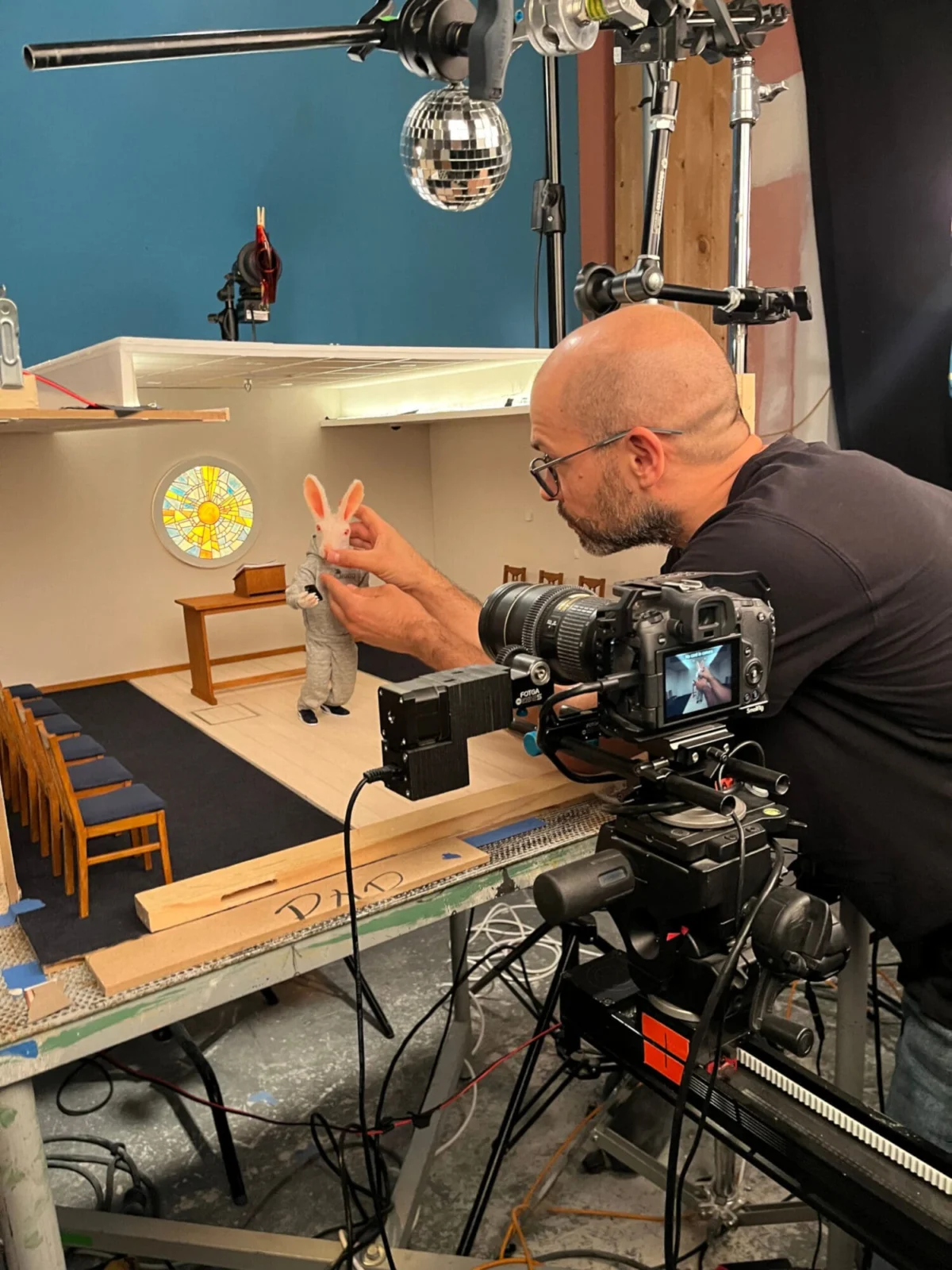
Concurrently, the logistical reality of the production mirrored the transient nature of the film’s setting. As von Bahr’s first collaboration with French and Danish studios, the project required extensive international travel. The director found herself constantly moving between airports across Europe while simultaneously constructing a miniature, highly detailed airport studio set—a juxtaposition that, in her own words, "really messed with my brain."
Supporting Data: The Art of Anthropomorphism and Cinematic Influences
Niki Lindroth von Bahr is no stranger to critical acclaim. Her previous short films, including the celebrated The Burden and Something to Remember, established her signature style: using meticulously handcrafted animal characters to dissect the absurdities, melancholies, and routines of human existence.
In The End, this technique is refined even further. While the characters are physically animals—complete with fur, feathers, and snouts—they are unmistakably, universally human. When asked why she continuously opts for animal avatars rather than human actors, von Bahr explains that their disarming and occasionally comical appearance offers a vital entry point for the audience.
"Even though my characters are portrayed as animals, they are very much human," von Bahr notes. "This is a film about ourselves and human nature, but I find their disarming, sometimes comical animal appearance easier to relate to and empathize with. Dressed in all the trappings of civilization, the animal characters reflect our human absurdity. Don’t we all feel like a shapeless slug squeezed into a pair of chinos at times?"
This visual and thematic approach is anchored by specific literary touchstones. While developing the project, von Bahr was deeply immersed in The Divine Comedy. The depiction of limbo—where souls are neither damned nor saved, but suspended in a state of quiet yearning—provided the perfect conceptual sandbox for an airport setting.
Official Responses: Director’s Insights on Modern Anxiety and Limbo
In an exclusive interview with Cartoon Brew, Niki Lindroth von Bahr elaborated on the dual fascination with airports that fueled both the narrative and production of The End. She points to the stark, often jarring contradictions inherent to modern travel hubs as a primary source of inspiration.

"I’ve always been fascinated by airports," von Bahr shares. "There’s a striking contrast between luxury and the underlying sense of threat. Will you buy a Ralph Lauren shirt and a ridiculously expensive smoothie, or get stuck in a detention room for hours? The airport feels like a depressing micro-society that is supposed to fit everyone but fits no one."
This tension between comfort and confinement allowed von Bahr to construct a narrative where the trivialities of consumer culture collide with existential dread. The characters are caught in an endless loop of minor inconveniences—waiting for luggage that never appears, boarding gates that never open—while processing a deeper, unarticulated longing for something far greater than themselves.
Implications: A Strong Contender in the 2027 Oscar Landscape
As The End completes its qualification circuit and positions itself for the 2027 Academy Awards, its cultural and artistic implications are considerable. Stop-motion animation continues to enjoy a renaissance, driven by auteurs who utilize the painstaking, tactile nature of the medium to tell deeply personal, philosophical stories.

By anchoring high-concept existential philosophy within the universally recognizable, slightly soul-crushing environment of an international airport, von Bahr has crafted a film that speaks directly to the modern condition. In an era marked by global transit, digital isolation, and a collective search for meaning amidst routine, The End offers audiences a mirror that is as funny as it is devastating.
As voting members of the Academy evaluate this year’s crop of animated shorts, Niki Lindroth von Bahr’s latest creation stands out not merely as a technical triumph of stop-motion craftsmanship, but as a profound, timely meditation on how we wait, how we suffer, and how we endure the journey to the end.
