
The Evolution of Hyrule: Inside the Fan-Made PC Port "Savage Wind" and the Uncertain Future of The Legend of Zelda
By Tom Wilson
Published October 22, 2026
Main Facts: Bringing Breath of the Wild to PC
As the video game industry looks toward the horizon, one question constantly dominates discussions among Nintendo enthusiasts: What is the next mainline entry in The Legend of Zelda franchise? Nintendo has historically kept its cards close to its chest regarding the future direction of its crown-jewel IP. Instead of outlining a grand roadmap for the post-Tears of the Kingdom era, the corporate giant has focused its messaging on near-term releases, such as the upcoming Ocarina of Time remake and a dedicated Legend of Zelda remaster slated for 2027.
While Nintendo’s cautious approach prevents fan hype from spiraling out of control, it also leaves a notable vacuum of information. Into this void steps the passionate global gaming community. While official development cycles grind forward behind closed doors, fans continue to build, modify, and reinvent the franchise to keep the fandom thriving.
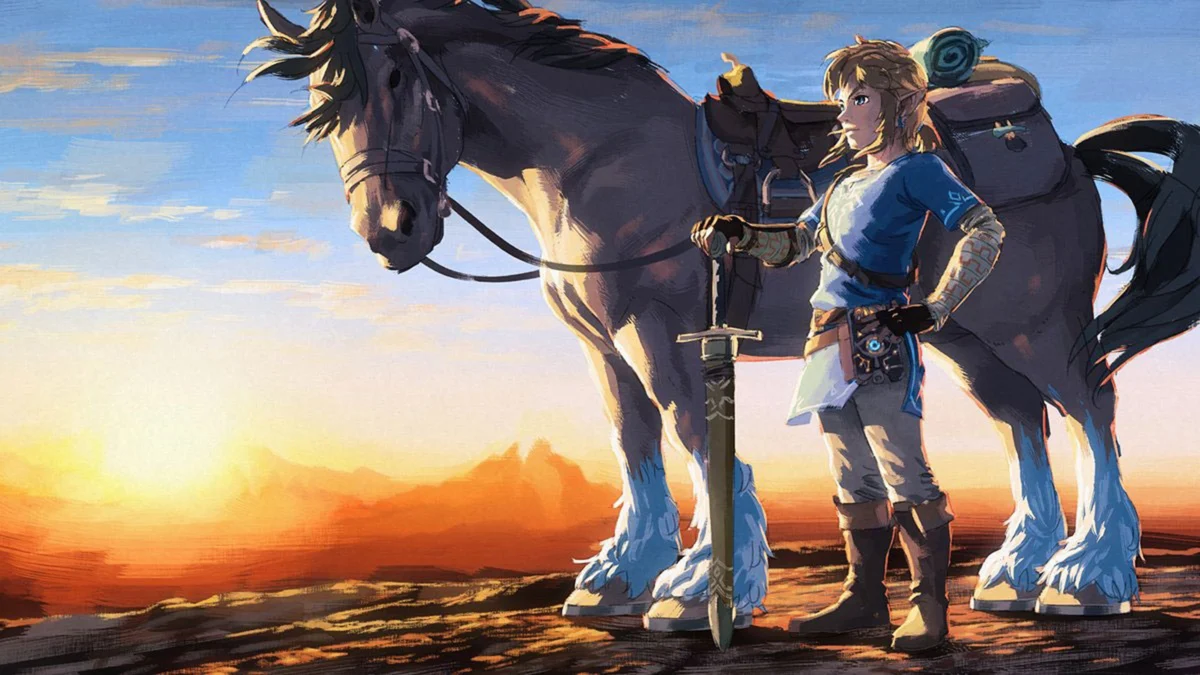
The latest and perhaps most ambitious fruit of this community-driven labor is The Legend of Zelda: Savage Wind. Operating as a dedicated PC recompilation project for Breath of the Wild, Savage Wind drastically enhances one of the critically acclaimed masterpieces of modern gaming. By introducing native mouse and keyboard support, customizable PC-specific graphics settings, reduced stuttering, unlocked framerates, and the ability to mix and match audio and subtitle languages—a glaring omission from the original Nintendo Switch release—this fan project bridges the gap between console constraints and modern PC capabilities.
Currently available in an early alpha state (version 0.2.0) via its official GitHub repository, Savage Wind requires users to supply their own legally obtained game files from a purchased copy of Breath of the Wild. While early adopters must contend with the typical bugs, performance inconsistencies, and rough edges inherent to early-stage game modding and recompilation, the project signals a massive step forward for preservation and fan-driven enhancement.
Chronology: From Switch Pioneer to Fan-Made Recompilation
To understand the significance of The Legend of Zelda: Savage Wind, it is essential to trace the timeline of Breath of the Wild and the broader community’s relationship with modern Nintendo hardware:

- March 3, 2017: Nintendo launches The Legend of Zelda: Breath of the Wild alongside the Nintendo Switch, redefining open-world design and securing widespread critical acclaim (including numerous "Game of the Year" and perfect 10/10 scores).
- May 12, 2023: The long-awaited sequel, Tears of the Kingdom, launches, pushing the Nintendo Switch hardware to its absolute limits and seemingly closing the book on the open-world "Wilds" era of Hyrule.
- 2024–2025: Rumors swirl regarding Nintendo’s next-generation hardware (unofficially dubbed the Switch 2) and potential official ports or upgrades for existing titles. Concurrently, software engineers and reverse-engineering communities ramp up efforts to build static recompilations of beloved console games for PC architectures.
- Late 2026: Nintendo formally shifts its promotional focus toward upcoming legacy remasters and remakes, such as the Ocarina of Time remake and a 2027 Legend of Zelda remaster, leaving the prospect of a brand-new, open-world mainline Zelda game shrouded in mystery.
- October 2026: The developer collective behind The Legend of Zelda: Savage Wind releases version 0.2.0-alpha.2 to the public via GitHub, giving PC players their first functional, native-feeling recompilation build of the 2017 classic.
Supporting Data: Performance, Compatibility, and Technical Specifications
For PC enthusiasts and emulation purists, technical performance dictates the viability of any fan port. The Legend of Zelda: Savage Wind approaches the hardware barrier differently than traditional emulators by recompiling the game’s original code into native PC executables.
Below is an overview of the core technical parameters and system interaction profiles for The Legend of Zelda: Breath of the Wild in its various official and unofficial states:
| Feature / Metric | Original Nintendo Switch (2017) | Switch 2 Enhanced Port (Estimated) | Savage Wind PC Recomp (Alpha 0.2.0) |
|---|---|---|---|
| Target Resolution | 900p (Docked) / 720p (Handheld) | Up to 4K via DLSS/Upscaling | Fully Scalable (1080p, 1440p, 4K+) |
| Target Framerate | 30 FPS (with occasional drops) | Target 60 FPS | 45 to 60+ FPS (Uncapped potential) |
| Control Schemes | Switch Pro Controller, Joy-Cons | Switch Controllers | Mouse & Keyboard, Gamepads, Custom Mappings |
| Audio/Subtitle Options | Locked regional pairing in some versions | Standard console profiles | Independent Audio & Subtitle Language Selection |
| Steam Deck Compatibility | N/A (Console Exclusive) | Unconfirmed | Fully Compatible (Pending optimization) |
As indicated by current testing data, Savage Wind typically hovers between 45 and 60 frames per second on mid-range PC hardware. While this sits slightly below the hyper-stable frame targets expected from official next-generation console patches, the project compensates by offering granular control over graphical fidelity, aspect ratios, and input mapping—features historically locked away behind proprietary walled gardens.
Official Responses: Nintendo’s Stance on Series Direction and Preservation
Nintendo’s official communication regarding the future of The Legend of Zelda has been characteristically measured. Company executives and series producer Eiji Aonuma have repeatedly emphasized that future entries will not necessarily adhere to the open-world templates established by Breath of the Wild and Tears of the Kingdom.
In previous interviews, Nintendo leadership noted that the team would only revisit the massive, sandbox-driven open-world design philosophy if they discovered a truly compelling gameplay hook that warranted it. This revelation has left a segment of the fanbase uneasy, as those who fell in love with the sprawling wilderness of Hyrule worry the franchise might pivot back toward linear, dungeon-focused progression structures.
Furthermore, Nintendo maintains a notoriously strict legal stance on intellectual property protection, regularly issuing takedown notices to fan projects, unauthorized ROM sites, and emulation hubs. While static recompilation projects navigate a complex legal gray area—requiring end-users to dump their own legitimate game files to function—they frequently operate under intense scrutiny from corporate legal teams. As of publication, Nintendo has not issued a direct public statement concerning Savage Wind, maintaining its standard policy of silence regarding community-made modifications.

Implications: What Savage Wind Means for the Future of Zelda
The emergence of The Legend of Zelda: Savage Wind carries profound implications for both the gaming community and the broader conversation surrounding digital preservation.
1. Filling the Open-World Void
With Nintendo confirming that it is in no rush to churn out another title in the Wilds style, fans craving systemic physics-based exploration, climbing, and open-ended combat have had to look elsewhere. Savage Wind arrives at a pivotal moment, offering a refreshed, high-performance sandbox experience for players who have exhausted the content in both Breath of the Wild and Tears of the Kingdom.
2. The Power of Static Recompilation
Unlike traditional emulators that simulate console hardware architectures in real-time—often resulting in high CPU overhead and system stutter—static recompilation translates game code directly into native machine language. Projects like Savage Wind prove that older console classics can achieve a second life on PC with vastly superior responsiveness, modding support, and accessibility features.
3. Accessibility and Localization
One of the most praised, user-requested features of Savage Wind is its decoupling of audio and subtitle language settings. For international players and language learners, the inability to mix voice tracks with localized text in the original Switch release was a persistent frustration. By addressing these quality-of-life oversights, the fan community demonstrates a keen understanding of modern player expectations.
Looking Ahead
As The Legend of Zelda: Savage Wind continues to evolve past its alpha 0.2.0 milestone, developers plan to squash existing bugs, optimize frame pacing, and introduce further performance enhancements. Whether Nintendo will eventually step in to block the project or if it will cement itself as a cornerstone of PC game preservation remains to be seen. Regardless, Savage Wind serves as a powerful reminder of how deeply the gaming community cares for Hyrule—and how far fans are willing to go to keep its winds blowing.
