
Expanding the Horror: Prime Video Officially Renews Mike Flanagan’s ‘Carrie’ for Season 2 Following a Terrifying and Subversive Debut
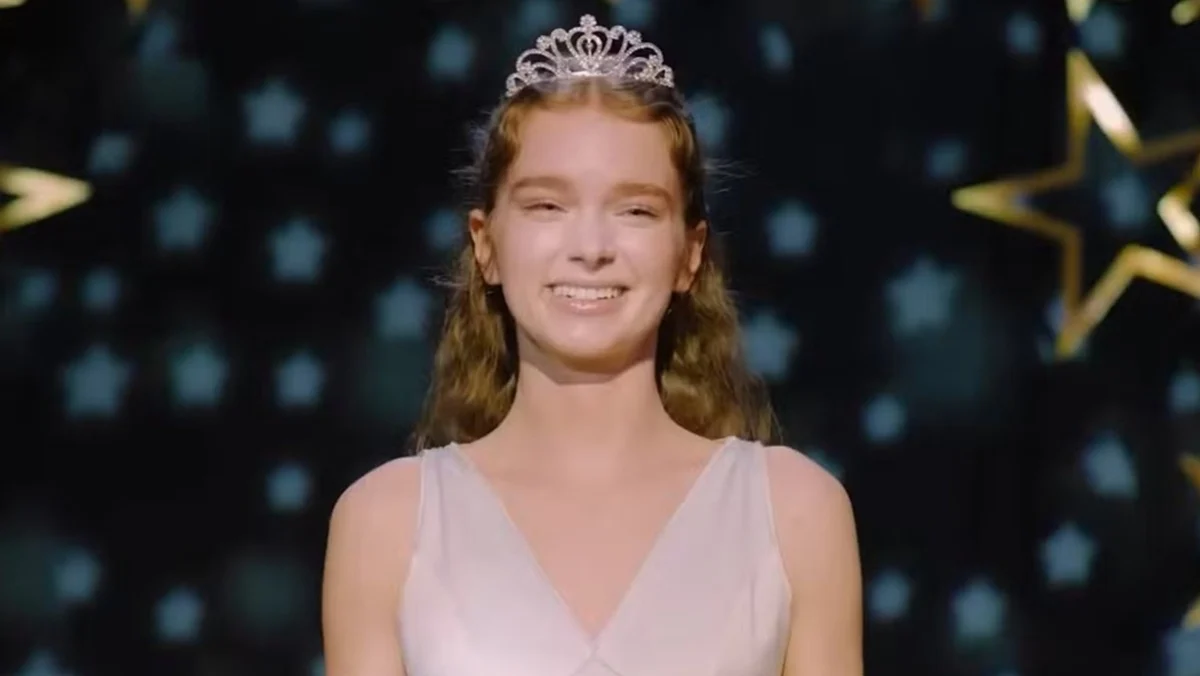
TELEVISION — In an announcement that will surprise virtually no one who sat through the breathless, blood-soaked final moments of its freshman run, Prime Video has officially handed a second-season renewal to Mike Flanagan’s subversive television adaptation of Stephen King’s seminal horror classic, Carrie.
Flanagan’s series, which boldly reimagined the tragic trajectories of Carrie and Margaret White, systematically deconstructed and expanded the source material, introducing entirely new character dynamics, shifting narrative fates, and a chillingly broad mythology that extended far beyond the confines of Chamberlain, Maine. The first season’s finale left very little room for ambiguity, dropping narrative breadcrumbs—most notably in its final, haunting sequence—that pointed squarely toward a much larger, darker world waiting to be explored. Now, audiences will get to see how that terrifying universe continues to grow.
Main Facts
The renewal of Carrie for Season 2 cements Prime Video’s confidence in auteur horror creator Mike Flanagan, whose distinct stylistic thumbprint has redefined modern horror television through acclaimed projects like The Haunting of Hill House, Midnight Mass, and The Fall of the House of Usher.
While the first season meticulously retold the core beats of Stephen King’s 1974 novel—centering on the telekinetic outcast Carrie White (portrayed with harrowing vulnerability by Summer H. Howell) and her fanatically religious mother, Margaret—it fundamentally re-engineered the narrative’s perimeter. Rather than concluding with the traditional, total annihilation of the town and its tragic titular figure, Flanagan’s adaptation chose to survive its own climax.
The upcoming second season will pick up in the wake of the prom-night massacre, tracking Carrie into an expanded supernatural underworld. Key narrative threads left dangling in the Season 1 finale include:
- The mysterious identity, motivations, and affiliations of Emaline, who was seen taking Carrie under her wing.
- The secretive shadow operative who interviewed—and subsequently eliminated—Margaret White, and what her clandestine organization wants with a newly liberated, highly volatile Carrie.
- The psychological aftermath for survivors like Sue Snell, whose guilt, trauma, and lingering ties to the tragedy threaten to consume her even as she attempts to move forward with her life.
Chronology: From Page to Screen to Expansion
The journey toward a sprawling, multi-season Carrie television universe has been a slow-burn evolution, characterized by multiple cinematic iterations before finding its definitive modern home in serialized prestige television.
- 1974: Stephen King publishes Carrie, his debut novel, which becomes a runaway cultural phenomenon and establishes him as a master of modern horror.
- 1976: Brian De Palma directs the cinematic masterwork adaptation starring Sissy Spacek and Piper Laurie, cementing the blood-soaked prom scene as an indelible fixture of pop culture history.
- 1999 & 2013: Subsequent adaptations follow—including a 1999 sequel, The Rage: Carrie 2, and a 2013 cinematic reboot starring Chloë Grace Moretz—though none manage to break out of the original film’s narrative shadow.
- The Flanagan Era Begins: Seeking a fresh, long-form approach, Prime Video enlists horror maestro Mike Flanagan to build a serialized adaptation. Flanagan ditches the traditional single-movie constraints, utilizing a novelistic television structure to deepen the psychological underpinnings of the Whites and the societal cruelty of Chamberlain.
- Season 1 Broadcast & Finale: The series premieres to critical acclaim, subverting viewer expectations by steering the narrative away from a definitive end and toward a broader, conspiratorial supernatural landscape.
- Present Day: Prime Video officially greenlights Carrie Season 2, accompanied by a teaser trailer and enthusiastic validation from executive producer Stephen King himself.
Supporting Data & Production Insights
While exact plot details and premiere dates for Carrie Season 2 remain tightly under wraps by Prime Video, production insiders indicate that the writers’ room, spearheaded by Flanagan, has been quietly mapping out the second chapter’s trajectory for months.
The first season’s success lies heavily in its structural risks. By expanding the universe, Flanagan managed to solve one of the longest-standing adaptation hurdles of King’s book: Carrie is a relatively short, contained tragedy that has historically struggled to justify repeat storytelling in film formats. By reframing Carrie’s telekinesis not as an isolated, freak mutation of a single abused teenager, but as part of a larger, systemic tapestry of hidden power dynamics—specifically hinting at organized factions and covens—the series has unlocked an expansive narrative runway.
Furthermore, critical and audience reception metrics underscore the appetite for prestige horror on streaming platforms. Flanagan’s signature blend of empathetic character writing, atmospheric dread, and unflinching brutality resonated strongly with demographics ranging from Gen Z horror fans to lifelong Constant Readers of King’s bibliography.
Official Responses
The announcement was met with palpable excitement from the creative team, most notably from the master of horror himself. Stephen King, who serves as an executive producer on the series, shared his enthusiasm for what lies ahead for the tortured telekinetic teen.
"I can’t wait for audiences to get to see what’s down the road for Carrie White," said executive producer Stephen King in an official statement released alongside the renewal announcement. "Mike Flanagan and I are excited about what comes next. It’s bound to be thrilling."
Flanagan has similarly expressed reverence for King’s foundational text while maintaining that television offers a unique sandbox to challenge audience expectations. By altering the final fates of characters like Carrie and Margaret, the production team has signaled that no classic rulebook applies to this iteration of the mythos.
Implications for Season 2: Covens, Conspiracies, and Unresolved Trauma
As viewers look ahead to the sophomore season, several profound thematic and narrative implications begin to take shape.
1. The Rise of the Covens
Perhaps the most tantalizing door left open by the Season 1 finale is the introduction of broader supernatural communities. In Stephen King’s universe, psychic phenomena are rarely isolated incidents; they are threads in a vast, interconnected tapestry of "The Shine" and telekinetic anomalies. The suggestion that other powerful individuals—or structured covens of women wielding supernatural gifts—are operating in the shadows changes the game entirely.
In Season 1, Carrie was a victim cornered by her environment. In Season 2, she enters a wider world where she is no longer the only one of her kind. Will these covens seek to weaponize her rage, or will Carrie find herself forced to push back against a new breed of manipulator? Fans are eager to see how Flanagan weaves traditional witchcraft and psychic horror elements into the kinetic framework of the story.
2. Emaline and the Underground Network
Following her escape, Carrie’s alliance with Emaline introduces immediate narrative tension. Who does Emaline answer to, and what are the true parameters of this hidden society? The shadowy government-style operative who silenced Margaret White suggests that secular forces are actively cataloging, hunting, or recruiting individuals with supernatural abilities. Carrie is no longer just a small-town tragedy; she is a high-value asset in a cold war of the uncanny.
3. The Ghost of Chamberlain and Sue Snell
It remains to be seen how the psychological wreckage of Chamberlain will follow the survivors. Sue Snell, who tried desperately to save Carrie from the cruelties of her peers, lost everything in the fire—including the boy she loved and her volatile social circle. If the series tracks Sue to Duke University or shadows her ongoing trauma, it will provide a crucial human anchor amidst the escalating supernatural spectacle.
Nerdist’s Take: Trusting the Vision
There is a natural skepticism that often accompanies the extension of classic horror tales; too often, studios stretch narratives past their breaking point for the sake of franchise longevity. However, Carrie Season 1 proved that Mike Flanagan is uniquely equipped to handle the emotional and visceral weight of Stephen King’s legacy.
We trust in Flanagan’s vision. By treating Carrie White not as a monster to be put down, but as a complex, deeply wronged human being stepping into a much larger, darker world, the series has earned the right to expand. Bring on the covens, bring on the fallout, and bring on Season 2. Fans are more than ready to see what happens when Carrie finally stops running.
