
The Gotham Outsider: Why Zach Cregger’s ‘Henchman’ Remains the Most Intriguing "What If" in DC Cinema
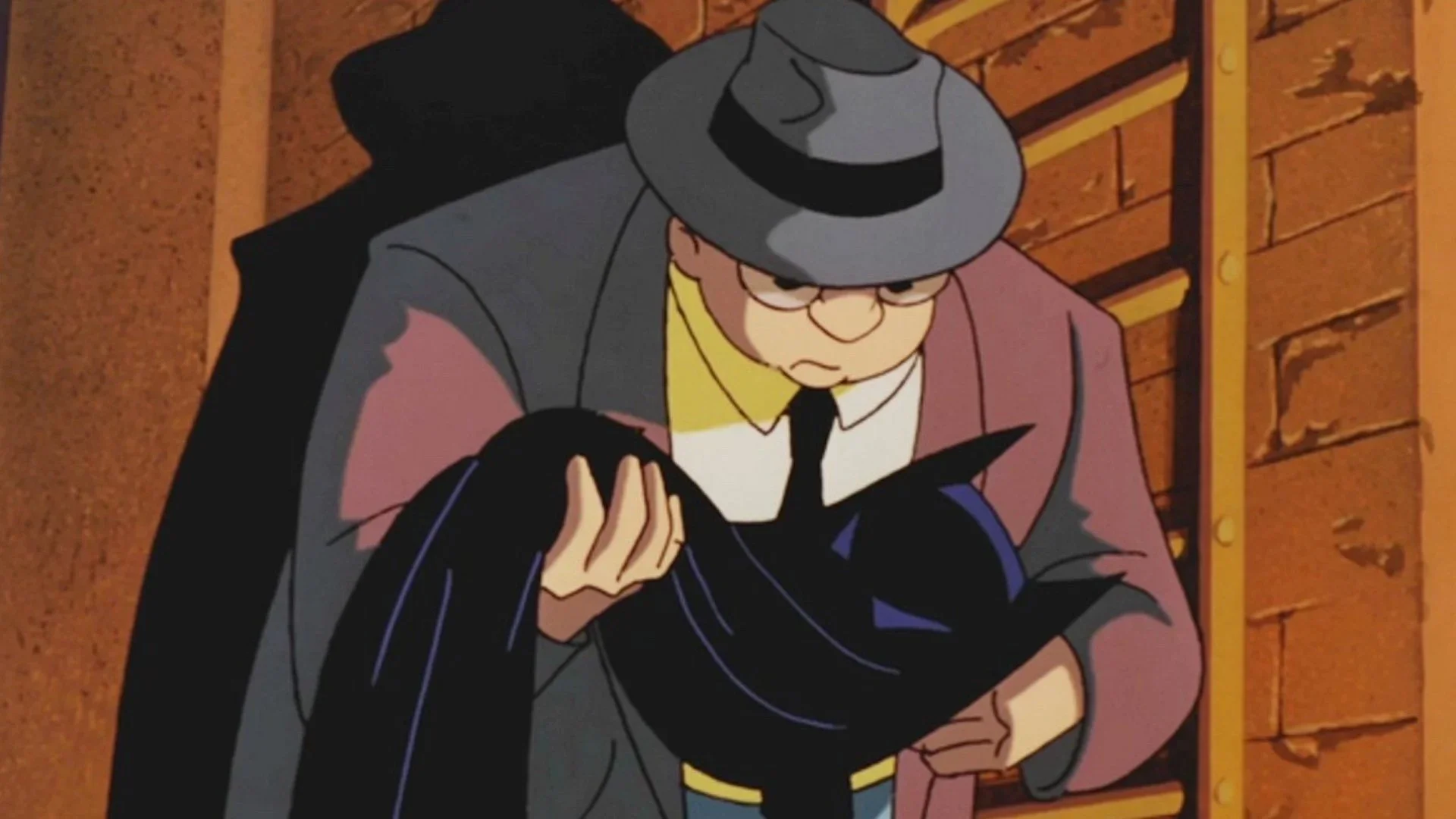
In the high-stakes landscape of superhero filmmaking, where multi-billion-dollar cinematic universes often hinge on the shoulders of caped crusaders and cosmic deities, there is a quiet, persistent yearning for the ground-level perspective. Zach Cregger, the filmmaker who masterfully subverted horror tropes with Barbarian and currently commands anticipation for his upcoming feature Weapons, has kept a specific, grounded passion project simmering on his creative backburner: a Gotham City story titled Henchman.
While Cregger has recently expressed a desire to step away from the crushing weight of major franchise IP, Henchman continues to represent a unique outlier in his filmography. It is a story not about the billionaire vigilante or the clown prince of crime, but about the invisible man—the pharmacist living in the periphery of a city defined by chaos.
The Core Concept: A New Lens on the Dark Knight
The premise of Henchman is refreshingly modest. Rather than focusing on the "tectonic plates" of comic book lore, intergalactic threats, or the complex politics of the Justice League, the film centers on a mundane, ordinary individual.
According to Cregger, the narrative follows a pharmacist who finds himself inadvertently thrust into the crosshairs of Gotham’s most dangerous power struggle. It is a story of accidental proximity; a man whose life is defined by the banality of filling prescriptions until he is suddenly a cog in the machine of a Batman-Joker conflict.
Cregger has been vocal about his lack of "superhero fanboy" credentials, noting that he is not a devotee of deep-cut Batman lore. Instead, he is drawn to the narrative potential of the bystander. He describes the story as an intimate, simple character study—a narrative akin to "an ant pushing a grain of sand." By removing the focus from the hero’s gadgets and the villain’s grand machinations, Cregger aims to highlight the absurdity of living in a city where such people exist.
Chronology of a Passion Project
The journey of Henchman from an idea to a persistent headline has been marked by a blend of genuine creator intent and the inevitable "internet rumor mill" distortion.
- Initial Emergence (2023): The project first gained significant traction in the public consciousness following reports that Cregger had penned a script about a low-level henchman who gains notoriety after a stroke of luck—specifically, incapacitating Batman. Early, unverified reports suggested a film heavy on cameos, involving Harley Quinn and the Joker in prominent capacities.
- The Clarification Phase (2024): Recognizing that the public narrative was veering toward a standard "Batman spin-off" expectations, Cregger took to various interviews to set the record straight. He clarified that the film is not a "Joker and Harley Quinn movie." He explicitly stated that he had not formally pitched the project to James Gunn or DC Studios at that time, aiming to ground the audience’s expectations: this is a movie about a guy in a pharmacy, not a massive ensemble piece.
- Current Status: As of his most recent press cycles, Cregger has reaffirmed that Henchman remains a story he is deeply interested in telling. While he is currently occupied with other high-profile directorial efforts, the script remains a part of his creative future.
Analyzing the "Gotham Bystander" Trope
The appeal of Henchman lies in its subversion of the genre. Gotham City has long been depicted as a theater of war for its super-powered residents, but the civilian experience is rarely given the spotlight unless it is through the lens of a tragedy that prompts the hero’s arrival.
Cregger’s approach mirrors the "everyman" appeal found in noir classics or crime thrillers like After Hours or Falling Down, where the environment itself is the antagonist. By framing Gotham as a claustrophobic, dangerous, and confusing place for someone who isn’t a costumed vigilante, Cregger touches on a fundamental truth of the DC Universe: it is a terrifying place to live if you don’t have a cape.
This perspective allows for a different kind of tension. In a standard Batman film, the threat is usually physical or psychological. In Henchman, the threat is bureaucratic, societal, and circumstantial. How does a pharmacist navigate the fallout of a city block destroyed by a Joker-led riot? How does he manage the mundane tasks of daily life when his city is a revolving door of super-villainy?
The DC Studios Dilemma: Canon vs. Creativity
The question of whether Henchman fits into James Gunn and Peter Safran’s new DC Universe (DCU) is complex. DC Studios is currently in a phase of restructuring, with projects like The Brave and the Bold aiming to establish a definitive Batman for the new era, and Clayface exploring different facets of Gotham.
There is a natural argument for the "Batman-adjacent" movie. Audiences have shown an appetite for grounded, character-focused spins on established IP—Joker and The Batman proved that tonal shifts are not just acceptable, but commercially lucrative. However, there is also the risk of "IP fatigue."
If Cregger were to bring Henchman to DC Studios, he would be asking for a commitment to a project that intentionally refuses to participate in the "giant tectonic plates" of the shared universe. For James Gunn, a director known for his appreciation of offbeat, character-driven narratives, this might be exactly the kind of project that brings credibility to the DC brand. It signals a willingness to allow auteur-driven visions to flourish alongside the massive, universe-building tentpoles.
The Alternative: An Independent Path
Perhaps the most compelling aspect of Cregger’s public stance is the implicit possibility that Henchman does not need the DC logo to be successful.
Cregger has openly contemplated the idea that the core of the story—a regular person caught in a dangerous power struggle—could be translated into an original work. By stripping away the names "Batman" and "Joker," Cregger would gain total creative freedom. He could design his own city, his own brand of corruption, and his own unique,, twisted power dynamics.
This would be the ultimate "Cregger move." Much like Barbarian took a simple, recognizable horror setup and spiraled it into something entirely unexpected, an independent version of Henchman could provide a visceral, cynical look at urban crime without the constraints of corporate licensing. He would not be waiting for a green light from a studio executive; he would be the sole architect of the madness.
Implications for the Future of Cregger’s Career
Where does Henchman fit into the trajectory of a filmmaker who has proven himself a master of tension? Cregger has stated that he wants to be "intimidated" by his next movie—he wants to face problems that are manageable but deeply personal.
Whether Henchman becomes a DC project or an original film, it signifies a move toward smaller, more intimate storytelling. After the scale of Weapons, a shift toward a grounded, perhaps darkly comedic crime thriller feels like the natural evolution for his voice.
Ultimately, Henchman is a testament to the power of a strong narrative hook. Whether or not it ever reaches the screen, it serves as a reminder that the best stories are often found in the corners, not the center. It challenges the industry’s obsession with massive, interconnected narratives and asks a simple question: what happens to the person standing in the pharmacy while the city burns?
For fans of Cregger’s work, the prospect of Henchman remains an exciting beacon of potential. It is a story that feels tailor-made for his particular brand of discomfort, dark humor, and humanity. Whether it finds its home in Gotham or a city of his own making, the story of the pharmacist is one that many are eager to hear.
