
The Uncanny Welsh Landscape: How Mac Nixon’s Flock Redefines the Short Film
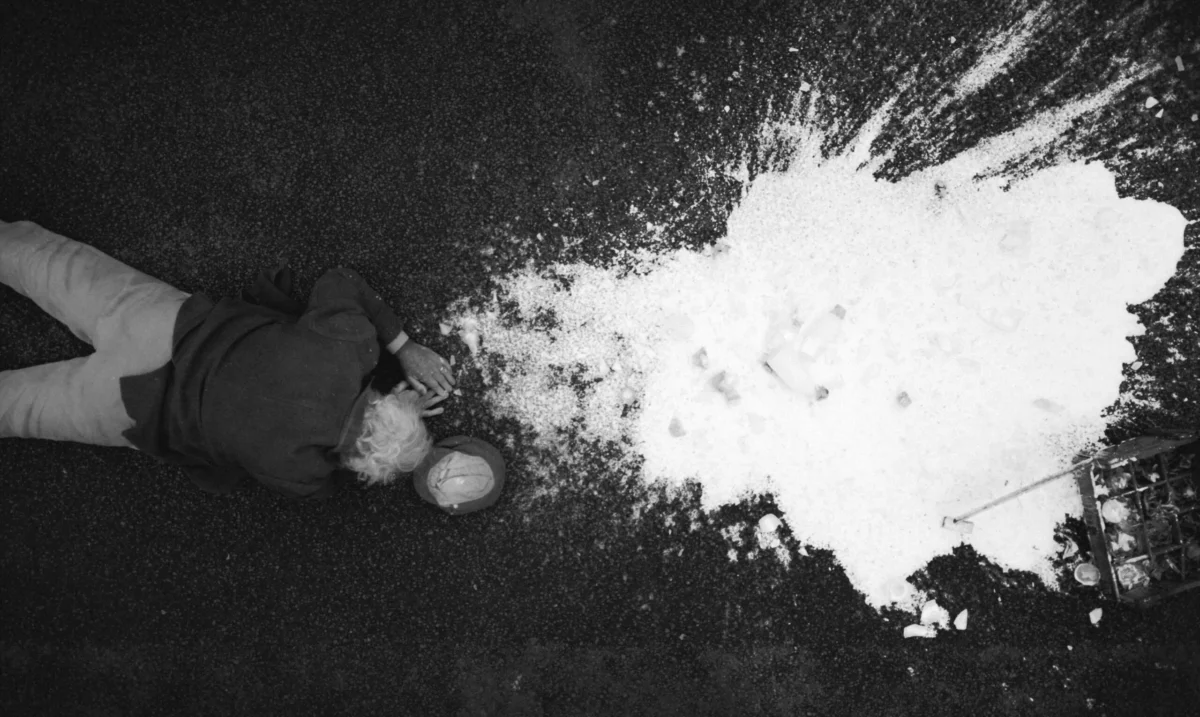
In the landscape of contemporary independent cinema, short films are often treated as mere calling cards—narrative sketches designed to demonstrate technical aptitude before the inevitable pivot to feature-length projects. However, director Mac Nixon’s Flock arrives as a formidable exception. Funded by the BFI and Film4 through their prestigious "Future Takes" initiative, Flock is not a test run; it is a fully realized, cinematic powerhouse that challenges the boundaries of genre, regional representation, and the very structure of the short film format.
The Anatomy of a Cinematic Hook: Establishing the Uncanny
From its opening sixty seconds, Flock signals to the audience that it is a film operating on its own, uncompromising terms. The experience begins with archival footage of sheep, accompanied by an eerie, tension-building score that immediately establishes an atmosphere of "the uncanny." This is the classic cinematic technique of making the ordinary feel deeply wrong.
Ninety seconds later, Nixon executes an extraordinary long take that captures the inexplicable, instantaneous disappearance of an entire flock. In this single, masterfully controlled sequence, the director makes his intentions clear: this is a film that weaponizes the power of withholding information. By allowing the image to linger—stretching the viewer’s patience just until the silence becomes heavy and the frame feels porous—Nixon crafts a moment of dread that is arguably the most striking cinematic set-up of the year.
Chronology and Concept: From History to Horror
The genesis of Flock is as rooted in reality as its final product is surreal. The project’s development reflects a synthesis of historical trauma and modern narrative anxiety.
- The Conceptual Seed: The initial spark for the project was the peculiar, tragic history of how the 1986 Chernobyl disaster and its subsequent radioactive fallout affected sheep populations in North Wales. The ecological and economic anxiety of that period provided a haunting backdrop for the film’s central mystery.
- Development and Funding: With the support of the BFI/Film4 Future Takes scheme, Nixon shifted the focus from a purely historical account to a narrative exploration of community collapse. The "Future Takes" mandate—to support ambitious, innovative storytelling—allowed Nixon the budget and creative freedom to execute what he terms a "blockbuster short."
- Production: The shoot took place in the rugged, unforgiving terrain of rural Wales. By choosing a black-and-white aesthetic, the production team stripped away the distractions of color, focusing instead on texture, shadow, and the stark geometry of the landscape.
- The Final Polish: The post-production phase focused heavily on the sound design and the pacing of the "disappearance" sequence, ensuring that the transition from a realistic drama to an inexplicable, supernatural event felt seamless yet jarring.
Supporting Data: The "Future Takes" Mandate and Technical Scale
The BFI and Film4’s "Future Takes" initiative was specifically designed to bridge the gap between low-budget experimentation and the high-production values often reserved for feature films. Flock serves as a case study for why this investment is vital.
Technical Prowess vs. Narrative Necessity
While many short films rely on digital effects that can feel weightless or distracting, Flock leans into practical effects. The "blockbuster" feel comes not from CGI excess, but from a "confident command of cinematic scale." The cinematography utilizes wide, sweeping shots of the Welsh countryside to emphasize the isolation of the community, while intimate, tight framing on the characters highlights their internal fracture.
The Aesthetic Choice
The decision to film in black and white was not merely a stylistic flourish. In the context of Flock, the monochromatic palette serves two purposes:
- Timelessness: It removes the film from a specific modern decade, grounding it in the tradition of dark folk tales and Gothic horror.
- Visual Cohesion: It forces the viewer to focus on the interplay between the human figures and the land, rendering the sheep’s disappearance a visual scar on the landscape rather than a narrative plot point.
Official Responses and Creative Intent
In interviews regarding the film’s release, Mac Nixon has been candid about his frustrations with the traditional cinematic depiction of Wales. There exists, he notes, a persistent, lazy tendency in mainstream media to portray Welsh communities as "simple people with simple problems who all come together in a crisis and go home happy."
Nixon’s stated goal was to dismantle this trope. "The film is concerned with how a community reacts when their livelihoods are taken away from them," Nixon explains. He intentionally avoids the "comforting resolution"—the Hollywood-style ending where the community finds strength in unity and moves forward. Instead, Flock presents a gritty, often uncomfortable look at how crisis acts as a catalyst for isolation, suspicion, and deep-seated social decay.
By using a surreal premise, Nixon creates a "pressure cooker" environment. The disappearing livestock is a metaphor for the erosion of identity, the loss of heritage, and the feeling of being abandoned by the outside world. The "official" artistic response from those who have viewed the film—critics and industry professionals alike—has been one of praise for its refusal to offer easy answers, viewing it as a significant departure from the sentimentalization of rural life.
The Implications: Challenging the "Welsh Narrative"
The implications of Flock go far beyond the borders of the film itself. It is a challenge to the industry’s gatekeepers to move away from the "postcard" version of regional cinema.
Breaking the "Simple People" Trope
By presenting a realistic and gritty portrayal, Nixon forces the audience to engage with the complexity of Welsh identity. The film implies that there is a darker, more multifaceted reality to rural life—one that involves class tension, environmental anxiety, and the psychological toll of being an "othered" community.
The Short Film as a "Blockbuster"
Flock proves that the short film format can hold its own weight as a "big" cinematic experience. The industry has long viewed shorts as training grounds, but the success of Flock demonstrates that if given the resources (via initiatives like Future Takes), filmmakers can produce work that is as visually ambitious and thematically dense as any multi-million dollar blockbuster.
A New Wave of Folk Horror
Finally, Flock contributes to a growing trend of "elevated" folk horror, where the supernatural elements are secondary to the sociopolitical commentary. It sits comfortably alongside films like The Witch or The Wicker Man, where the landscape itself is a primary antagonist. By grounding his story in the specificities of Welsh history—the fallout from Chernobyl, the economic reliance on agriculture—Nixon has created a piece of work that is deeply rooted in a specific place, yet universally understood in its portrayal of fear and uncertainty.
Conclusion
Flock is a triumph of vision and execution. By marrying the scale of a blockbuster with the intellectual rigor of an art-house drama, Mac Nixon has crafted a film that is as unsettling as it is necessary. It serves as a stern reminder that the most compelling stories are often those that refuse to be categorized, and that the most effective way to represent a community is not through the comfortable lens of nostalgia, but through the challenging, often terrifying, lens of reality. As the final frames fade to black, the audience is left not with the relief of a resolved mystery, but with the haunting, persistent question: what happens to a community when its identity simply vanishes into the mist?
