
A Modern Reckoning: Netflix Reimagines Spain’s Literary Masterpiece ‘La Regenta’
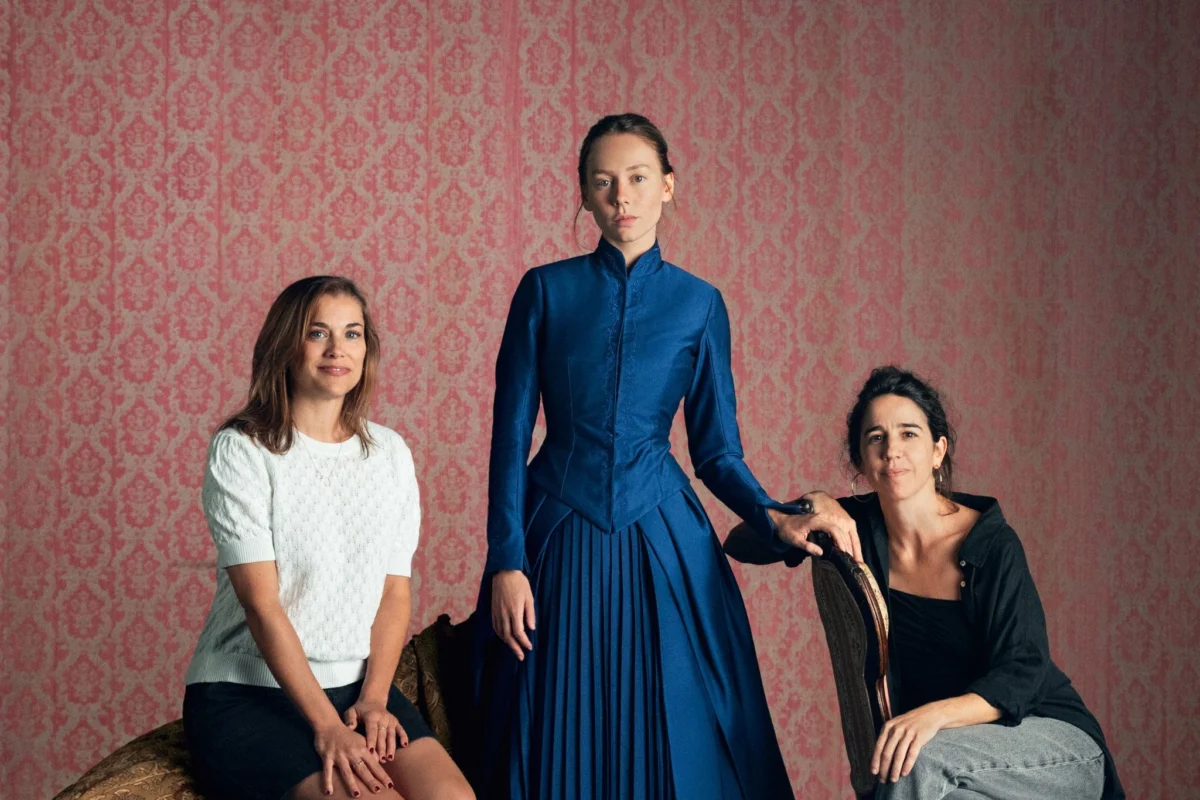
In a cinematic coup that has sent shockwaves through the European film industry, Netflix has announced a high-profile, contemporary adaptation of Leopoldo Alas “Clarín’s” 19th-century masterpiece, La Regenta. The project, which officially entered production on October 23, is poised to become one of Spain’s most significant cultural exports of 2027. Directed by the acclaimed Locarno-winning filmmaker Mar Coll and starring Netflix sensation Ester Expósito, the film promises to breathe new, radical life into one of the most celebrated novels in the Spanish language.
The Genesis of an Ambitious Adaptation
The news, kept under a veil of total secrecy until its Friday announcement, marks a strategic pivot for Netflix. Following the massive global success of adaptations like Gabriel García Márquez’s One Hundred Years of Solitude and the Argentinian hit The Eternaut, the streaming giant is doubling down on "big IP" (Intellectual Property). By tackling La Regenta, Netflix is not merely producing a period drama; it is attempting to translate a foundational text of Spanish literature for a modern, global audience.
Produced by María Zamora—a powerhouse figure behind acclaimed works such as Alcarràs and Creatura—the film is being handled by Elastica Films. Zamora, a recipient of Spain’s National Cinematography Award, has built her career on championing visionary auteurs, particularly women, and this collaboration with Coll signals a prestigious, high-budget commitment to artistic excellence.
A Literary Giant: Contextualizing the Source Material
To understand the magnitude of this production, one must understand the weight of the original novel. Published in two volumes between 1884 and 1885, La Regenta was initially lambasted by conservative critics for its searing, unflinching critique of provincial society. Today, it stands as a pillar of European realism.
English writer Julian Barnes recently noted that the novel belongs in the pantheon of the 19th century’s greatest works, ranking alongside Gustave Flaubert’s Madame Bovary and Leo Tolstoy’s Anna Karenina. It is, by many accounts, second only to Don Quixote in the hierarchy of Spanish literature. The novel is a nearly 700-page dissection of a stifling, hypocritical provincial city—the fictional "Vetusta"—where social judgment is the primary currency. It serves as a scathing portrait of toxic masculine ego, religious hypocrisy, and the crushing weight of small-town morality.
The Narrative Arc: A Modern Female Perspective
At the heart of the story is Ana Ozores, played by Ester Expósito. Ana is a young, beautiful woman trapped in a marriage of convenience to Víctor Quintanar, a former magistrate twice her age. As the official synopsis describes it, Vetusta is a city where "everything is known and everything is judged."
The narrative trajectory follows Ana as she seeks meaning in a loveless existence. In the original text, this search leads to a dangerous collision between desire and faith, as she becomes the object of lust for two men: the predatory, manipulative Fermín de Pas—her sensual confessor at the cathedral—and the local Don Juan, Álvaro Mesía.
What begins as a private crisis for Ana quickly devolves into a silent, public war. Her every move is scrutinized, weaponized, and eventually used to dismantle her reputation by the very society that claims to uphold her virtues. Netflix has promised that this iteration will interpret these events through a "fresh female perspective," focusing on the psychological interiority of Ana as she navigates a world designed to prey on her agency.
The Creative Team and Star-Studded Ensemble
The film’s screenplay is a collaborative effort between director Mar Coll, the brilliant Anna R. Costa (known for the series Madrid Arde), and the acclaimed Peruvian auteur Diego Vega. This trio brings a diverse range of narrative experience, ensuring that the script balances the density of the 19th-century prose with the pacing and sensitivity of contemporary cinema.
The casting is equally formidable. Joining Expósito are:
- Oriol Pla (I, Addict, The Day After Tomorrow) as the manipulative Magistral Fermín de Pas.
- Vito Sanz (Billionaires’ Bunker) as the aging, disconnected husband, Víctor Quintanar.
- Borja Luna (Breathless) as the charming but duplicitous Álvaro Mesía.
The supporting cast is a "who’s who" of Spanish talent, including Clara Ingold (Iron Reign), Carlos González (La Bola Negra), the legendary Ana Torrent (Thesis), Itsaso Arana (The Other Way Around), and Gonzalo de Castro (The Immortal).
Mar Coll: A Director for the Times
For Mar Coll, La Regenta is a natural evolution of her career. As a founding mother of the "Newest Catalan Cinema," Coll has spent two decades dissecting the hypocrisies of the upper-middle class and the emotional paralysis inherent in traditional social models. From her Goya-winning Three Days With the Family to her recent Locarno-honored Salve María, which explored the taboo surrounding the societal expectations of motherhood, Coll has consistently challenged the status quo.
"Clarín’s novel is so rich that dozens of different adaptations can be made from it," Coll said in a recent statement. "I have tried to approach the material, humbly, from a radically personal perspective. I have made my own what has moved me most in the novel: the loneliness and heartbreak of this regent’s wife, who tirelessly longs to give meaning to her life. A luminous character inhabiting a universe poised to prey on her. A woman whose sensitivity and stubborn search constitute, in themselves, a form of resistance."
Implications: Why This Movie Matters
The decision to adapt La Regenta in 2027 carries significant implications for both the Spanish film industry and the global streaming landscape.
1. Elevating Local IP to Global Standards: By framing La Regenta as a high-concept, prestige project, Netflix is proving that non-English literary classics have immense "event" potential. It moves beyond the trend of low-budget regional dramas and places Spanish history on the same footing as big-budget Hollywood epics.
2. The Reclaiming of the "Provincial" Narrative: Through the lens of modern feminism, the film aims to strip away the archaic judgment of the 19th century and replace it with empathy. By positioning Ana’s struggle as a "form of resistance," Coll is inviting a contemporary audience to view the protagonist not as a fallen woman, but as an individual fighting for autonomy in a system designed to suppress it.
3. The "Zamora Effect": María Zamora’s involvement is a seal of quality that bridges the gap between independent cinema and commercial streaming. Her ability to foster auteurs and bring their specific, often experimental voices into the mainstream is the backbone of this project’s credibility.
4. A Critical Test for Netflix: After the success of One Hundred Years of Solitude, the pressure on La Regenta is immense. If it succeeds, it will solidify Netflix’s role as the primary custodian of world literature in the digital age. If it fails, it may force the industry to reconsider the difficulty of translating dense, 19th-century psychological realism into the fast-paced world of global streaming.
Looking Toward 2027
As production continues, the industry will be watching closely. La Regenta is more than a movie; it is a cultural audit. By taking a story of a woman trapped in a stifling, judgmental environment and re-examining it through the eyes of a modern, feminist director, the team behind this film is attempting to turn a Victorian-era nightmare into a 21st-century anthem of defiance.
For Ester Expósito, this represents a transition from television icon to a potential cinematic powerhouse, stepping into the shoes of one of literature’s most complex women. For Mar Coll, it is the canvas she has been building toward for twenty years. And for the audience, it promises a return to the roots of storytelling—reminding us that, even after nearly 150 years, the struggle for self-definition remains as relevant as ever.
