
The Monumental Legacy of Spielberg’s War of the Worlds: A Masterclass in Modern Sci-Fi Terror
Main Facts
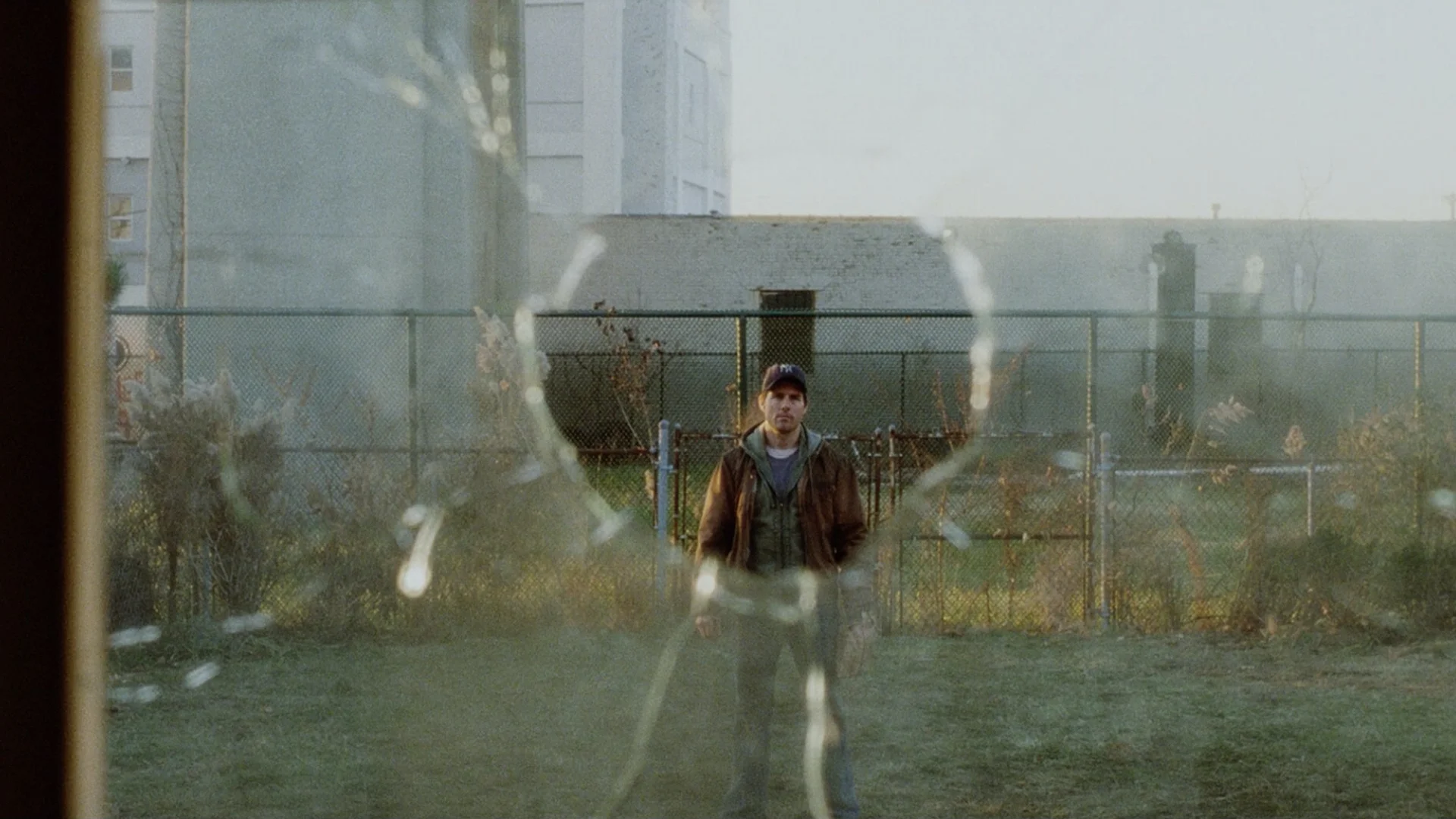
Released in the summer of 2005, Steven Spielberg’s War of the Worlds stands as a defining milestone in contemporary science fiction cinema. Based on the pioneering, genre-defining 1898 novel by H.G. Wells, the film reimagines interplanetary terror for a post-9/11 world. Starring Tom Cruise as an estranged dockworker desperately trying to protect his children amidst a devastating global alien invasion, the blockbuster is equally renowned for the monumental creative forces behind it.
The production brought together an elite tier of cinematic royalty, anchored by two recipients of the American Film Institute’s (AFI) highest honor—the AFI Life Achievement Award: director Steven Spielberg and legendary composer John Williams. Furthermore, the film’s distinct visual aesthetic and structural backbone were shaped by celebrated cinematographer Janusz Kamiński (an AFI Conservatory alumnus, Class of 1987) and producer Kathleen Kennedy, who serves as the Chair of the AFI Board of Trustees.
Merging cutting-edge digital effects with deeply visceral, human-scale panic, War of the Worlds grossed over $703 million worldwide, solidifying its place not only as a commercial juggernaut but as a masterclass in tension-building and apocalyptic spectacle.
Chronology of a Masterpiece: From Wells to Spielberg
To understand the magnitude of the 2005 film, it is essential to trace the lineage of H.G. Wells’ enduring source material and the long road it took to reach Spielberg’s vision.
- 1898: H.G. Wells publishes The War of the Worlds, introducing the world to Martian tripod fighting-machines and establishing the foundational tropes of modern alien invasion fiction.
- 1938: Orson Welles and the Mercury Theatre on the Air broadcast a radio adaptation that famously causes widespread panic across the United States, proving the timeless malleability and terror of Wells’ premise.
- 1953: Paramount Pictures releases the first major feature-film adaptation directed by Byron Haskin, transporting the setting to Cold War-era California and winning an Academy Award for Best Special Effects.
- Early 2000s: Steven Spielberg, having previously explored benevolent extraterrestrials (Close Encounters of the Third Kind, E.T. the Extra-Terrestrial), turns his lens toward a darker, far more menacing alien encounter. Development accelerates with Tom Cruise attached to star.
- Late 2004 – Early 2005: Principal photography takes place across the U.S. under extreme secrecy, utilizing massive practical sets and state-of-the-art CGI spearheaded by Industrial Light & Magic (ILM).
- June 29, 2005: War of the Worlds premieres in theaters globally, drawing massive audiences and sparking intense critical discourse regarding its dark, allegorical reflection of contemporary trauma.
Supporting Data and Production Metrics
The commercial and artistic footprint of War of the Worlds is underscored by remarkable production figures and box office milestones:
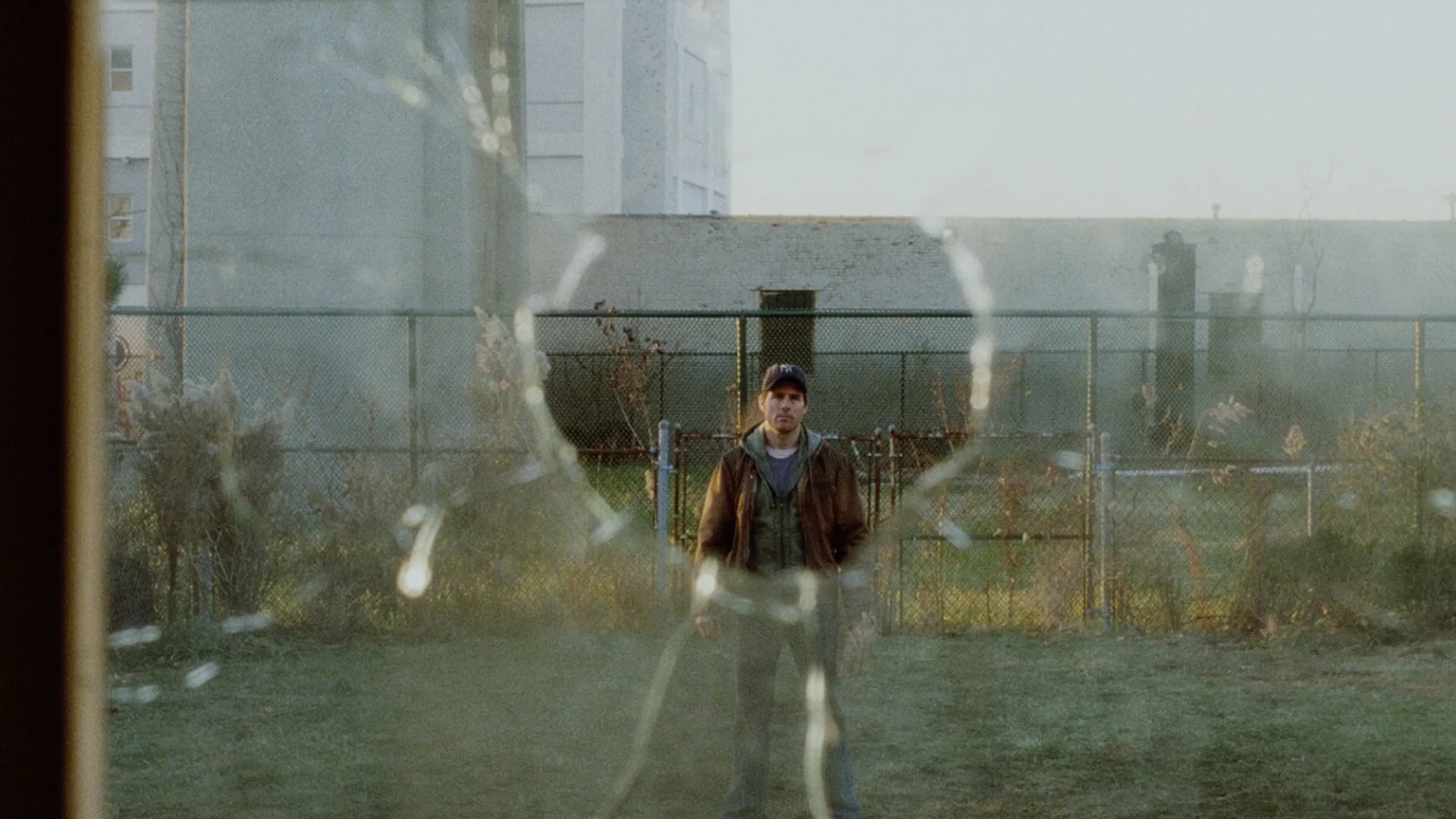
- Box Office Performance: Produced on an estimated budget of $132 million, the film grossed $234.3 million domestically and $469.1 internationally, bringing its cumulative global total to roughly $703.4 million. It ranked as the fourth highest-grossing film worldwide of 2005.
- AFI Accolades & Leadership: Director Steven Spielberg received the AFI Life Achievement Award in 1995, while composer John Williams was honored in 2016. Cinematographer Janusz Kamiński graduated from the prestigious AFI Conservatory in 1987, and Kathleen Kennedy’s leadership as Chair of the AFI Board of Trustees anchors the production’s deep ties to the Institute.
- Accolades: The film earned three Academy Award nominations: Best Visual Effects, Best Sound Editing, and Best Sound Mixing, highlighting its technical mastery in immersing audiences directly into a global catastrophe.
- The Creative Partnership: The 2005 release marked the 21st collaboration between Steven Spielberg and John Williams, a partnership widely regarded as one of the most fruitful director-composer pairings in cinematic history.
Official Responses and Critical Reception
Upon its release, War of the Worlds drew widespread acclaim for its unrelenting pacing, terrifying sound design, and refusal to soften its apocalyptic edges for family audiences.
Critics particularly noted how the film diverged from traditional sci-fi heroics. Rather than focusing on military strategy, world governments, or scientists finding a cure, Spielberg’s narrative remains tightly tethered to the ground-level perspective of an ordinary, flawed father.
Steven Spielberg noted in retrospective interviews that the project was born out of a desire to explore raw survival: "I wanted to make something that was intensely gripping, where you felt like you were running for your life right alongside the characters."
Tom Cruise reflected on the physical and emotional intensity of the shoot: "We didn’t want to make a movie where humanity bands together immediately with cool sci-fi gadgets. We wanted to show what happens when ordinary infrastructure collapses in seconds, and all you have left is your family."
Film historians and institutions like the American Film Institute have continually praised the picture for its technical brilliance. Through the AFI Catalog, scholars and film lovers can explore how the production utilized pioneering visual effects to bridge the gap between classical Hollywood storytelling and modern digital filmmaking.

Implications for Modern Cinema and the Sci-Fi Genre
The legacy of the 2005 adaptation extends far beyond its box office receipts; it fundamentally reshaped how disaster and invasion narratives were approached in the 21st century.
1. The Post-9/11 Cinematic Landscape
Released less than four years after the September 11 attacks, War of the Worlds unapologetically tapped into a collective American anxiety. The imagery of falling ash, abandoned cars coated in gray dust, missing-person bulletin boards fluttering in the wind, and sudden, cataclysmic destruction directly mirrored real-world tragedies. By refusing to offer comforting, patriotic resolutions—and instead relying on nature’s own microscopic immune system to defeat the invaders—Spielberg captured a profound sense of human vulnerability.
2. Technological and Aesthetic Integration
The film serves as a pivotal bridge in Janusz Kamiński’s cinematography career. Known for his desaturated, high-contrast palettes, Kamiński utilized aggressive camera movements, digital grading, and dynamic lighting to create a chaotic, documentary-style aesthetic. This approach heavily influenced subsequent sci-fi and disaster thrillers, proving that CGI is most effective when grounded in a gritty, realistic visual grammar.
3. Preserving the Art of the Moving Image
Through the ongoing preservation efforts of organizations like the American Film Institute, War of the Worlds remains a vital text for aspiring filmmakers and historians. By examining the collaboration between Spielberg, Williams, Kamiński, and Kennedy, modern storytellers can learn how unified artistic vision, technical precision, and emotional stakes combine to create enduring art.
As audiences continue to stream and revisit the classic film, War of the Worlds stands firm as a towering achievement—a terrifying, breathless reminder of human resilience in the face of the unknown.
