
The Ultimate Halloween Culinary Conundrum: Tombstone Unveils the Polarizing Candy Corn Pizza
Main Facts
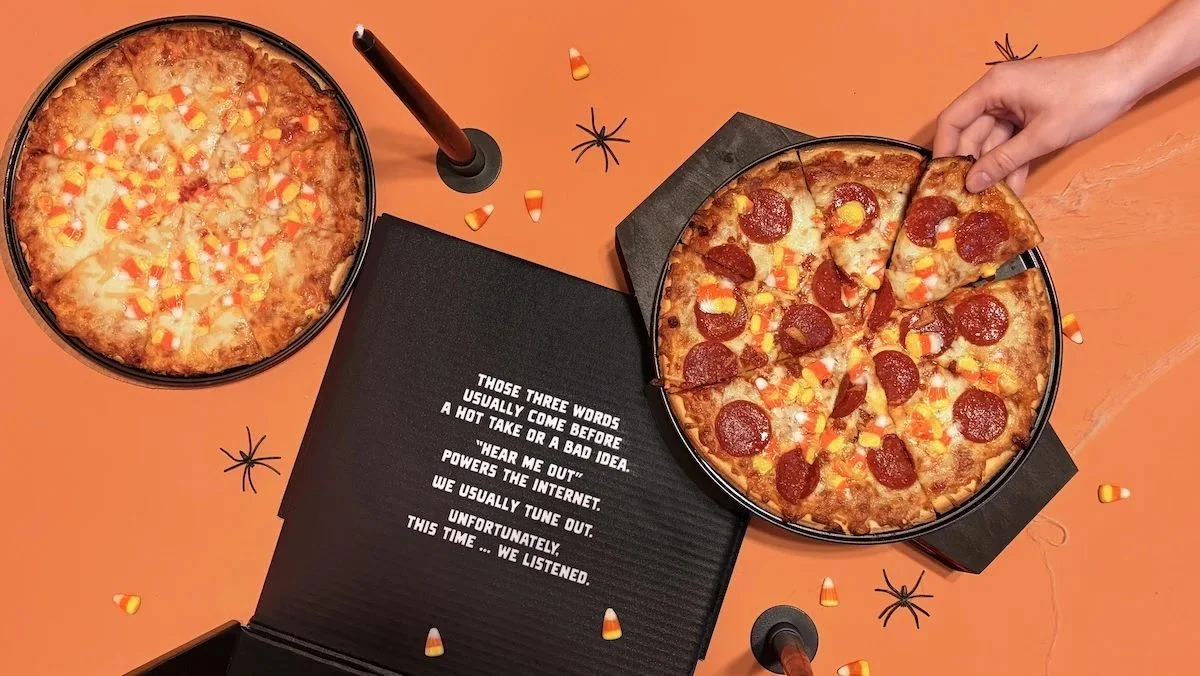
Just when society thought the boundaries of novelty fast-food experimentation had reached their absolute limit, Tombstone has crossed a terrifying, sugary Rubicon. For the 2026 Halloween season, the iconic frozen pizza brand has introduced a limited-edition offering that is poised to divide culinary enthusiasts and horror fans alike: the Candy Corn Pizza.
Officially and self-deprecatingly marketed by the company as “The Pizza Nobody Asked For,” this seasonal creation combines the savory, greasy comfort of a classic frozen pepperoni-and-cheese pizza with a massive, vibrant topping of waxy, tri-colored sugary confections. Available exclusively through an online flash sale starting October 23 at 2:00 PM EST, these specialized kits are priced at a nominal $1.31—a nod to the Halloween calendar date. Each ordered kit includes one standard Tombstone pizza, three dedicated packets of candy corn, and explicit preparation instructions detailing when and how to apply the festive sugar bombs to the pie.
For defenders of the much-maligned seasonal treat, this launch represents both a golden opportunity and a harrowing test of loyalty. While candy corn has long endured as the internet’s favorite punching bag every October, pairing it directly with melted mozzarella, zesty tomato sauce, and spiced pepperoni elevates the debate from harmless holiday banter to full-scale gastronomic warfare.
Chronology of a Culinary Madness
The timeline leading up to the creation of the Tombstone Candy Corn Pizza reflects a broader industry trend toward shock-value seasonal marketing, where major food brands lean heavily into meme culture to capture consumer attention during the lucrative autumn holiday window.
- Early October: Food scientists and marketing executives at Tombstone reportedly began exploring high-impact, conversation-starting concepts for the Halloween season. Recognizing that traditional spooky-themed foods (like ghost-shaped chicken nuggets or pumpkin-spice-flavored crusts) had become commonplace, the team looked for a more disruptive angle.
- Mid-October: The decision was finalized to tackle the ultimate polarizing ingredient of the autumn season: candy corn. Prototypes combining standard frozen pizzas with sweet, honey-flavored corn syrup confections were tested behind closed doors.
- October 22: Initial promotional imagery and press releases leaked across foodie blogs and pop-culture outlets, showcasing vibrant yellow, orange, and white kernels cascading over bubbling layers of pepperoni pizza. The internet reacted with immediate, polarized fascination.
- October 23, 2:00 PM EST: Tombstone officially launches its exclusive online storefront via Shopify, putting the limited-run $1.31 DIY Candy Corn Pizza kits up for grabs to the bravest and most curious flavor-seekers on the internet.
Supporting Data & Market Context
To understand the audacity of Tombstone’s latest stunt, one must look at the unique socio-economic landscape of seasonal novelty foods and the enduring, fiercely debated market of candy corn itself.
According to seasonal confectionery data, Americans purchase over 35 million pounds of candy corn annually during the autumn harvest and Halloween season. Despite its immense sales volume, the confection consistently tops lists of the "most hated Halloween candies." Its polarizing nature stems primarily from its texture—a dense, chewy bite derived from sugar, fondant, marshmallow cream, and carnauba wax—and its intensely sweet, honey-forward flavor profile.

Tombstone’s pricing strategy of $1.31 per kit is deliberately symbolic, signaling to consumers that this is an experimental novelty rather than a serious, long-term menu pivot. However, the economics of limited-run novelty food items rely heavily on "earned media"—the free publicity generated when influencers, journalists, and everyday consumers purchase, prepare, and brutally critique or surprisingly praise the product on social media platforms like TikTok, X (formerly Twitter), and Instagram.
Previous novelty mashups by competing brands—such as macaroni-and-cheese ice cream, pickle-flavored cotton candy, and various fast-chain pizza crossovers—have demonstrated that viral curiosity can drive massive digital engagement. Tombstone is betting that the sheer cognitive dissonance of watching sugar-coated corn bake alongside cured meats will be too powerful a temptation for modern internet culture to ignore.
Official Responses and Brand Positioning
Tombstone’s public relations and marketing collateral have fully embraced the absurdity of the product, adopting a tongue-in-cheek tone that acknowledges the potential horror of the culinary experiment.
In official statements, the brand describes the offering as “the ultimate spooky season za,” while simultaneously leaning into consumer self-awareness by dubbing it “The Pizza Nobody Asked For.” Rather than defending the flavor pairing as a gourmet breakthrough, Tombstone has positioned the product as an endurance test for brave eaters and a fun, low-stakes holiday prank to play at Halloween gatherings.
Food critics and pop-culture commentators have weighed in with varying degrees of amusement and existential dread. Defenders of candy corn argue that sweet-and-savory combinations—such as hot honey on pepperoni, maple syrup on bacon, or pineapple on Hawaiian pizza—are already widely accepted pillars of modern gastronomy. Therefore, they argue, adding candy corn to a cheese-and-pepperoni base is merely the logical, albeit chaotic, extreme of an established culinary philosophy.
Conversely, purists have labeled the concept an affront to Italian culinary heritage and basic human dignity. Food safety boards, thankfully, have not needed to intervene, but local group chats and internet forums have seen heated debates over whether baking fondant-based candy at 400 degrees Fahrenheit releases toxic fumes or simply smells like a burning county fair.

Implications for the Future of Seasonal Fast Food
The release of the Tombstone Candy Corn Pizza is more than just a viral stunt; it highlights a significant shift in how food brands interact with digital consumers. In an era dominated by algorithmic feeds and short-attention-span media, traditional advertising often takes a backseat to experiential shock value.
The Rise of "Daring" Gastronomy
For decades, fast-food chains and frozen food manufacturers relied on predictable, comforting flavor profiles: extra cheese, stuffed crusts, and double meat. Today, brands must constantly innovate to break through the digital noise. By leaning into meme culture and inviting consumers to laugh with (or at) their products, companies like Tombstone foster a sense of community participation.
Will Sweet-Savory Mashups Stick?
While it is highly unlikely that candy corn pizza will become a permanent fixture in the frozen aisle next to supreme and four-cheese varieties, its success will likely inspire even more unhinged food collaborations in future holiday cycles. If adventurous eaters successfully buy out the limited inventory—and if a handful of brave souls genuinely report that the sweet, waxy crunch cuts through the rich grease of the pepperoni—it could permanently alter how brands approach holiday-themed menu development.
Ultimately, whether the Tombstone Candy Corn Pizza is hailed as an avant-garde masterpiece or condemned as a crime against flavor, it has achieved its primary objective: getting people to talk, argue, and look twice at the frozen pizza aisle during the spookiest time of the year. As the dust settles on October 23, one thing remains certain: the defenders of candy corn will either be vindicated as culinary visionaries, or they will finally run out of excuses.
