
A Masterclass in Street-Level Cinema: Noah Segan’s ‘The Only Living Pickpocket in New York’ Revitalizes the Urban Crime Genre
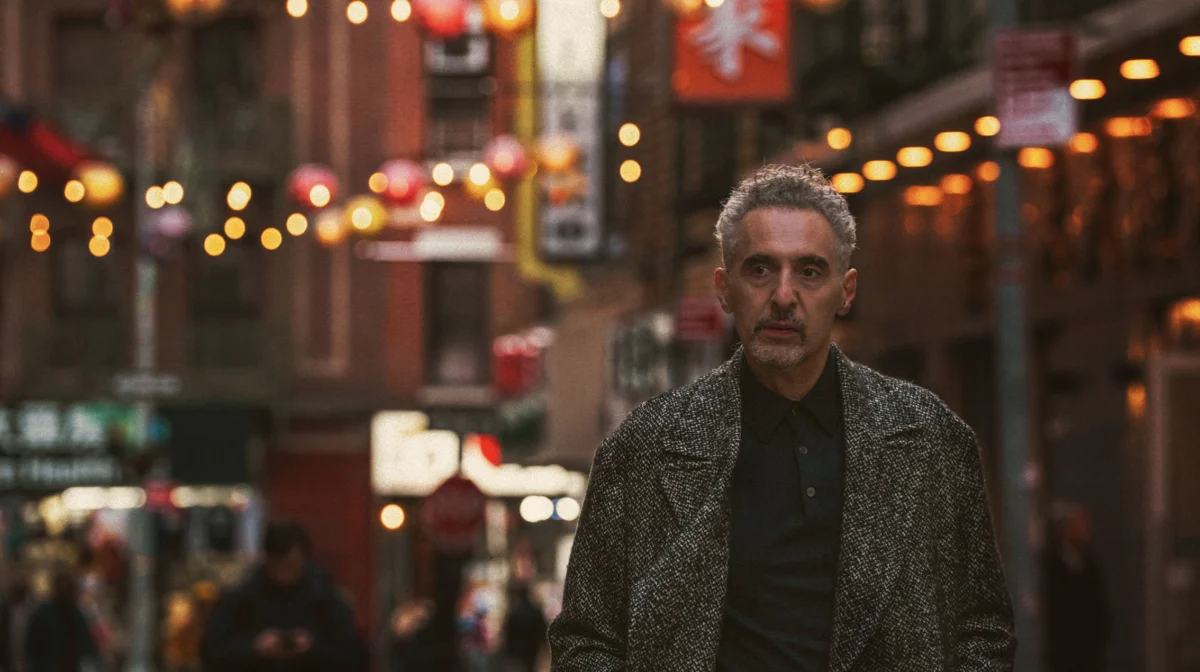
NEW YORK — In an era when Hollywood financial constraints routinely lead indie productions to stand-in locations like Dublin or Toronto for authentic urban stories, writer-director Noah Segan has crafted a defiant, beautifully localized cinematic postcard. Premiering to critical acclaim at the 2026 Sundance Film Festival and slated for a theatrical release by Sony Pictures Classics on Friday, October 23, The Only Living Pickpocket in New York is a minor miracle of modern indie filmmaking.
Rather than leaning on digital trickery or the suspension of disbelief required by foreign substitutes, Segan lensman Sam Levy captures the grit, texture, and multifaceted reality of New York City. Spanning Manhattan, the Bronx, Queens, and Brooklyn, the film culminates in a breathtaking 360-degree harbor view shot not from the typical vantage of Lower Manhattan, but from the murky shoreline of New Jersey. It is a film deeply invested in the geography, pace, and pulse of the metropolis it honors.
Main Facts and Core Premise
At the heart of The Only Living Pickpocket in New York is Harry Lehman, portrayed with masterful, controlled restraint by John Turturro. Harry is an old-school, analog-era con artist bound by a strict, vanishing code. Operating in a city increasingly defined by contactless payments, tap-to-pay infrastructure, and digital security, Harry remains a relic of a tactile past: lifting wallets, breaking into classic cars with spare change, and relying on tactile sleight of hand rather than cyber-fraud.
Produced by Rian Johnson’s T-Street banner alongside MRC, the microbudget feature leans heavily on a stellar ensemble cast. Steve Buscemi stars as Ben, a steady, warm-hearted pawnshop owner who serves as Harry’s primary fence. The supporting cast features Tatiana Maslany in a deeply moving, nearly unrecognizable turn as Harry’s estranged daughter, Lori Tan Chinn as a cantankerous Chinatown matriarch, and Jamie Lee Curtis, who makes a memorable, scene-stealing meal out of a single appearance as a hardened mob boss.

Chronology of Production and Distribution
The trajectory of The Only Living Pickpocket in New York highlights the resurgence of sharp, character-driven independent cinema:
- January 2026: The film makes its world premiere at the Sundance Film Festival, drawing immediate praise from critics for its visual clarity, thematic depth, and avoidance of gratuitous cinematic violence.
- Early 2026: Sony Pictures Classics recognizes the film’s broad commercial and critical appeal, quickly acquiring distribution rights.
- October 23, 2026: The film transitions to its theatrical release, positioned as a major autumn prestige picture for adult audiences seeking grounded storytelling.
Supporting Data and Technical Execution
Segan, a noted protégé of Rian Johnson, approaches the material with surgical precision. To prepare for the role, Turturro engaged in meticulous research, practicing pickpocketing techniques directly on the film’s cast and crew. This hands-on preparation translates on screen into moments of quiet, unflashy confidence.
Visually, cinematographer Sam Levy employs a dynamic language that toggles between wide observational frames and tight, invasive close-ups. This mirrors Harry’s own methodology: scanning a crowded subway car, zeroing in on a target, and executing a lift with clinical focus.
The audio-visual landscape is further shaped by a funk-inflected score reminiscent of James Brown’s The Payback. While occasionally heavy-handed, the music anchors the film in a timeless aesthetic of Big Apple toughness, contrasting sharply with the modern, sterile architecture of contemporary digital commerce.

Official Responses and Creative Vision
The creative team behind The Only Living Pickpocket in New York has been vocal about the film serving as a love letter to a changing New York. In interviews following the Sundance premiere, Segan noted the intentionality behind avoiding lazy tropes about aging characters becoming obsolete.
Instead of pitting the older generation against younger up-and-comers in a battle of bitterness, the film bridges the generational divide. Harry finds himself relying on Ben’s Gen-Z relative (played by Victoria Moroles), a computer whiz who handles the digital transactions Harry neither understands nor desires to master.
Critics and audiences alike have praised this narrative choice. Rather than scolding technological progress, the screenplay acknowledges that survival in a rapidly gentrifying, high-rent New York requires collaboration across generations. As one viewer famously whispered at the Sundance premiere, "I like that they don’t just get put on the shelf."
Implications for the Urban Crime Genre
The Only Living Pickpocket in New York arrives at a crucial juncture for the crime genre. For decades, urban thrillers have relied on escalating stakes, automatic weapons, and sprawling cinematic bodies. Segan’s film subverts these expectations entirely:

- Redefining Conflict: In Harry’s world, violence is treated as a heavy, oppressive pressure rather than an entertaining spectacle. Guns are discarded rather than brandished; windows are smashed, leaving characters stunned on the floor rather than locked in operatic gunfights.
- The Analog vs. Digital Friction: The comedic and dramatic heart of the film rests on the friction between old-school craft and new-school technology. Scenes featuring Harry attempting to load an external data card into Ben’s antiquated 40-pound desktop computer highlight how modern surveillance and security systems have transformed petty crime into a ghost hunt.
- Gentrification as an Antagonist: Beyond individual adversaries, the true antagonist of the film is the relentless creep of modern economics. The narrative poignantly captures the struggle of long-term residents trying to hold onto homes and businesses in a city where historical roots count for little against rising rents.
Ultimately, The Only Living Pickpocket in New York proves that old-school craftsmanship and contemporary realism are not mutually exclusive. By treating New York City as a living, breathing character—from the outer boroughs to the New Jersey shore—Segan delivers an essential crime drama that honors the past while gracefully navigating the realities of the present.
Grade: A
