
Fool’s Gold and Horror’s Guilty Pleasure: Re-Examining the Wild, Unsinkable Leprechaun Franchise
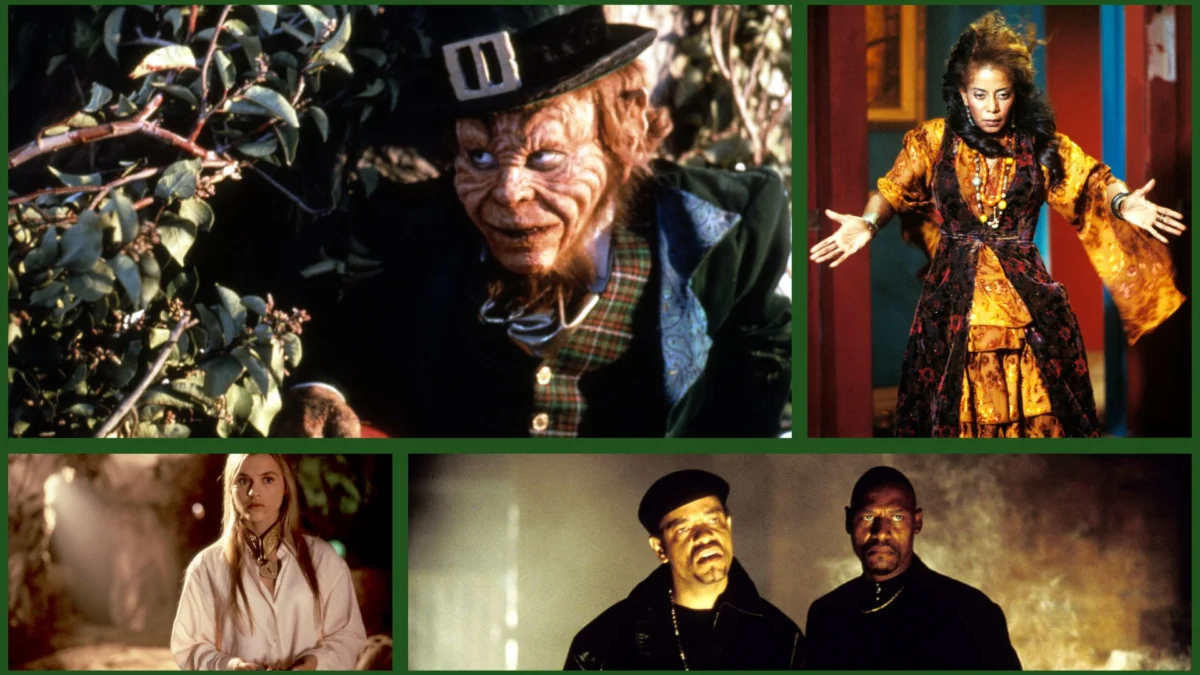
Main Facts
For horror aficionados and counterculture enthusiasts alike, the arrival of spring brings with it a very specific, albeit bizarre, cinematic ritual: revisiting the Leprechaun franchise. While St. Patrick’s Day ostensibly serves as the traditional calendar marker for these viewings, the series has long found a comfortable secondary home among 4/20 observers and midnight-movie devotees.
The franchise centers on Lubdan, a malevolent, rhyming, gold-obsessed mythical creature who has slashed, quipped, and jaw-ripped his way across eight feature films. Over three decades, the series has evolved from an earnest, albeit misguided, 1993 theatrical horror release into a self-aware, genre-bending cult phenomenon.

What makes revisiting the franchise particularly compelling in 2025 is the curious career trajectories of the filmmakers who shaped its modern era. Steven Kostanski—the cult-favorite director behind the delightfully strange Frankie Freako—helmed what is widely considered the franchise’s high-water mark, Leprechaun Returns (2018). Conversely, the series’ absolute nadir, Leprechaun: Origins (2014), was directed by Zach Lipovsky, who has since transitioned to high-profile studio work, co-directing the upcoming Warner Bros. legacy sequel Final Destination: Bloodlines alongside Adam Stein.
Despite fluctuating quality, an erratic tone, and a bizarre narrative trajectory that has taken the titular killer from a rural American farmhouse to outer space, the Leprechaun series refuses to stay buried. It remains one of horror’s most resilient, unpredictable cinematic properties.

Chronology of a Chaos Franchise: From Jennifer Aniston to Outer Space
To understand how the Leprechaun series achieved its unique cultural footprint, one must trace its erratic, six-film foundational run and its subsequent modern reboots.
The Warwick Davis Era (1993–2003)
- The Genesis (Leprechaun, 1993): Written and directed by Mark Jones, the original film was initially conceived as a straight-faced horror movie. Famously, it nearly derailed the theatrical career of a young Jennifer Aniston, who starred as the beleaguered heroine Tory Redding. When test audiences and critics failed to take the scares seriously, the creative team leaned into dark comedy. Warwick Davis stepped into the makeup chair as Lubdan, establishing the character’s signature rhyming dialogue, sadistic cruelty, and obsession with his stolen gold coins.
- Expanding the Mythos (Leprechaun 2, 1994; Leprechaun 3, 1995): The sequel traded rural Ireland-in-America lore for Los Angeles, establishing that the Leprechaun is looking for a bride. By the third installment, the franchise found its stylistic sweet spot in Las Vegas, blending exploitation-style gore with casino-themed slapstick.
- The Gimmick Years (Leprechaun 4: In Space, 1996; Leprechaun in the Hood, 2000; Leprechaun: Back 2 tha Hood, 2003): Seemingly running out of terrestrial ideas, the fourth film boldly sent the character into outer space, battling futuristic space marines. By the turn of the millennium, the franchise pivoted toward hip-hop culture with In Space’s spiritual successors, featuring Ice-T in Back 2 tha Hood. Through it all, Warwick Davis remained the glue holding the chaotic tone together.
The Modern Reboots (2014–Present)
- The Misfire (Leprechaun: Origins, 2014): WWE Studios attempted to reboot the franchise as a gritty, creature-feature monster movie devoid of humor or Warwick Davis. Replacing Davis with professional wrestler Hornswoggle, director Zach Lipovsky delivered a bleak, uninspired slog that alienated long-time fans.
- The Return to Form (Leprechaun Returns, 2018): Recognizing the missteps of Origins, Syfy and Lionsgate brought in practical-effects wizard and director Steven Kostanski. Injecting fresh blood (literally) and casting Linden Porco as Lubdan, Leprechaun Returns acted as a direct sequel to the 1993 original, restoring the franchise’s signature blend of inventive practical gore and dark comedic zingers.
Supporting Data: Ranking the Franchise
For viewers pressed for time during a holiday marathon, navigating the eight-film catalogue requires a roadmap. While consensus varies within fandom, the general critical consensus ranks the Leprechaun films from worst to best based on production value, kill creativity, and entertainment factor.

- 8. Leprechaun: Origins (2014) – Devoid of the charm, humor, and memorable kills that define the series, this WWE Studios production is widely considered an unmitigated disaster.
- 7. Leprechaun 4: In Space (1996) – While its cosmic setting is undeniably ambitious, the low-budget execution results in a tedious sci-fi misadventure.
- 6. Leprechaun: Back 2 tha Hood (2003) – A direct sequel to In Hood that leans heavily into stoner comedy tropes, though it suffers from diminishing returns.
- 5. Leprechaun 2 (1994) – A serviceable, if repetitive, follow-up that relies heavily on formula, though it features a few standout practical effects.
- 4. Leprechaun in the Hood (2000) – Elevated entirely by the sheer commitment of Warwick Davis and a memorable, self-aware performance by Ice-T, this entry is a quintessential Y2K guilty pleasure.
- 3. Leprechaun 3 (1995) – Setting the action in Las Vegas gave the franchise a vibrant neon aesthetic and allowed for some of the most creative, gambling-themed death sequences in the series.
- 2. Leprechaun (1993) – The historical anchor of the franchise. While tonally uneven, its historical value and Jennifer Aniston’s earnest performance make it essential viewing.
- 1. Leprechaun Returns (2018) – Steven Kostanski’s love letter to the original film understands the assignment completely, delivering top-tier practical effects, pitch-black humor, and a genuinely menacing yet fun performance by Linden Porco.
Official Responses and Industry Context
The enduring survival of the Leprechaun intellectual property highlights a fascinating quirk of modern Hollywood horror licensing: low-budget intellectual property rarely dies; it merely hibernates.
When Lionsgate and WWE Studios partnered for Leprechaun: Origins, the corporate strategy was clear: pivot a cult horror villain into a modern, PG-13-adjacent (or unrated direct-to-video) monster thriller designed for modern streaming algorithms. The critical backlash and fan rejection of that film forced a swift course correction.

By the time Leprechaun Returns was greenlit, studio executives quietly acknowledged that audiences did not want a terrifying, CGI-heavy demon; they wanted the campy, blood-soaked practical-effects showcase that Warwick Davis and Mark Jones accidentally perfected in the 1990s.
Furthermore, the career paths of its directors illustrate Hollywood’s unpredictable pipeline. Zach Lipovsky’s transition from the catastrophic Origins to co-directing Warner Bros.’ major studio horror revival Final Destination: Bloodlines demonstrates that misfires on low-budget horror assignments do not preclude filmmakers from landing major studio tentpoles. Meanwhile, Steven Kostanski’s continued ascension as an independent practical-effects auteur (The Void, Psycho Goreman, Frankie Freako) proves that tactile, old-school monster-making still commands immense loyalty in the modern digital age.

Implications: The Legacy of Lubdan in Modern Horror
What does the persistent cultural footprint of the Leprechaun franchise mean for the broader horror landscape?
In an era dominated by elevated prestige horror, A24 psychological dramas, and meticulously crafted cinematic universes, the Leprechaun series stands as a proud, defiant monument to low-brow exploitation cinema. It proves that there is permanent, undeniable market value in unpretentious, high-concept nonsense. Lubdan may never achieve the high-art status of Michael Myers or Freddy Krueger, but his refusal to fade into obscurity speaks to horror fandom’s deep affection for consistency, camp, and practical monster-making.

As studios continue to mine the depths of 1980s and 1990s IP libraries for reboots and legacy sequels, the lesson of the Leprechaun franchise is clear: authenticity to a property’s inherent ridiculousness is far more valuable than forced grit. Whether marathoned on St. Patrick’s Day, 4/20, or a random autumn midnight, Lubdan’s quest for his gold remains an indelible, chaotic chapter in horror history—a glittering reminder that sometimes, cinematic trash is precisely the treasure we need.
