
The Anatomy of a Cultural Phenomenon: How ‘Buddy’ Redefined Modern Horror Marketing
In the landscape of 2026 cinema, few films have managed to bypass the traditional hype cycle to achieve the near-instantaneous status of a cultural touchstone quite like Buddy. Emerging from the creative mind of Casper Kelly—the mastermind behind the surreal, viral-prone aesthetic of Adult Swim’s Too Many Cooks—Buddy arrived not just as a horror-comedy, but as a masterclass in psychological manipulation and audience engagement. While the film’s premise—a 1990s television mascot harboring a dark, homicidal interior—seems rooted in the current trend of "cuddly horror," the reality of the film’s success lies in a far more nuanced approach to narrative and marketing.
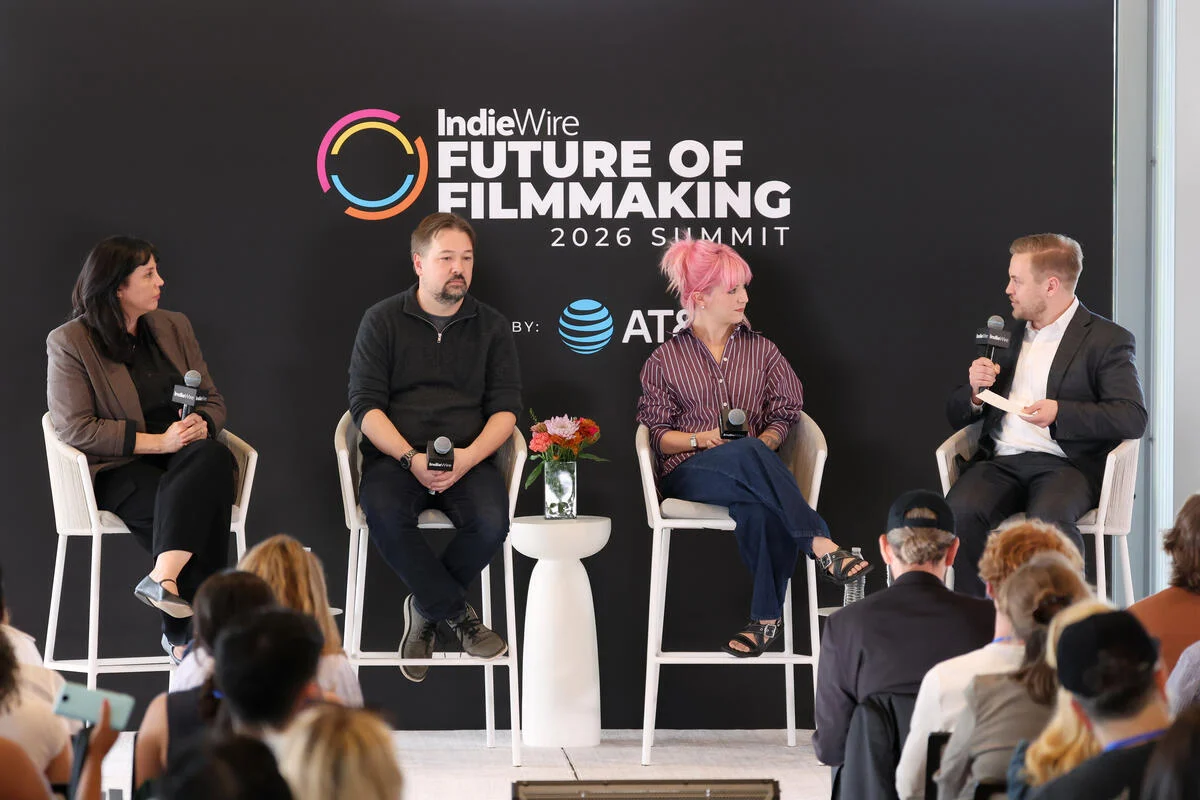
At the recent IndieWire Future of Filmmaking Summit in Los Angeles, the key architects behind the project—producer Tracy Rosenblum, co-writer Jamie King, and Roadside Attractions’ head of digital marketing, Melissa Yerou—peeled back the curtain on the years of meticulous planning that transformed a niche creative experiment into an industry-defining hit.
The Genesis: Marrying Surrealism with Heart
The origin of Buddy was never intended to be a mere exercise in jump scares. For Casper Kelly, the challenge was translating his signature brand of unsettling, hyper-specific comedic timing into a cohesive feature-length format. Kelly, known for his ability to warp the familiar into the nightmarish, required a narrative anchor to ensure the film reached beyond a purely cult audience.
Enter Jamie King, a screenwriter whose background in penning polished, heartfelt projects for Disney provided the perfect counterbalance to Kelly’s avant-garde sensibilities. The partnership was a deliberate attempt to triangulate the film’s appeal.
"I knew, as a fan of Casper’s and all of his Adult Swim work, that he would make it really funny," King explained during the summit. "And I knew my friends at BoulderLight would make it really scary. So I thought that if I could help bring that heart element, that checks all three boxes. That’s what makes a great movie."
The creative team was emphatic that Buddy—the titular unicorn—could not simply be a one-dimensional slasher villain. The character required a moral complexity that would invite the audience to invest in his plight, even as he committed atrocities. "He was always very clear that Buddy was not one of those mascot horror movies you’ve seen before," King noted. "He’s someone who could be a good person, but he’s just gone down the wrong road."
Chronology of a Viral Mirage
The genius of Buddy lies in the "false memory" campaign executed by Roadside Attractions. Long before the public understood the film was a horror-comedy, they were introduced to Buddy as if he were a long-lost relic of 1990s children’s television.
By creating a digital presence that mimicked the aesthetics of defunct Saturday morning shows, the marketing team tapped into a potent vein of collective nostalgia. They didn’t sell a movie; they sold a "discovery." Many audience members spent the weeks leading up to the release genuinely questioning whether Buddy was a forgotten, cancelled television program that had been unearthed from the archives.

This, according to producer Tracy Rosenblum, was the foundation of the film’s success. "We created an environment where the character felt real before the film even had a rating," she explained. By the time the darker, more violent elements of the film’s marketing began to bleed into the campaign, the audience was already emotionally tethered to the character. They were rooting for a monster because they had already "grown up" with him.
Supporting Data: The Power of Responsive Marketing
The marketing strategy, led by Melissa Yerou, was characterized by an unprecedented level of real-time engagement. Rather than employing traditional, static advertising, the team turned Buddy into a social media participant, engaging with the digital detritus of the 1990s.
"We followed Care Bears and Barney and all these tried and true properties," Yerou said, describing the campaign’s tactical deployment. "We just thought, ‘What if we had Buddy bust into the conversations? How would they react?’"
The engagement data from the campaign was staggering. By responding to nearly every interaction in the voice of the character, the team cultivated a parasocial relationship between the audience and the mascot. This wasn’t just a gimmick; it was a psychological hook. At a certain point, the audience shifted from casual observers to active participants, commenting on posts specifically to see if "Buddy" would engage with them. This cycle of engagement ensured that the film’s release was not a standalone event, but the culmination of a months-long interactive narrative.
Official Responses and Creative Defense
During the panel, the mood was lighthearted but underscored by a defense of the character’s humanity—or lack thereof. When the moderator touched upon the "homicidal maniac" nature of the protagonist, producer Tracy Rosenblum offered a playful rebuttal that encapsulated the film’s central conceit.
"I resent you calling him a homicidal maniac," Rosenblum said with a laugh. "He has depth, and he has shame, and he’s not a good guy, but I think that’s what makes him special."
This comment highlights the critical divide in the film’s reception. Unlike the typical slasher antagonist, who serves as a force of nature, Buddy is defined by his remorse. The film explores the idea of a character who understands his own villainy but is trapped by the narrative constraints of his existence. It is this existential sadness, combined with the charisma inherent in the performance, that allowed the film to transcend the limitations of the horror genre.
Implications for the Future of Filmmaking
The success of Buddy serves as a cautionary tale and a blueprint for the film industry in 2026. As traditional box office models face increasing competition from fragmented digital experiences, Buddy proves that the "eventization" of a film begins long before the first frame is projected.

1. The Death of the Passive Audience
The Buddy model suggests that the modern audience no longer wants to be sold a product; they want to be part of the product’s ecosystem. The success of the "false memory" campaign proves that audiences are willing to suspend disbelief in favor of a compelling, interactive narrative.
2. The Resurgence of Niche Sensibilities
Kelly’s background in surreal, experimental comedy was once considered a barrier to mainstream success. Buddy demonstrates that when these sensibilities are supported by a strong narrative structure and a heart-centered script, they can resonate on a mass scale.
3. Marketing as Storytelling
Melissa Yerou’s approach to social media engagement highlights a shift in the role of the marketing department. In the era of Buddy, marketing is no longer about informing the audience that a film exists; it is about extending the world of the film into the audience’s daily digital life.
Conclusion: A Legacy of Complexity
As the industry continues to analyze the "Buddy" phenomenon, the takeaway is clear: audiences are hungry for complexity. They want characters that defy categorization and campaigns that respect their intelligence. Buddy managed to be a horror movie, a comedy, a technical achievement, and a social experiment all at once.
By refusing to settle for the tropes of the "mascot horror" genre, Casper Kelly and his team created something that feels both ancient—a relic of our collective 90s childhoods—and undeniably modern. As we look toward the future of filmmaking, the lessons of Buddy will likely echo through the halls of production houses for years to come. In an age of infinite content, the only way to stand out is to make the audience feel like they weren’t just watching a story, but living inside of one.
The IndieWire Future of Filmmaking 2026 Summit is presented by AT&T Untold Stories, a collaboration between AT&T and the Tribeca Festival. The initiative provides $1.2 million in funding, mentorship, and comprehensive support to the next generation of filmmakers, ensuring that unique voices continue to find their way to the big screen.
