
Beyond the Cape: Why ‘Moving’ Is the Superhero Renaissance You Missed
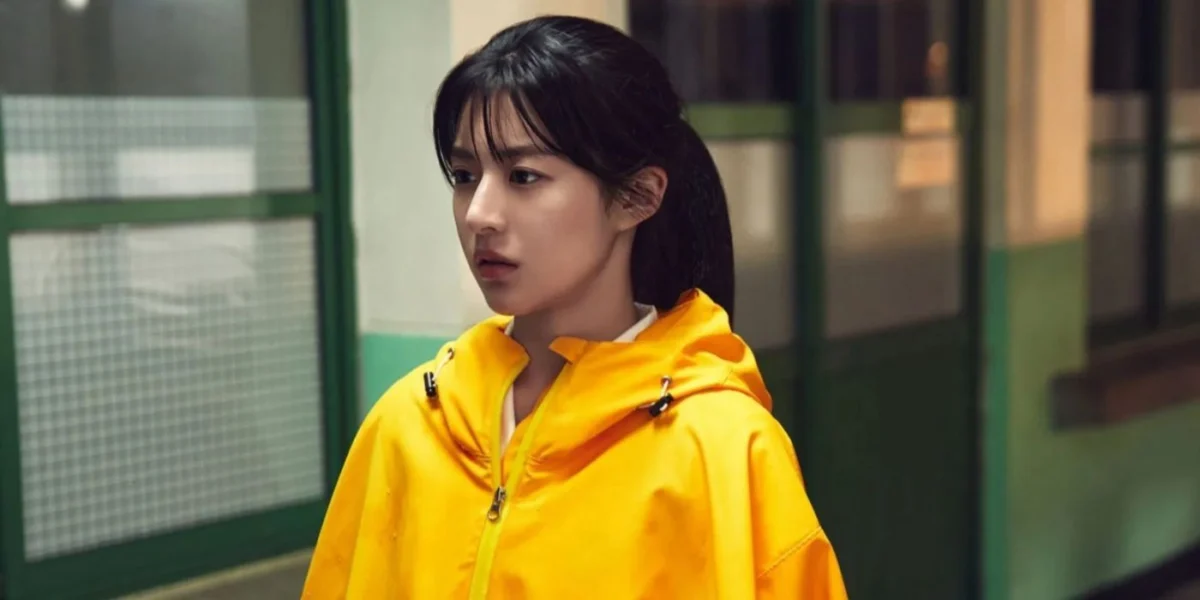
While the traditional titans of Western comic book adaptations—Marvel and DC—navigate a turbulent era of box office fatigue and strategic restructuring, a quiet revolution has been taking place in the streaming landscape. For fans weary of the formulaic "save the world" tropes that have dominated cinema for two decades, the South Korean drama Moving offers a masterclass in how to evolve the superhero genre. Based on the webtoon by Kang Full, this sprawling, emotionally resonant series has proven that the most compelling "super" stories are not about the spectacle of power, but the burden of humanity.
A New Frontier for Superhero Storytelling
The superhero genre has long been defined by its binary morality: good versus evil, hero versus villain, civilian versus meta-human. Moving shatters this glass ceiling by pivoting away from global stakes toward intimate, domestic ones. The premise is deceptively simple: three high school students—Bong-seok (Lee Jung-ha), who possesses the power of flight; Hui-soo (Go Youn-jung), who inherited an unbreakable healing factor; and Gang-hoon (Kim Do-hoon), who exhibits superhuman speed and strength—struggle to navigate the typical anxieties of adolescence.
However, their lives are complicated by the discovery that their parents are not just ordinary citizens, but former black-ops agents for the South Korean government. These parents, burdened by their own pasts and the physical toll of their abilities, live in constant fear that their children will be exploited by the same state apparatus that once utilized them as weapons. By anchoring the narrative in the anxieties of parenting and the inheritance of trauma, Moving transforms the "superhero origin story" into a poignant exploration of family sacrifice.
Chronology of a Global Phenomenon
The trajectory of Moving is a testament to the power of high-concept storytelling. The project originated from the acclaimed webtoon written and illustrated by Kang Full. When Disney+ greenlit the live-action adaptation, the goal was clear: to create a prestige series that could compete with the highest-tier international content.
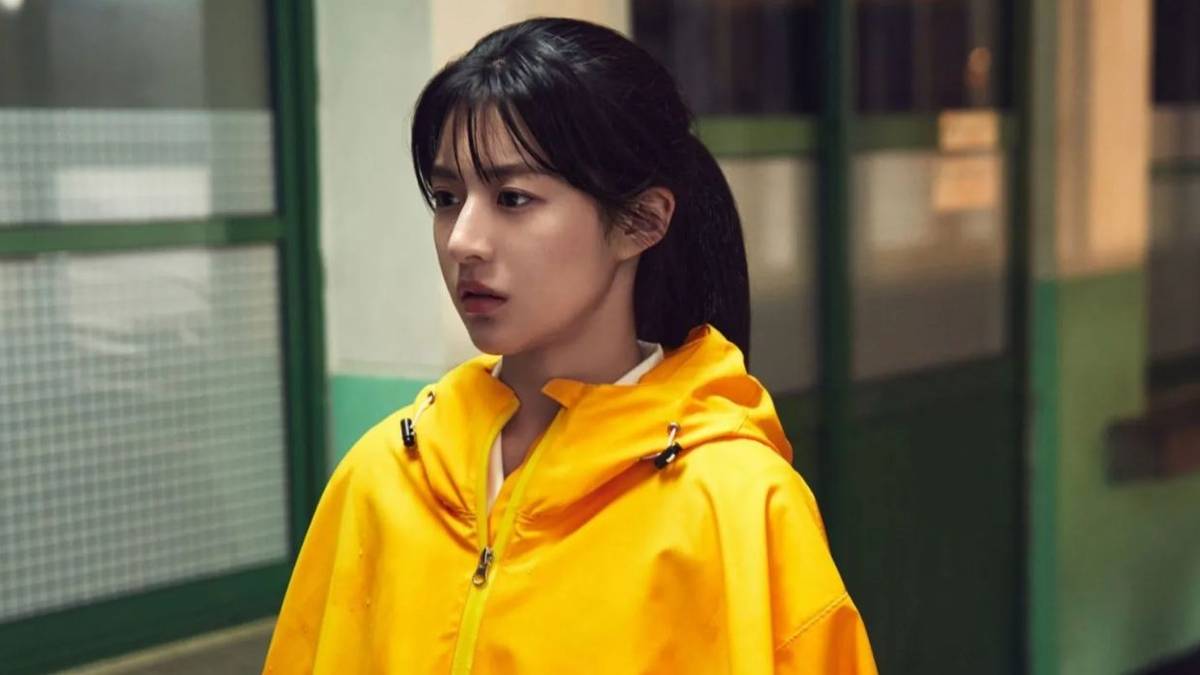
- The Launch (August 2023): Moving premiered on Disney+ and Hulu with an unconventional release strategy. Unlike the "binge-all-at-once" model, the series dropped its first seven episodes to establish the world, followed by weekly installments. This created a slow-burn excitement, allowing the audience to grow with the characters.
- The Critical Consensus: Upon its conclusion, the series held a rare 100% rating on Rotten Tomatoes. Critics praised it for its patience, noting that the show takes the time to humanize its characters before demanding they engage in combat.
- The Streaming Milestone: By late 2023, the show became the most-watched South Korean original series on Disney+ and Hulu globally. It drew comparisons to Netflix’s Squid Game for its ability to bridge the gap between niche K-drama audiences and mainstream global consumers.
- The Future (2024–2025): Following its massive success, official reports from South Korean media outlets confirmed that a second season is in active development. This announcement has sent ripples of excitement through the fanbase, as it signals that the world of Kang Full’s "Superpower Universe" is just beginning to expand.
Why ‘Moving’ Succeeds Where Blockbusters Fail
The structural brilliance of Moving lies in its refusal to adhere to the standard superhero "three-act structure." Instead, the series is divided into distinct chapters. The first arc focuses on the teenagers, providing the audience with a relatable, coming-of-age fantasy hook. The narrative then shifts gears entirely, dedicating several episodes to the backstories of the parents. We see their recruitment, their initial missions, and the heart-wrenching romances that eventually led them to abandon their government lives to protect their families.
This narrative pivot is a risk that most Western studios, terrified of audience attrition, would never take. Yet, it pays off. By the time the final arc arrives—where the students and their parents must unite against a shadowy organization infiltrating their school—the stakes feel deeply personal. When a character is injured, it isn’t just a plot point; it is a tragedy that echoes across generations.
The show also masterfully uses powers as metaphors. Bong-seok’s flight, which he must suppress with heavy weights to remain "normal," is a beautiful allegory for the suppression of identity and the fear of standing out. Similarly, the healing factor shared by Hui-soo and her father, Ju-wong (Ryu Seung-ryong), is treated as a curse as much as a gift—it allows them to survive horrific violence, but it also forces them to endure the physical and emotional trauma of their pasts repeatedly.
Perspectives from the Creative Team
The success of Moving is largely attributed to the vision of its creator, Kang Full, and the depth provided by its cast. In an interview with CNN, lead actor Ryu Seung-ryong (who plays the invulnerable Ju-wong) articulated why the show resonates so deeply with viewers, regardless of their cultural background:

"It’s a series that can show a mix of moments of happiness, anger, pain, sadness and everything else in one long sitting. Even if you’re not married, don’t have kids, or your parents have passed, it provides moments where we are reminded of them."
This sentiment underscores a crucial shift in audience preferences. Viewers are no longer satisfied with empty explosions and CGI slugfests. They are demanding that their heroes be vessels for universal human experiences. The cast’s commitment to grounding these superhuman characters in realistic, often painful family dynamics is what differentiates Moving from the standard caped-crusader fare.
The Future of the Franchise: Expanding the Universe
The confirmation of a second season is merely the tip of the iceberg. Kang Full has already established a literary universe that invites further exploration. The direct sequel to the series, titled Bridge, follows the children as they enter adulthood, facing a world that is increasingly aware of their existence.
Furthermore, fans are clamoring for adaptations of Timing, another work by Kang Full that shares a connective tissue with Moving. Timing explores a group of individuals who can manipulate time, and its eventual integration into the Moving continuity would create a cinematic universe (or "television universe") that is both cohesive and thematically dense. This is a model that many Western studios are currently struggling to replicate, yet Kang Full has achieved it with a clear, singular vision.
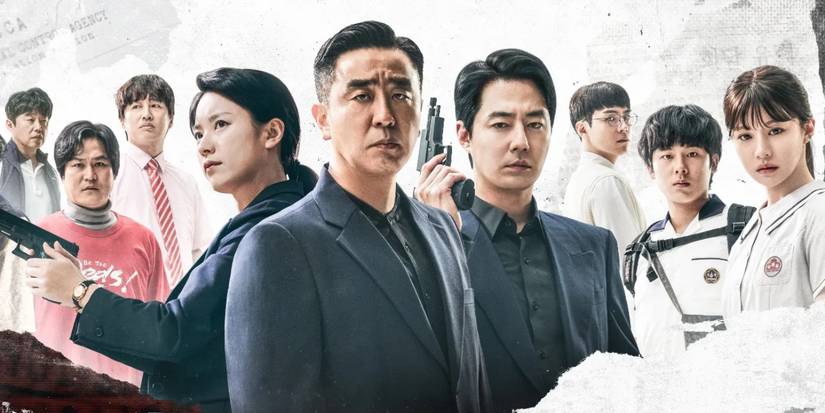
Implications for the Superhero Genre
Moving serves as a wake-up call for the entertainment industry. For years, the dominance of Marvel and DC created a vacuum where only one type of superhero story could exist. Moving proves that the genre is not dead; it simply needs to be reinvented.
By prioritizing character development over franchise synergy and emotional stakes over interconnected cameos, Moving has set a new gold standard. It sits comfortably alongside modern classics like Invincible and Supacell, all of which share a common DNA: they treat the "super" aspect of their stories as a secondary concern to the human heart.
As we look toward the future of the genre, the success of this South Korean masterpiece suggests that the next generation of superhero fans will be looking for stories that reflect their own lives. They want to see the struggle, the pain, and the quiet beauty of being a parent or a child—even if that child happens to be able to fly.
If you are a fan of science fiction, fantasy, or even just high-quality character drama, Moving is no longer an optional watch—it is essential viewing. It is the proof that the superhero genre still has room to grow, evolve, and surprise us. As the production for the second season begins, one thing is certain: the world is finally ready to move with them.
