
From Swamp to Screen: DreamWorks Animation Defies Industry Norms with ‘Shrek the Musical’ Home Video Release
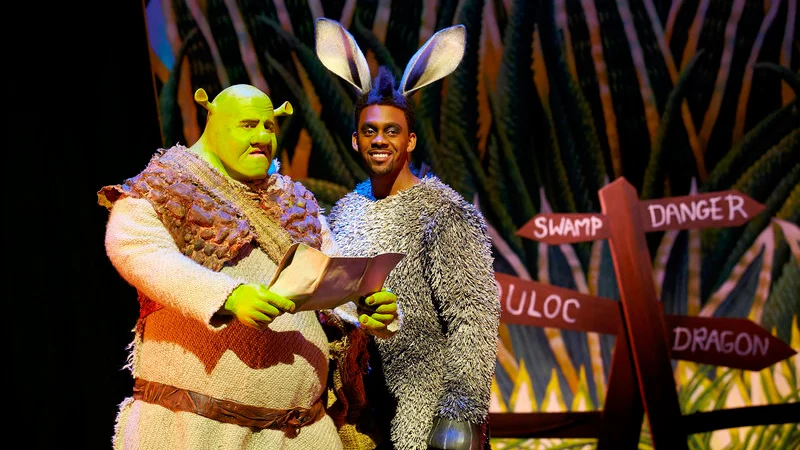
In an era where theatrical producers have long guarded their intellectual property with a "stage-only" mentality, DreamWorks Animation (DWA) is breaking the mold. By transitioning its acclaimed Broadway production, Shrek the Musical, onto digital platforms, DVD, and Blu-ray, the studio is signaling a strategic shift in how animation giants monetize their live-entertainment assets. This move, set for a digital release on September 17 followed by physical media on October 15, represents a calculated attempt to extract lasting value from a production that has already navigated the high-stakes world of Broadway and international touring.
Main Facts: The Strategic Pivot to Home Media
The decision to bring Shrek the Musical to the home video market is a departure from the industry standard. Traditionally, producers of live theatrical events have been hesitant to release high-quality recordings of their shows, fearing that the accessibility of a home viewing experience would cannibalize ticket sales for touring companies and ongoing residencies.
However, DreamWorks Animation, in partnership with Twentieth Century Fox Home Entertainment, is betting that the global brand recognition of the Shrek franchise outweighs these concerns. The release is being positioned as the centerpiece of a broader marketing campaign dubbed "Shrektober." By leveraging the massive install base of fans who have grown up with the four feature films, the studio aims to transform a "closed" theatrical run into a evergreen library asset.
The filmed production, directed by Jason Moore—known for his work on Avenue Q—captures the Broadway cast at the height of their performance. The production features Brian d’Arcy James in the titular role of the swamp-dwelling ogre, with Sutton Foster as Princess Fiona, Daniel Breaker as Donkey, and Christopher Sieber as the diminutive, ego-driven Lord Farquaad. With 17 original songs and a visual scale that rivals the film counterparts, the production was captured using a sophisticated 10-camera setup, ensuring that the intimate nuances of the stage performance are preserved for the home viewer.
Chronology: A History of the Swamp-Dwelling Hit
To understand the significance of this home video release, one must look at the trajectory of Shrek the Musical since its inception.
- December 2008: The musical bows on Broadway, marking DreamWorks Animation’s first official venture into stage production. It arrives with immense anticipation, supported by the immense success of the Shrek film franchise.
- January 2010: Following a run of just over a year, the Broadway production closes. Despite the show’s popularity with tourists, the high overhead of a Broadway theater made it difficult to sustain profitability during the off-season, leading to the decision to shutter the New York run.
- 2010–2013: DreamWorks remains undeterred. CEO Jeffrey Katzenberg and his team pivot to a touring model, taking the show on the road across North America and eventually into London’s West End. This transition proves that the intellectual property remains highly viable outside the rigid confines of a single New York theater.
- September 2013: The digital launch of the filmed production on major platforms.
- October 2013: The wide release of the DVD and Blu-ray editions, featuring extensive behind-the-scenes content and a sing-along feature, marks the final stage in the transition of the show from a transient theatrical experience to a permanent piece of home entertainment.
Supporting Data: The Economics of Filmed Theater
While the release of Shrek the Musical on home video is a bold move, it follows a precedent set by major production houses, albeit in a more experimental fashion. In 2011, a staging of Les Misérables was filmed at London’s O2 Arena, and in 2012, a performance of The Phantom of the Opera at the Royal Albert Hall was released to significant fanfare.
However, there is a critical distinction here. The Phantom and Les Mis releases were often "special" concert-style stagings or anniversary events, rather than a direct record of the standard touring production. Shrek the Musical is a faithful, full-scale capture of the actual stage show.
The economic justification for this lies in the "long tail" of content distribution. While the Broadway run was nominated for eight Tony Awards—winning one for Tim Hatley’s exquisite costume design—the financial overhead of maintaining a Broadway theater is immense. By contrast, the costs associated with a Blu-ray release are largely front-loaded in the production and distribution phases. Once the filming is complete, the studio has a product that can be sold globally in perpetuity, reaching audiences in markets where the touring show might never arrive.
The deluxe Blu-ray edition serves as a value-add, including a documentary titled From Swamp To Stage: The Making of Shrek the Musical. This is designed to appeal to the "super-fan" demographic, offering insights into the complex puppetry, makeup, and stagecraft required to bring the characters of William Steig’s original book to life.

Official Responses and Strategic Vision
At the time of the show’s Broadway closure in 2010, Jeffrey Katzenberg was vocal about the studio’s commitment to the property. He emphasized that the closure of a Broadway theater did not equate to the death of the brand. "We are going to continue to generate value from this," he stated, pointing to the international touring circuit as the primary engine for future growth.
The decision to release the performance on home video is the final piece of that strategic puzzle. By partnering with Twentieth Century Fox Home Entertainment, which handles the distribution of DreamWorks’ feature films, the studio is streamlining its marketing machine. This synergy allows them to bundle the musical with existing promotional efforts, effectively cross-pollinating the audience for the movies with the audience for the stage show.
From a creative standpoint, the involvement of David Lindsay-Abaire (script and lyrics) and Jeanine Tesori (music) ensures that the artistic integrity of the production remains high. By capturing the performance under the guidance of Jason Moore, the studio has essentially created a "definitive version" of the show, allowing the work to exist as a permanent historical record of the production.
Implications: The Future of Filmed Stage Productions
The implications of this release are profound for the live entertainment industry. If Shrek the Musical proves that high-quality home video releases can coexist with (and perhaps even drive interest in) touring stage productions, it may pave the way for other studios to follow suit.
For years, the "fear of cannibalization" has kept the doors of Broadway firmly shut to digital cameras. However, as the lines between "film" and "live performance" blur—a trend accelerated by the rise of streaming platforms—the industry is beginning to recognize that a filmed version of a play can serve as a massive advertisement for the live experience.
Furthermore, the release highlights the evolution of the "studio" model. Modern entertainment conglomerates like DreamWorks are no longer content to operate in silos. Whether it is a feature-length film, a touring musical, or a home video release, the objective is to maximize the reach of the intellectual property across every available medium.
For fans of Shrek, the release offers a chance to experience the humor, heart, and technical mastery of the Broadway show from the comfort of their own homes. For the industry, it stands as a case study in how to extend the life of a theatrical production well beyond its final curtain call. As audiences become increasingly accustomed to on-demand access to high-quality content, the move by DreamWorks Animation may be remembered as the moment the theater world finally embraced the digital age.
By focusing on the "Shrektober" branding, the studio is not just selling a DVD; they are selling a holiday event. It is a masterful use of marketing that ties the musical back to the very roots of the brand: a story about an ogre who, despite his best efforts to stay isolated, finds himself at the center of a much larger, more interconnected world. In the same way, the stage production has been lifted from the confines of the theater and brought into the homes of millions, ensuring that the legacy of the Broadway run remains as vibrant as the swamp itself.
