
The Streaming Renaissance of ‘Disclosure Day’: How Steven Spielberg’s Sci-Fi Epic Conquered the Living Room
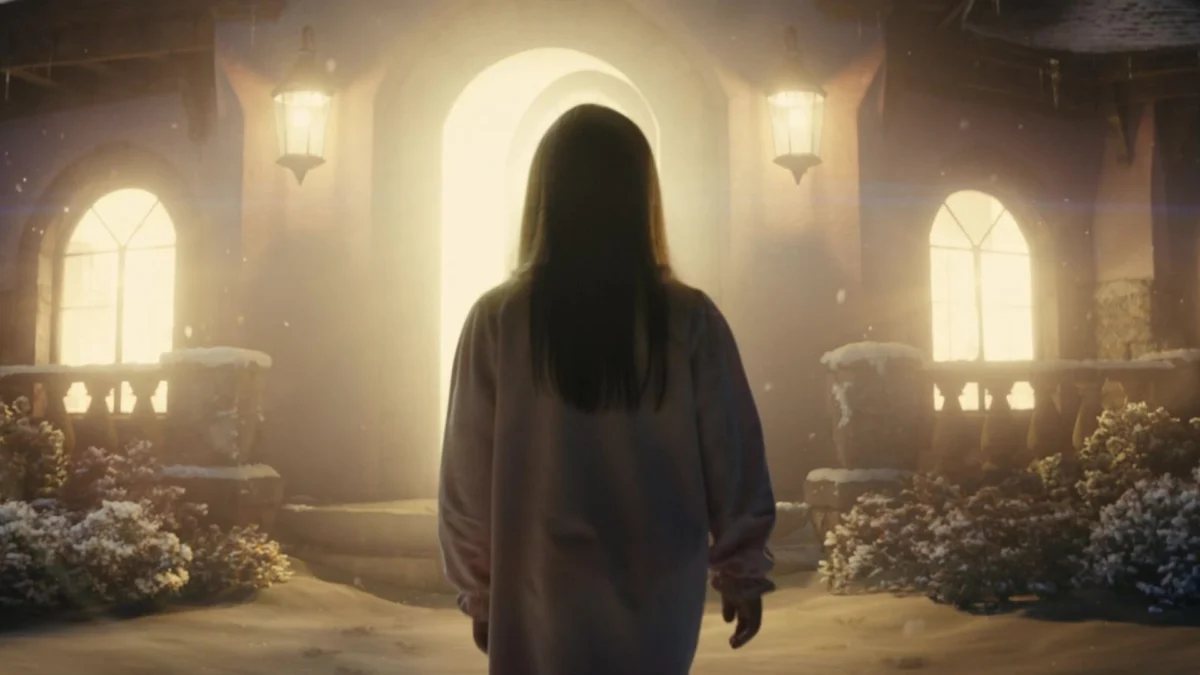
The landscape of 2026 cinema has been characterized by a volatile push-and-pull between the spectacle of the theatrical experience and the enduring convenience of digital consumption. While the year has seen its fair share of high-concept science fiction—ranging from the cerebral heights of Dark Matter to the grounded intensity of The Dog Stars—few titles have navigated the transition from box office underdog to streaming titan quite like Steven Spielberg’s Disclosure Day.
Four days after its October 9 debut on Peacock, the 145-minute sci-fi thriller has officially claimed the No. 1 spot on the platform’s most-watched charts, effectively eclipsing established hits like The Grinch and Trolls Band Together. This meteoric rise serves as a compelling case study in the modern "second act" of film distribution, proving that even original, non-franchise narratives can find massive, sustained audiences once they shed the financial pressures of the multiplex.
A Narrative of Cosmic Proportions: The Premise of ‘Disclosure Day’
At its heart, Disclosure Day is a quintessential Spielbergian exploration of the unknown. The film follows Dr. Daniel Keller, portrayed with a desperate, grounded intensity by Josh O’Connor. A man of science teetering on the edge of social ostracization, Keller goes rogue in an attempt to pull back the curtain on a global conspiracy designed to suppress evidence of extraterrestrial life.
His journey intersects with that of Margaret Fairchild, a meteorologist whose professional life is upended when she encounters an inexplicable atmospheric phenomenon—an event that seems to facilitate a form of communication with entities far beyond Earth’s reach. As the two protagonists dig deeper into the machinery of a clandestine organization that has guarded the truth for decades, the film transforms from a procedural mystery into a high-stakes thriller. It is a narrative that asks not just "Are we alone?", but "What happens to the human psyche when the answer is finally revealed?"
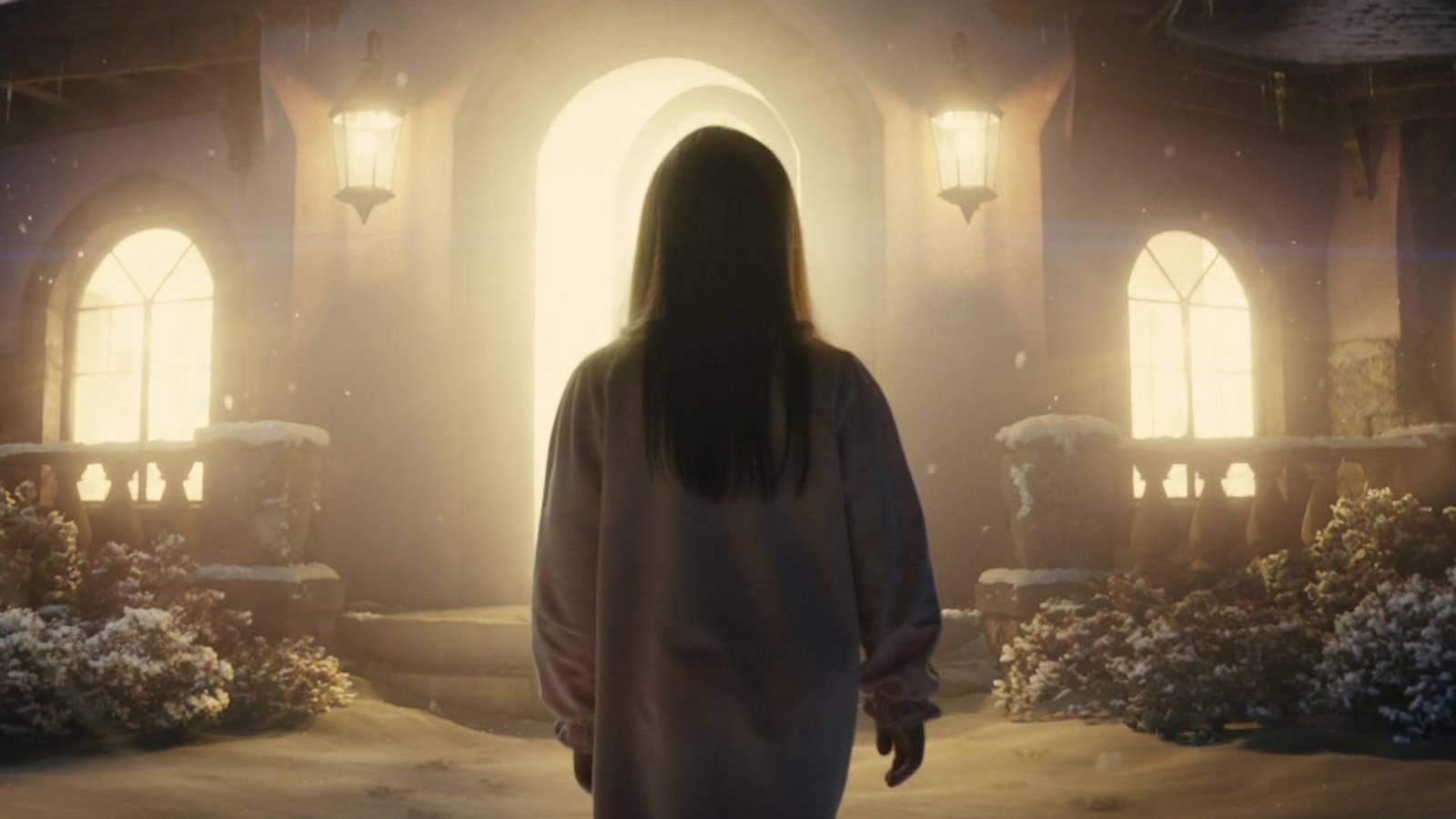
Chronology of a Modern Sci-Fi Event
The trajectory of Disclosure Day has been anything but conventional. The film’s journey can be mapped through three distinct phases: the theatrical anticipation, the mixed fiscal performance, and the triumphant digital resurgence.
The Theatrical Arrival (June 2026)
When Disclosure Day hit theaters on June 12, 2026, expectations were stratospheric. Spielberg’s return to the genre that defined his early career—specifically the existential wonder of Close Encounters of the Third Kind—generated immense hype. The film grossed $93 million during its opening weekend, a figure that remains one of the highest ever for an original screenplay directed by the legendary filmmaker.
The Mid-Summer Plateau
However, the momentum proved difficult to sustain. In an era dominated by established intellectual property and cinematic universes, Disclosure Day faced the "originality tax." While it boasted a 79% critics’ score on Rotten Tomatoes—marking Spielberg’s highest critical acclaim for a sci-fi project since Minority Report (2002)—the general public interest began to wane after the initial buzz. By the end of its theatrical run, the film had grossed $244.4 million against a production budget of $115 million. While not a "flop" by industry standards, the performance was modest given the filmmaker’s pedigree.
The Digital Redemption (October 2026)
The transition to Video-On-Demand (VOD) platforms served as the film’s first indicator of its long-term viability. For months, it remained a consistent performer on Amazon, Google, and Apple TV. The October 9 pivot to Peacock, however, acted as the final catalyst. Within 96 hours of its arrival on the subscription service, it vaulted to the top of the charts, validating the thesis that high-quality, mid-budget sci-fi finds its true home in the comfort of the domestic viewing environment.

Data Analysis: Why ‘Disclosure Day’ Resonates
The data surrounding Disclosure Day reveals a fascinating trend in viewer behavior. When examining the film’s success, three key metrics emerge:
- Retention vs. Discovery: While the film struggled to maintain a massive theatrical footprint, its VOD performance suggests that the audience for "intelligent" sci-fi is vast, provided the barrier to entry is lowered.
- Generational Crossover: The thematic connection to Spielberg’s 1970s and 80s work created a "nostalgia bridge." Older audiences, who grew up with Close Encounters, were drawn to the film’s tone, while younger audiences, accustomed to modern streaming discovery, were attracted by the film’s high-concept marketing and its presence on top-tier platforms.
- Critical Longevity: Unlike many summer blockbusters that fade from the public consciousness within weeks, Disclosure Day’s 79% Rotten Tomatoes score provided a permanent, searchable "stamp of quality" that drove users to hit the "Play" button on streaming services months after the initial hype had dissipated.
The Spielberg Effect: Returning to Roots
The critical conversation surrounding Disclosure Day has centered on Steven Spielberg’s ability to weave human emotion into the fabric of technological spectacle. For nearly five decades, Spielberg has been the architect of modern wonder, and with Disclosure Day, he seems to be engaging in a dialogue with his own legacy.
While the film is not a sequel to E.T. or Close Encounters, it functions as a spiritual successor. Critics have pointed out that the pacing—deliberate, character-driven, and focused on the "awe of discovery" rather than mindless action—feels like a direct descendant of his 1977 masterpiece. In an interview segment featured in the film’s press junket, Spielberg remarked that he was less interested in the "aliens" themselves and more interested in the "disclosure" of the title—the social, political, and personal fallout of a world-changing secret.
This focus on the human experience is perhaps why the film is succeeding now. In the streaming era, films that prioritize character arcs tend to have a longer "tail" than those relying purely on CGI-heavy set pieces.
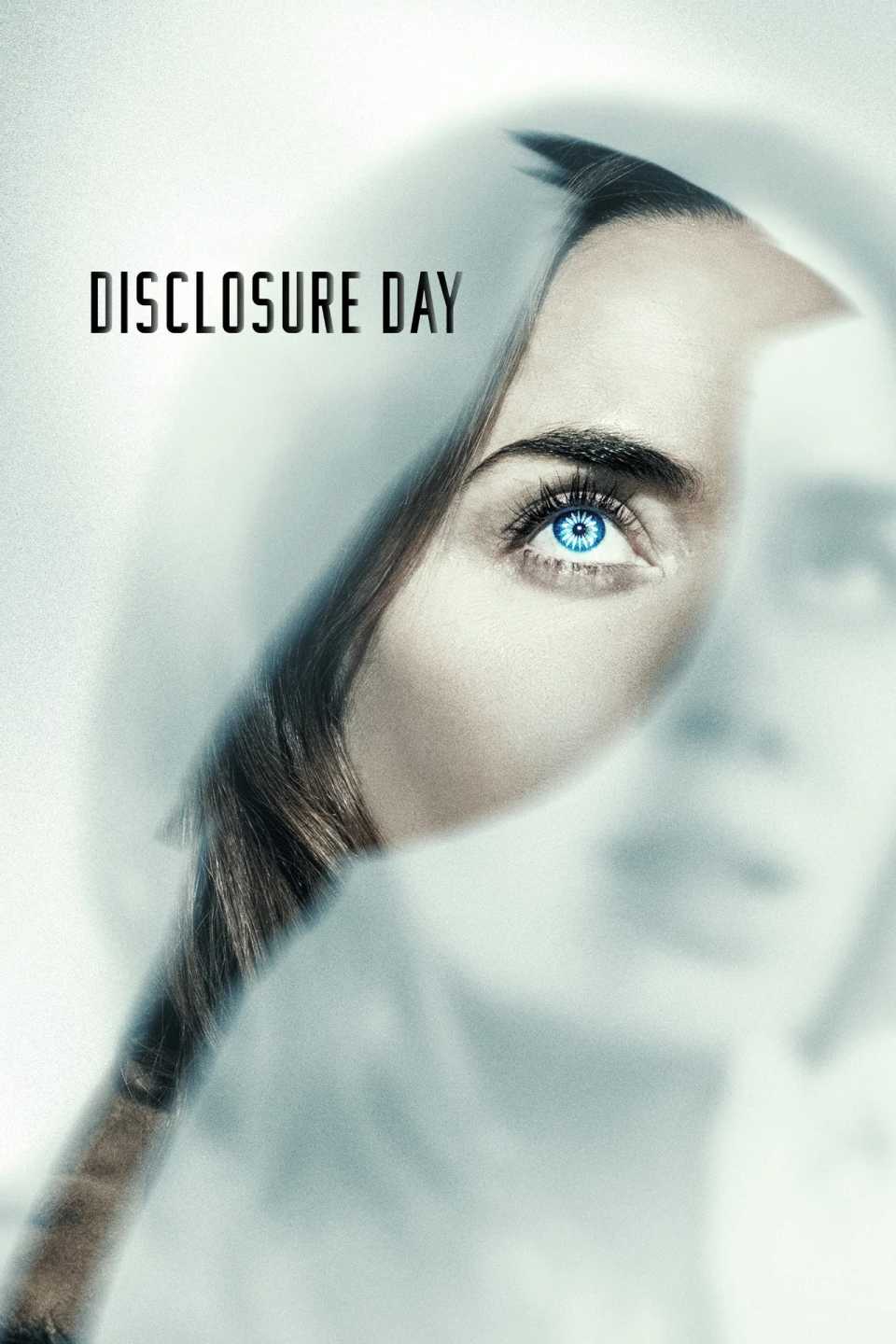
Implications for the Film Industry
The success of Disclosure Day on Peacock sends a clear message to the major studios: the "original film" is not dead; it simply requires a more agile distribution strategy.
The Death of the "Theatrical-Only" Mandate
The industry has spent the last few years debating the necessity of theatrical exclusivity. Disclosure Day provides evidence that a strong theatrical run can establish the prestige and cultural footprint of a film, while a quick migration to a streaming platform can maximize its reach and profitability. The $115 million budget was a risk, but the combined revenue from the box office and the licensing agreement with Peacock ensures the film will be a profitable venture for Universal Pictures.
The Rise of the "Genre-Prestige" Hybrid
Disclosure Day represents a growing category of cinema: the big-budget, high-concept, director-driven film that is too expensive to be "indie" but too nuanced to be a traditional "tentpole." By balancing the intellectual weight of a drama with the aesthetic scale of a sci-fi blockbuster, the film has carved out a unique space that appeals to both the casual viewer and the cinephile.
Future Outlook
As we move into the final months of 2026, the success of this film will likely influence how studios greenlight upcoming projects. There is renewed confidence in the idea that audiences are hungry for stories about the unknown, provided those stories are anchored by recognizable talent and a clear, compelling emotional hook.

Conclusion: A Blueprint for Tomorrow
Disclosure Day is more than just the current No. 1 movie on Peacock; it is a testament to the enduring power of the science fiction genre. By revisiting the themes that made his early work legendary, Steven Spielberg has managed to bridge the gap between his past and the present, proving that the mystery of what lies beyond our planet remains one of the most potent drivers of human curiosity.
Whether viewed as a scathing critique of government secrecy or a hopeful meditation on our place in the cosmos, the film has secured its spot in the 2026 zeitgeist. For those who missed the initial theatrical experience, the streaming release has offered a much-needed second chance to engage with a work that, for all its extraterrestrial trappings, is ultimately about the profound, often difficult beauty of being human. As the dust settles on the 2026 release calendar, one thing is certain: Disclosure Day has officially been revealed as the year’s most enduring sci-fi achievement.
