
Beyond the Shadow of Power: How ‘Fightland’ Became Starz’s Most Persistent Crime Drama
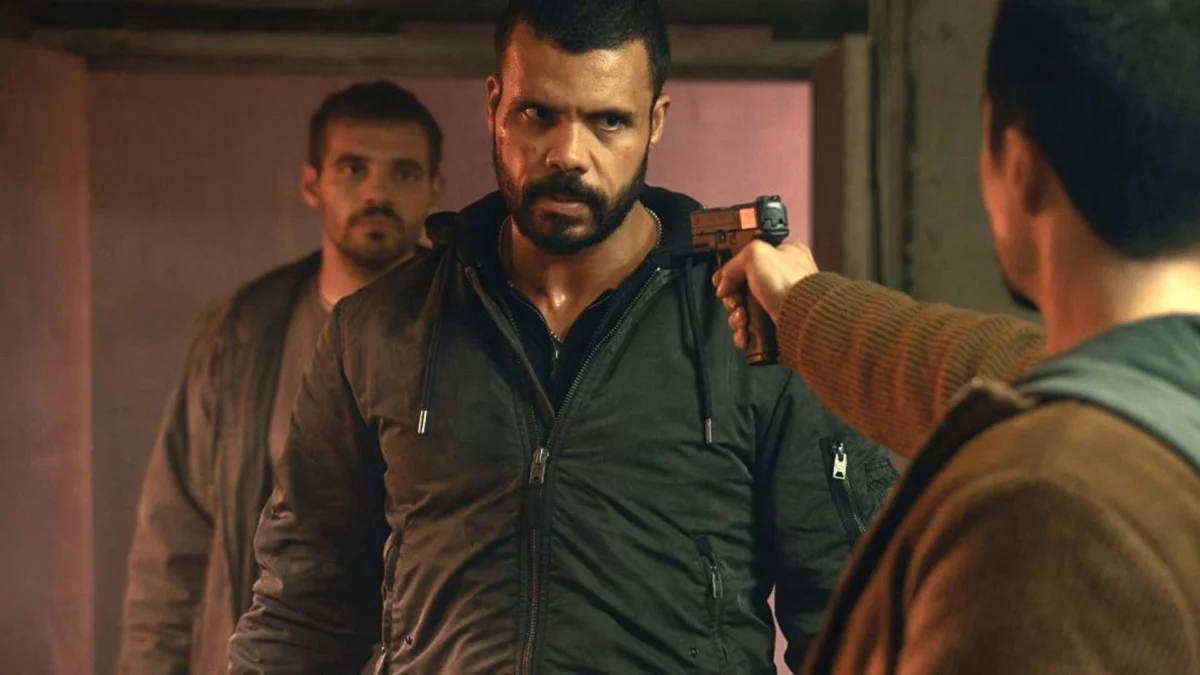
While the 2026 television landscape has been dominated by the massive cultural footprint of Guy Ritchie’s MobLand—a show that turned Tom Hardy and Pierce Brosnan into the definitive faces of Paramount+—a quieter, more calculated revolution has been taking place on Starz. Without the gargantuan marketing budgets afforded to major streaming behemoths, the crime thriller Fightland has managed to achieve something arguably more impressive than a flashy debut: total, sustained audience capture.
Nearly three months after its season finale, Fightland remains a fixture on the Starz top 10 charts, proving that in an era of "content bloat," the old-fashioned, high-stakes revenge thriller still has a heartbeat. As the industry looks for the next sustainable franchise, Fightland has emerged as the sleeper hit that could redefine the network’s strategy for the next decade.
The Architecture of a Sleeper Hit: The Main Facts
At its core, Fightland is a masterclass in genre economy. The narrative follows Maduka "Duke" Kilroy (Howard Charles), a British heavyweight boxing champion whose life is dismantled in a single night of tragedy. After his brother is murdered, Duke is framed for a crime he didn’t commit, leading to an eight-year incarceration in an American prison. Upon his release, he returns to the grit of London with one singular focus: revenge against the promoter who orchestrated his downfall, Kingsley Marshall (Nicholas Pinnock).
The series, which premiered on July 31, 2026, relies on a visceral, "no-frills" storytelling approach. It is a story of infiltration, shifting loyalties, and the devastating weight of a fractured past. Unlike many modern dramas that hide behind high-concept sci-fi or overly complex puzzles, Fightland leans into the primal satisfaction of the revenge arc, a choice that has resonated deeply with audiences who feel fatigued by overly intellectualized television.
A Chronology of Success: From Premiere to Persistence
The trajectory of Fightland is a case study in how to cultivate "sticky" viewership in a streaming ecosystem.
- July 31, 2026: Fightland debuts on Starz with immediate buzz. While not a household name upon arrival, the show’s pedigree—executive produced by Curtis "50 Cent" Jackson—attracted the network’s loyal base of crime drama enthusiasts.
- August 2026: Within its first 16 days, the series hit the No. 1 spot on the Starz charts. This was a critical turning point; breaking into a top-10 list dominated by the Power universe (which includes Raising Kanan, Force, and Ghost) is historically a near-impossible feat.
- September 25, 2026: The season finale airs. In the current streaming climate, most shows see a precipitous drop in viewership once the "weekly drip" of episodes concludes. Fightland, however, defied the trend.
- October 2026: As of late October, the series has remained on the chart for 85 consecutive days. It continues to hold a position in the top 10, signaling that new subscribers are discovering the show in bulk, likely driven by word-of-mouth and the "binge-ability" of the completed eight-episode arc.
The Data Behind the Drama: Why Viewers Are Hooked
To understand why Fightland has become a staple on the Starz charts, one must look at the "real estate" it is occupying. Starz is a platform defined by the Power franchise. Shows like Raising Kanan and the original Power series have dominated the network’s charts for streaks ranging from 750 to 950 days. These are not merely shows; they are cultural institutions.
For Fightland to infiltrate that ecosystem is significant. FlixPatrol data suggests that Fightland isn’t just attracting casual viewers; it is capturing the demographic that values serialized, high-tension narratives. With a 73% rating on Rotten Tomatoes, the show has earned the respect of critics who praise its "dynamic, bloody, and engrossing" nature.
George Bate of ScreenRant pointed to a crucial factor in the show’s success: it is "unburdened by pretension." In a television landscape where many dramas try to be prestige cinema, Fightland is comfortable being a high-octane, blue-collar thriller. This lack of pretension has made it a "sticky" hit, meaning viewers who start the show tend to finish it, and subsequently recommend it to others.

Official Responses and Creative Vision
The creative team behind Fightland was intentional about managing audience expectations from the start. Executive producer Curtis "50 Cent" Jackson, whose G-Unit Film & Television production company has become the gold standard for gritty urban drama, was quick to distance the show from boxing tropes.
"This is definitely not Rocky or Creed," Jackson told Hollywood Life during the show’s premiere press cycle. By emphasizing that the boxing ring is merely the setting for a larger, more complex story about power, betrayal, and family, the producers signaled to the audience that they should expect a crime thriller first and a sports drama second.
Showrunners Damione Macedon and Raphael Jackson Jr., both veterans of the Power and BMF universes, brought a specific tonal consistency to the show. By hiring directors like Otto Bathurst—whose work on Peaky Blinders set the bar for atmospheric, stylish crime dramas—the production ensured that every frame felt expensive, moody, and dangerous. The performances, particularly from Howard Charles as the vengeful Duke and Deborah Ayorinde as the complicated love interest, provided the emotional anchor necessary to keep the audience invested through the more violent sequences.
The Implications: Is a New Franchise Born?
The most exciting implication of Fightland’s success is what it says about the future of Starz. For years, the network has been synonymous with the "50 Cent effect"—a reliance on the Power franchise to drive subscriptions. While that strategy has been remarkably effective, it carries the risk of over-saturation.
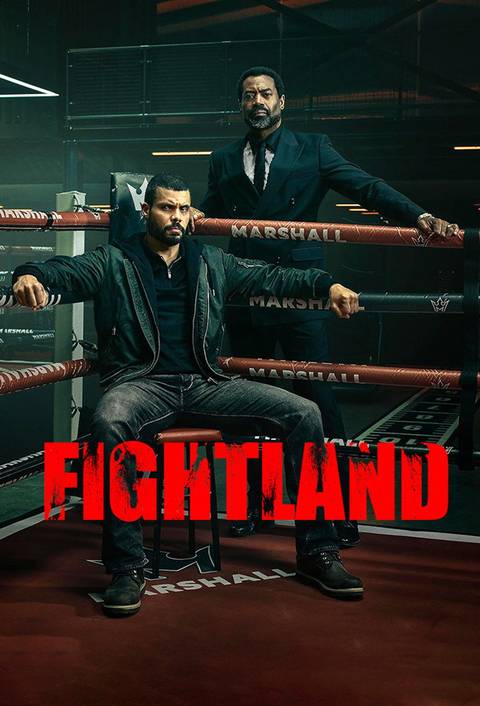
Fightland has proven that Starz can successfully launch a new, original crime drama that stands on its own merits while still benefiting from the network’s established brand identity. The buzz regarding the show’s future has already begun, with cast member Charles Babalola teasing that "there’s no doubt that Fightland is coming into that [Power] universe."
Whether the show officially integrates into the Power tapestry or remains a standalone entity, the implications are clear: Starz has a new crown jewel. The "stickiness" of the show—its ability to remain in the top 10 long after the finale—is the golden metric for any streaming service. It proves that there is a hunger for long-form, character-driven crime stories that don’t rely on massive star power but rather on tight writing and high stakes.
As we look toward the remainder of 2026, Fightland stands as a testament to the power of the "slow burn." While other shows chase the headlines of opening-week numbers, Fightland is busy building a loyal, consistent audience that is unlikely to go anywhere. If the rumors of a renewal hold true, we can expect Duke Kilroy’s journey to be a pillar of the Starz lineup for years to come.
In the final assessment, Fightland is more than just a successful show; it is a vital reminder that in television, as in boxing, it isn’t about how you start the fight—it’s about how long you can stay on your feet when the final bell rings. For Fightland, that fight is far from over.
