
The Undisputed Masterpiece of Gothic Horror: Why the BBC’s 1977 Count Dracula Remains the Most Faithful Adaptation Ever Filmed
Main Facts: The Overlooked Masterpiece of Bram Stoker Adaptations
For over a century, Bram Stoker’s 1897 epistolary masterpiece Dracula has haunted the collective imagination, inspiring hundreds of cinematic and television adaptations. From the unauthorized silent expressionism of F.W. Murnau’s Nosferatu (1922) to the theatrical grandeur of Francis Ford Coppola’s 1992 epic, filmmakers have continually sought to capture the essence of the world’s most famous vampire. Yet, despite the towering cultural footprints of Bela Lugosi, Christopher Lee, and Gary Oldman, the most faithful, atmospheric, and psychologically resonant translation of Stoker’s text ever committed to the screen remains an unassuming British television miniseries: the BBC’s 1977 production of Count Dracula.
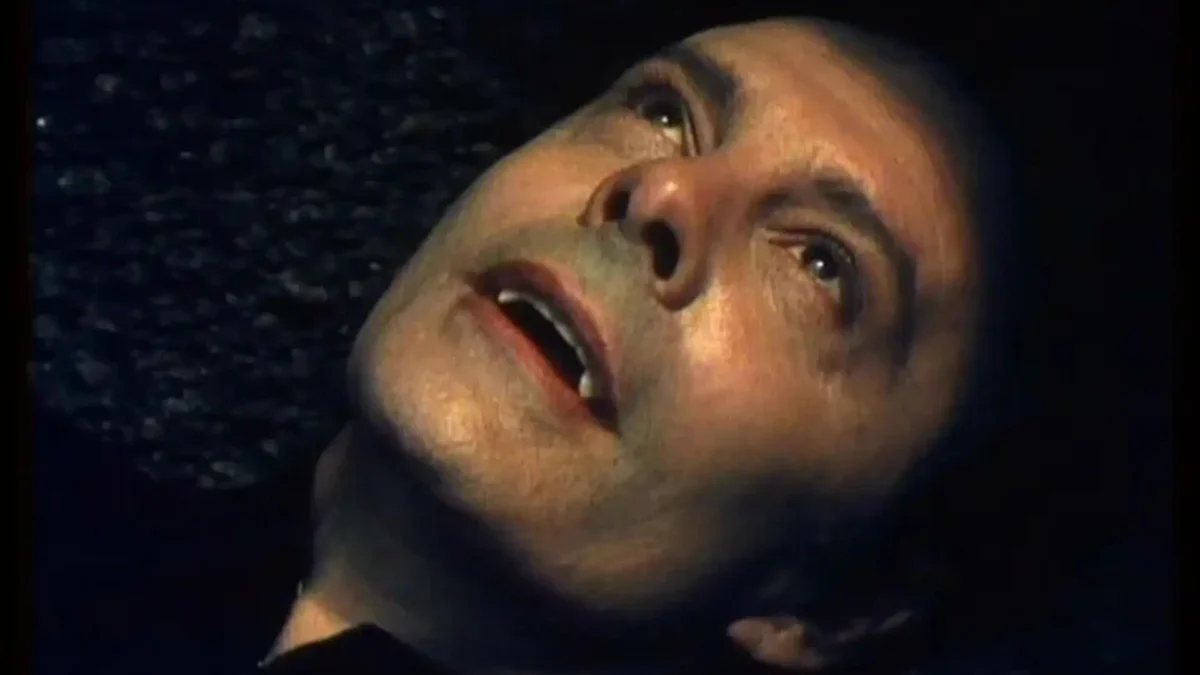
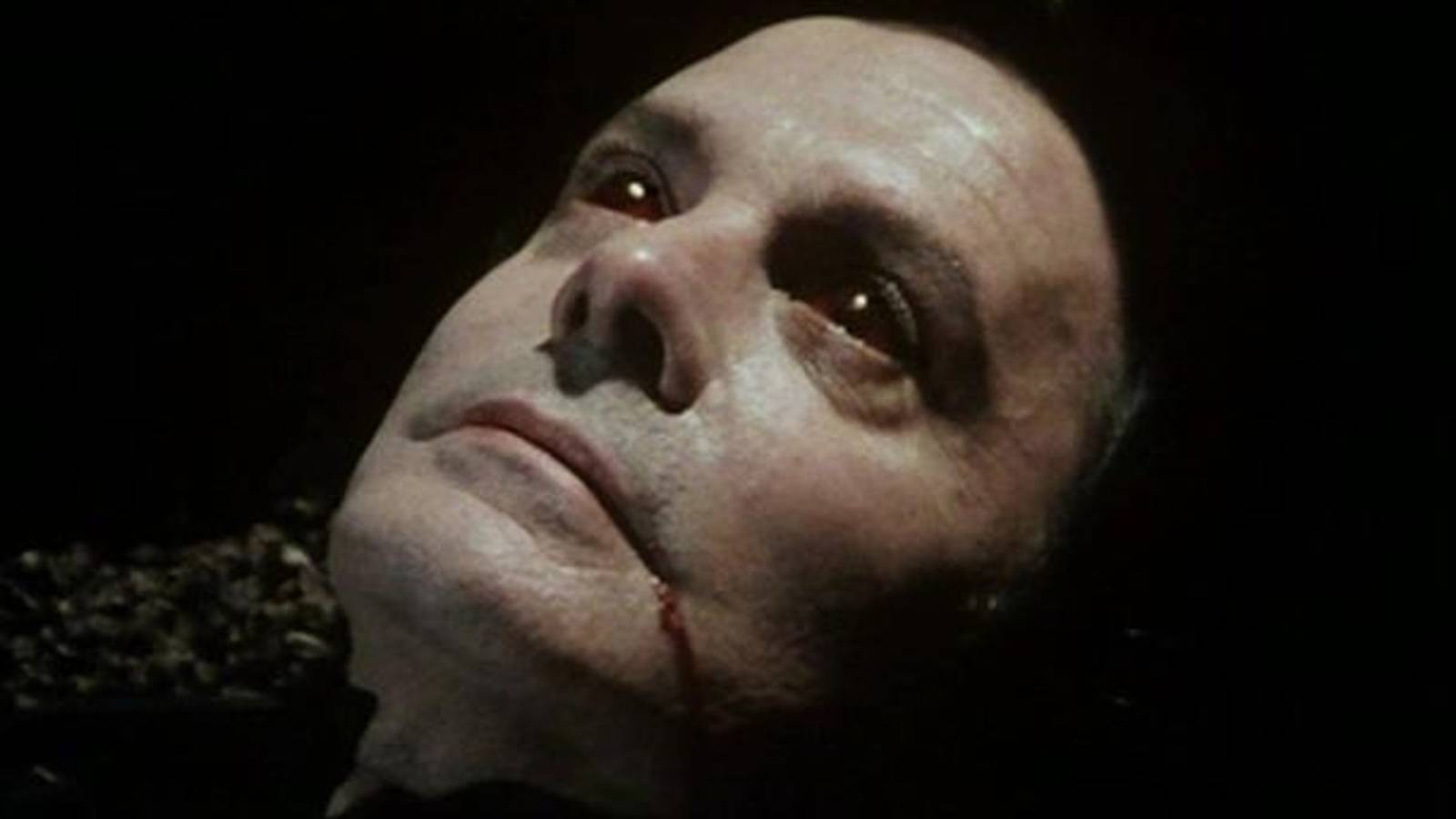
Aired on BBC One on December 22, 1977, this three-part adaptation stands apart from its cinematic peers. Rather than relying on exaggerated camp, expressionistic distortions, or bombastic Hollywood tropes, director Philip Saville and writer Gerald Savory crafted an understated, deeply Gothic triumph. Headlined by French actor Louis Jourdan as the titular vampire, the miniseries cleaves remarkably close to Stoker’s original plot, tone, and character dynamics. While cultural memory often defaults to cinematic blockbusters, television history quietly preserved the definitive screen translation of Victorian horror’s most enduring archetype.
Chronology: A Century of Blood and Celluloid
To understand why the 1977 BBC adaptation occupies such a unique space in screen history, it is necessary to examine how Dracula evolved across the decades leading up to its release.
Early Adaptations and the Cinematic Blueprint (1922–1958)
- 1922 (Nosferatu): Directed by F.W. Murnau, this unauthorized German silent film altered names and locations to avoid copyright infringement, establishing vampire tropes like sunlight being fatal to the undead. While a masterpiece of German Expressionism, it diverged significantly from Stoker’s plot.
- 1931 (Dracula): Directed by Tod Browning and starring Bela Lugosi, Universal’s Hollywood adaptation cemented the Count as a suave, slick-haired aristocrat clad in evening wear. While Lugosi’s performance became iconic, the film heavily compressed the novel’s sprawling narrative, discarding the entire second half set in England in favor of a stage-bound Gothic melodrama.
- 1958 (Horror of Dracula): Hammer Film Productions revolutionized the genre with vibrant Technicolor and visceral bloodshed. Christopher Lee infused the Count with feral magnetism and animalistic rage, but director Terence Fisher stripped away much of the novel’s complex psychological scaffolding to prioritize pure horror and action.
The Television Revolution and the 1977 Benchmark
By the 1970s, prestige British television was entering a golden age of literary adaptations, characterized by meticulous period detail, theatrical stage training, and a commitment to textual integrity.
- December 1977: The BBC broadcast Count Dracula across three feature-length parts. Eschewing the fast-paced thrills of contemporary cinema, the production embraced a slow-burn narrative pace that mirrored the diary and journal entries of Stoker’s original novel.
- Post-1977 Legacy: While Francis Ford Coppola’s Bram Stoker’s Dracula (1992) later marketed itself as the definitive "faithful" adaptation—adding a tragic romance subplot absent from the book—the 1977 BBC miniseries remains the truest representation of Stoker’s genuinely menacing, unrepentant monster.
Supporting Data: Deconstructing the 1977 Production
A comparative analysis of Count Dracula against major cinematic adaptations reveals the specific ways Philip Saville’s production honors the source material while elevating the medium of television horror.
Fidelity to the Text
In Stoker’s novel, Jonathan Harker’s harrowing journey through the Carpathian Mountains is filled with unsettling local superstitions, uncanny encounters, and a growing sense of claustrophobia. Most films rush through Transylvania to get to London. The 1977 miniseries grants this opening act ample breathing room.

Furthermore, the miniseries includes textual details frequently discarded by filmmakers:
- The Count’s Physical Description: Stoker describes Dracula not as a clean-shaven dandy, but as a man with a white mustache, hair growing on the palms of his hands, and sharp, pointed ears. Louis Jourdan incorporates subtle physical manifestations that align closely with these literary cues.
- The Demeter Voyage: The harrowing shipwreck that brings Dracula to Whitby is meticulously detailed, capturing the creeping doom aboard the doomed vessel.
- Lucy Westenra’s Suitors: The tragedy of Lucy’s transformation is given emotional weight through the presence of all her literary suitors—Arthur Holmwood, Quincey Morris, and Dr. John Seward—rather than flattening the narrative for cinematic expediency.
Production Design and Atmosphere
Utilizing early electronic video effects alongside traditional studio sets and location shooting, the BBC production achieved a distinct, dreamlike aesthetic. Crucially, the production made unprecedented use of real, live bats during critical atmospheric sequences, avoiding the unconvincing mechanical props or early CGI that would plague later adaptations.
| Adaptation | Lead Actor | Medium | Key Deviation from Novel | Fidelity to Tone |
|---|---|---|---|---|
| Nosferatu (1922) | Max Schreck | Silent Film | Changed all character names; added sunlight vulnerability. | Low (Expressionist) |
| Dracula (1931) | Bela Lugosi | Feature Film | Cut the English second half; transformed into a stage melodrama. | Moderate |
| Horror of Dracula (1958) | Christopher Lee | Feature Film | Streamlined plot; emphasized overt gore and action over psychology. | Moderate-High |
| Count Dracula (1977) | Louis Jourdan | BBC Miniseries | Minimal; preserves epistolary pacing and character arcs. | Highest |
| Bram Stoker’s Dracula (1992) | Gary Oldman | Feature Film | Added a sweeping, tragic reincarnation romance subplot. | Moderate |
Official Responses and Critical Reconsideration
Upon its initial broadcast on BBC One, Count Dracula received positive notices for its craftsmanship, though it was initially viewed as prestigious holiday television rather than a revolutionary piece of horror art. Over the decades, however, critical consensus has undergone a profound shift.
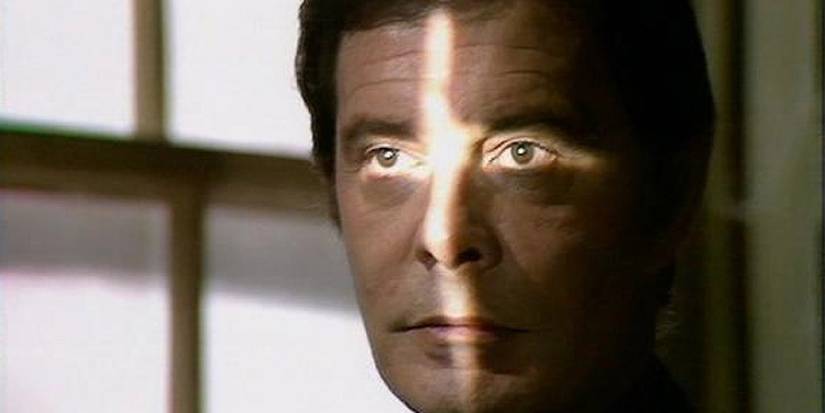
Television historians and horror scholars have increasingly championed Philip Saville’s direction. Saville, already renowned for his work on socially conscious dramas like Boys from the Blackstuff (1982) and The Life and Loves of a She-Devil, brought a grounded, naturalistic eye to the supernatural. Rather than filming the material with Gothic detachment, Saville treated the psychological terror with the gravity of a historical drama.
Critics note that Louis Jourdan’s portrayal of the Count bypassed the overt theatricality of his predecessors. Instead of shouting or snarling, Jourdan played Dracula with chilling, aristocratic politeness—a terrifying predator who weaponizes Victorian etiquette. This understated approach earned praise from purists who felt cinematic versions had turned the literary monster into a cartoonish caricature.
Implications: The Enduring Legacy of Prestige Television Horror
The acclaim surrounding the 1977 Count Dracula highlights a broader truth about screen adaptations: fidelity to a literary classic often thrives best in serialized television formats rather than compressed two-hour feature films.
Narrative Room to Breathe
Epistolary novels like Dracula, told through diary entries, logs, and telegrams, rely on accumulation—building tension brick by brick. Feature films are structurally forced to truncate character development, flatten secondary roles, and prioritize explosive third-act monster battles. The success of the 1977 miniseries paved the way for modern prestige horror television, proving that audiences will invest in slow-burning psychological dread if the atmosphere and character work are executed with precision.
Redefining the Vampire Archetype
While pop culture remains saturated with romanticized, brooding vampires—a trend supercharged by Interview with the Vampire and Twilight—the 1977 BBC adaptation serves as an essential reminder of the character’s roots. Dracula is not a misunderstood romantic hero; he is an ancient, parasitic force of aristocratic corruption invading the Victorian social order. By returning to Stoker’s blueprint with absolute seriousness, Philip Saville and Louis Jourdan created a timeless benchmark that continues to cast a long, dark shadow over the horror genre.
