Crafting Moonfish: How Daniel Zvereff Built an Indie Sci-Fi Feature Against the Odds
Main Facts: A Triumphant Debut Born From Constraints
When Brooklyn-based animator, writer, and director DanielZvereff sat down to write his debut animated feature, Moonfish, he operated under a stark, pragmatic assumption: he might have to make the entire film completely on his own.
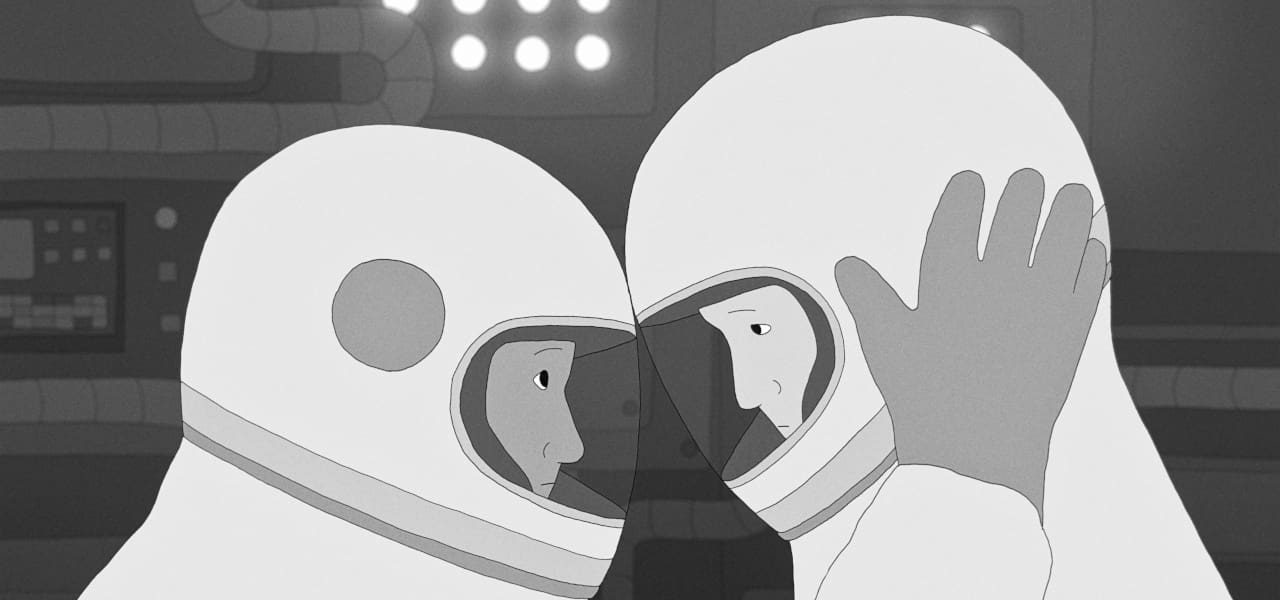
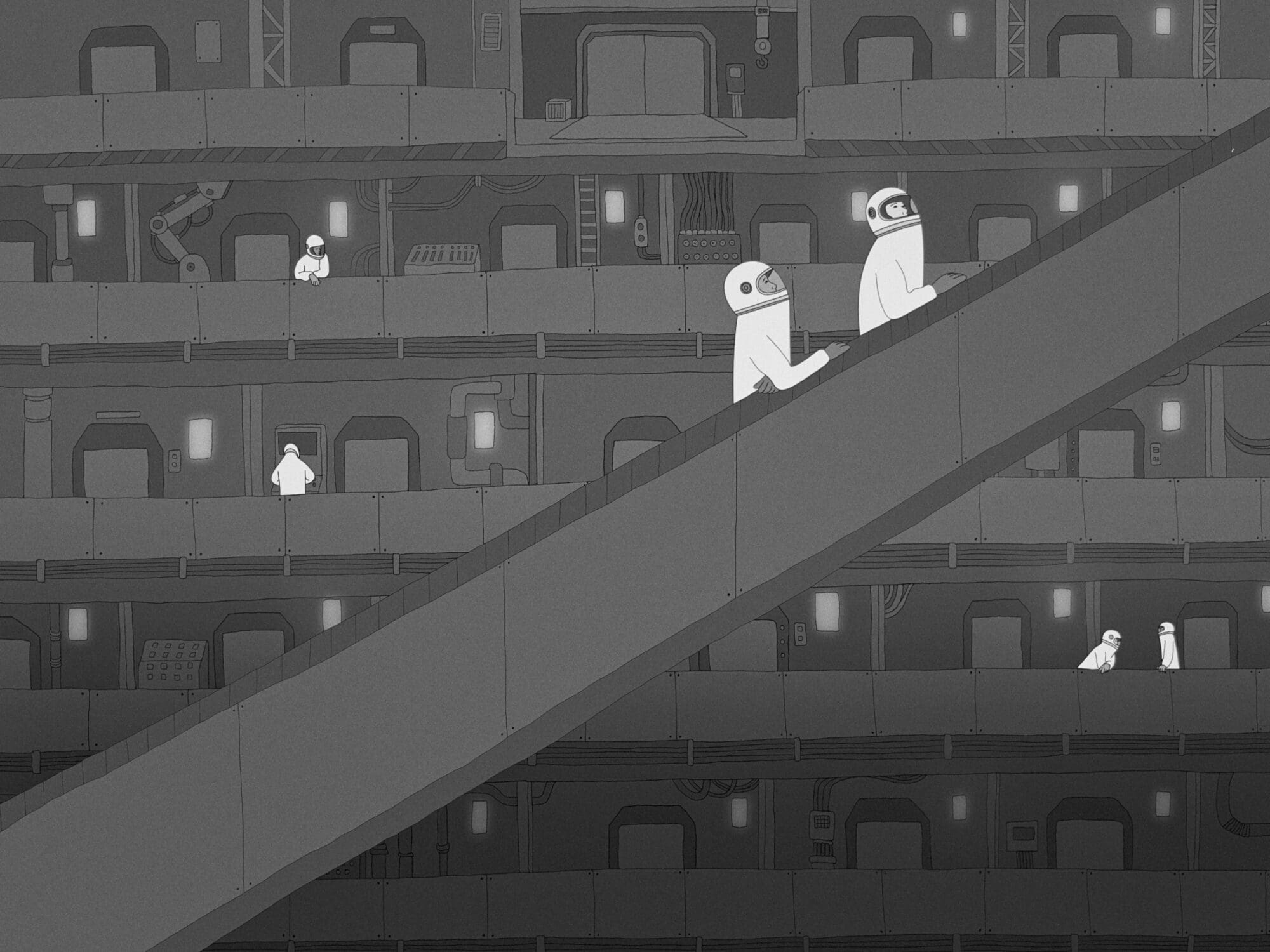
The resulting 89-minute sci-fi drama, which celebrated its world premiere at the prestigious 2026 Venice Film Festival, stands as a masterclass in indie resourcefulness. Presented in a striking 4:3 aspect ratio, Moonfish follows Cassius, a grieving astronaut mining a distant asteroid who must meet a punishing corporate quota before he can finally return home. When an unexpected accident threatens his chances of fulfilling the contract, his prolonged isolation begins to blur the fragile boundary between the living and the non-living.
The film boasts powerhouse vocal performances, with Morgan Spector breathing weary life into Cassius and Lucy Liu starring as Vesper/Fish. Developed with producers Rebecca Wyzan, James Belfer, and Mireia Vilanova—and produced via Present Company, Cartuna, and Lucky Accident Productions—Moonfish proves that breathtaking cinematic worlds do not require mega-budgets. Instead, they require uncompromising vision, disciplined restraint, and a pipeline purpose-built for survival.
Chronology: From Solo Speculation to the Venice Film Festival
The journey of Moonfish from a solitary writing exercise to an international festival darling highlights the unpredictable lifecycle of independent animation.
Phase 1: Writing for a Zero-Dollar Reality
Having previously directed acclaimed short films like Life Is a Particle, Time Is a Wave (which screened at SXSW 2022) and Drago (Sundance 2024), Zvereff aspired to make the leap to features. However, he quickly ran into the notorious "chicken-or-egg" dilemma that plagues independent animation in the United States. Unlike live-action indie films, animated features are frequently sidelined by traditional financiers, agents, and managers who struggle to categorize animation outside of major studio franchise models.
Anticipating a complete lack of outside funding, Zvereff imposed a strict golden rule on his script: every single scene had to be something he was entirely confident he could execute on his own. He shared early drafts with producer Rebecca Wyzan of Present Company, alongside James Belfer and Mireia Vilanova of Cartuna. As creative development progressed, the producers officially boarded the project, introducing a glimmer of hope for institutional financing. Yet, Zvereff maintained his baseline mindset: the film would be made regardless.
Phase 2: The Biennale College Cinema Grant and the Nine-Month Sprint
The project’s trajectory changed when it secured support from the Biennale College Cinema grant. Because Zvereff had meticulously designed the entire film around a zero-dollar reality from day one, the production was uniquely positioned to hit the ground running the moment funds arrived.
However, the grant came with a grueling timeline. Zvereff, alongside animators Devin Grover and Hoss Wheeler, faced a mathematical reality: they needed to produce a bare minimum of ten minutes of finished animation every single month over a tight nine-month production schedule.
Phase 3: Festival Premiere and Beyond
Operating with military precision, the micro-team delivered on time. The finished film premiered at the 2026 Venice Film Festival, captivating audiences and critics alike with its unhurried rhythms, immersive sound design, and stark emotional resonance. Far from being a mere proof-of-concept, Moonfish emerged as a major player in the year’s awards conversation, proving that quiet, character-driven animation can hold its own against heavily publicized studio tentpoles.
Supporting Data: Production Pipeline and Workflow Breakdown
To sustain an output of ten minutes of finished animation per month, Zvereff engineered a lean, highly efficient production pipeline tailored specifically to a micro-team and a micro-budget.
The Team and Division of Labor:
Months 1–2: The initial budget only covered Zvereff and animator Devin Grover. Recognizing Grover’s immense talent for character performance, Zvereff assigned him dialogue and character moments, while reserving wider cel movements and background layouts for himself.
Month 3 onward: Animator Hoss Wheeler joined the crew. Utilizing his expertise in TVPaint, Wheeler balanced character work with hand-drawn visual effects like smoke and fire.
Zvereff’s Role: With Grover and Wheeler locked into animation duties, Zvereff shifted his sole focus to editing the film and drawing every background environment to scale.
Daily Workflow:
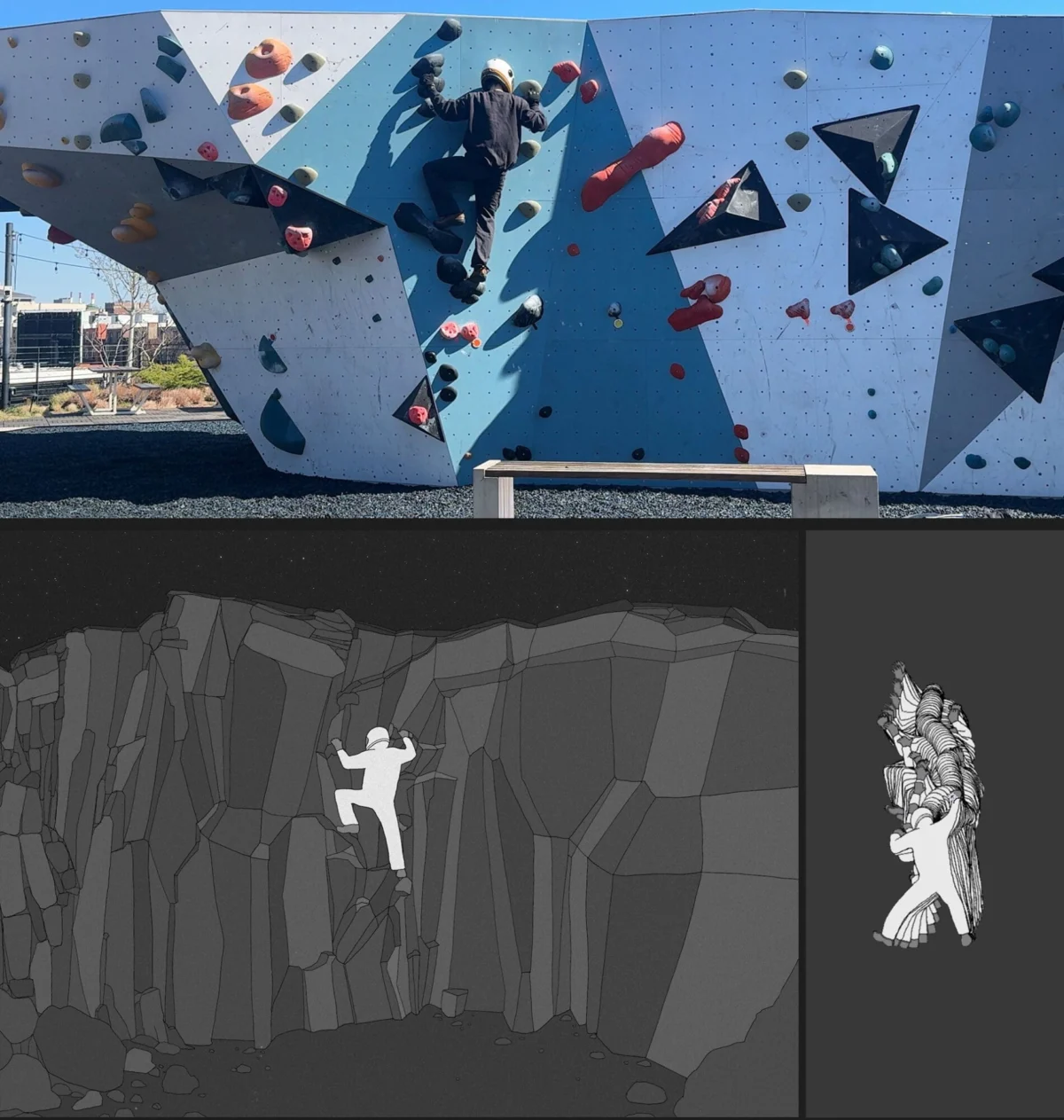
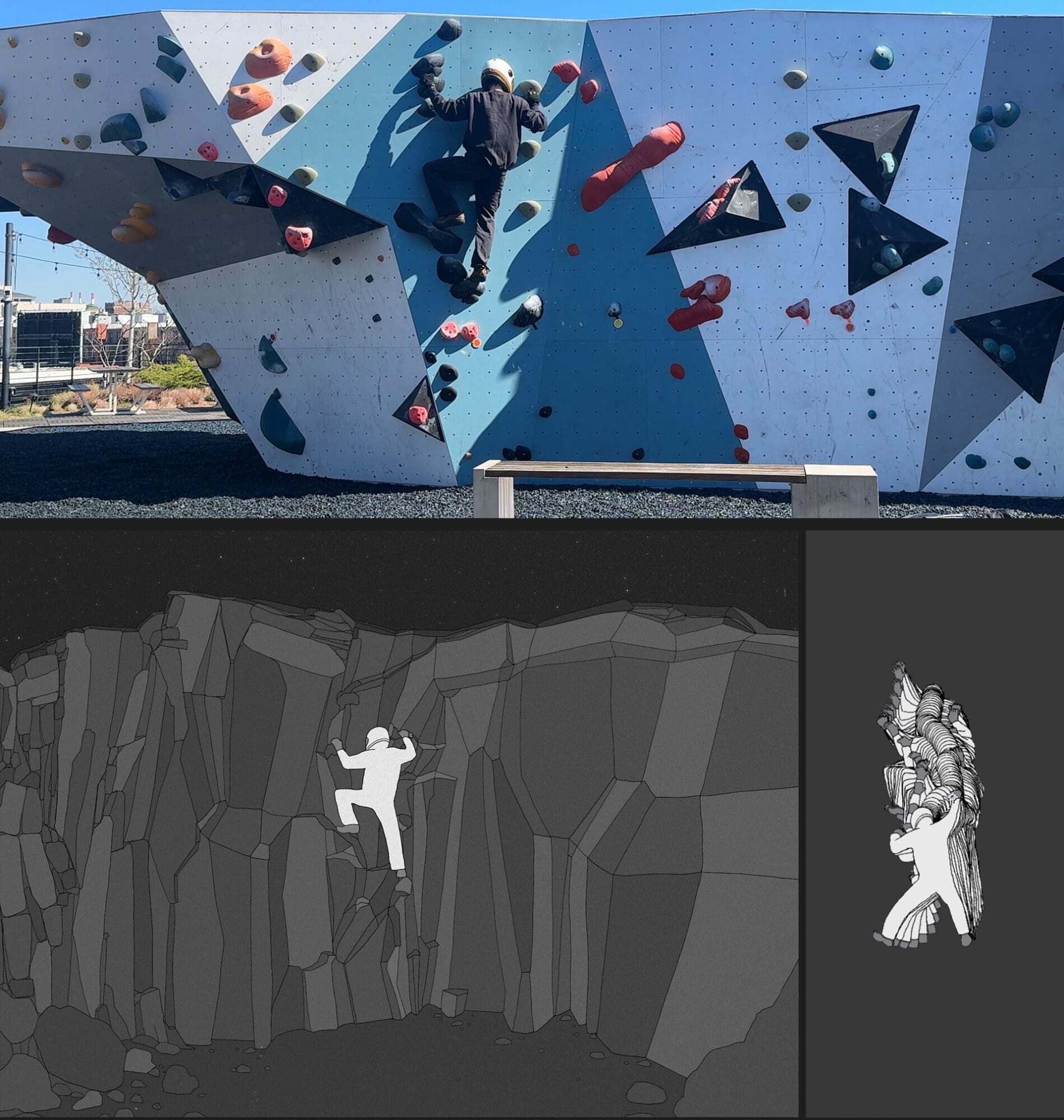
Each morning, Zvereff shot video references of himself acting out the characters’ physical actions. He sent these reference clips to Grover and Wheeler, while simultaneously constructing precise background perspectives.
Stylistic Choices:
Aspect Ratio: 4:3, evoking a claustrophobic, classic cinematic framing that accentuates Cassius’s isolation.
Animation Style: Restrained and meticulous. Rather than relying on constant, kinetic motion, Zvereff carefully calculated where movement truly mattered—such as a poignant scene where Cassius rises to stand against the backdrop of Saturn—versus where a static hold carried more emotional weight.
Official Responses: Insights From Director Daniel Zvereff
In an exclusive interview with Cartoon Brew, Daniel Zvereff opened up about the hurdles of independent animation, the joys of directing voice actors, and the heavy personal tolls exacted by his debut feature.
On the State of Independent Animation
Zvereff did not mince words regarding the challenges of financing animated projects in the United States compared to Europe:
"Getting any traction or support from the people who normally help artists get a first feature across the line… is near-impossible. I think there’s a struggle because animation is unfairly categorized outside the realm of indie film—almost like it’s a genre existing outside the cinema ecosystem entirely. In recent years, that’s finally starting to shift. Younger audiences are craving animated films that aren’t just four-quadrant family tentpoles, especially in Europe. That appetite exists in the US too, but the industry on this side of the ocean is definitely less willing to take creative risks."
On Directing Voice Actors Morgan Spector and Lucy Liu
Transitioning to a project with dialogue for the first time, Zvereff praised the contributions of his high-profile cast:
"Morgan and Lucy are both stellar actors who brought an incredible depth of experience to the table. I had never directed actors before, but working with them unlocked a completely new kind of joy in the process… The script I wrote demanded the exact opposite [of broad physical animation]: stillness and restraint. If audiences are only accustomed to hyper-expressive character movement, leaning into that quietness can feel jarring at first. I recognize that challenge, but I think it’s a necessary, healthy push for the medium."
On the Personal Cost and the Future
While Zvereff noted that the technical pipeline he built is repeatable and sustainable for future projects, the human cost was immense:
"For me personally, though, it was grueling. I was the one who couldn’t afford to take breaks; I had no real evenings, no weekends—just to hit my expectations of the film’s visual fidelity. You can sustain that sprint maybe ONCE when you’re willing your first feature into existence. I’m happy I did it."
Looking ahead, Zvereff is already developing his next feature, The Blue Meridian, a mystery thriller set in the Pacific Northwest. This time, he hopes to embrace what he considers the true joy of filmmaking: large-scale collaboration with artists even more talented than himself.
Implications: A Blueprint for the Future of Indie Animation
Moonfish arrives at a pivotal cultural and industrial crossroads, carrying significant implications for independent animators worldwide.
For years, the conventional wisdom dictated that feature-length animation required massive studio infrastructure, multi-million-dollar budgets, and armies of software technicians. Zvereff’s work challenges this dogma head-on. By intentionally writing a script tailored to zero-dollar constraints and leveraging micro-grants like the Biennale College Cinema, Moonfish demonstrates that compelling narrative depth, emotional complexity, and striking visual design can be achieved on a fraction of a traditional budget.
Furthermore, the film champions a stylistic counter-programming to modern studio norms. In an industry saturated with hyper-kinetic, four-quadrant family comedies designed to keep children constantly stimulated, Moonfish trusts its audience enough to be quiet. Its unhurried rhythms, meditative pacing, and focus on existential grief prove that animation is a mature literary and cinematic medium capable of tackling heavy thematic material.
As Moonfish makes waves on the festival circuit and enters the conversation for awards season, it serves as an inspiring blueprint for a new generation of creators. It signals to aspiring filmmakers that if the traditional gatekeepers refuse to open the doors, a carefully engineered pipeline, fierce discipline, and absolute creative restraint can blast those doors open from the inside.