
The House of Cards: A Comprehensive Anatomy of the Theranos Fraud and the New Lens of ‘You Can See Everything’
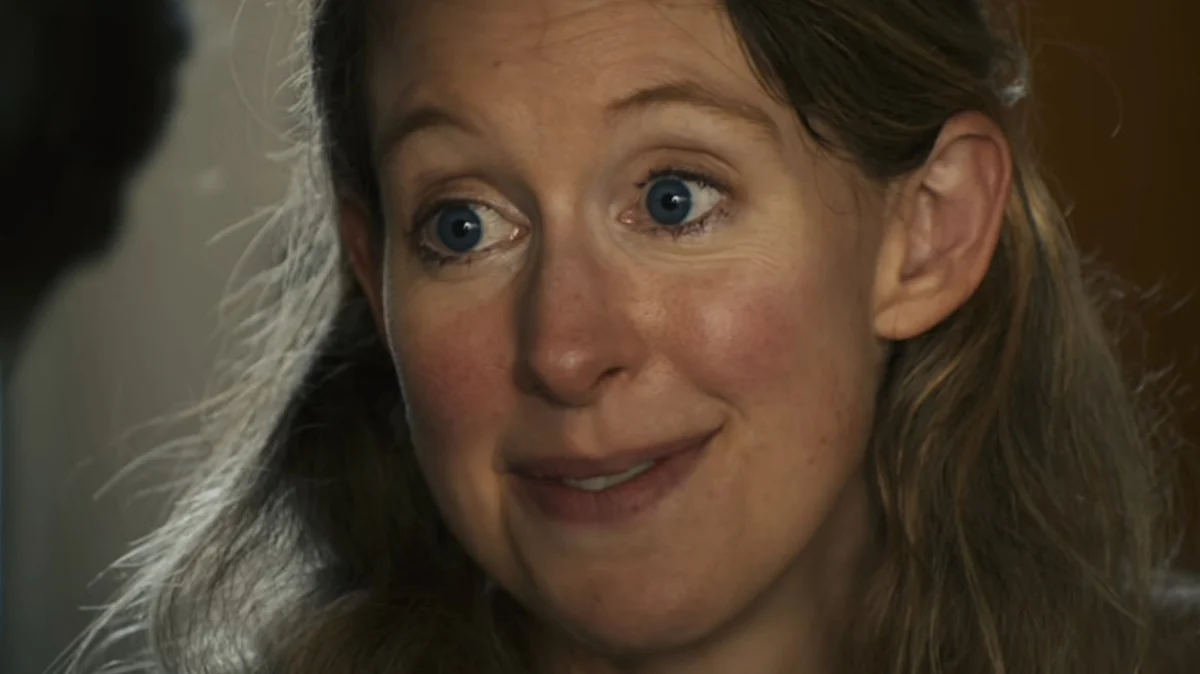
The rise and fall of Elizabeth Holmes and her startup, Theranos, stands as perhaps the most audacious corporate fraud of the 21st century. It is a cautionary tale that blends the intoxicating allure of Silicon Valley’s "fake it till you make it" ethos with the cold, hard reality of medical ethics and federal law. While the story has been parsed through investigative journalism, books, and dramatized television series, the cultural fascination with Holmes persists—most recently reignited by the release of the unconventional documentary You Can See Everything, directed by Nathan Fielder and Lance Oppenheim.
As audiences flock to theaters to witness this latest cinematic examination of Holmes’ private life, it remains essential to understand the sheer scale of the deception that once held the world’s most powerful investors, politicians, and medical experts in its thrall.
The Genesis of a Medical Pipe Dream
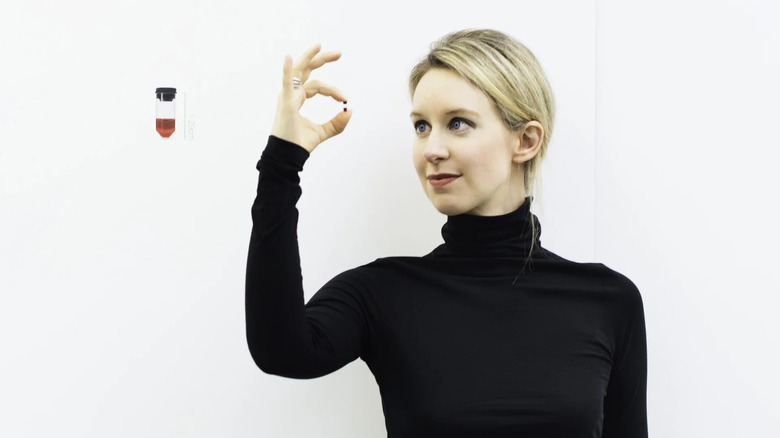
In 2002, a 19-year-old Elizabeth Holmes walked away from her chemical engineering studies at Stanford University. Driven by a self-admitted phobia of needles and a messianic vision of revolutionizing healthcare, she founded Theranos (a portmanteau of "therapy" and "diagnosis"). Her pitch was deceptively simple: create a portable device capable of running hundreds of blood tests with only a few drops of blood taken from a finger prick.
The promise was democratic and disruptive. By removing the need for traditional venipuncture—the standard, often uncomfortable needle-in-the-arm draw—Holmes argued that she could empower patients to monitor their health in real-time, preventing diseases before they manifested.
The Engine of Deception
To scale this vision, Holmes required capital and credibility. She found a willing partner in Sunny Balwani, a Pakistani businessman who joined the company in 2009. Balwani provided a $10 million loan and assumed the role of President and Chief Operating Officer. Behind the scenes, the two maintained a clandestine romantic relationship, a dynamic that would later become a central focal point of Holmes’ legal defense.
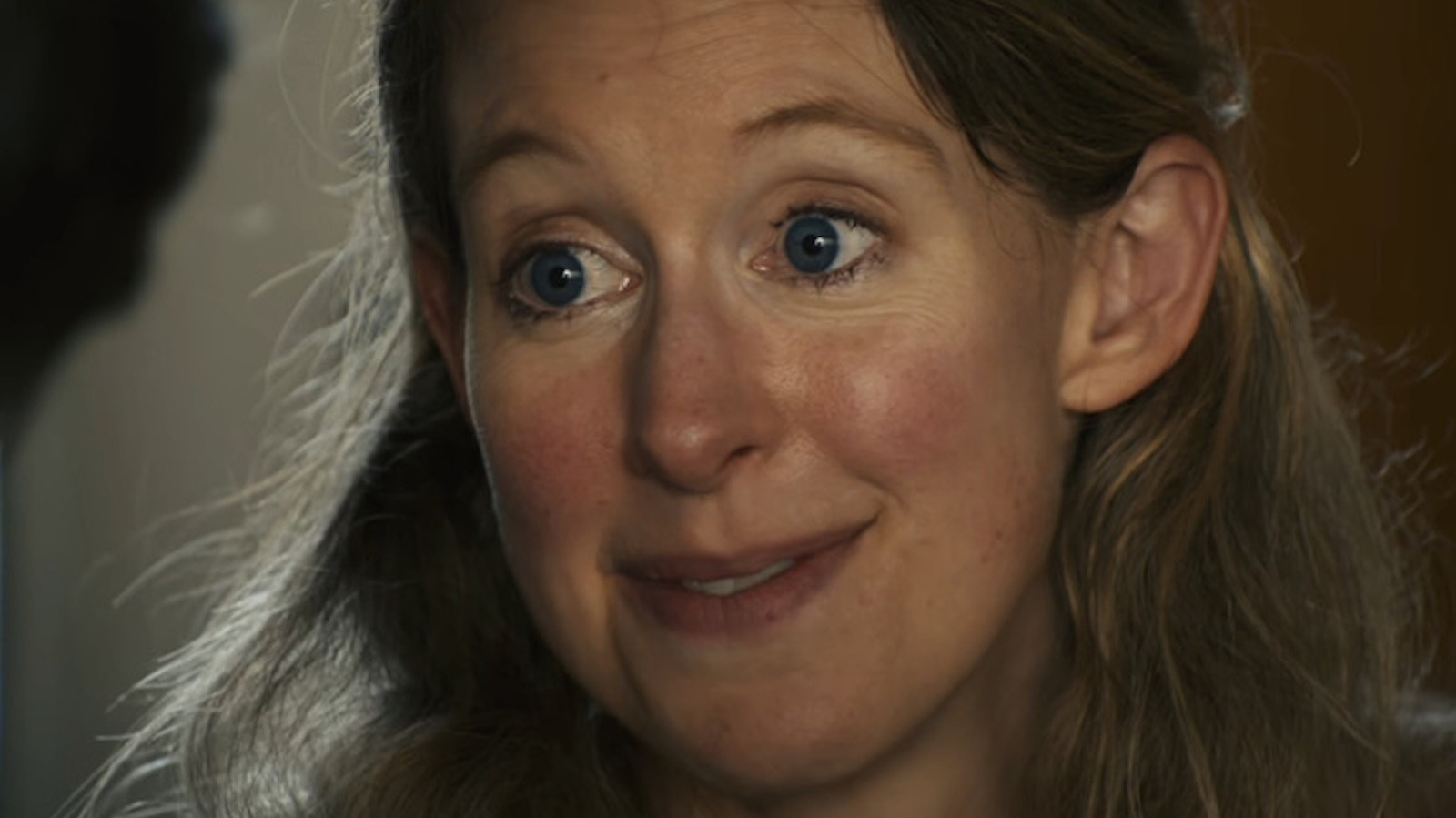
Holmes proved to be a masterful fundraiser. She cultivated an aesthetic of "stealth" and intellectual superiority, often dressing in black turtlenecks to mimic the aura of Steve Jobs. This persona, combined with an intense, unblinking gaze, helped her secure massive investments from high-profile figures, including former U.S. Secretaries of State George Shultz and Henry Kissinger. These endorsements served as a "seal of approval" that allowed Theranos to secure a partnership with retail giant Walgreens, bringing their "Wellness Centers" to the public.
A Chronology of the Collapse
The disintegration of Theranos was not an overnight event; it was a slow-motion car crash that played out over several years.
- 2014: At the peak of its valuation, Theranos was pegged at $9 billion. Forbes named Holmes the youngest self-made female billionaire in America, with a net worth of $4.5 billion. Despite the accolades, the technology remained unproven and unreliable.
- October 2015: The Wall Street Journal published a seismic investigative report by John Carreyrou. The piece revealed that the company was using traditional third-party blood analyzers rather than their proprietary "Edison" machines for the vast majority of tests.
- 2016: The dominoes began to fall. Walgreens terminated its partnership, and the Centers for Medicare and Medicaid Services (CMS) revoked the company’s license to operate blood-testing labs. Forbes famously adjusted Holmes’ net worth from $4.5 billion to zero.
- 2018: The SEC charged Holmes and Balwani with "massive fraud." Holmes stepped down as CEO.
- 2021–2022: The federal trial took place. Holmes, having navigated delays due to the COVID-19 pandemic and her own pregnancy, faced 11 federal charges.
- 2023: Holmes began serving her 11-year prison sentence.
Supporting Data: The Anatomy of the Fraud
The fraud was not merely a technological failure; it was a systemic manipulation of information. Internal documents and whistleblower testimony revealed that Theranos had misled investors about its revenue, its testing capabilities, and its military contracts.
Data collected during the height of the scandal showed that of the hundreds of tests Theranos claimed to offer, only a handful were performed on their signature finger-prick devices. The rest were outsourced, or worse, performed on faulty machines that produced dangerously inaccurate results. For patients who relied on these tests to manage chronic conditions or monitor life-altering health concerns, the consequences were potentially fatal.
The Human Cost
While the headlines often focused on the $700 million lost by billionaire investors, the real victims were the patients who received false positives or false negatives. The psychological toll on employees, many of whom were coerced into silence by ironclad non-disclosure agreements and the fear of litigation, remains a sobering aspect of the Theranos narrative.
Official Responses and Legal Accountability
The courtroom drama served as the final chapter of the corporate entity. Holmes attempted to shift the blame, arguing that her judgment was clouded by an abusive, controlling relationship with Balwani. Balwani, conversely, denied these allegations and was himself found guilty of 12 counts of fraud and conspiracy, receiving a sentence of nearly 13 years.
The sentencing of Holmes to 11 years in federal prison sent a clear message to Silicon Valley: the rules of corporate governance and financial transparency apply even to the most charismatic "visionaries." While she is currently incarcerated, her projected release to a halfway house in 2027 continues to be a subject of public interest and debate regarding the nature of white-collar justice.
The Legacy: Why We Still Watch
The enduring fascination with Elizabeth Holmes is captured perfectly in the new documentary You Can See Everything. By embedding himself in the quiet, surreal vacuum of Holmes’ pre-prison life, Nathan Fielder provides a vantage point that previous dramatizations—such as the Emmy-winning The Dropout—could not touch.
The film strips away the corporate jargon and the media spectacle, focusing instead on the singular, haunting image of a woman who managed to convince the world of a lie for nearly a decade. It forces the audience to reconcile the "earnest" public figure with the reality of a convicted criminal.
The Broader Implications
The Theranos scandal has fundamentally altered the relationship between venture capital and health technology. Today, due diligence in the biotech sector is significantly more rigorous. Investors are less likely to be swayed by the cult of personality, and regulatory bodies have tightened their oversight of "stealth" startups.
Yet, as You Can See Everything suggests, the temptation to believe in a miracle remains human. Holmes was not just a fraudster; she was a mirror for our own desires for technological salvation. She promised a future where we could know everything about our health with a simple touch, and for a brief, dangerous moment, we wanted that promise to be true more than we wanted the facts.
As we look back at the rubble of Theranos, the lesson is clear: innovation without transparency is merely a high-stakes gamble. Whether the medium is a book, a podcast, or a documentary like You Can See Everything, the story of Elizabeth Holmes will continue to serve as a vital, necessary warning for the innovators and investors of the future.
