
The Unprecedented Rise of "You Can See Everything": Why the Elizabeth Holmes Documentary is Reshaping the Box Office
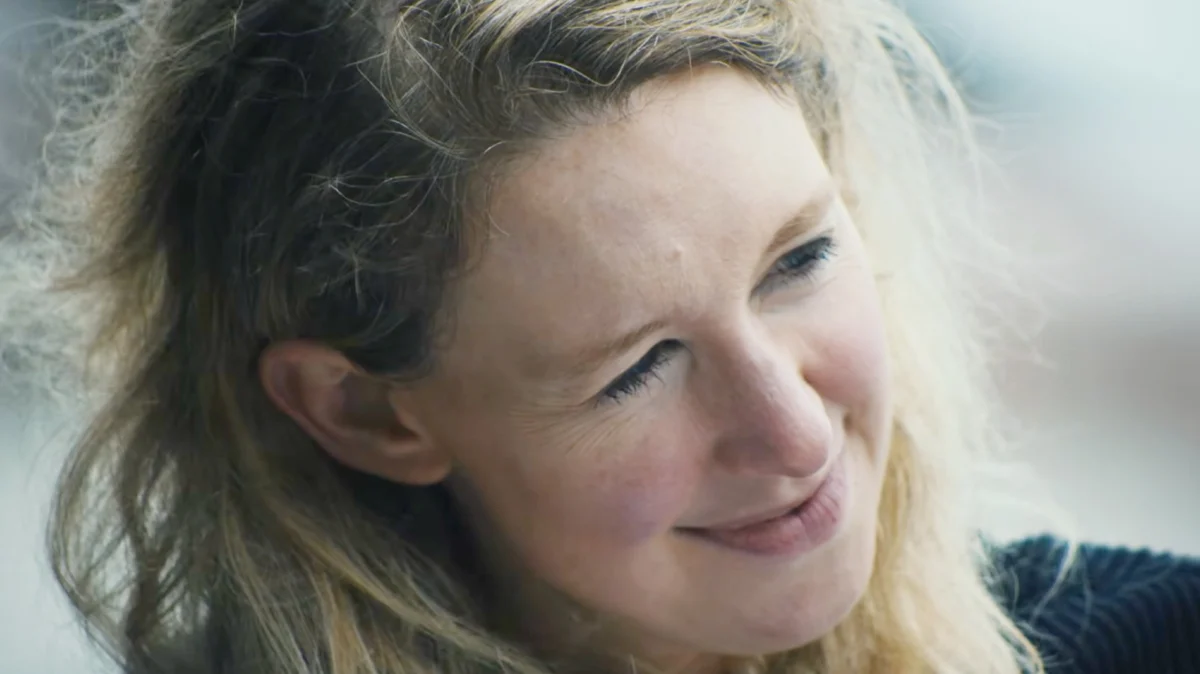
In the landscape of modern cinema, the documentary film has long been relegated to a specific tier of distribution—usually limited releases, niche art-house circuits, or the bottomless content pits of streaming services. However, the 2026 box office landscape has been irrevocably altered by the arrival of You Can See Everything, a chilling, three-hour deep dive into the life of convicted Theranos founder Elizabeth Holmes. Co-directed by the surrealist humorist Nathan Fielder and documentarian Lance Oppenheim, the film has achieved what industry analysts previously deemed impossible: it has become a genuine, must-see theatrical blockbuster.
With an opening weekend domestic haul of $15 million—a staggering figure for a non-fiction project—You Can See Everything has signaled a seismic shift in how audiences consume factual narratives. By eschewing the traditional “talking head” documentary format in favor of a visceral, immersive, and often uncomfortable psychological study, the film has managed to captivate the public consciousness, proving that audiences are hungrier than ever for complex, real-world stories presented with the pacing and intrigue of a high-stakes thriller.
The Chronology: From Silicon Valley Infamy to Cinematic Phenomenon
The genesis of You Can See Everything began in the shadows of the legal proceedings that defined the end of Holmes’s career. The film tracks a harrowing 34-day window in the life of the disgraced executive, occurring just before she was remanded to federal prison. Rather than providing a standard retrospective of the Theranos scandal—a story already thoroughly chronicled by the Hulu miniseries The Dropout—Fielder and Oppenheim secured unprecedented access to Holmes and her current partner, Billy Evans.
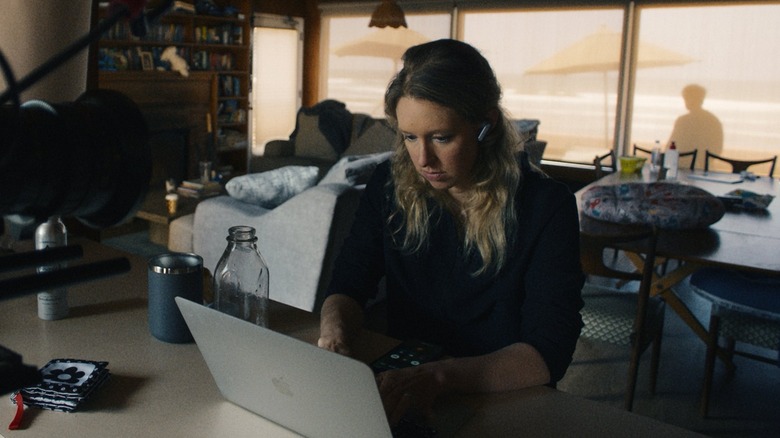
The production timeline spans a three-year period, documenting the agonizing transition from high-flying tech icon to convicted felon. The film captures the quiet, domestic isolation of the couple during the twilight of Holmes’s freedom. By stripping away the corporate veneer of Theranos, the directors force the audience to confront the human being behind the headlines. The film does not merely ask what went wrong with the blood-testing startup; it asks who Elizabeth Holmes is when the cameras are on, when the legal walls are closing in, and when the public’s judgment is absolute.
Supporting Data: By the Numbers
The financial performance of You Can See Everything is a case study in efficiency and cultural penetration. Released by A24, the film debuted at number two on the domestic box office charts, trailing only the high-budget martial arts spectacle Street Fighter. While Street Fighter utilized the massive reach of a global video game franchise, You Can See Everything achieved its success on a mere 855 screens.
This resulted in a jaw-dropping per-screen average of $17,543. To put this in historical context, one must look back to 2004’s Fahrenheit 9/11, which opened to $23.9 million on 868 screens. While the numbers are comparable, the cultural context of 2004 was vastly different. In the streaming-saturated era of the 2020s, where documentaries are rarely afforded the "event" status, A24’s release has shattered the ceiling. With a production budget of only $7 million, the film doubled its costs in its opening 72 hours, effectively guaranteeing that the remainder of its run will be pure profit.
A Perfect Storm of Critical Acclaim and Viral Buzz
The film’s success cannot be attributed to a single factor, but rather a convergence of three specific forces: critical near-unanimity, the "Fielder Effect," and the inherent, enduring mystery of its subject.
The Critical Consensus
You Can See Everything currently boasts a 98% approval rating on Rotten Tomatoes. Critics have lauded the film for its stylistic bravery. /Film’s Ethan Anderton aptly described the documentary as a "mystifying masterwork of mind-melting manipulation." The film avoids the trap of moralizing; instead, it presents a stark, unvarnished portrait of human ego and delusion. This critical momentum has translated into the most valuable currency in Hollywood: word-of-mouth.
The Nathan Fielder Factor
Nathan Fielder, known for the uncomfortable, reality-bending genius of Nathan for You and The Rehearsal, has evolved into a cultural brand of his own. His involvement acted as a beacon for a younger, highly engaged demographic that typically avoids standard true-crime fare. Fielder’s ability to find the absurdity within the tragic—and the tragedy within the absurd—provided the film with a unique tonal edge that separated it from the hundreds of disposable, algorithmically-driven documentaries currently flooding streaming platforms.
The "Must-See" Secret
Perhaps the most crucial element in the film’s success is its carefully guarded "secret actor" reveal—a narrative twist that has sent shockwaves through social media. By incorporating elements that defy conventional documentary expectations, the film has transformed from a mere viewing experience into a cultural conversation. Audiences are flocking to theaters not just to see a story they think they know, but to experience a piece of cinema that challenges their perception of reality.
Official Responses and Industry Implications
The ripple effects of You Can See Everything are being felt throughout the major studios. While A24 has kept its marketing spend relatively minimal, relying on organic buzz, other distributors are reportedly scrambling to understand why this specific film captured the zeitgeist.
"We are seeing a move away from the ‘content’ model of the early 2020s," says one industry analyst. "Audiences are tired of being fed documentaries that feel like homework. They want to be challenged, they want to be surprised, and they want to discuss what they’ve seen with their peers. You Can See Everything has proven that if you treat a documentary like a major theatrical event, the audience will show up."
While A24 has declined to comment on specific future projects involving Fielder or Oppenheim, the success of this film practically ensures a follow-up in some capacity. The studio’s willingness to bet on a three-hour, high-concept documentary has paid dividends that will likely influence development slates for the next several years.
The Legacy of the Holmes Narrative
What makes the success of this film particularly fascinating is the public’s continued obsession with Elizabeth Holmes. Despite the exhaustive media coverage of her trial and sentencing, the "myth" of Holmes persists. You Can See Everything succeeds because it pivots away from the technical failures of Theranos to focus on the interpersonal dynamics of those left in the wake of the scandal.
The introduction of Billy Evans as a focal point, and the exploration of the "villains" surrounding the case, has added layers of complexity that were previously unexplored. By framing the documentary as a journey of manipulation—both of the public and, perhaps, of the filmmakers themselves—Fielder and Oppenheim have created a mirror in which the audience sees their own fascination with the macabre and the deceptive.
Conclusion: A New Era for Non-Fiction
The triumph of You Can See Everything is more than just a box office anomaly; it is a recalibration of what a documentary can be. It proves that the "truth" is not only stranger than fiction, but when presented with the right level of craft and vision, it is just as profitable.
As the film continues its theatrical run, its legacy is already being written. It has pushed the boundaries of the genre, elevated the profile of its directors, and provided a masterclass in how to leverage the "event" status of a movie in a fragmented media landscape. For those who have yet to see it, the message is clear: do not wait for the streaming release. This is a film that demands to be experienced, discussed, and analyzed in the dark of a theater, surrounded by an audience that is just as bewildered and captivated as you are.
You Can See Everything is currently in wide release. It is, quite simply, the film of the year—and it is just getting started.
