
The Legacy and Evolution of the Wayans Family Comedy Dynasty: Analyzing Their Five Most Influential Films
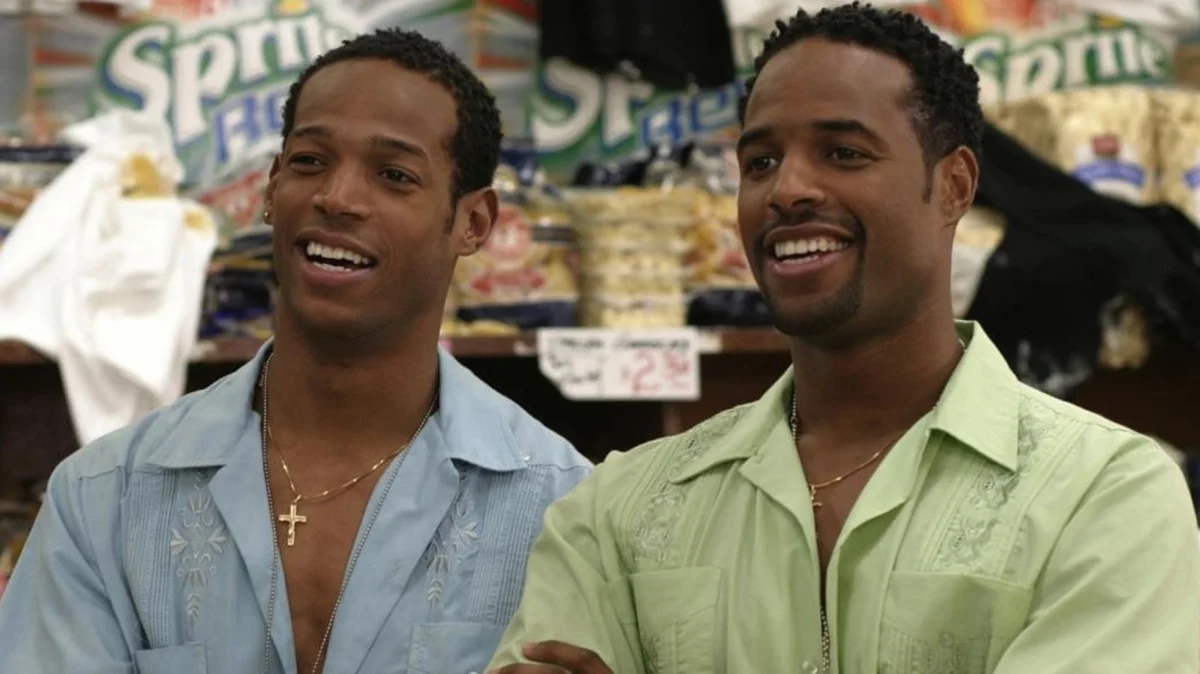
For nearly forty years, the Wayans family has maintained a formidable and highly influential presence in American film and television comedy. Emerging from the creative crucible of the late 1980s, the family—led by trailblazers Keenen Ivory, Damon, Shawn, and Marlon Wayans—has constructed a multi-billion-dollar cinematic empire. Their work has fundamentally shaped the landscape of modern parody, sketch comedy, and physical humor.
From their early days satirizing Hollywood’s systemic marginalization of Black talent to pioneering the modern blockbuster spoof, the Wayans family has consistently captured the cultural zeitgeist. However, their legacy is not without complexity. Known for a brand of comedy that frequently pushes boundaries, their work has often walked a fine line between subversive satire and controversial, demographic-targeted humor.
With a new installment of the Scary Movie franchise slated for release in 2026, the cultural footprint and artistic merit of the Wayans catalog remain highly relevant subjects of cinematic analysis.
Main Facts: The Architects of Modern Spoof Cinema
The rise of the Wayans family is a classic story of creative self-determination. The family’s cinematic journey began in earnest in 1987 when Keenen Ivory Wayans co-wrote the industry satire Hollywood Shuffle with Robert Townsend. The film exposed the limited, stereotypical roles available to Black actors in Hollywood, establishing a thematic foundation of media self-reflection that would define the family’s subsequent work.
A year later, Keenen made his directorial debut with I’m Gonna Git You Sucka, a loving yet sharp parody of 1970s Blaxploitation films. This laid the blueprint for the family’s signature style: high-density gag writing, physical slapstick, and direct genre subversion. Over the next three decades, the family expanded its roster, integrating younger brothers Shawn and Marlon, as well as sister Kim and Damon’s son, Damon Wayans Jr., into various projects.
Cumulatively, movies written, directed, or starring the Wayans brothers have grossed approximately $2 billion globally. This commercial dominance peaked in 2000 with the release of Scary Movie, a horror parody directed by Keenen and starring Shawn and Marlon, which became a global box-office sensation.
Despite their commercial success, the family’s comedy has often drawn criticism. Their early-90s sketch show In Living Color broke television ground but also introduced controversial characters like "Handi-Man" (a superhero with cerebral palsy) and the "Men on Film" movie critics, which relied heavily on caricature. This tension between populist, boundary-pushing comedy and contemporary standards of sensitivity remains a defining characteristic of their cinematic legacy.
Chronology of the Wayans Cinematic Dynasty
To understand the evolution of the Wayans family’s artistic output, it is necessary to examine their key films in chronological order. This timeline illustrates their transition from low-budget indie satirists to major studio hitmakers.
1988: I’m Gonna Git You Sucka (Ranked #1)
        [1988] I'm Gonna Git You Sucka (Ranked #1)
          │  • Keenen Ivory Wayans' directorial debut
          │  • Sharp satire of 1970s Blaxploitation films
          ▼
        [1994] Blankman (Ranked #4)
          │  • Damon Wayans' earnest superhero comedy
          │  • Cult classic despite box-office struggles
          ▼
        [1996] Don't Be a Menace... (Ranked #2)
          │  • Shawn & Marlon's breakthrough spoof
          │  • Parodied 90s urban dramas (Boyz n the Hood)
          ▼
        [2001] Scary Movie 2 (Ranked #3)
          │  • Shifted focus to supernatural horror parody
          │  • Expanded ensemble cast (Tim Curry, David Cross)
          ▼
        [2004] White Chicks (Ranked #5)
             • High-concept gender/race-bending farce
             • Maintained enduring pop-culture footprint
Keenen Ivory Wayans’ directorial debut, I’m Gonna Git You Sucka, stands as the family’s finest cinematic achievement. The film follows Jack Spade (played by Keenen), a naive military veteran who returns to "Any Ghetto, U.S.A." to avenge the death of his brother, Junebug, who died of an "over-gold" (wearing too many gold chains).
Rather than merely mocking the Blaxploitation genre, Keenen approached the material with genuine affection. He cast genuine genre icons—including Jim Brown, Bernie Casey, Isaac Hayes, and Antonio Fargas—to play heightened versions of their classic screen personas. The film successfully combined sharp social commentary on commercialized street culture with iconic slapstick, such as Fargas’ character walking in platform shoes filled with live goldfish. It remains a masterclass in genre parody that punches up rather than down.
1994: Blankman (Ranked #4)
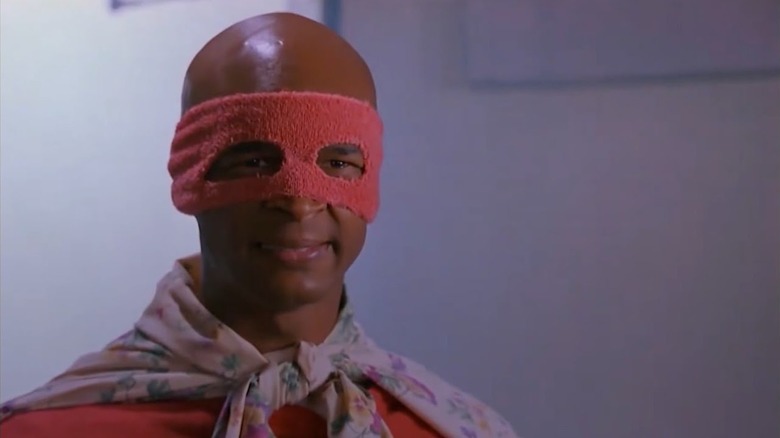
By the mid-1990s, Damon Wayans had established himself as a major star on In Living Color. He brought his distinct comedic sensibilities to Blankman, a sweet-natured superhero parody that he co-wrote and starred in. Directed by Mike Binder, the film follows Darryl Walker, an eccentric, socially awkward inventor who decides to fight crime in his neighborhood using homemade gadgets after his grandmother is murdered.
Unlike the cynical parodies that would later dominate the family’s filmography, Blankman is remarkably earnest. It functions as a tribute to the campy 1960s Batman television series while offering a rare, positive portrayal of a neurodivergent Black hero cleaning up his community. Though it struggled commercially upon release, Damon’s vulnerable performance and David Alan Grier’s supporting role as his reluctant sidekick, "Other Guy," have earned the film a dedicated cult following.
1996: Don’t Be a Menace to South Central While Drinking Your Juice in the Hood (Ranked #2)
As the 1990s progressed, a new wave of serious urban dramas—such as Boyz n the Hood, Menace II Society, and Juice—gained critical acclaim. Sensing an opportunity for satire, younger brothers Shawn and Marlon Wayans wrote and starred in this highly kinetic, visually inventive parody, directed by Emmy winner Paris Barclay.
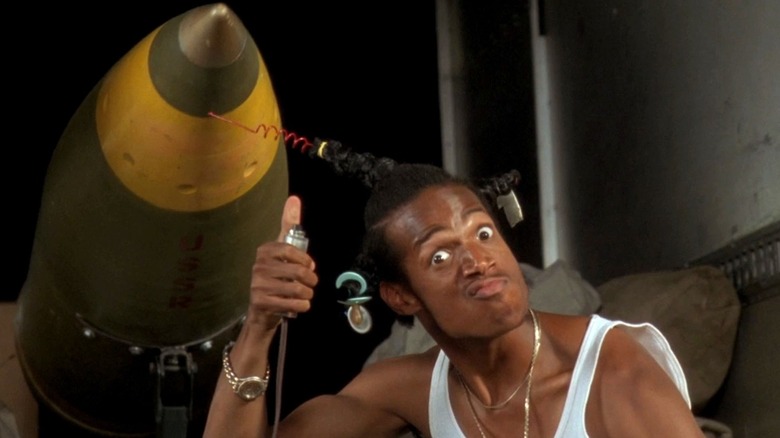
The film follows Ashtray (Shawn) as he navigates the dangers of growing up in South Central Los Angeles alongside his unhinged cousin, Loc Dog (Marlon). The film is an incredibly dense barrage of visual gags, dark humor, and cultural satire. Highlights include Bernie Mac’s performance as a self-hating Black police officer and Marlon’s character storing a Soviet-era nuclear missile in the back of his mail truck. While the film occasionally targets marginalized groups, its primary focus is a brilliant, hyper-exaggerated critique of Hollywood’s sudden obsession with "ghetto tragedy" cinema.
2001: Scary Movie 2 (Ranked #3)
Following the massive success of Scary Movie in 2000, Dimension Films rushed a sequel into production for a summer 2001 release. Despite a chaotic production schedule, Scary Movie 2 represents a creative high point for the franchise’s spoof mechanics.
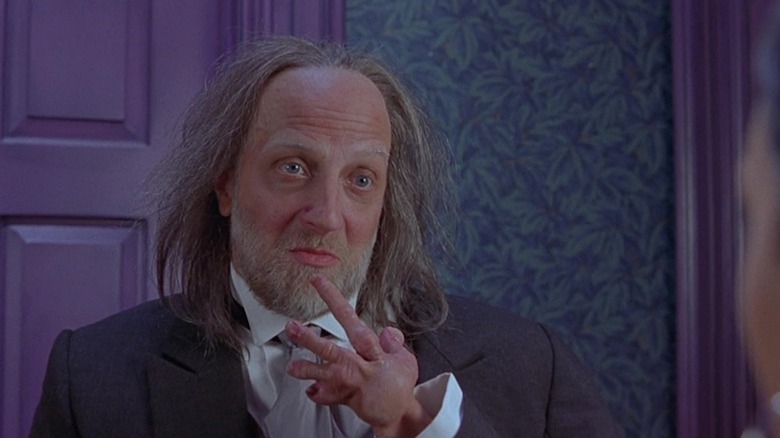
Rather than repeating the slasher-movie parodies of the first film, Keenen Ivory Wayans shifted the focus to supernatural horror, drawing inspiration from classic haunted house cinema like The Haunting, Poltergeist, and Richard Matheson’s Hell House. The film benefited immensely from an expanded ensemble cast of veteran comedic actors, including Tim Curry, David Cross, James Woods, and Chris Elliott as Hanson, the caretaker with an infamously misshapen hand. The sequel is faster, weirder, and more surreal than its predecessor, showing a willingness to engage with older, more atmospheric cinematic tropes.
2004: White Chicks (Ranked #5)
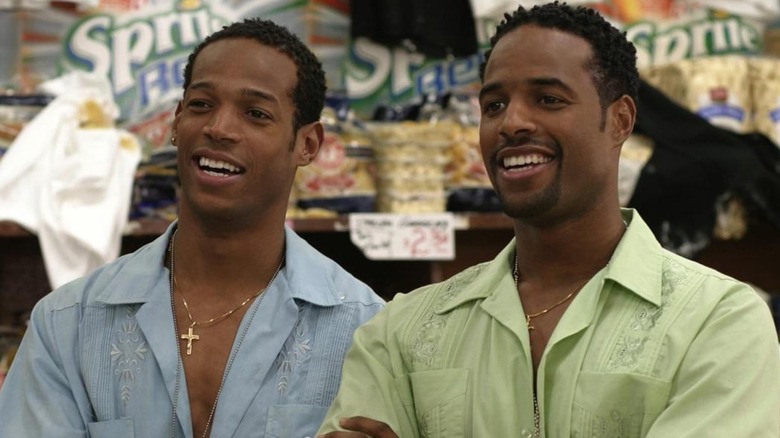
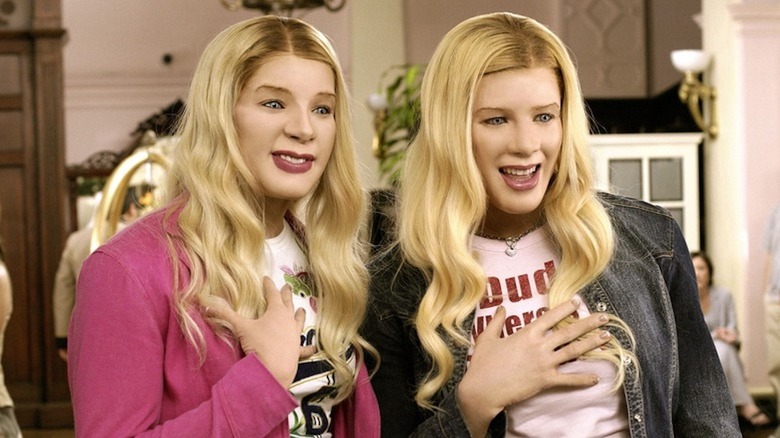
White Chicks is perhaps the most culturally enduring and heavily quoted film in the Wayans library. The high-concept comedy stars Shawn and Marlon Wayans as disgraced FBI agents who must disguise themselves as wealthy white socialites to foil a high-profile kidnapping plot in the Hamptons.
While the central makeup effects are famously uncanny, the film succeeds due to the sheer commitment of its leads and a breakout supporting performance by Terry Crews. Crews, playing a professional basketball star infatuated with Marlon’s disguised character, delivers one of the most memorable physical comedy sequences of the 2000s during a wild, drug-fueled dance club scene. Despite its reliance on crude humor and a questionable "date rape drug" subplot that was nearly expanded in earlier drafts, the film’s sweetness and energetic performances have cemented its status as a modern camp classic.
Supporting Data and Box Office Analysis
The commercial trajectory of the Wayans family’s films demonstrates their immense box-office power, particularly during the late 1990s and early 2000s. The following table illustrates the financial performance of key releases, highlighting the highly profitable nature of their low-to-mid-budget parody model.
| Film Title | Release Year | Production Budget | Global Box Office | Return on Investment (ROI) |
|---|---|---|---|---|
| I’m Gonna Git You Sucka | 1988 | $3,000,000 | $13,000,000 | 333% |
| Blankman | 1994 | $30,000,000 | $7,900,000 | -73.6% |
| Don’t Be a Menace… | 1996 | $3,800,000 | $20,100,000 | 428.9% |
| Scary Movie | 2000 | $19,000,000 | $278,000,000 | 1,363% |
| Scary Movie 2 | 2001 | $45,000,000 | $141,200,000 | 213.7% |
| White Chicks | 2004 | $37,000,000 | $113,100,000 | 205.6% |
The data reveals that while traditional high-budget studio comedies like Blankman struggled to find an audience, the family’s lean, targeted parodies yielded extraordinary returns. Scary Movie remains one of the most profitable horror-comedies of all time, generating an ROI of over 1,300% and establishing the spoof genre as a major profit driver for Miramax and Dimension Films during the early 2000s.
Official Responses and Cultural Reception
The critical reception of the Wayans family’s work has historically been divided. While mainstream film critics often dismissed their comedies as low-brow or tasteless, audiences frequently turned them into box-office hits.
Over time, film scholars have re-evaluated the family’s early work, particularly I’m Gonna Git You Sucka and Don’t Be a Menace…, recognizing them as sophisticated deconstructions of Black representation in Hollywood. Critics have noted that Keenen Ivory Wayans used parody not just for cheap laughs, but to challenge the narrow artistic lanes assigned to Black creatives.
However, the family has also faced sustained criticism for their use of jokes that target marginalized communities. Scholars and activists have pointed to recurring themes of homophobia, transphobia, and ableism in their catalog—ranging from the In Living Color era to the cross-dressing gags in White Chicks.
In interviews, the Wayans brothers have often defended their approach as equal-opportunity offense, arguing that comedy should be free to push boundaries. Marlon Wayans has frequently spoken out against modern cancel culture, stating that comedy needs to be wild and unfiltered to function effectively. He has argued that their films are designed to bring people together by finding the absurdity in everyone, regardless of their background.
Implications for Modern Comedy
The enduring popularity of the Wayans catalog has significant implications for the future of cinematic comedy. In an era where mid-budget studio comedies have largely vanished from theatrical release schedules in favor of streaming platforms, the announcement of a new Scary Movie film in 2026 presents both an opportunity and a challenge.
                  [The Spoof Genre Dilemma]
                             │
            ┌────────────────┴────────────────┐
            ▼                                 ▼
   [The Classical Approach]          [The Modern Reality]
   • High-density physical gags      • Highly sensitive audience
   • Direct cinematic parodies       • Fast-moving internet culture
   • Unfiltered, edgier humor        • Need for nuanced satire
The success of a modern Wayans parody will depend on how effectively they can adapt their signature style to a highly digitized, rapidly changing cultural landscape. The media environment of the late 90s and early 2000s—defined by monocultural cinematic events like Scream or The Matrix—has been replaced by fragmented, internet-driven media consumption. Modern parodies must compete with instant online memes, TikTok trends, and social media commentary, which often satirize cultural moments in real-time.
Furthermore, the creative team behind any future Wayans project must navigate a more sensitive and media-literate audience. The challenge lies in maintaining their signature edge and talent for physical comedy without falling back on the outdated stereotypes that drew criticism in their earlier work.
If they can successfully bridge this gap, the Wayans family has the potential to revitalize the theatrical spoof movie, proving that their brand of physical, populist comedy remains as vital and commercially viable as it was forty years ago.
