
A New Era for Representation: The Inaugural Easterseals Disability Arts & Culture Awards (The DARCYS)
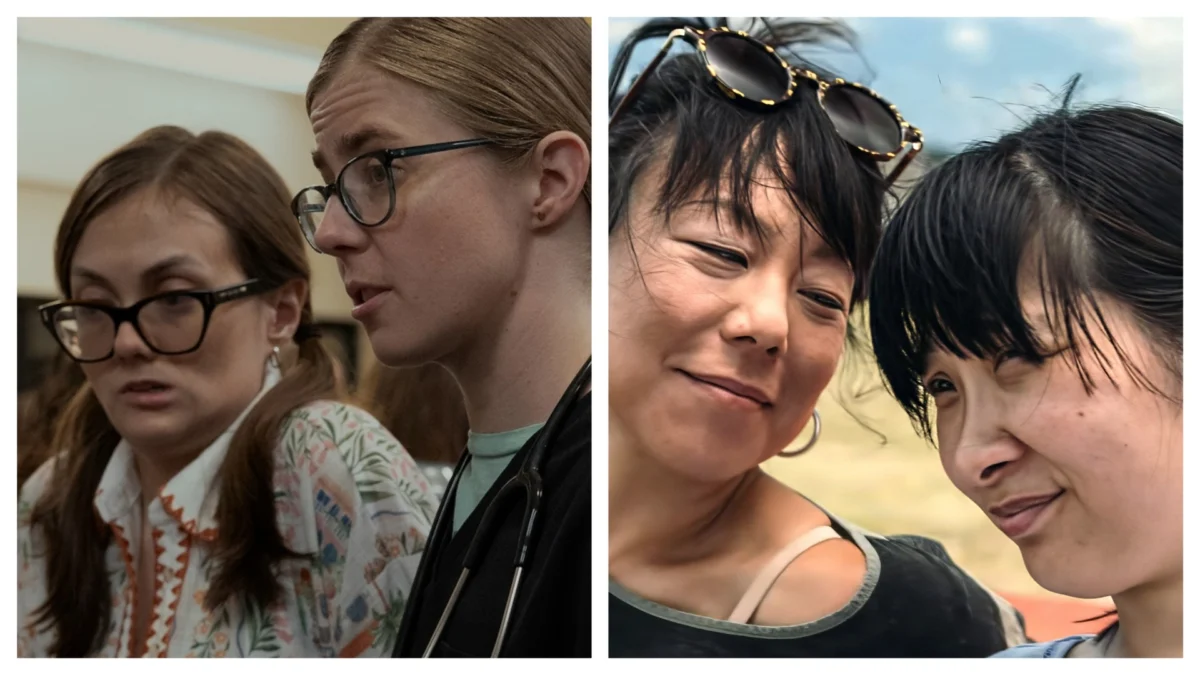
The landscape of entertainment has long been criticized for its historical failure to authentically represent the disability community. However, this past Saturday at the historic Barker Hangar in Santa Monica, a significant turning point was solidified. The inaugural Easterseals Disability Arts & Culture Awards—rebranded and reimagined as “The DARCYS”—marked a seismic shift in how the industry acknowledges, celebrates, and integrates authentic disability representation across film, television, and digital media.
Evolving from the long-standing Media Access Awards, which first began in 1979, The DARCYS represent more than just a name change. They signify a bold, new commitment to centering disabled voices as the architects of their own narratives, rather than mere subjects of them.
The Ceremony: A Night of Celebration and Advocacy
The atmosphere at the Barker Hangar was one of triumph and collective progress. Hosted by comedian and fierce disability advocate Tina Friml, the ceremony was a masterclass in accessibility and inclusion. The event featured a powerful performance by the award-winning artist and disability culture leader Lachi, whose presence underscored the evening’s commitment to artistic excellence within the community.
The night was anchored by the recognition of trailblazers who have spent years fighting for a seat at the table. Geri Jewell was honored with the inaugural DARCYS Legacy Award, a recognition of her pioneering contributions as one of the first actors with a disability to hold a recurring role on a primetime series. Additionally, the Christopher Reeve Emerging Talent Award was presented to Vincent Rutley, a rising star, disability influencer, and author. The honor includes a $5,000 grant from the Christopher Reeve Foundation, providing a tangible boost to an up-and-coming talent in the field.
Chronology of the Shift: From Media Access to The DARCYS
To understand the weight of The DARCYS, one must look at the trajectory of the Media Access Awards. For over four decades, those awards served as a vital, if somewhat niche, recognition of disability-inclusive practices. However, the industry’s approach to representation has undergone a radical transformation in the last five years, moving from simple “awareness” to a demand for authentic casting, nuanced storytelling, and intersectional perspectives.
By partnering with Film Independent, Easterseals Southern California has effectively elevated these awards into the mainstream awards circuit. This year’s event was the result of a rigorous, multi-stage selection process. Unlike traditional awards bodies that are often criticized for their lack of diversity, the committees for The DARCYS were specifically composed of filmmakers, critics, industry guild representatives, and nonprofit leaders—with the vast majority of committee members being individuals with disabilities themselves. This ensured that the winners were selected by those who best understand the nuance and necessity of the stories being told.

Spotlight on the Winners: Pushing Boundaries
The 2026 winners list reflects a diverse array of projects that reject tropes and embrace the complexity of the disabled experience.
The Screen Winners
- Best Feature: Horsegirls, directed by Lauren Meyering, took home the top honor. The film, which features compelling performances by Lillian Carrier and Matthew Schwab, was recognized for its unique narrative voice and refusal to rely on tired disability cliches.
- Best Scripted Series: HBO Max’s hit drama The Pitt proved to be the powerhouse of the night. Beyond winning Best Scripted Series, it also took home the award for Best Achievement in Casting Ensemble. With its commitment to featuring talent like Tal Anderson, Victoria Mack, and Christopher Thornton, The Pitt has set a new gold standard for how serialized television can integrate disabled characters into the core fabric of a high-stakes medical drama.
- Best Documentary: The Haunting of Pennhurst was awarded for its profound, haunting, and necessary look at history. The project, led by directors Mike Attie, Katarina Poljak, and Nathan R. Stenberg, serves as a poignant reminder of the importance of memory and advocacy in the disability rights movement.
Performance and Digital Excellence
The recognition extended to individual performers as well. Anna Sargent’s breakout role in Take Me Home earned her the award for Best Performance in a Feature, while Daniel Monks received the award for Best Performance in a Scripted Series for his gripping work in All Her Fault.
In the digital space, where new voices are often the most radical, creator Cassidy Huff (@CassHuff) was honored as the Best Social Creator, underscoring the vital role that independent creators play in shaping the modern discourse around disability culture.
Official Responses and Industry Implications
The leadership behind the awards emphasized that this is not a one-time event, but a strategic effort to change the economics of Hollywood.
“As we celebrate the inaugural year of The DARCYS, we are so proud to carry forward a legacy that began in 1979,” said Nancy Weintraub, Chief Advancement Officer at Easterseals Southern California. “The DARCYS recognize the authentic voices and talented storytellers who are changing how disability is seen and represented across entertainment and media. Congratulations to this year’s nominees and winners for helping move the industry forward towards greater inclusion, both on screen and behind the scenes.”
Shawn Davis, Co-Executive Producer of The DARCYS and the Film Independent Spirit Awards, echoed these sentiments. “The DARCYS mark an exciting new chapter in a legacy of recognizing artists advancing disability representation. We’re proud to partner with Easterseals Southern California to celebrate this year’s winners and nominees, as well as the stories helping broaden perspectives across film, television, and social media.”

The Wider Impact: Why This Matters
The existence of The DARCYS is a corrective measure for a media ecosystem that has historically ignored or misrepresented nearly 20% of the global population. When industry gatekeepers—casting directors, writers, and producers—are consistently shown that authentic disability representation is not only "politically correct" but also critically acclaimed and commercially viable, the entire ecosystem begins to shift.
The presence of heavy-hitters and industry veterans at the event, including Marlee Matlin, Scoot McNairy, Abby Elliott, and Karen Pittman, indicates that the wider Hollywood community is paying attention. It is no longer enough to "have" a disabled character on screen; the conversation has shifted toward who is telling the story, who is playing the character, and whether the production environment itself is accessible.
Looking Ahead: The Future of Disability Inclusion
As the inaugural DARCYS conclude, the industry is left with a roadmap for the future. The success of The Pitt and Horsegirls serves as proof-of-concept for studios and streamers looking to expand their portfolios with content that resonates with a modern, inclusive audience.
The implication for the next awards season is clear: disability inclusion is no longer an optional "category" or a peripheral concern—it is a central pillar of creative excellence. By honoring those who are already doing the work, The DARCYS have successfully moved the needle. The challenge now remains for the industry at large to heed this call, ensuring that the stories of the disabled experience continue to be told, not just on the stage at the Barker Hangar, but in every writer’s room, casting suite, and production office in Hollywood.
The legacy of the Media Access Awards was to open the door; the mission of The DARCYS is to ensure that the house is built for everyone. As the lights dimmed on Saturday night, one thing was certain: the narrative is finally being written by the right people.
