
The Evolution of a Franchise: How Liam Neeson’s Blockbuster ‘Taken’ Spawned an Underrated Television Prequel Now Streaming for Free
Main Facts
More than a decade and a half after Liam Neeson redefined his career and reinvigorated the modern action-thriller genre, the cultural footprint of Taken continues to expand. In 2008, French director Pierre Morel helmed a modest $25 million production that relied on relentless pacing, high-stakes emotional motivations, and a gravelly voiced protagonist who promised to hunt down anyone who crossed his family. That film, Taken, became an unexpected global phenomenon, grossing a staggering $226.8 million worldwide. The monumental success of the original movie immediately laid the groundwork for a lucrative cinematic franchise, yielding two direct theatrical sequels that continually outperformed their predecessors at the box office, a testament to the audience’s insatiable appetite for vigilante justice.
However, the intellectual property’s journey did not end on the silver screen. In 2017, NBC sought to capitalize on the enduring popularity of the brand by translating the cinematic universe into episodic television. The result was a modern-day prequel series titled Taken, which explored the formative years of Bryan Mills long before he uttered his iconic telephone monologue about a "very particular set of skills."
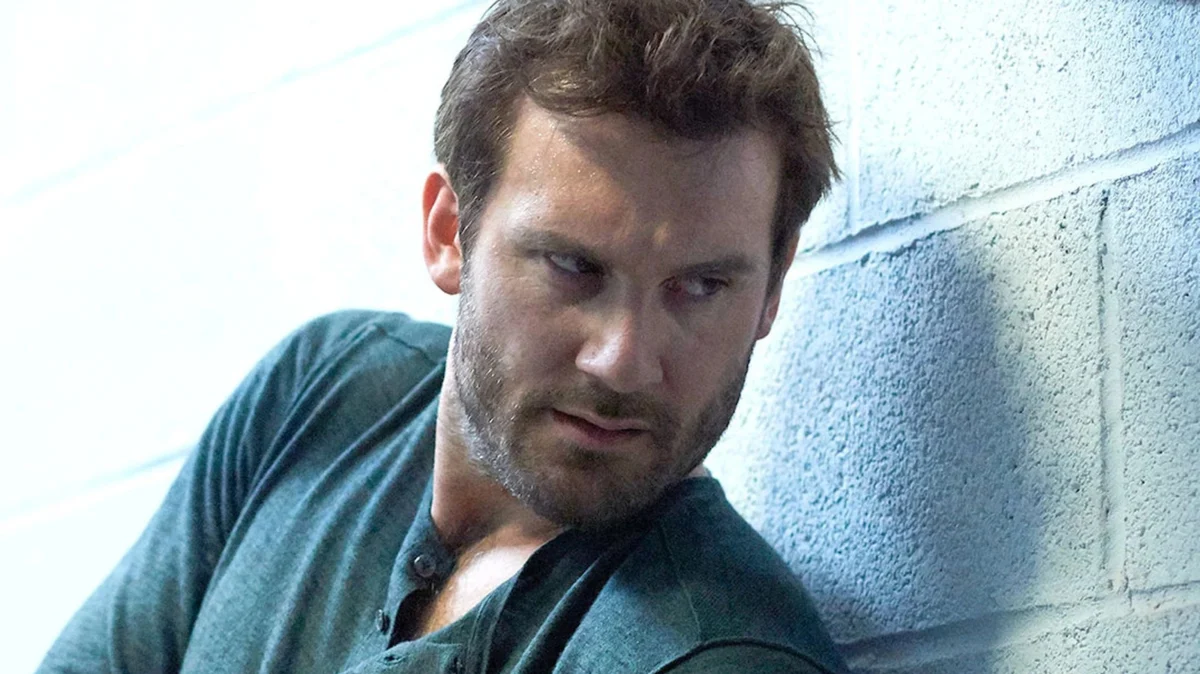
Stepping into the colossal shoes left by Liam Neeson was British actor Clive Standen, best known for his work on the historical drama series Vikings. Standen took on the mantle of a younger, less jaded, and far more vulnerable Bryan Mills. Rather than depicting an invincible, fully formed black-ops operative, the television adaptation charted Mills’ evolution from a vengeful former Green Beret seeking retribution for his sister’s murder into a highly trained operative recruited into a secretive, high-stakes CIA black-ops cell.
Despite a rocky initial reception and a premature cancellation by NBC after just two seasons, the television iteration of Taken has found a second lease on life. Pop culture enthusiasts, action genre completionists, and fans of the original cinematic trilogy can now stream both seasons of the NBC prequel entirely for free on platforms including The Roku Channel and The CW. This digital renaissance offers a fresh opportunity to evaluate a series that attempted to ground a larger-than-life cinematic icon in gritty, grounded television realism.
Chronology
To fully understand how Taken transitioned from a standalone 2008 action flick into an expansive multimedia franchise, it is essential to trace the chronology of its development, production, and subsequent streaming revival.
2008: The Birth of a Modern Action Icon
The phenomenon began in February 2008 with the release of Taken, written by Luc Besson and Robert Mark Kamen. The film starred Liam Neeson as Bryan Mills, a retired CIA operative forced to dust off his lethal skill set when his teenage daughter, Kim (played by Maggie Grace), is kidnapped by human traffickers while vacationing in Paris. Driven by paternal desperation, Mills cuts a bloody swath through the Parisian underworld. The film’s critical and commercial success permanently transformed Neeson from a respected dramatic actor into an A-list action hero, paving the way for a late-career renaissance defined by high-concept thriller vehicles.
2012–2014: The Cinematic Expansion
Capitalizing on the massive financial returns of the original film, 20th Century Fox greenlit two theatrical sequels. Taken 2 (2012), directed by Olivier Megaton, shifted the setting to Istanbul and focused on revenge sought by the relatives of the traffickers Mills killed in the first film. Despite mixed reviews from critics, audiences flocked to theaters, pushing the film to gross over $376 million worldwide. This was followed by Taken 3 (2015), marketed as the final chapter, which framed Mills for the murder of his ex-wife and forced him to evade both the FBI and international criminals.
2017: NBC Reimagines the Legend for Television
Seeking to leverage pre-existing IP for its primetime lineup, NBC ordered a series adaptation of Taken straight-to-series in September 2015. Developed by executive producer and showrunner Alexander Cary, known for his work on Homeland, the television project was conceptualized as a contemporary prequel rather than a direct television spin-off of the films.
In February 2017, the pilot episode premiered on NBC, introducing Clive Standen as a younger Bryan Mills operating in a modern geopolitical landscape. The narrative arc of Season 1 tracked Mills’ pursuit of a ruthless cartel boss responsible for a family tragedy, ultimately leading to his recruitment into a covert intelligence team led by the hardened operative Christina Hart (played by Jennifer Beals).
2018: Creative Overhauls and Cancellation
Facing soft ratings during its freshman run, NBC instituted a significant creative overhaul for Season 2, replacing several cast members and shifting the storytelling approach toward more standalone, procedural missions. Despite these adjustments, the ratings continued to slide as the network relegated the series to low-viewership weekend timeslots. In May 2018, Deadline confirmed that NBC had officially canceled Taken after two seasons and 26 total episodes.
Present Day: The Free Streaming Era
Years after its broadcast cancellation, Taken has returned to the cultural conversation. Through licensing agreements with digital platforms, both seasons of the NBC prequel have been made available to stream for free on The Roku Channel and The CW, granting a new generation of cord-cutters and action fans access to the missing chapter of Bryan Mills’ fictional biography.
Supporting Data
The commercial trajectory of the Taken franchise provides fascinating insights into the economics of modern Hollywood action properties. While the cinematic adventures generated immense box office revenue, the television adaptation operated under vastly different metric pressures dictated by linear broadcast television.
Box Office Performance of the Cinematic Trilogy
-
Taken (2008)
- Production Budget: ~$25 million
- Domestic Box Office: ~$145 million
- International Box Office: ~$81.8 million
- Total Worldwide Gross: $226.8 million
-
Taken 2 (2012)
- Production Budget: ~$45 million
- Domestic Box Office: ~$139.9 million
- International Box Office: ~$236.4 million
- Total Worldwide Gross: $376.3 million
-
Taken 3 (2015)
- Production Budget: ~$48 million
- Domestic Box Office: ~$89.3 million
- International Box Office: ~$237 million
- Total Worldwide Gross: $326.3 million
Television Metrics and Ratings for the NBC Series
When NBC greenlit Taken, the network hoped to capture the lucrative demographic that made the films international blockbusters. However, transitioning a high-velocity, cinematic concept to weekly television proved challenging.
- Season 1 (2017): Acknowledged as a serialized origin story, the first season averaged roughly 5 to 6 million total viewers per episode when factoring in Live+7 DVR playback, representing modest performance for a mid-season replacement.
- Season 2 (2018): Following creative retooling and a detrimental move to Friday and Saturday nights—traditionally known as "graveyard" slots for linear television—live viewership plummeted to an average of 2 to 3 million viewers per episode.
- Episode Count: The series concluded its run with exactly 26 episodes across its two-season lifespan, a standard threshold for secondary syndication consideration in the broadcast market.
Official Responses and Behind-the-Scenes Insights
Taking on a character immortalized by a legendary actor is a daunting task for any performer. For Clive Standen, stepping into the role of Bryan Mills involved initial skepticism, creative dialogue with the production team, and a concerted effort to differentiate his performance from Liam Neeson’s definitive portrayal.
Initial Hesitation and Discovering the Script
When Standen’s agency first approached him with the script for the NBC pilot, his initial reaction was defined by predictable genre fatigue. Speaking candidly during an interview with Collider, Standen recalled his skepticism:
"I did worry. When I first got sent the script by my agent, I didn’t read it. I just assumed that it was going to be full of car chases and explosions and no substance… And then, my agent rang and said, ‘Did you read Taken?’ And I said, ‘Yeah, it was full of car chases and explosions.’ And he said, ‘You obviously didn’t read it ’cause it’s not that.’"
Once Standen sat down and read the material, his perspective shifted entirely. He credited showrunner Alexander Cary for crafting a narrative that prioritized character depth, geopolitical tension, and emotional vulnerability over mindless pyrotechnics.
Grounding the Character in Reality
Unlike the Liam Neeson films, where Bryan Mills operates as an unstoppable force of nature capable of decimating entire criminal syndicates single-handedly, the television prequel aimed for a grittier, more vulnerable interpretation of the character. Standen appreciated this creative choice, noting that a grounded protagonist creates higher dramatic stakes.
"Bryan is just a guy. I don’t want him leaping around like a gazelle. That’s not believable," Standen explained to Collider, emphasizing the relentless physical toll the role demanded. "I like the fact that Bryan gets beaten up and knocked around, and hasn’t quite got the answer, but he learns."
Reimagining Mills as a "Nerd"
In a separate conversation with The Wrap, Standen elaborated on the psychological makeup of this younger iteration of Mills, contrasting him with classic cinematic spies like James Bond. Rather than relying on suave charm and effortless one-liners, Standen viewed his character through a surprisingly intellectual lens:
"What I love about Bryan’s character is he’s not as suave and sophisticated as someone like James Bond. He hasn’t got the cool thing to say to the girl or the villain. Bryan’s just a bit of a nerd, and that’s what I think is so great about him."
By portraying Mills as tactical, analytical, and socially earnest rather than an untouchable silver-screen playboy, the series attempted to offer viewers a psychological explanation for how an ordinary intelligence operative eventually hardened into the relentless father seen in the 2008 film.
Implications
The trajectory of the Taken television series—from its ambitious 2017 premiere on a major broadcast network to its cancellation, and subsequent resurrection on free ad-supported streaming television (FAST) platforms—highlights broader structural shifts within the entertainment industry.
The Changing Economics of Network Television vs. Streaming
The cancellation of Taken in 2018 was a textbook casualty of shifting television metrics. Operating under traditional Nielsen ratings systems, NBC required high live-viewership numbers to justify production and advertising expenditures. When live viewing figures dipped to 2 million per episode on weekend nights, linear economics dictated swift cancellation.
However, in the modern media landscape, cancellation on broadcast television no longer signals the permanent retirement of intellectual property. Platforms like The Roku Channel and The CW rely on catalog content to capture fragmented audiences who consume media on-demand and free of subscription paywalls. By housing Taken on these platforms, media distributors extract residual value from a library title that traditional networks previously wrote off as underperforming.
Expanding Cinematic Universes on the Small Screen
The Taken prequel represents an early wave of Hollywood’s ongoing obsession with mining cinematic blockbusters for television adaptations. While some properties successfully translate to episodic formats (such as FX’s Fargo or HBO’s Peacemaker), others struggle to bridge the gap between two-hour cinematic spectacle and 22-minute or 44-minute weekly storytelling.
For Taken, the challenge lay in audience expectations. Fans tuning in for a weekly dose of Liam Neeson-style hyper-violence met a slower-paced, serialized espionage drama that favored team dynamics and political intrigue over non-stop vigilantism. Yet, stripped of the pressure of live broadcast ratings, modern viewers streaming the series for free online can evaluate the prequel on its own merits as a standalone spy thriller.
Ultimately, whether viewed as an ambitious misfire by network television standards or an underrated action-thriller hidden gem, the television incarnation of Taken remains an intriguing footnote in the legacy of one of modern cinema’s most recognizable action franchises. With both seasons now easily accessible at no cost, fans have a fresh opportunity to witness the tactical evolution of Bryan Mills.
