
The Neon Dystopia Returns: Inside Prime Video’s Ambitious ‘Blade Runner 2099’
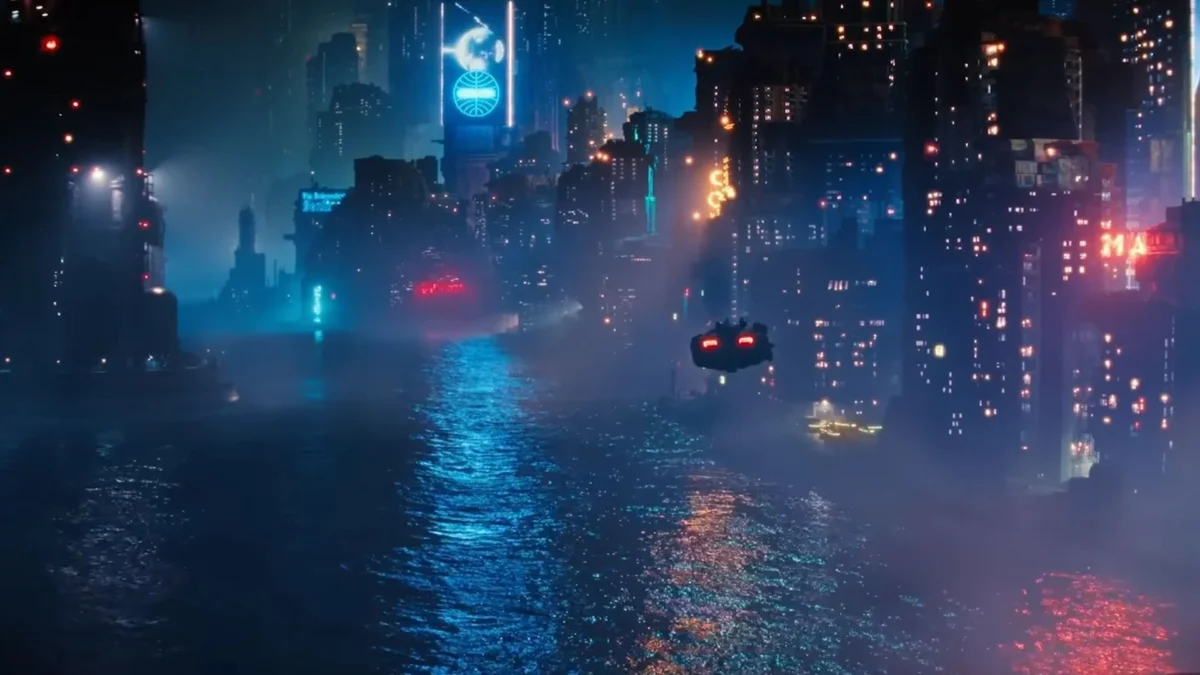
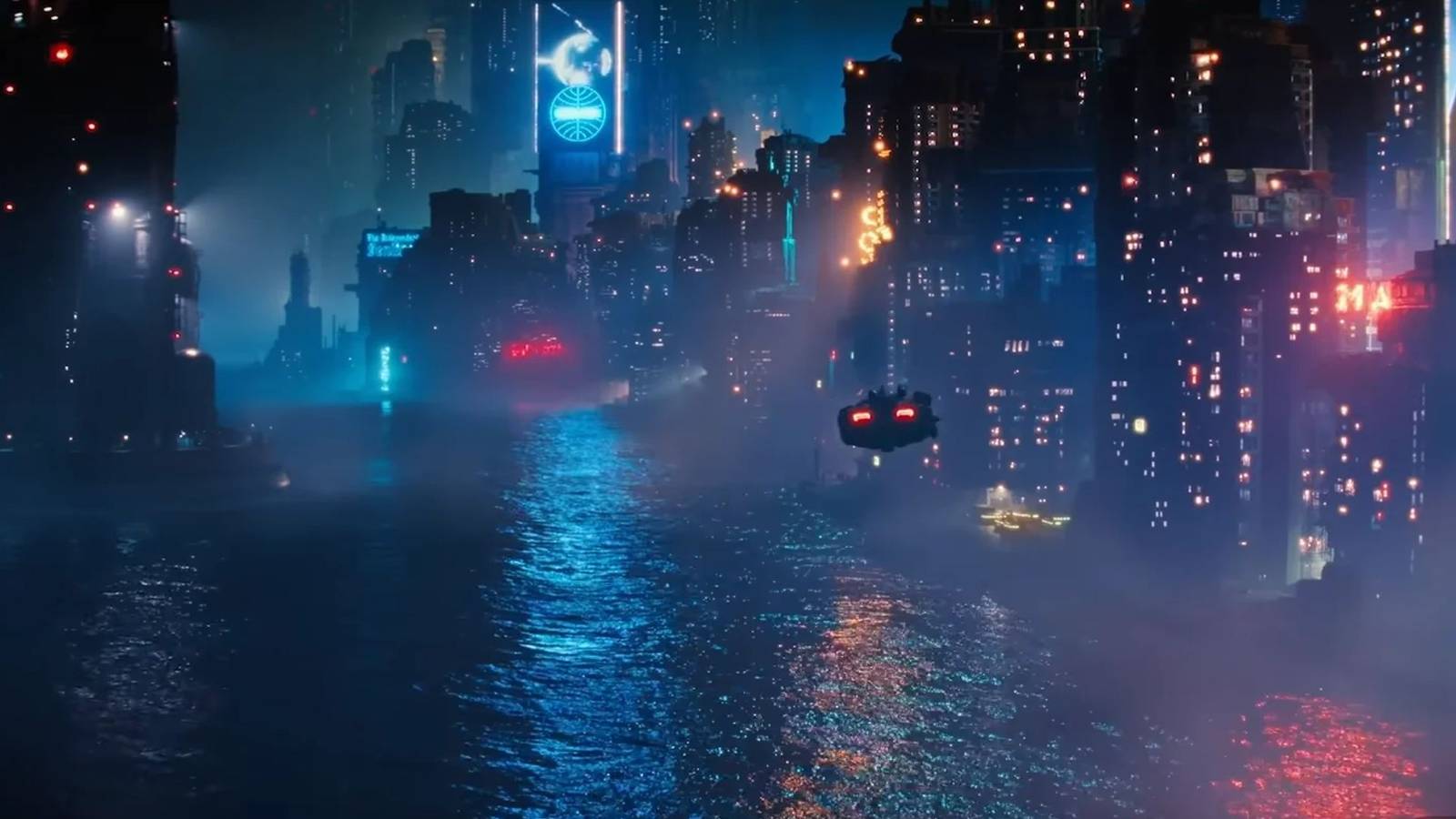
The landscape of modern science fiction is currently undergoing a radical transformation, fueled by a resurgence in the grit, existential dread, and high-tech cynicism that defined the cyberpunk genre of the late 20th century. As audiences grow increasingly weary of optimistic space operas, the industry is pivoting toward the neon-drenched, rain-slicked aesthetics of a future that feels more like a warning than a dream. Leading this charge is Prime Video’s highly anticipated series, Blade Runner 2099, a project that serves as a cornerstone for a massive cultural shift toward dystopian storytelling.
With the recent arrival of new episodes for Cyberpunk: Edgerunners on Netflix and the looming adaptation of William Gibson’s foundational masterpiece Neuromancer on Apple TV+, the cultural zeitgeist is undeniably shifting. Yet, perhaps no project carries as much weight—or as much potential for legacy-shaping impact—as Blade Runner 2099. Scheduled to debut its eight-episode inaugural season on November 25, 2026, the series aims to bridge the gap between Ridley Scott’s 1982 cinematic revolution and the hyper-digitized anxieties of the current decade.
The Evolution of the Replicant Era: A Chronology of Conflict
To understand the stakes of Blade Runner 2099, one must first acknowledge the timeline that precedes it. The Blade Runner franchise has always been defined by its slow-burn exploration of what it means to be human in a world where humanity is increasingly manufactured.
The original film, directed by Ridley Scott, introduced us to Rick Deckard (Harrison Ford), a cynical law enforcement officer tasked with "retiring" rogue Nexus-6 replicants. The 2017 sequel, Blade Runner 2049, directed by Denis Villeneuve, expanded this world, revealing the ecological and social collapse that had occurred in the decades following the original story. It introduced K (Ryan Gosling), a replicant who discovers that the barrier between "born" and "made" is far thinner than the state-sanctioned propaganda would have the public believe.
Blade Runner 2099 pushes the clock forward once again. Set in a world where the power dynamics of the previous films have been completely inverted, the show depicts a society where replicants have ascended to a position of dominance, relegating biological humans to the status of second-class citizens. This thematic reversal is the crux of the series. We follow Olwen (Michelle Yeoh), a seasoned blade runner who is herself a replicant facing the inevitable end of her programmed lifespan. Her arc is mirrored by that of Cora (Hunter Schafer), a human who navigates the dangerous, stratified society of 2099 by masquerading as a replicant. This cat-and-mouse dynamic, set against the backdrop of an crumbling Los Angeles, promises to explore the class divide with the same philosophical depth that made the original films cornerstones of science fiction cinema.
Visual Storytelling: Decoding the Marketing Strategy
The marketing campaign for Blade Runner 2099 has been meticulously curated to evoke a sense of continuity. Amazon MGM Studios recently unveiled the official series poster, a visual manifesto that speaks directly to the franchise’s history.
The poster features Michelle Yeoh in a pose strikingly similar to Harrison Ford’s iconic stance in the 1982 theatrical release: a weapon held aloft, gaze fixed on an unseen horizon, surrounded by the towering, holographic silhouettes of a decaying metropolis. By mirroring the composition of the original 1982 poster, the producers are signaling a return to the "neo-noir" roots of the series, moving away from the expansive, desolate vistas of 2049 and back into the claustrophobic, rain-soaked alleys of the urban sprawl.
Furthermore, the color palette of the new imagery is a deliberate homage to the previous installments. The poster utilizes a bifurcated lighting scheme—a vivid clash of orange and blue—that directly references the iconic marketing for Blade Runner 2049. This visual shorthand serves a dual purpose: it grounds the new series in the established aesthetic canon while promising a narrative depth that honors the work of both Scott and Villeneuve.
Production Pedigree and Creative Vision
The creative team behind Blade Runner 2099 is a testament to the high expectations surrounding the project. Showrunner Silka Luisa, known for her ability to weave complex character studies into high-concept narratives, leads a writing room that includes talents such as Ryan Willison, Claire Kiechel, Kirsa Rein, and Tom Spezialy.
Directorial duties are handled by Jonathan van Tulleken, who has been tasked with maintaining the "Blade Runner" signature style—a visual language defined by slow camera movements, deep focus, and an oppressive, tactile atmosphere. The inclusion of executive producers with ties to the original film’s legacy ensures that the show adheres to the thematic tenets of Philip K. Dick’s Do Androids Dream of Electric Sheep?, while expanding the mythology in directions that feel both contemporary and essential.
The Broader Landscape: Why Cyberpunk Matters Now
The industry’s collective obsession with cyberpunk is not a coincidence. As advancements in artificial intelligence, genetic engineering, and corporate surveillance accelerate, the "fiction" aspect of these stories is thinning. When we see projects like the Cyberpunk 2077 live-action adaptation in development at Paramount or the Neuromancer project at Apple, we are witnessing a medium attempting to grapple with the fears of the present through the lens of a "future" that is arriving much faster than anticipated.
These stories provide a framework for discussing the ethics of technology. Blade Runner 2099 is uniquely positioned to lead this conversation. By focusing on the struggle for survival in a world where the "made" have superseded the "born," the series asks a poignant question: If we are all just a collection of data, memories, and biological or mechanical code, does our origin still define our value?

Implications for the Streaming Industry
For Prime Video, Blade Runner 2099 represents a "prestige" play. In an era where streaming platforms are under increasing pressure to produce content that justifies subscription costs, the Blade Runner brand carries a weight of cultural authority that few other intellectual properties can claim.
If the series succeeds, it will likely trigger a new wave of "prestige sci-fi" investment. Conversely, the high budget and ambitious scope of the production mean that failure could result in a cooling of interest in the genre. However, the early buzz, coupled with the casting of heavyweights like Michelle Yeoh, suggests that Amazon is treating this as their flagship franchise, positioning it to compete directly with high-fantasy epics like The Rings of Power and House of the Dragon.
Anticipation and Future Outlook
As November 25, 2026, approaches, the audience’s anticipation is palpable. Fans are eager to see if the show can balance the action-oriented requirements of modern television with the meditative, philosophical pacing that characterized the earlier films. The inclusion of an eight-episode structure suggests a tight, novelistic approach to the story, likely designed for binge-viewing or weekly "event" discussions.
In the long term, Blade Runner 2099 will likely be judged by its ability to answer the same question the 1982 film posed: Can a machine, or an engineered being, possess a soul? If the show can successfully weave that query into the fabric of its futuristic noir investigation, it will not only satisfy the dedicated fanbase but will also cement itself as a defining piece of 21st-century television.
For now, the neon lights of the future are glowing brighter than ever. As we wait for the premiere, the marketing materials, the pedigree of the cast, and the thematic ambition of the premise suggest that we are on the precipice of something truly transformative. Whether this version of the future is as bleak as it is beautiful remains to be seen, but one thing is certain: the replicants are no longer in the shadows—they are the protagonists, and they are ready to redefine the world in their image.
