
The Grotesque Odyssey: How ‘Don’t Puke’ Redefines Cinematic Drunkenness
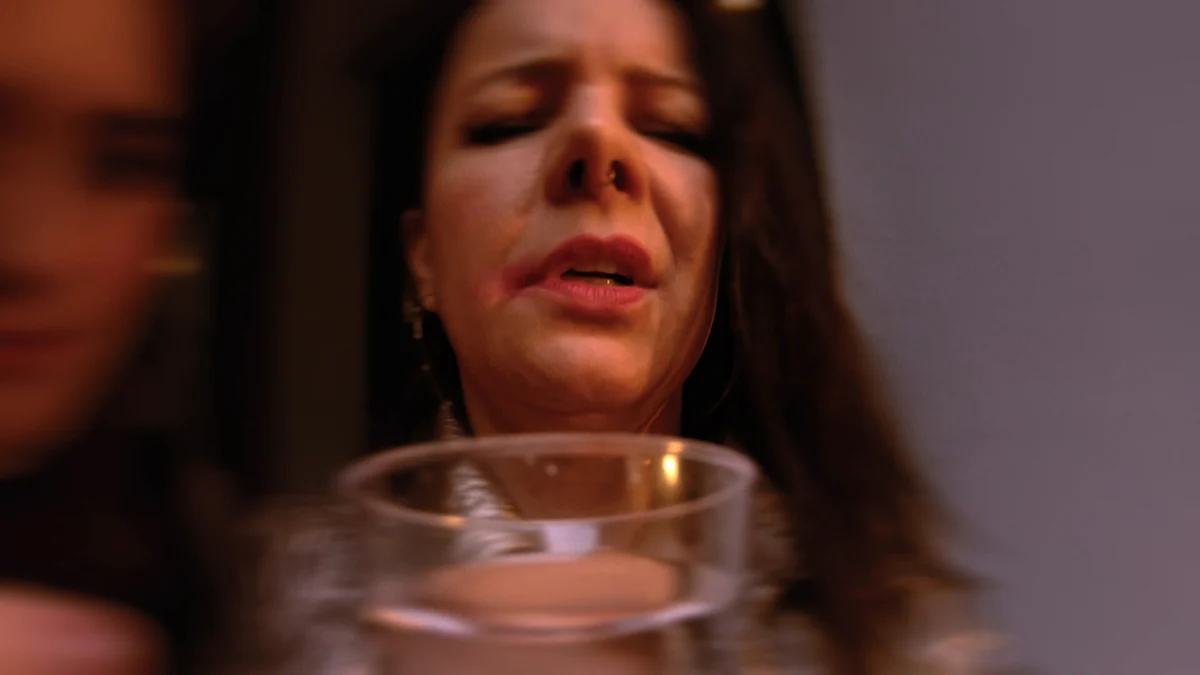
We have all been there, or at least we have all witnessed it: the smudged eyeliner, the unsteady gait, the desperate, singular mission to secure late-night sustenance while the world spins on its axis. It is a universal rite of passage, a chaotic human experience that often serves as a cautionary tale against the excesses of youth. Yet, despite its ubiquity, writer/director Daniel Chisholm felt that the medium of film had consistently failed to capture the raw, visceral, and often stomach-churning reality of being truly, messily intoxicated.
His solution is Don’t Puke, a hyperrealistic short film that eschews the sanitized tropes of Hollywood intoxication in favor of an immersive, sensory-heavy chronicle of a night out gone slightly off the rails. The film is not merely a story; it is a physical experience—one so potent that festival organizers famously handed out vomit bags to viewers during its theatrical run.
The Genesis of an Inebriated Odyssey
The inspiration for Don’t Puke did not arrive through extensive academic research or abstract artistic theory; it was born from the messy, lived-in reality of Chisholm’s own university years. For the filmmaker, the standard cinematic depiction of drunkenness—often characterized by slurred speech and exaggerated physical comedy—felt hollow and unearned.
"Having such intimate knowledge of what it feels like to be smashed, I often felt a bit let down by the depictions of inebriation on screen," Chisholm explains. "Most films show you what a drunk person looks like from the outside, but they rarely capture the internal, dizzying reality of that headspace."
Chisholm sought to bridge the gap between the viewer and the protagonist. He wanted to move beyond the "beer goggles" simulations often used in driver’s education—which can feel like a gimmicky abstraction—and instead craft a narrative that forces the audience to physically struggle alongside the lead character. The goal was to build a film around the agonizing, staggering journey home, maintaining a delicate balance between the utter grotesqueness of the situation and the inherent, dark humor of human failure.
Crafting the Sensory Experience: A Technical Breakdown
To achieve this level of immersion, Chisholm assembled a creative team capable of manipulating the senses. The technical heavy lifting was handled by a quartet of collaborators who prioritized the physiological response of the audience.
The Visual Language of Vertigo
Director of Photography Dillon Ritchie was tasked with translating a state of mind into a visual format. Through creative camera work, Ritchie manages to make the audience lose their footing. The cinematography is not just observing the protagonist; it is mimicking her instability. By manipulating frame rates, depth of field, and erratic camera movements, the team recreates the sensation of vestibular disturbance—that specific, sickening feeling where the horizon line refuses to stay level.
The Auditory Landscape
Sound designer Alexei Galar and composer Paul Child play a critical role in grounding the film’s "drunken" atmosphere. The sound design is claustrophobic, pulling the audience into the protagonist’s headspace where external stimuli become muffled, distorted, or overwhelming. Child’s score, meanwhile, acts as the film’s narrative compass, shifting from tension to absurd comedy, effectively acting as a cheeky, self-deprecating narrator that reminds the audience they are watching a spectacle of human weakness.
The Performance: Janka Horakova’s Tightrope Walk
The success of Don’t Puke rests on the shoulders of actress Janka Horakova, who delivers a masterclass in physical acting. Playing "drunk" is a notorious trap for performers; it is incredibly easy to overact, turning a human moment into a caricature. Horakova, however, manages to navigate this with surgical precision.
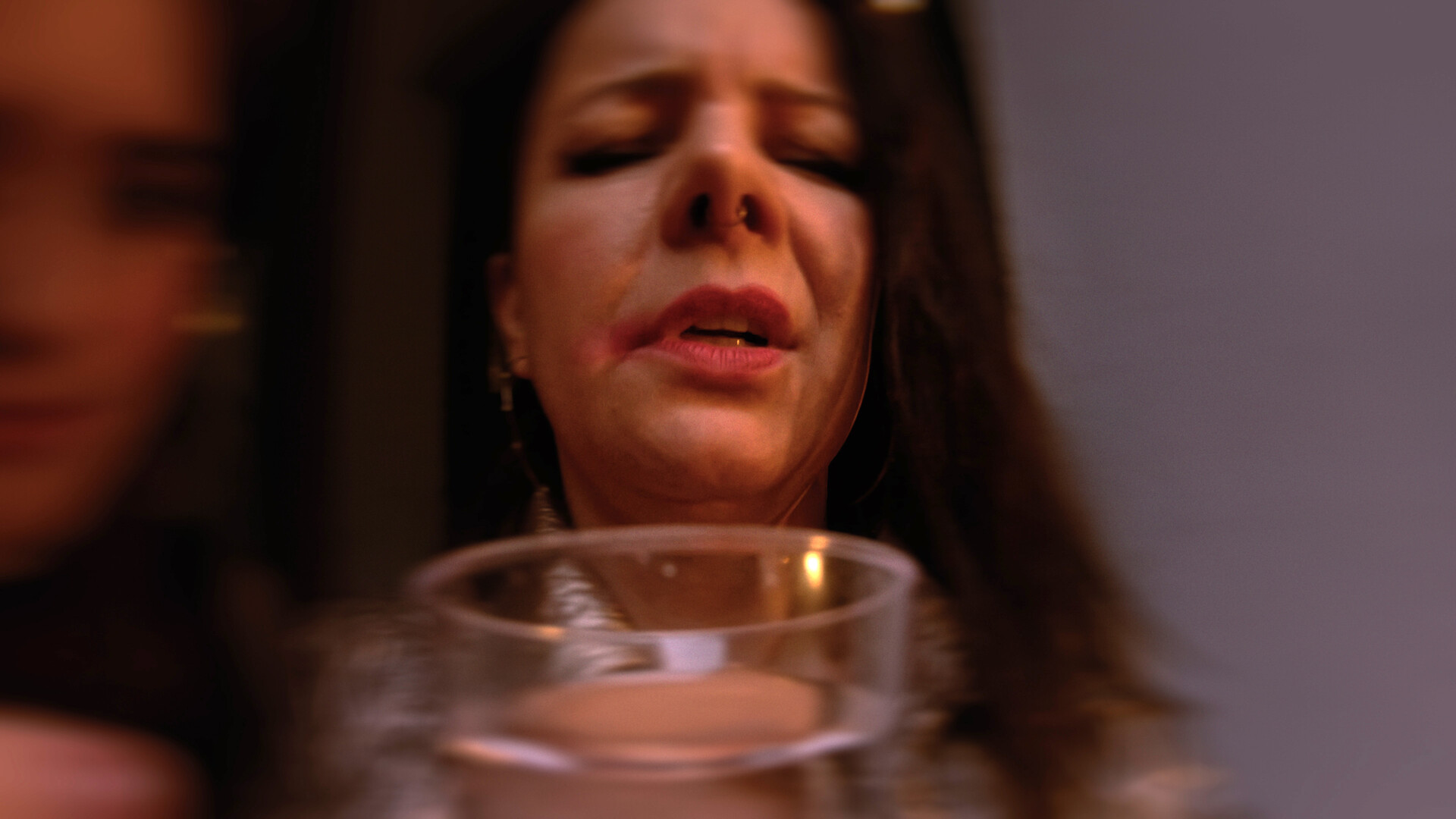
Her performance is defined by its nuance. It is not just about stumbling; it is about the internal calculation required to perform basic tasks—finding the door, navigating a curb, or deciding if a street vendor’s hot dog is an existential necessity or a fatal mistake. Her facial expressions convey the full spectrum of the inebriated experience: the fleeting moments of drunken confidence, the sudden, sharp flashes of nausea, and the profound, soul-deep exhaustion that accompanies the final arrival home.
As the film tracks her journey, the audience finds themselves rooting for her. We aren’t just watching a character move from point A to point B; we are participating in her quest for the holy trinity of the night-owl: food, water, and eventually, the sanctuary of a couch or a bathroom.
Chronology of a Night Out: Narrative Arc
While Don’t Puke is deeply concerned with the sensory experience, it is anchored by a traditional, if truncated, narrative arc.
- The Departure: The protagonist leaves the environment of the party, entering the disorienting, alien landscape of the city at night.
- The Quest: A sequence of physical challenges ensues. The film uses these moments to inject humor, as the protagonist encounters the small, insurmountable obstacles that become mountainous when one is inebriated.
- The Climax: The physical toll of the night reaches its zenith. The audience is pushed to the edge of discomfort, mirroring the protagonist’s battle against her own biology.
- The Resolution: The relief of home—or the illusion of it. The final moments of the film bring the protagonist to her destination, leaving the audience to wonder whether the "victory" of making it home is worth the physical price paid along the way.
Implications: A Mirror to Our Own Excesses
Don’t Puke serves a dual purpose. For some, it is a visceral, nostalgic trip down memory lane, a reminder of a time when the body was more resilient and the nights were longer. For others, the film acts as a powerful deterrent. By stripping away the glamour of nightlife and exposing the raw, messy reality of intoxication, Chisholm effectively turns the audience’s stomach, making the prospect of binge drinking seem far less appealing than the romanticized versions seen in mainstream media.
The inclusion of vomit bags at festivals like Aesthetica and the Palm Springs ShortFest was not just a clever marketing stunt; it was an admission of the film’s effectiveness. By successfully inducing physical discomfort, the film forces viewers to confront the reality of how we treat our bodies. It is a bold, uncompromising work that refuses to let the viewer look away, even when they might desperately want to.
Future Endeavors for Daniel Chisholm
Having established his reputation for uncompromising, visceral storytelling, Chisholm is not resting on his laurels. He is currently in the development phase of a near-future science fiction feature. While the genre shift is significant, those familiar with his work on Don’t Puke expect him to bring the same level of granular, sensory-focused world-building to his next project.
Furthermore, he is working on a new short film that delves into more personal territory: his family’s experience living in Africa and the complex, lingering shadows of post-colonial guilt. It is a stark departure from the frenetic, drunken streets of Don’t Puke, suggesting that Chisholm is a filmmaker with a broad range of interests, yet a consistent commitment to exploring the uncomfortable corners of the human condition.
Conclusion
Don’t Puke is a triumph of modern short-form filmmaking. It manages to be technically innovative, narratively engaging, and physically challenging all at once. By refusing to soften the edges of its subject matter, it achieves a level of honesty that is rare in cinema. Daniel Chisholm has not only created a film about being drunk; he has created a film that makes the viewer feel the weight, the dizziness, and the inevitable, messy consequences of a life lived at full tilt. Whether it makes you laugh or makes you reach for a bag, Don’t Puke is an unforgettable piece of visceral storytelling that lingers long after the credits roll.
