
Beyond the Enterprise: Remembering the Versatile Television Career of Walter Koenig
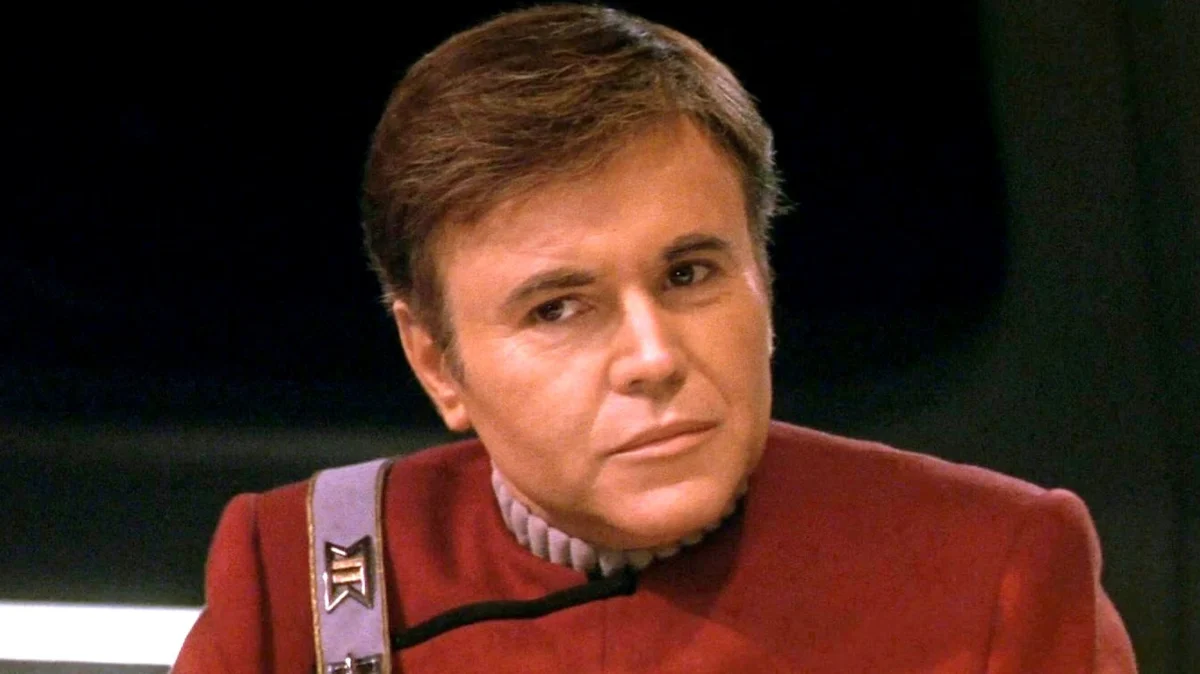
LOS ANGELES — In the collective consciousness of global science-fiction fandom, Walter Koenig will forever be remembered wearing the gold-and-black tunic of the United Starfleet. As Ensign and later Commander Pavel Chekov on Star Trek: The Original Series, Koenig brought an infectious enthusiasm, a distinctive accent, and a youthful vibrance to the bridge of the USS Enterprise.
Following his passing at the age of 90, tributes have flooded in from across the entertainment industry, celebrating a life dedicated to storytelling. Yet, while the iconic role of Chekov—joined later by a memorable run across several Star Trek feature films—defined his pop-culture legacy, reducing Koenig’s career to a single franchise ignores a remarkably diverse half-century in television.
From daytime soap operas and gritty 1960s dramas to critically acclaimed space operas and biting satirical voice work, Koenig proved himself a chameleon of the small screen.
The Main Facts: A Life Beyond the Frontier
Walter Koenig’s career spanned over six decades, beginning in the early 1960s before the call of Gene Roddenberry’s starship ever reached him. Born in Chicago and of Russian descent, Koenig carved out a niche in television through sheer adaptability. He moved fluidly between live-action guest spots, recurring antagonist roles, and prolific voice-acting engagements that stretched deep into the 21st century.
While Star Trek granted him immortality, his non-Trek portfolio reveals an actor who relished subverting audience expectations. Whether he was voicing Lovecraftian cultists, playing cold, calculating alien opportunists, or ruthlessly manipulating the psychic landscape of the 24th century in Babylon 5, Koenig continually pushed the boundaries of his craft.
Chronology of a Working Actor
Early Days and the Pivot to Sci-Fi
Koenig’s television trajectory began well before he joined the Enterprise crew in Star Trek’s second season. Brought in by producers explicitly to capture a younger demographic and inject fresh energy into the series, Koenig quickly made the role of the cocksure navigator his own.
However, his foundational years in television paved the way. He broke into the medium with a small role on the revolutionary soap opera General Hospital, quickly followed by appearances on prestige anthology and drama programs of the era, including The Alfred Hitchcock Hour and Jericho. These formative experiences honed his timing, allowing him to transition seamlessly into the burgeoning genre television market of the 1970s.
The 1970s and 1980s: Cult Classics and Animation
By the 1970s, Koenig was an established genre presence. In 1973, he appeared in two episodes of the ambitious, one-season science fiction series The Starlost. Created by the famously uncompromising writer Harlan Ellison, the series featured a 200-mile-long colony ship adrift in space. Koenig portrayed Oro, a cold, calculating humanoid alien from the planet Exar whose ship had crashed into the Ark. Playing against his traditionally warm screen persona, Koenig infused Oro with a chilling opportunism.
As the decades shifted, Koenig embraced the world of animation. In 1986, he lent his talents to The Real Ghostbusters, voicing Vladimir Pavel Maximov in the episode "Russian About." Portraying a disgraced scientist who unleashes an ancient, Lovecraftian horror via a grimoire called the Nameless Book, Koenig leaned into a heightened, comedic villainy that showcased his voice acting versatility.
The 1990s and Beyond: Redefining Television Villains
If Star Trek showed Koenig as the eager, patriotic officer, the 1990s allowed him to explore the darkest corners of human (and psychic) nature. His casting as Alfred Bester in J. Michael Straczynski’s acclaimed series Babylon 5 remains a masterclass in villainy.
Later in life, Koenig continued to surprise audiences by bridging generational divides. In 2017, he joined Netflix’s animated adaptation Stretch Armstrong and the Flex Fighters as Mr. Savic, a biology teacher and mad scientist who ultimately transforms into a monstrous entity. Simultaneously, he embraced self-parody, most notably in the iconic Futurama episode "Where No Fan Has Gone Before," cementing his status as a self-aware icon of nerd culture.
Supporting Data: Koenig’s Top 5 Non-Trek Television Roles
To truly appreciate the breadth of Koenig’s television career, a ranking of his finest non-Enterprise achievements highlights his range, comedic timing, and dramatic depth:

5. Vladimir Pavel Maximov in The Real Ghostbusters (1986)
Appearing in the fan-favorite episode "Russian About," Koenig played a scientist whose absurd theories—such as claiming the Titanic sank after hitting Elvis—led him to discover the Nameless Book. Summoning the cosmic entity Yibb-Tstll, Koenig played the role with a theatricality that delighted younger viewers while nodding to classic horror tropes.
4. Oro in The Starlost (1973)
In this obscure 1970s sci-fi curio created by Harlan Ellison, Koenig played the duplicitous alien Oro across two episodes. Operating as a saboteur trying to rebuild his vessel using components from the Earthship Ark, Koenig brought a sharp, menacing intelligence to the short-lived series.
3. Mr. Savic in Stretch Armstrong and the Flex Fighters (2017–2018)
Joining a fraternity of Star Trek alumni who lent their talents to this Netflix superhero series, Koenig voiced the lonely, brilliant mad scientist Mr. Savic. The role required him to balance goofy cartoon science with genuine pathos, capturing a tragic figure who simply wanted to build a family.
2. Himself in Futurama (2002)
In the celebrated Futurama episode "Where No Fan Has Gone Before," Koenig joined his living-head-in-a-jar Star Trek castmates. Displaying a rare and wonderful sense of humor about his own career, Koenig delivered self-deprecating punchlines regarding his post-Trek acting gigs and lack of hand-to-hand combat experience, proving he never took himself too seriously.
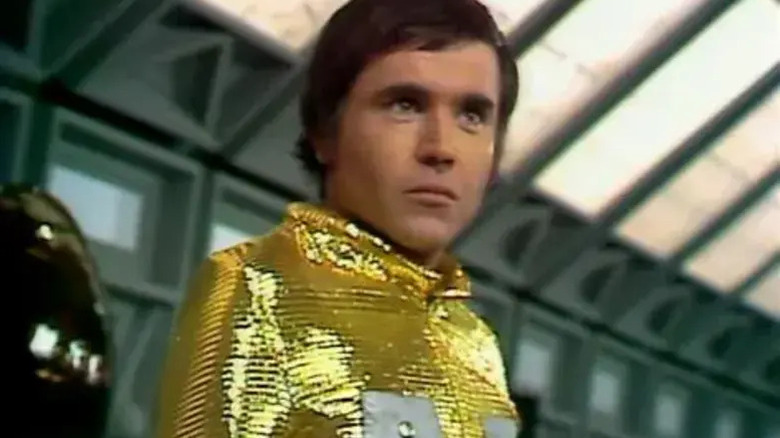
1. Alfred Bester in Babylon 5 (1994–1998)
Without question, Alfred Bester stands as Koenig’s crowning non-Trek achievement. As a high-ranking, fascistic Psi Cop in 12 episodes of Babylon 5, Koenig shed all traces of Chekov’s charm. Bester was insidious, arrogant, and deeply charismatic. Koenig commanded the screen, turning casual threats into sophisticated psychological warfare and cementing Bester as one of the greatest antagonists in 1990s television history.
Official Responses and Industry Tributes
Following the announcement of his passing, figures from across the entertainment industry and science fiction community shared heartfelt condolences and reflections on his enduring legacy.
"Walter Koenig was a pioneer of modern sci-fi culture, but more importantly, he was a gentle soul, a fierce advocate for peace, and a deeply talented actor who never stopped challenging himself." — Colleague and Industry Tribute
Co-stars and fans alike emphasized that Koenig’s influence extended far beyond soundstages and conventions. He was an author, director, and educator, sharing his wisdom with generations of aspiring artists. His willingness to lean into the joke—such as his memorable self-spoofing on Futurama—demonstrated an artist secure in his cultural footprint.

Implications for Television and Sci-Fi Fandom
The loss of Walter Koenig marks the steady passing of a golden era of television science fiction—an era when shows like Star Trek, The Starlost, and Babylon 5 laid the structural and thematic groundwork for the serialized prestige television we enjoy today.
Koenig’s career offers a vital lesson in longevity for character actors. While typecasting is an occupational hazard in long-running franchises, Koenig actively dismantled his typecasting by choosing roles that ran the gamut from cartoonish voice work to chilling psychological drama.
As fans revisit his extensive filmography, the legacy of Walter Koenig will endure not merely as a relic of 23rd-century space exploration, but as a masterclass in professional versatility, quiet resilience, and profound artistic range.
