The Infinite Canvas: Analyzing the Evolution and Impact of the Animated Anthology
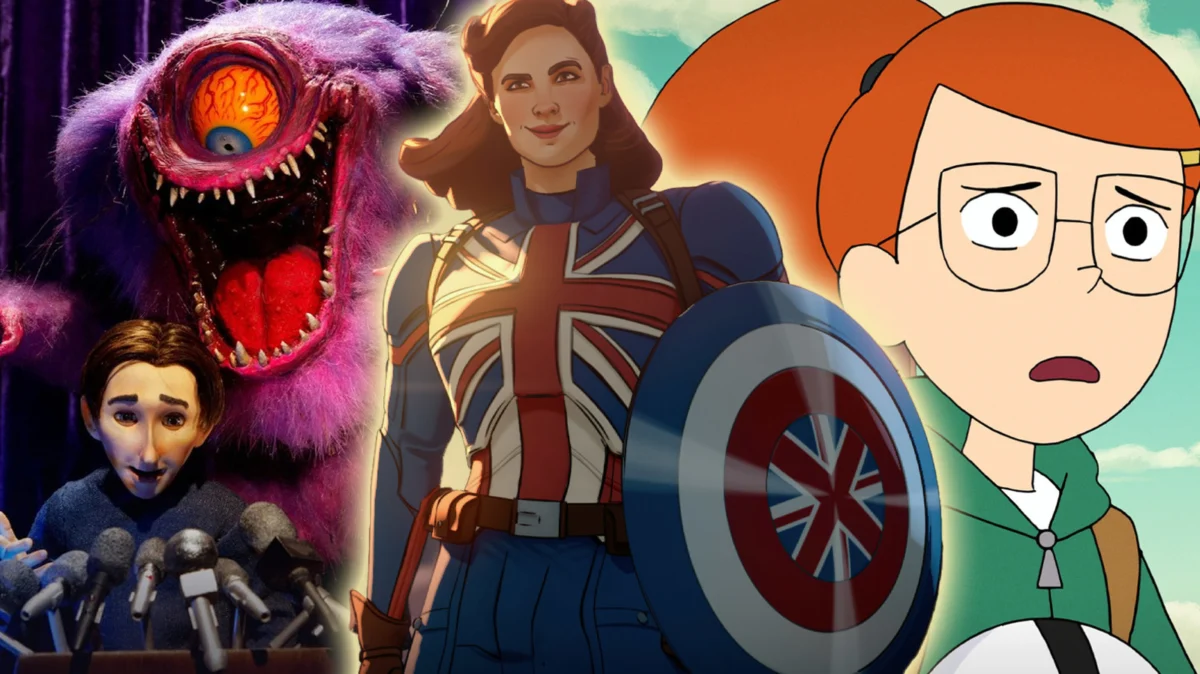
In the traditional landscape of television, the "status quo" was once the industry’s most sacred law. From the domestic stability of 1950s sitcoms to the procedural reliability of crime dramas, viewers expected characters to return to a baseline state by the end of every half-hour block. However, the rise of the anthology series—pioneered by live-action titans like The Twilight Zone and later refined by Black Mirror—shattered this paradigm. By offering self-contained narratives that reset with every episode or season, the anthology format granted writers the ultimate creative license: the ability to destroy their worlds and characters without consequence.
While live-action anthologies have garnered significant critical acclaim, the medium of animation has quietly perfected the format. Unbound by the physical limitations of sets, aging actors, or the laws of gravity, animated anthologies represent the "final frontier" of narrative experimentation. From corporate-backed franchise expansions to surrealist indie nightmares, the following analysis explores the ten most influential animated anthologies of all time, tracing their chronological development, critical reception, and the broader implications for the industry.
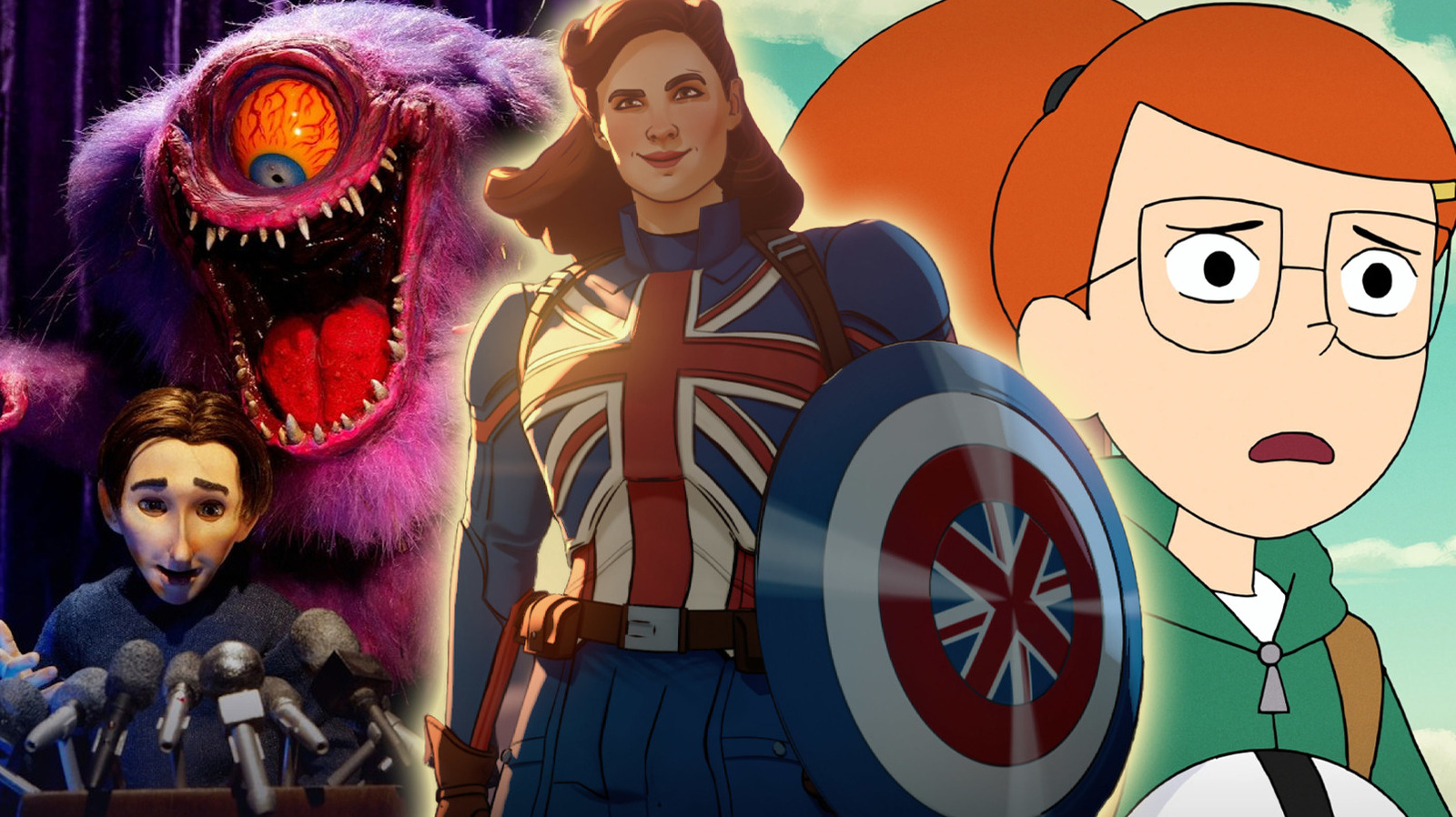
Chronology and Evolution: From Incubators to Global Platforms
The history of the animated anthology can be divided into three distinct eras: the Incubator Era, the Satirical Wave, and the Streaming Renaissance.
The Incubator Era (Late 1990s – Early 2000s)
In the late 90s, networks like Nickelodeon and Cartoon Network used the anthology format as a laboratory. Shows like Oh Yeah! Cartoons were not just entertainment; they were pilot factories. This era focused on discovering individual talent and testing character designs before committing to multi-million dollar series orders.
The Satirical Wave (2010s)
As animation matured and "Adult Swim" culture permeated the mainstream, anthologies shifted toward parody and rapid-fire satire. Shows like MAD utilized the format to deconstruct pop culture, leveraging various animation styles to mirror the fragmented nature of the digital age.
The Streaming Renaissance (2019 – Present)
The current era is defined by massive budgets and global perspectives. Platforms like Netflix and Disney+ have utilized anthologies to expand existing Intellectual Property (IP) (e.g., Star Wars: Visions) or to showcase high-concept science fiction that would be too expensive or risky for a traditional serialized format (e.g., Love, Death + Robots).
Detailed Analysis: The 10 Best Animated Anthologies Ranked
10. What If…? (Marvel Animation)
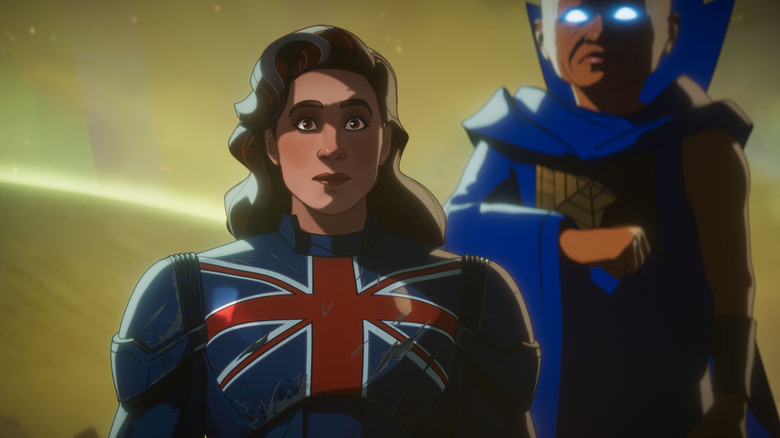
Marvel’s What If…? serves as a multiversal sandbox for the Marvel Cinematic Universe (MCU). Narrated by The Watcher (voiced by Jeffrey Wright), the series explores alternate realities where pivotal moments in MCU history went differently.
- Supporting Data: The series was notable for bringing back high-profile live-action actors like Hayley Atwell and the late Chadwick Boseman. It also introduced Kahhori, a Mohawk woman who became the first major original superhero created specifically for the MCU, marking a significant step in indigenous representation within the franchise.
9. The Boys Presents: Diabolical (Prime Video)
A spin-off of the hyper-violent live-action series The Boys, Diabolical utilizes a "style-per-episode" approach.
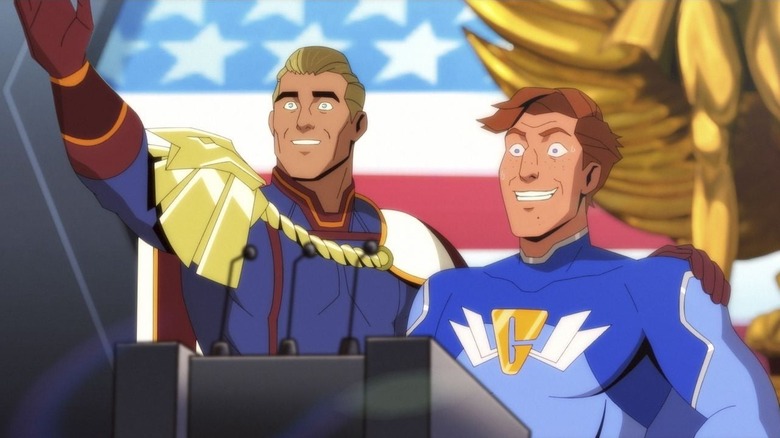
- Critical Reception: Critics praised the episode "John and Sun-Hee," which deviated from the show’s trademark gore to tell a poignant story about terminal illness and the unintended consequences of Compound V. The series proved that even a franchise built on cynicism could find room for profound emotional resonance.
8. Cake (FXX)
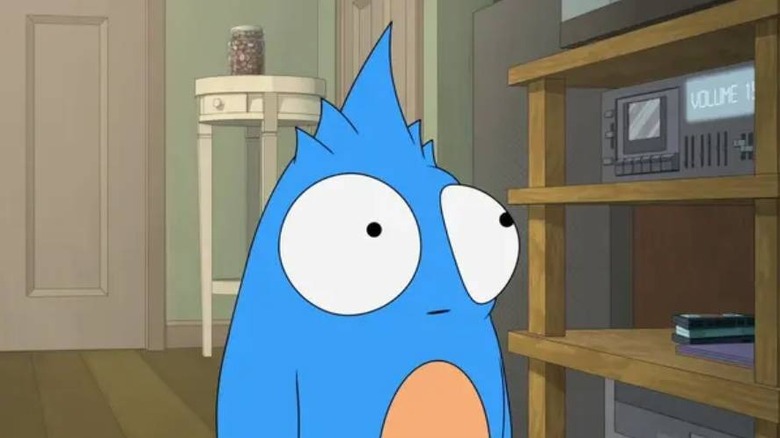
Cake is perhaps the most eclectic entry on this list, functioning as a "short-form" variety show. It blends traditional 2D animation, stop-motion, and live-action segments.
- Implications: By featuring segments like Swan Boy and Poorly Drawn Lines, Cake acted as a bridge between internet webcomics and premium cable, proving that micro-narratives (some as short as 90 seconds) could sustain a television audience.
7. MAD (Cartoon Network)
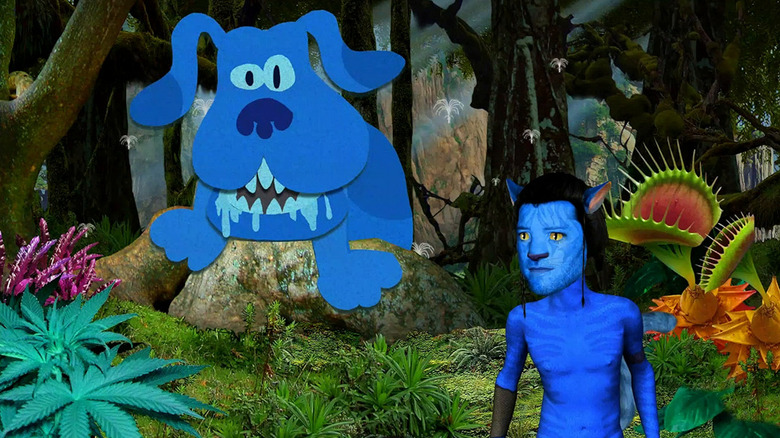
Produced by Warner Bros. Animation, MAD was a spiritual successor to the iconic magazine. Unlike its live-action predecessor Mad TV, the animated version relied on a relentless pace of parodies.
- Supporting Data: The show was a technical marvel for its time, frequently switching between CGI, claymation, and hand-drawn styles within a single 15-minute window, effectively training a generation of viewers for the "remix culture" of the 2020s.
6. Oh Yeah! Cartoons (Nickelodeon)
This series is arguably the most influential in terms of industry impact. Created by Fred Seibert, it served as the birthplace for some of the biggest hits in animation history.
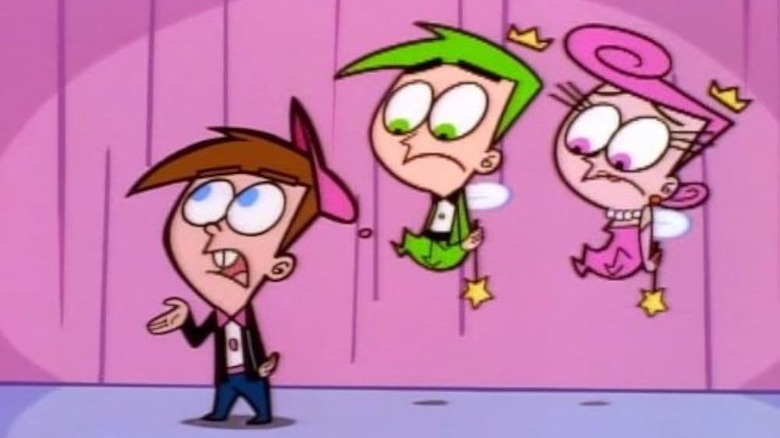
- Success Metrics: The Fairly OddParents, My Life as a Teenage Robot, and ChalkZone all began as shorts on this program. Its legacy lies in its role as a talent incubator, launching the careers of animators who would dominate the industry for two decades.
5. Kizazi Moto: Generation Fire (Disney+)
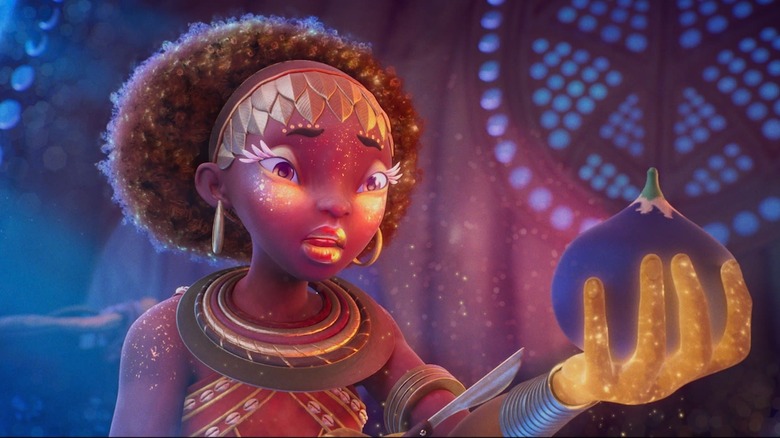
This 10-part anthology is a landmark in global storytelling, featuring creators from Kenya, Zimbabwe, South Africa, Nigeria, Egypt, and Uganda.
- Core Themes: The series focuses on Afrofuturism—reimagining African history and culture through a high-tech, sci-fi lens. It represents a shift in Disney’s strategy toward "hyper-local" content that carries universal appeal, challenging the Western-centric dominance of the medium.
4. The Shivering Truth (Adult Swim)
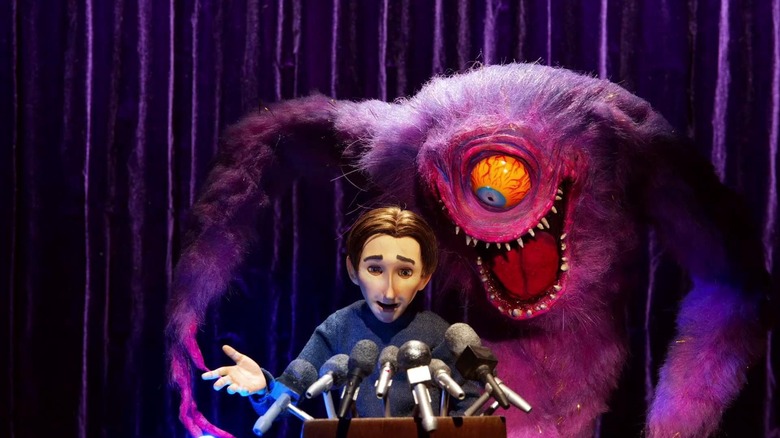
Created by Vernon Chatman, this stop-motion nightmare is perhaps the most visually distinct anthology ever produced.
- Official Response: Critics have described the show as "Lynchian," noting its use of dream logic and grotesque body horror to explore deep-seated human anxieties. It remains a cult favorite for its refusal to provide easy answers or traditional narrative payoffs.
3. Star Wars: Visions (Disney+/Lucasfilm)
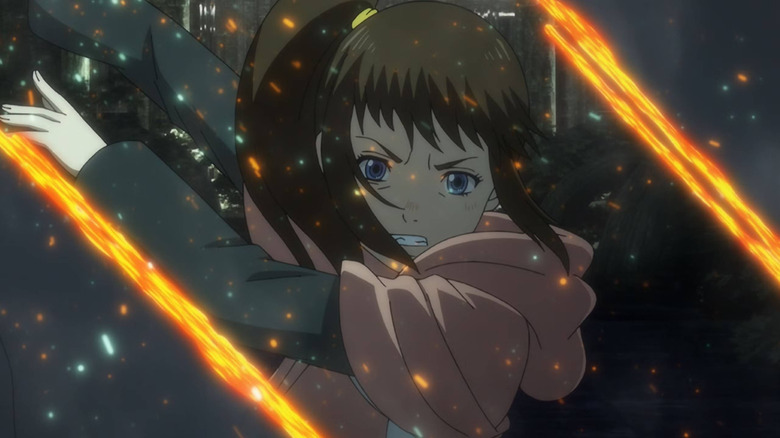
Visions represents a "full circle" moment for the Star Wars franchise. George Lucas was famously inspired by Japanese cinema, specifically the works of Akira Kurosawa. By handing the reigns to Japanese anime studios like Trigger and Production I.G., Disney allowed the franchise to return to its stylistic roots.
- Implications: Because the series is non-canonical, creators were free to experiment with "lightsaber umbrellas" and ancient droid warriors, providing a creative vitality that many fans felt was missing from the mainline live-action films.
2. Love, Death + Robots (Netflix)
Produced by Tim Miller and David Fincher, this series is the "gold standard" for the modern anthology. Each episode is a standalone technical showcase, ranging from photo-realistic CGI to stylized 2D.
- Awards and Data: The series has won multiple Primetime Emmy Awards for Outstanding Short Form Animated Program. It serves as a proof-of-concept for how adult-oriented animation can compete with live-action blockbusters in terms of visual fidelity and thematic depth.
1. Infinity Train (Cartoon Network/HBO Max)
While most anthologies reset every episode, Infinity Train utilized a "seasonal anthology" format. Each season followed a new protagonist trapped on a seemingly endless, supernatural train, with each car containing a different universe.
- The "Purge" Controversy: Despite being the most critically acclaimed show on this list for its handling of divorce, grief, and identity, Infinity Train became the poster child for the "streaming purge." In 2022, it was removed from HBO Max as part of a corporate restructuring at Warner Bros. Discovery. This move sparked a massive industry outcry regarding the "disposability" of digital art and the lack of protections for creators in the streaming era.
Supporting Data: The Value of the "Reset"
The success of these shows is backed by viewing trends. Data from streaming platforms suggests that anthology series have a higher "re-watchability" factor than serialized dramas. Because each episode is a self-contained unit, they are more compatible with the "shuffle" culture of modern consumption. Furthermore, the diversity of styles within a single show like Love, Death + Robots or Kizazi Moto acts as a built-in safeguard; if a viewer dislikes one episode, they are statistically likely to enjoy the next, reducing "viewer churn."
Official Responses and Critical Reception
The industry’s response to the animated anthology has been overwhelmingly positive, yet fraught with tension. On one hand, the format has won more awards in the last five years than in the previous twenty. Critics at Variety and The Hollywood Reporter have noted that the anthology is the only place where "true auteurism" still exists in mainstream animation.
However, creators have expressed concern over the "disposable" nature of these projects. Owen Dennis, the creator of Infinity Train, famously voiced his frustration when his show was scrubbed from digital platforms, stating that animation teams were given no warning. This has led to a push for better physical media rights and archival efforts for animated works.
Implications: The Future of the Format
The animated anthology stands as a testament to the resilience of short-form storytelling. As attention spans fluctuate and the cost of live-action production skyrockets, the ability to tell a complete, emotionally resonant story in 10 to 15 minutes of animation is becoming an invaluable asset for networks.
Furthermore, these shows are breaking down geographic barriers. The success of Kizazi Moto and Star Wars: Visions proves that audiences are hungry for non-Western perspectives. The future of the animated anthology likely lies in this global exchange—a "multiverse" of real-world voices using the infinite tools of animation to tell the stories that live-action simply cannot capture.
As we look toward the next decade, the "status quo" of television seems deader than ever, and the animated anthology is the one holding the smoking gun.
