
The Divine Comedy of Carnage: Why ‘VelociPastor 2’ is the Cult Phenomenon We Didn’t Know We Needed
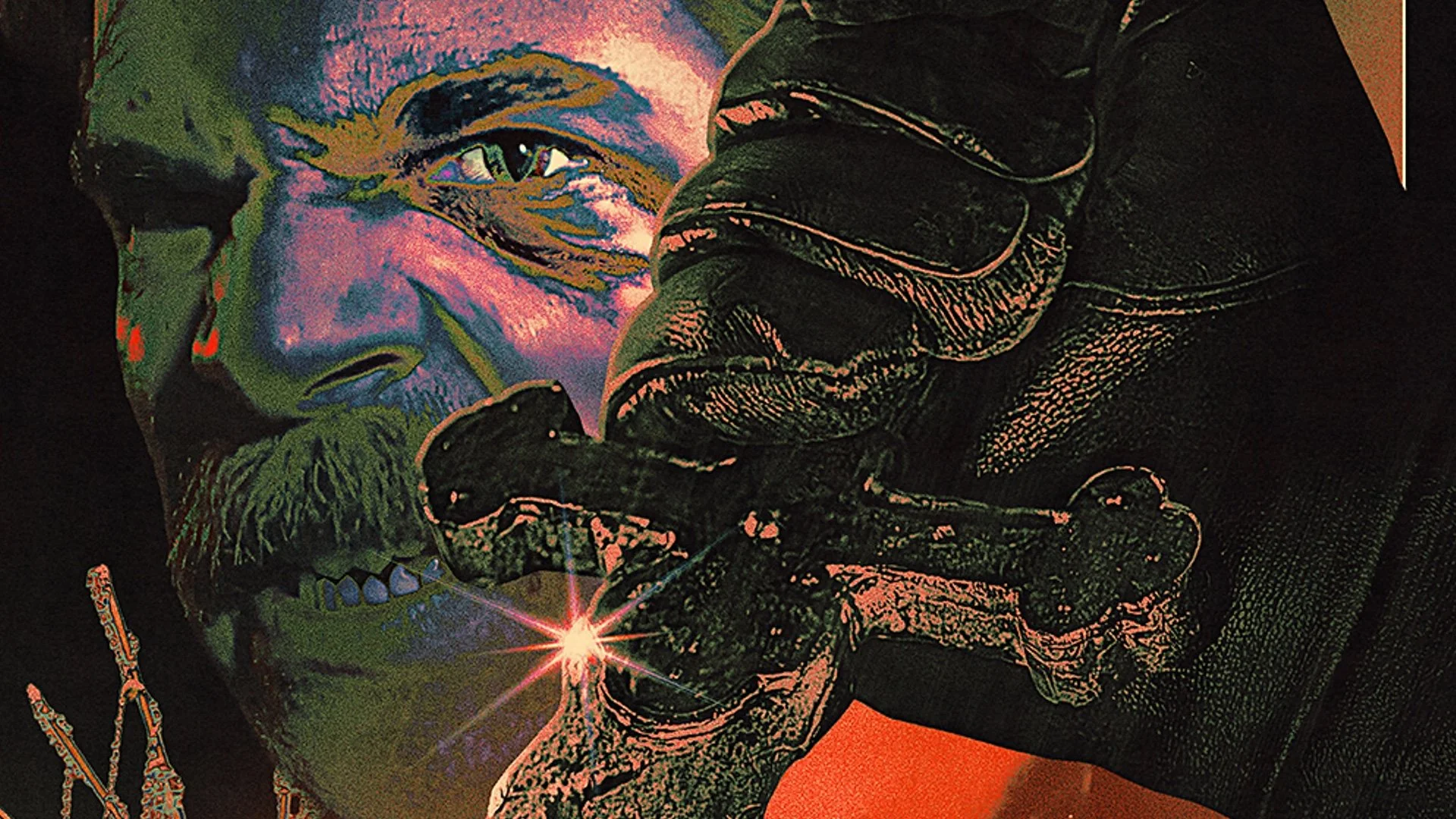
In the landscape of modern cinema, where algorithms often dictate the "perfect" blockbuster and billion-dollar franchises aim for mass-market safety, there exists a bizarre, blood-soaked corner of the industry that defies all conventional metrics of quality. It is a place where narrative logic goes to die and where a priest who turns into a dinosaur is not just a premise, but a cultural cornerstone. Enter VelociPastor 2, the long-awaited sequel to the micro-budget phenomenon that captured the internet’s collective imagination. It is, by all traditional standards of professional filmmaking, a disaster. And yet, it is precisely that "glorious" failure that makes it an essential piece of contemporary cult cinema.
The Genesis of a Dinosaur-Sized Phenomenon
The original VelociPastor—a low-budget horror-comedy about a man of the cloth who transforms into a prehistoric killing machine—was never meant to be a masterpiece. Born from a "wonderfully stupid" concept, it transcended its budgetary limitations to become a viral sensation. The sequel, directed by Jesse Gouldsbury, who takes the mantle from original filmmaker Brendan Steere (who remains on board as a co-writer), picks up exactly where the madness left off.
The narrative follows Father Doug Jones, once again portrayed with unhinged sincerity by Greg Cohan, as he navigates his unfortunate lycanthropic-dinosaur condition. Joined by the long-suffering Carol, played with infectious comedic timing by Alyssa Kempinski, the duo finds themselves transported to Italy. Or, more accurately, they find themselves in a "hilariously cheap approximation" of Italy, a stylistic choice that serves as the film’s primary aesthetic engine.
A Chronology of Chaos: From Italy to the Abyss
The film’s plot is a thin veneer draped over a series of escalating absurdities. The premise hinges on a string of murders targeting virgins, pulling from the visual lexicon of 1970s Italian giallo horror. We are treated to the hallmarks of the genre: black-gloved killers, neon-soaked lighting, and, of course, a level of dramatic nonsense that would make Dario Argento weep.
The progression of the film is less of a narrative arc and more of a series of escalating "bits." The filmmakers utilize every trick in the low-budget playbook, from exaggerated accents and strategically placed Italian flags to a complete disregard for spatial continuity. As the film unfolds, the "cheapness" of the production is elevated from a limitation to a character of its own. It is a meta-commentary on the art of filmmaking, where the lack of resources is not an obstacle, but an invitation to innovate in the most ridiculous ways imaginable.
Supporting Data: The Economics of the Absurd
It is worth noting that VelociPastor 2 is not entirely a product of "make-do" ingenuity. The production secured over $118,000 via Kickstarter—a significant leap from the $36,000 budget that fueled the original. However, audiences hoping for a polished, "Hollywood-ified" experience will be sorely disappointed, or perhaps, delighted.
The funds were clearly not spent on sophisticated CGI. The special effects—ranging from dinosaur costumes that appear to be the result of a frantic weekend craft project to stunt dummies that bear no resemblance to human anatomy—are intentionally archaic. Mannequins are tossed with reckless abandon, and blood sprays across the screen with the pressure and consistency of a malfunctioning garden sprinkler. This financial backing serves as a testament to the audience’s appetite for this specific brand of "trash-art." It proves that there is a sustainable, if niche, market for projects that lean into their own deficiencies with such unabashed enthusiasm.
The Performative Commitment: Why the Cast Matters
Perhaps the most impressive element of VelociPastor 2 is the cast’s refusal to wink at the camera. Greg Cohan, sporting a mustache that commands its own screen presence, plays Father Doug with a gravity usually reserved for Shakespearean tragedy. This juxtaposition—a man dealing with the existential weight of being a dinosaur priest—is where the film finds its heart.
Kempinski, meanwhile, provides the perfect foil. Her chemistry with Cohan is "weird and wonderfully goofy," anchoring the film’s more chaotic departures. The supporting cast, including the unhinged Frankie Kevich as the antagonist and the returning Daniel Steere as Father James Stewart, operate on the same wavelength. They act as if they are in the most prestigious drama of their careers, and it is this commitment that prevents the film from collapsing under the weight of its own silliness. If the actors treated the material with irony, the joke would fail. Because they treat it with sincerity, the joke becomes a masterpiece of comedic timing.
Critical Implications: The Fine Line Between Genius and Exhaustion
While the film is a success within its specific genre, it is not without its pitfalls. There is a "fine line between embracing ridiculous filmmaking and relying on ridiculousness to carry every joke." At times, VelociPastor 2 stumbles across that line.
Critics and audiences alike will note that some segments feel stretched, with awkward exposition and drawn-out gags occasionally threatening to grind the momentum to a halt. There is a difference between something being "hilariously stupid" and simply "stupid." When the film leans too heavily on the novelty of its poor production values, the charm can wear thin. The chaotic storytelling, while a staple of the franchise, occasionally sacrifices coherence for the sake of a detour that doesn’t always land. However, these flaws are rarely fatal. The film’s infectious "enthusiasm for the craft" is the glue that holds the disparate parts together.
The Cultural Verdict: A Call to the Crowd
Ultimately, the implications of VelociPastor 2 on the independent film circuit are clear: there is a hunger for communal, unapologetically "dumb" cinema. Its reception at events like FilmQuest proves that this is a movie designed for the theater-going experience. It is a film that demands to be watched with a crowd—a room full of people cheering, laughing, and shouting at the screen.
It avoids the trap of cynicism. Many modern attempts at "so bad it’s good" movies feel manufactured or desperate, as if the creators are trying too hard to achieve a cult status that should be earned organically. VelociPastor 2 never feels like it is manufacturing a legacy. It feels like a group of friends who love the medium of film so much that they decided to build their own playground out of cardboard, fake blood, and sheer willpower.
Final Reflections: Is It Good?
If one were to apply the standards of the Academy Awards or even a standard mainstream review, VelociPastor 2 would fail on every technical level. The pacing is erratic, the effects are primitive, and the plot is a fever dream of nonsense. And yet, to judge it by those metrics is to fundamentally misunderstand the film’s objective.
It is a "gloriously trashy" experiment in creative freedom. It is a reminder that filmmaking, at its core, is about the joy of storytelling and the camaraderie of a team working toward a shared, insane vision. The film is not a masterpiece of cinema, but it is a masterpiece of experience. It is a cinematic playground for those willing to turn off their internal critics and simply enjoy the carnage.
Whether you are a devotee of the original or a newcomer to the bizarre world of Father Doug Jones, VelociPastor 2 offers a unique brand of entertainment. It is unapologetic, messy, and fundamentally human in its pursuit of joy. It serves as a stark reminder that sometimes, the most entertaining movies are the ones that have absolutely no business existing in the first place. Embrace the absurdity, forgive the continuity errors, and prepare yourself for one of the most uniquely entertaining, albeit brain-cell-killing, cinematic journeys of the year.
