
The Unscripted Frontline: How Julia Loktev’s "My Undesirable Friends" Captured the Collapse of Russian Independent Media
The essence of documentary filmmaking often lies in the surrender of control. While a director may enter a project with a clearly defined narrative arc, the most profound works are those that evolve alongside the unpredictable lives of their subjects. Julia Loktev’s harrowing two-part documentary, My Undesirable Friends, serves as a masterclass in this reactive form of storytelling—a project that began as an observation of journalistic defiance and transformed into a poignant chronicle of exile and survival.
The Genesis of an Unintended Saga
Initially, Loktev’s lens was fixed on a specific, localized struggle: the mounting pressure on the journalists of TV Rain, Russia’s last bastion of independent television. The working title for the project was The Lives of Foreign Agents, a direct reference to the repressive legal labels the Russian government was increasingly using to stigmatize and silence dissenting voices.
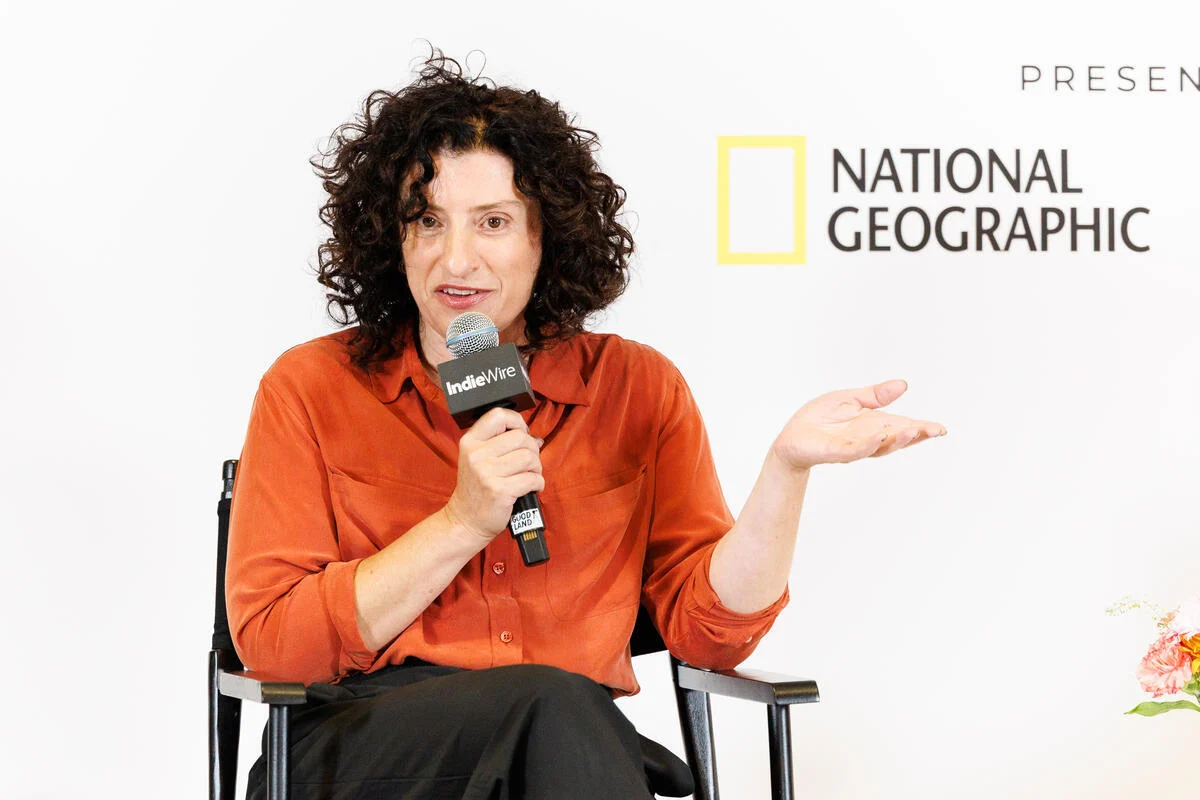
"Neither of these two films were supposed to happen," Loktev admitted during a recent appearance at IndieWire’s Art of the Doc series. At the time of filming, the environment was hostile, yet it remained within the bounds of a recognizable—albeit darkening—political reality. Journalists were being harassed, and their organizations were being shuttered, but the staff of TV Rain continued to operate under the assumption that they could still find ways to report the truth from within their own borders.
That assumption was shattered in early 2022. When Russia launched its full-scale invasion of Ukraine, the political climate shifted from suffocating to lethal within a matter of days. The Kremlin moved immediately to erase the final remnants of an independent press, forcing a mass exodus of reporters who suddenly found themselves "undesirable" in the eyes of their own government.
Chronology of a Displaced Newsroom
The timeline of the documentary mirrors the frantic, high-stakes trajectory of the journalists it follows.
- Pre-Invasion: The project begins with a focus on the daily grind of investigative journalism under the "Foreign Agent" designation. The tone is one of tense, calculated resistance.
- The Turning Point (February 2022): The invasion of Ukraine acts as the fulcrum of the film. Within the first week of the conflict, the state dismantled the independent media landscape entirely.
- The Great Scattering: Part II of the documentary picks up in the immediate aftermath of the invasion. As the subjects flee the country, the narrative scale expands from the confines of a Moscow office to a transnational story of refugees seeking a new home and a new way to work while in exile.
Loktev notes that the transition between the two films is not merely a change in geography, but a fundamental shift in the existential threat facing her subjects. Where once the fear was of an arrest at the office, the new reality was the loss of their country and the psychological trauma of being labeled "flies that Russia spits out of its mouth" by the state apparatus.
Supporting Data: The Shrinking Space for Dissent
The story of TV Rain is not an isolated incident; it is a case study in the systematic dismantling of civil society in Russia. Since 2012, the Russian government has utilized the "Foreign Agent" law to limit the funding and reach of NGOs, media outlets, and individual journalists.

According to data tracked by various human rights organizations, the pace of these designations accelerated exponentially in the lead-up to the 2022 invasion. Independent news outlets—including Echo of Moscow and Novaya Gazeta—faced similar pressures, but TV Rain stood out for its visual, broadcast-heavy presence, making it a primary target for state censors.
The economic and professional toll on these individuals is significant. Beyond the loss of their primary source of income, these journalists were forced to abandon their support networks, their families, and their physical connection to the subjects they spent their careers covering. The psychological toll of "exile journalism"—reporting on a homeland that views you as a traitor—is the central theme that elevates My Undesirable Friends from a standard industry profile to a human drama of epic proportions.
Official Rhetoric and the "Undesirable" Label
The term "undesirable organization" carries specific legal weight in Russia, often serving as a precursor to criminal prosecution. By applying this label to journalists, the Kremlin effectively criminalized the act of objective reporting.
Loktev’s documentary captures the chilling effect of this rhetoric. In the film, we witness the journalists grappling with the realization that their patriotism—defined by their desire to report the truth about their country—is being reframed by the state as an act of sabotage. This is not just a battle over headlines; it is a battle over the definition of national identity.
The state’s narrative, as expressed by Vladimir Putin, suggests that the "spitting out" of these journalists is a form of purification. The journalists, however, view their exile as a painful necessity—a way to maintain the integrity of their profession when the only other option is to become a mouthpiece for state-sponsored propaganda.
Implications for Global Journalism
The implications of My Undesirable Friends extend far beyond the borders of Russia. As independent media faces increasing global threats, the documentary highlights several critical issues:
- The Fragility of Infrastructure: The film demonstrates how quickly a democratic infrastructure—once established—can be dismantled by a determined autocracy.
- The Digital Diaspora: With the rise of digital tools, independent journalism can survive in exile, but it loses the immediate, visceral connection to the ground. The film asks: Can a newsroom serve a population it is no longer physically present to witness?
- The Duty of the Documentarian: Loktev’s role changed from an observer of a static environment to a witness of a historical rupture. Her willingness to pivot her project demonstrates that the best documentary work often requires a commitment to the truth of the situation over the integrity of the original pitch.
A Legacy of Resilience
As the documentary concludes, the viewer is left with a stark image of the modern journalist: someone who carries their office in a laptop bag, whose professional network is scattered across borders, and whose "home" is now defined by the reach of their signal rather than the location of their desk.

National Geographic Documentary Films, which has championed this project, has a long history of supporting stories that illuminate the human condition in the face of systemic adversity. From Oscar-winning titles like Free Solo to the critically acclaimed Bobi Wine: The People’s President, the brand continues to prioritize narratives that challenge the status quo and demand global attention. My Undesirable Friends fits firmly within this lineage, serving as a testament to the resilience of those who refuse to be silenced.
In an era where the definition of "truth" is constantly under assault, Loktev’s film is a necessary document. It reminds us that behind every news headline about censorship and conflict, there are individuals making impossible choices, sacrificing everything to ensure that the record remains accurate.
"They were living in Russia, waiting for the police to show up," Loktev said, reflecting on the final days of the shoot. "Maybe friends of yours were being arrested, but you could still work. And then that stopped."
It is that moment of finality—the point where the "can" becomes "cannot"—that defines the power of My Undesirable Friends. It is a vital, uncomfortable, and essential piece of history that, quite literally, could not have been planned. It is a story that had to be lived first, and filmed second.
As we look toward the future of media, the stories of these displaced journalists serve as a warning and a beacon. Their struggle is not just for the survival of TV Rain, but for the fundamental right of a citizenry to know what is happening within their own borders. Through the lens of Julia Loktev, we are invited to witness this struggle not as a distant event, but as an ongoing, intimate, and urgent battle for the soul of the truth.
