
The Silicon Leap: Apple Unveils the M6-Powered iMac and 14-inch MacBook Pro
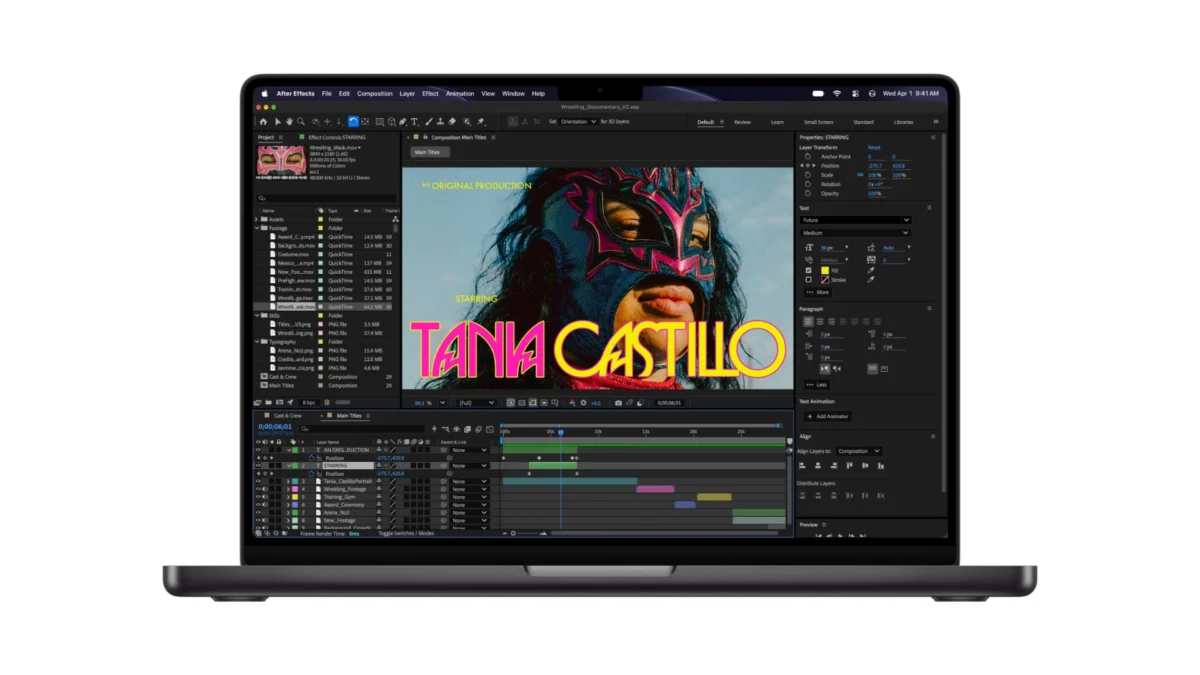
In a strategic update that underscores its commitment to rapid silicon iteration, Apple has officially unveiled its latest hardware refreshes: the 24-inch iMac and the 14-inch MacBook Pro. Both machines are built upon the architecture of the new M6 chip, representing a significant leap in performance, AI capabilities, and connectivity. As the tech industry turns its gaze toward the horizon—specifically the rumored, long-awaited touchscreen MacBook—these releases serve as a potent reminder of Apple’s current dominance in the high-performance desktop and portable computing segments.
Main Facts: A New Era of M6 Performance
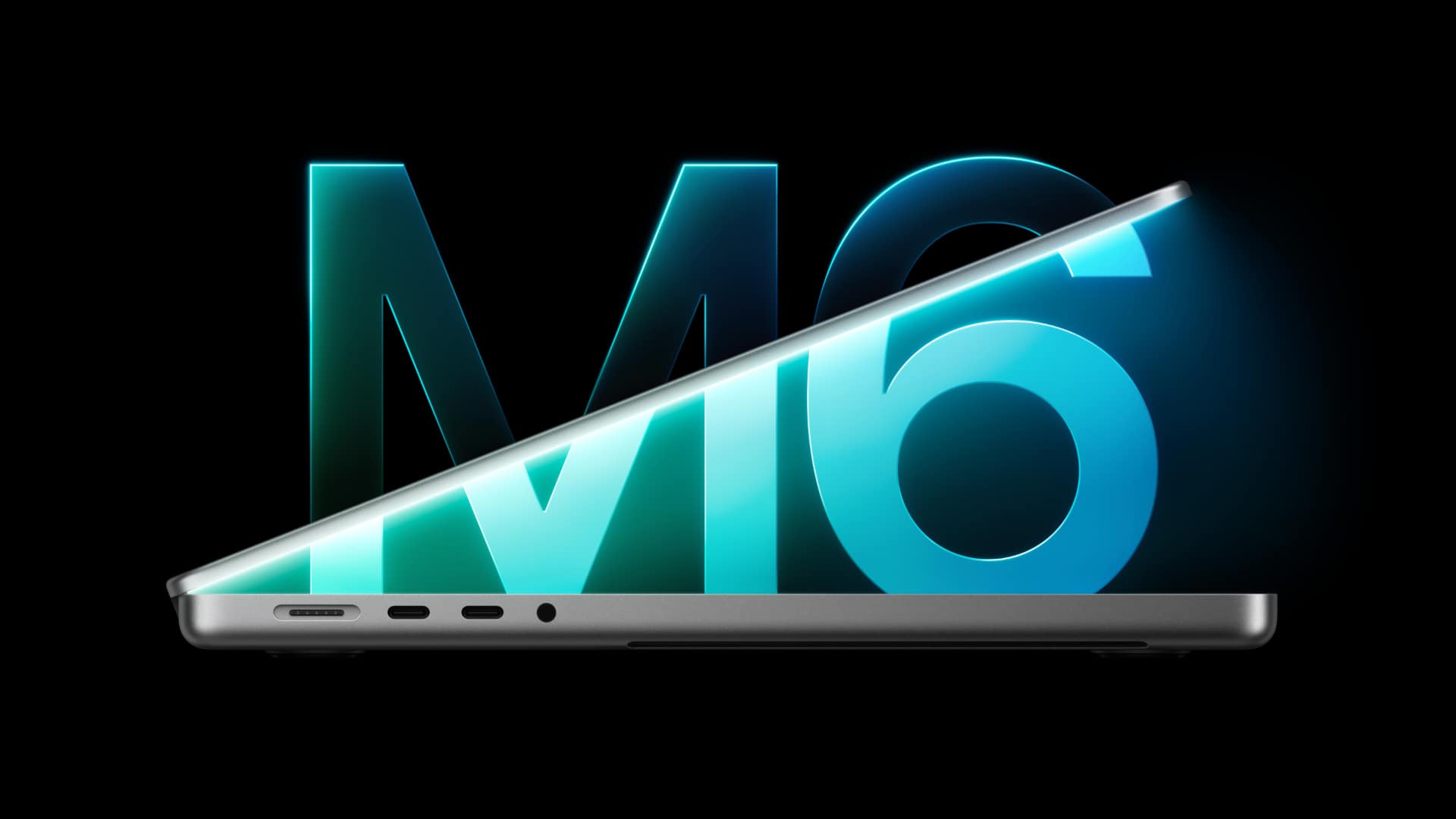
The announcement introduces the M6 chip, which functions as the engine for both the updated all-in-one iMac and the professional-grade 14-inch MacBook Pro.
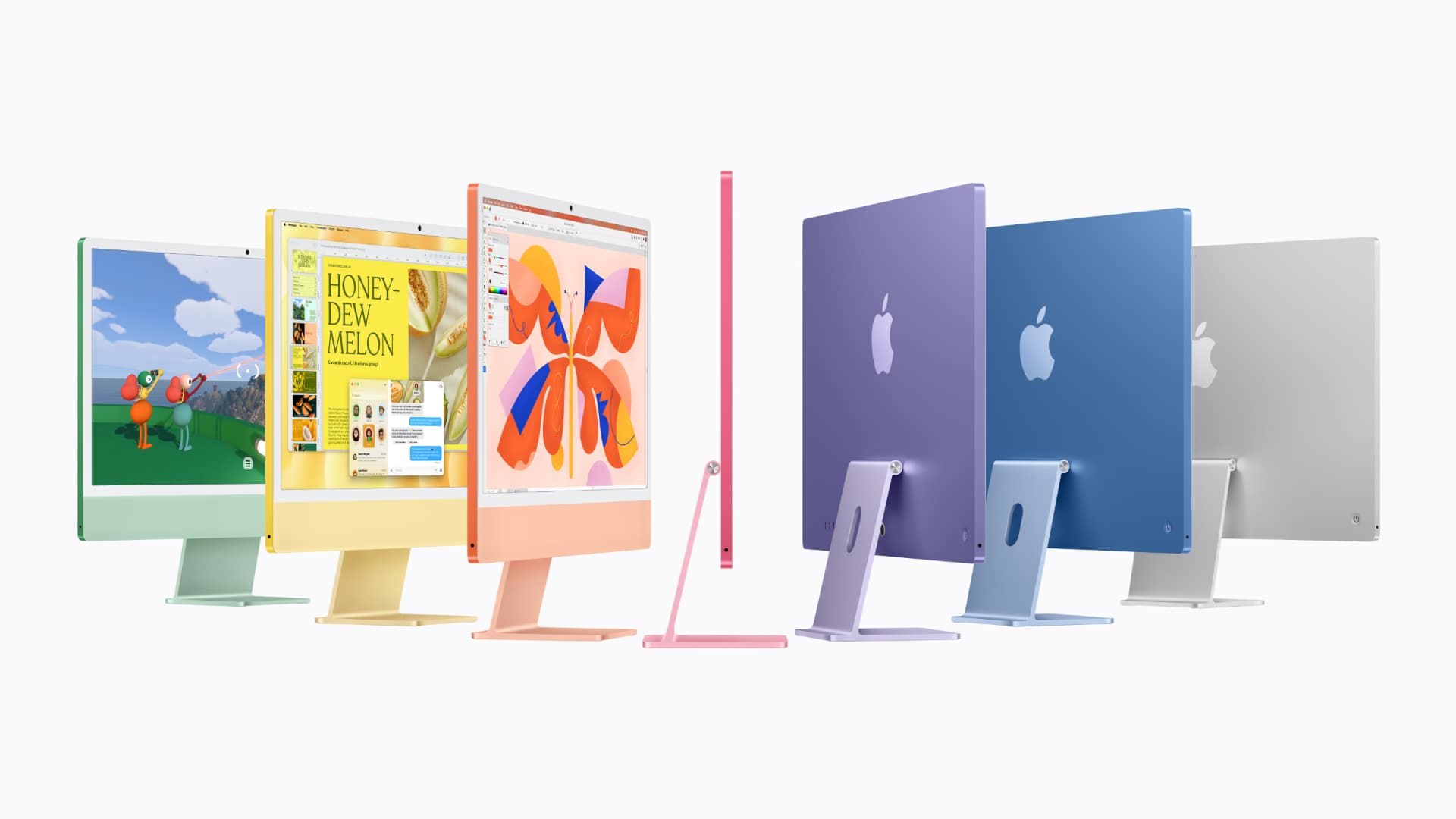
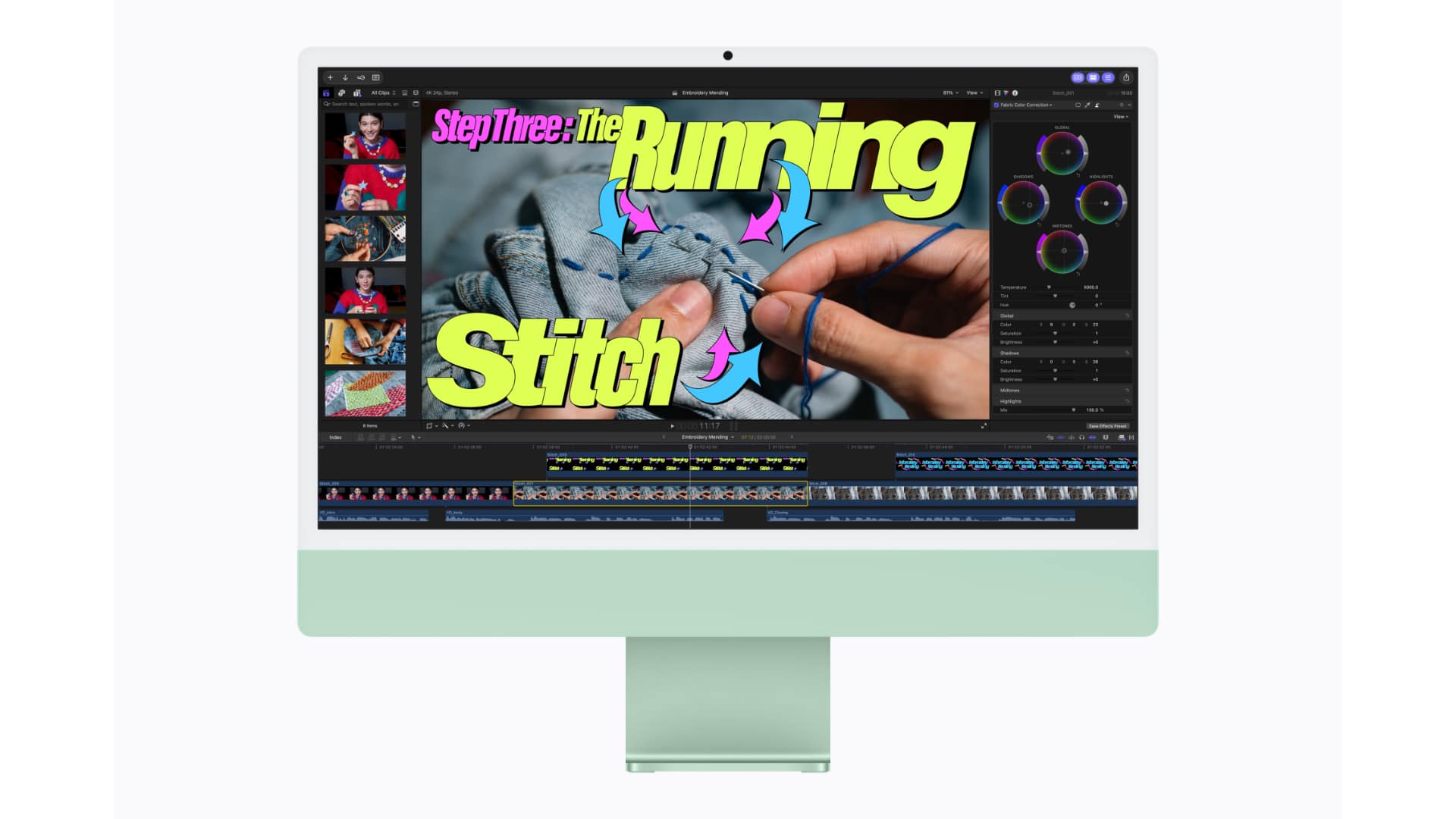
The 24-inch iMac has been refined to offer a tiered performance structure. It is available with either a 10-core CPU and 10-core GPU or a more robust 12-core CPU and 12-core GPU configuration. This jump—adding two cores over the previous generation—is bolstered by the integration of Neural Accelerators in every GPU core and a powerful Dual 16-core Neural Engine. With memory bandwidth reaching 170 GB/s, the iMac is positioned not merely as a family desktop, but as a capable workstation for creative professionals.
The 14-inch MacBook Pro, meanwhile, consolidates its position as a portable powerhouse. Featuring a standard 12-core CPU and 12-core GPU setup, it comes with 16 GB of unified memory as standard, which can be expanded to 32 GB. Like its desktop counterpart, the MacBook Pro utilizes the Dual 16-core Neural Engine to accelerate machine learning tasks, cementing its role as the industry standard for mobile creative workflows.
Chronology of Development: From Silicon Transition to M6
Apple’s journey from Intel-based architecture to proprietary silicon has been one of the most successful vertical integrations in computing history.
- 2020: The debut of the M1 chip marked the beginning of the end for Apple’s reliance on third-party silicon, promising and delivering unprecedented power efficiency.
- 2021-2023: The M2 and M3 iterations focused on scaling performance, introducing Pro, Max, and Ultra variants that allowed Apple to compete at the high end of the workstation market.
- 2024-2025: The introduction of the M4 and M5 chips saw the integration of dedicated AI-compute hardware, setting the stage for the current M6 launch.
- October 28, 2025: Apple opened pre-orders for the M6 lineup across 35 countries, signaling a coordinated global launch.
- November 6, 2025: The official retail availability date, marking the moment these devices land in the hands of consumers.
The industry remains in a state of anticipatory tension as users await the next major "Apple Event," where rumors persist regarding the introduction of a touchscreen interface for the MacBook line—a pivot that many analysts believe will redefine the macOS experience.
Supporting Data: The Benchmark Gap
Apple’s internal testing data paints a clear picture of the performance delta between the M6 and its predecessors. By focusing on AI compute and graphics rendering, the company is positioning the M6 as an "AI-first" chip.
The iMac Performance Metrics
- Graphics: The M6 GPU delivers up to 2x faster performance than the M4 chip.
- AI Compute: Neural Engine performance is rated at 2x faster than the previous generation.
- On-Device AI: Local AI processing tasks are reported to be up to 5x faster, a critical metric for developers and users of modern large language models.
- Storage: SSD read and write speeds have doubled, ensuring that high-bitrate video editing and large dataset manipulation are seamless.
- Legacy Comparison: For the remaining Intel-based users, the jump is stark: Apple claims up to 18x faster performance compared to the most popular Intel-based iMac, a figure that highlights the diminishing returns of keeping legacy machines in professional environments.
The MacBook Pro Efficiency
- Battery Life: Retaining the industry-leading 24-hour benchmark, the M6 MacBook Pro offers 14 hours more battery life than legacy Intel machines and four additional hours over the M1, providing a consistent standard for mobile work.
- Graphics and AI: The M6 GPU is 30% faster for graphics than the M5, with a 25% boost in AI-specific workloads, while the Neural Engine sees a 1.9x speed increase over the M5.
Official Responses and Strategic Positioning
Apple’s official statements regarding these products emphasize "seamless integration." By standardizing connectivity options like Wi-Fi 7 and Bluetooth 6, the company is ensuring that these machines are future-proofed for the next five years of networking standards.
The inclusion of the 12 MP Center Stage camera and the "Desk View" feature suggests that Apple is doubling down on the hybrid work model. By enhancing the hardware used for video conferencing—paired with a high-fidelity three-microphone array and six-speaker spatial audio systems—the company is positioning the MacBook Pro and iMac as essential tools for the digital-first professional.
Furthermore, the introduction of a nano-texture display option on the iMac—previously a feature reserved for high-end monitors—indicates that Apple is listening to feedback from professional designers who require reduced glare in high-ambient-light environments.
Implications for the Tech Ecosystem
The release of the M6 chips has broader implications for the computing market.
1. The Death of the "Slow Computer"
With the M6, Apple has pushed the entry-level performance ceiling so high that the distinction between "consumer" and "pro" machines is beginning to blur. For the average user, the base-model iMac ($1499) offers more power than a high-end workstation from just five years ago. This makes the "pro" designation increasingly about display quality, I/O ports, and thermal management rather than raw computational capability.
2. AI at the Edge
By prioritizing on-device AI through the Dual 16-core Neural Engine and GPU-based Neural Accelerators, Apple is making a clear statement: the future of AI is not just in the cloud. By moving heavy computation to the local chip, Apple is addressing privacy concerns, latency issues, and the necessity of offline AI capabilities. This provides a compelling reason for enterprise clients to upgrade their fleet.
3. The Pricing Strategy
The starting price of $1499 for the iMac and $1999 for the MacBook Pro places these devices in the premium segment, yet the financing options—such as the $28.99 and $38.99 monthly plans—are designed to capture the growing demographic of freelancers and remote workers who view these machines as tax-deductible business assets rather than mere consumer electronics.
4. The Touchscreen Question
The lingering question regarding touchscreen MacBooks acts as both a hype machine and a point of potential disappointment. By holding back this feature while pushing the M6, Apple is effectively segmenting its market. They are selling the M6 as the ultimate "productivity" machine for traditional workflows, while saving the "touch" paradigm for a later, more radical design shift. This ensures that the current M6 hardware will have a distinct, non-touch lifecycle, allowing Apple to market the future touchscreen devices as a "new category" rather than an iterative upgrade.
Conclusion
The release of the M6-powered iMac and 14-inch MacBook Pro is a testament to Apple’s refined iterative process. While the design of the hardware may feel familiar, the underlying silicon represents a massive jump in capability, particularly in the fields of AI, graphics, and power efficiency. As the world waits for the next evolution in user interface design, these machines stand as the most powerful, efficient, and capable tools currently available in the Apple ecosystem. For those still clinging to Intel-based Macs, the argument for upgrading has never been more compelling—or, as the numbers suggest, more necessary.
