
Beyond the Power Sword: Why ‘Masters of the Universe’ Challenges Modern Masculinity
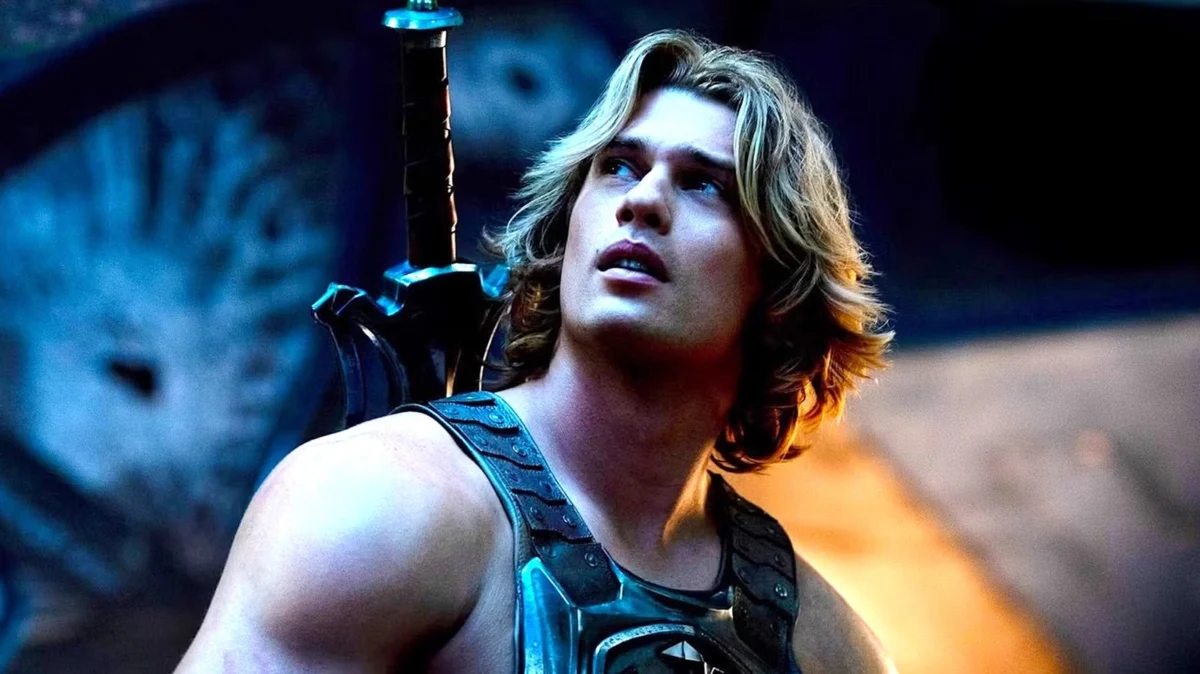
In an era where the cinematic landscape is increasingly defined by a "blockbuster fatigue" surrounding legacy intellectual property (IP), the arrival of Amazon MGM Studios’ Masters of the Universe presents a unique paradox. At a time when audiences are vocalizing a growing exhaustion with reboot culture—gleefully celebrating the rise of original independent horror hits like Obsession and Backrooms over traditional franchise fare—it would be easy to dismiss the return of He-Man as a cynical attempt to harvest the disposable income of 1980s nostalgia seekers.
However, to paint Masters of the Universe with the broad, uninspired brush of "corporate cash grab" is to fundamentally miss the film’s thematic pulse. Under the direction of Travis Knight, the film transcends its toy-aisle origins to offer a sophisticated, metatextual exploration of what it means to be a man in the modern age.
The Evolution of the Toy Movie: From Barbie to Eternia
For decades, the "toy movie" was synonymous with hollow commercialism. That rule was irrevocably shattered by Greta Gerwig’s Barbie, which used a cultural icon to dissect the impossible, often contradictory standards imposed upon women. Masters of the Universe attempts a similar feat, focusing its lens on the fragile, often performative nature of traditional masculinity.
Critics who entered the theater expecting a brainless exercise in 80s sword-and-sorcery tropes were caught off guard by the film’s earnestness. Currently holding a "Certified Fresh" rating on Rotten Tomatoes, the film has sparked a conversation that moves well beyond the aesthetics of Eternia. The film’s success suggests that audiences are not necessarily tired of established IP; rather, they are tired of IP that refuses to evolve. By grounding its high-fantasy premise in the psychological growth of its lead characters, Masters of the Universe proves that nostalgia can be a delivery mechanism for genuine, challenging storytelling.
Chronology of the Production and Reception
The journey of this adaptation has been long and fraught with industry skepticism.
- Pre-Production Phase: Development of a new live-action Masters project spent years in "development hell," cycling through various studios and creative teams.
- The Knight Era: The project gained genuine momentum when director Travis Knight, known for his work on Kubo and the Two Strings and Bumblebee, took the helm. Knight’s reputation for emotional storytelling signaled a shift in tone from a standard action romp to a character-driven narrative.
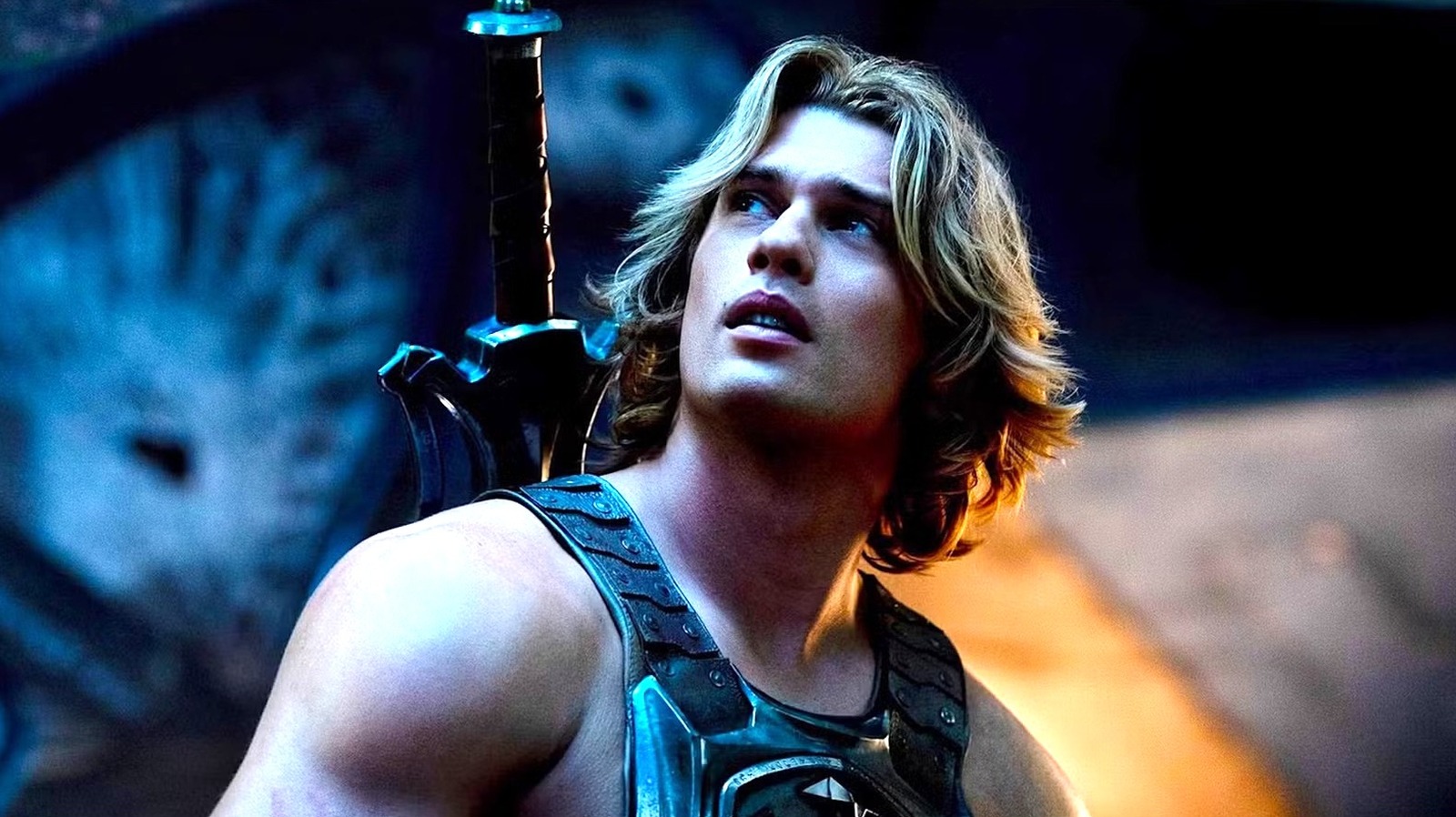
- The Casting Reveal: The announcement of Nicholas Galitzine as Prince Adam/He-Man was met with both curiosity and scrutiny. Fans questioned whether a younger, more nuanced actor could capture the monolithic presence of the character.
- Premiere and Critical Consensus: Following its premiere, the film garnered positive reviews that highlighted its unexpected depth, effectively separating it from the "uninspired" label often applied to modern reboots.
- The Current Run: As of June 2026, the film is in global theatrical release, serving as a litmus test for how much depth audiences are willing to accept in blockbuster franchise filmmaking.
Supporting Data: A Filmography of Masculinity
The casting of Nicholas Galitzine is, in itself, a stroke of thematic brilliance. Galitzine has spent his career curating a filmography that functions as a deep dive into the spectrum of male identity.
His roles have spanned the archetypal to the subversive:
- The Traditionalist: Playing a Marine in Purple Hearts and a fairytale prince in Cinderella.
- The Deconstructionist: Portraying a closeted bisexual teen struggling with internalized misogyny in The Craft: Legacy, and satirizing the toxic jock trope in Bottoms.
- The Humanist: His role in The Idea of You explored the vulnerabilities of a pop icon, moving away from the "untouchable" celebrity mold.
By casting an actor who has spent his career exploring the "light and shade" of manhood, Knight ensured that Prince Adam would be portrayed not as a cardboard cutout of 1980s machismo, but as a young man struggling to reconcile the expectations of his royal heritage with the reality of his own empathy.
Official Perspectives: The Director’s Vision
In an exclusive discussion regarding the film’s philosophy, director Travis Knight articulated a vision of masculinity that is rooted in progress rather than stagnation.
"We are telling a story about these men, and they’re at various different places in their journey," Knight explained. "They were raised with different generational perspectives. I wanted to make sure that as a filmmaker, even regarding anything I disagree with, I approach these things with empathy. I want to understand where these people are coming from."
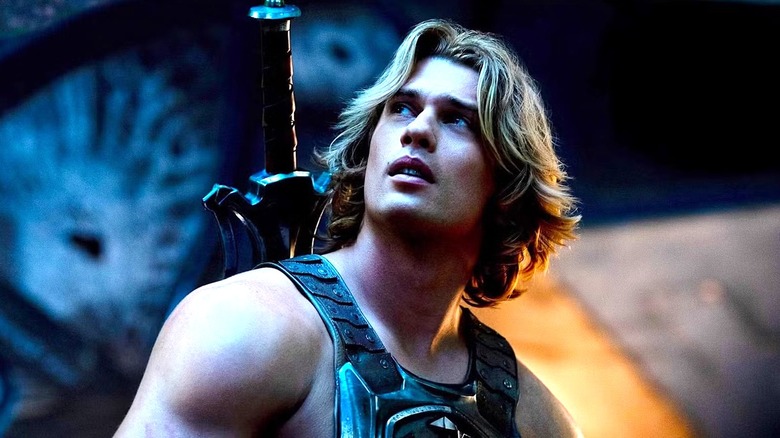
Knight’s personal background as the son of Nike founder Phil Knight—a man who famously felt more at home "playing with dolls" than participating in the hyper-competitive world of athletics—informs the film’s central conflict. The dynamic between Prince Adam and the mentor figure, Duncan (Idris Elba), serves as the emotional anchor of the narrative. They represent two different, often conflicting, approaches to power and leadership.
"They’re not perfect by the end of the movie," Knight noted. "But they’ve grown because of their relationship and their openness to each other. That’s a beautiful thing. I hope that more men can do that."
The Implications: Why the Message Matters
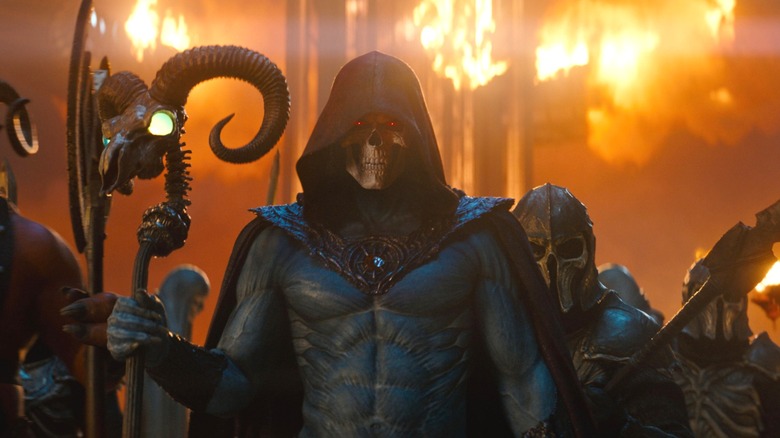
The broader implications of Masters of the Universe lie in its refusal to offer simple answers to complex problems. In traditional fantasy, the solution to a villain like Skeletor is simple: punch harder. However, the film posits that when a threat is supernatural or systemic, brute force is not only insufficient—it can be a path to self-destruction.
Challenging the "Punch First" Mentality
The film explores the danger of emotional repression. For many, the "He-Man" archetype represents the ultimate suppression of vulnerability. By having characters acknowledge that "fighting with your words" is a necessary skill, the film creates a bridge between the classic cartoon and contemporary social discourse.
A Mirror to the Audience
The film’s central conceit is that masculinity is not a singular, all-consuming trait. Galitzine himself stated during interviews that Adam’s "true superpower" is his ability to empathize and collaborate, even with those who hold opposing views. This is a radical departure from the 1980s iteration, which was largely designed to sell action figures through displays of physical dominance.
The "Patriarchy" of the Fantasy Genre
Perhaps the most significant implication is the film’s subtle acknowledgment that the current iteration of the patriarchy harms everyone—including the men at its center. By forcing the characters to confront their own limitations, the movie provides a roadmap for growth that is both accessible to younger audiences and thought-provoking for adults.
Conclusion
As Masters of the Universe continues its theatrical run, it stands as a testament to the idea that big-budget filmmaking can serve as more than just a nostalgia play. While some viewers may inevitably view it through the lens of cynical brand management, those who engage with the film’s core themes will find a surprisingly tender, thoughtful, and necessary examination of the male experience.
In the end, Prince Adam’s journey is not just about holding the Power Sword; it is about finding the strength to be vulnerable, the wisdom to listen, and the courage to evolve. Whether audiences are ready to receive that message remains to be seen, but the film has successfully laid the groundwork for a more mature, empathetic future for blockbuster cinema.
