
The Invisible Cliff: How Tribeca Drama ‘The Last Day’ Reimagines Virginia Woolf to Confront the Silent Crisis of Postpartum Mental Health
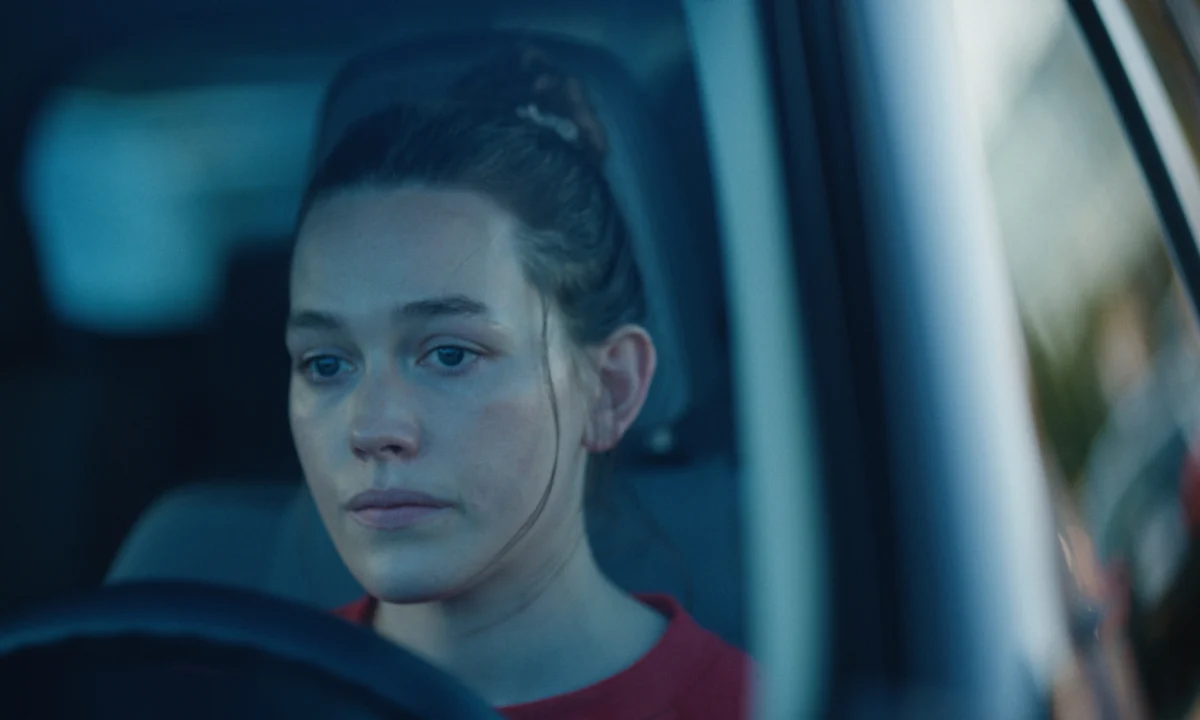
The intersection of classic literature, modern psychological trauma, and the systemic failures of maternal healthcare takes center stage in The Last Day. Marking the feature directorial debut of celebrated visual artist Rachel Rose, the stark, modern-day drama premiered at the Tribeca Festival, offering a devastating and urgent reimagining of Virginia Woolf’s 1925 modernist masterpiece, Mrs. Dalloway.
Set against the backdrop of a bustling, indifferent contemporary New York City, The Last Day reinterprets Woolf’s classic characters to explore the isolating, often invisible struggles of motherhood and postpartum mental illness. By gender-swapping and expanding the pivotal role of the traumatized veteran Septimus Warren Smith into a struggling young mother, the film bridges the gap between early 20th-century literary experimentation and 21st-century social crisis.
Main Facts: Reimagining a Masterpiece for Modern Motherhood
At the heart of The Last Day are two parallel narratives that briefly intersect, mirroring the structure of Woolf’s novel.
- The Protagonist: Clarissa Dalloway is reimagined as Julia (played by Academy Award winner Alicia Vikander), a successful writer who finds herself artistically drained, emotionally hollowed, and struggling to navigate the overwhelming demands of modern motherhood.
- The Foil: Septimus Warren Smith, the shell-shocked World War I veteran in Woolf’s novel, is transformed into Taylor (played by Victoria Pedretti), a younger mother of three. Taylor is drowning in the suffocating reality of severe postpartum depression and psychosis, maintaining a fragile veneer of normalcy while losing her grip on reality.
- The Creative Genesis: Director Rachel Rose conceived the film following her own battle with postpartum depression. Upon recovering, a friend suggested she reread Mrs. Dalloway. Struck by the profound parallels between Septimus’s manic mental anguish and her own postpartum experiences, Rose drafted the screenplay mere months later.
- The Performance: Victoria Pedretti, known for her breakout roles in Netflix’s You and The Haunting of Hill House, delivers a bruising, raw performance as Taylor. The role represents a deep dive into the psychological abyss of maternal suicide and postpartum psychosis—a performance that has already garnered significant critical acclaim at its Tribeca debut.
Chronology: From Literary Inspiration to the Tribeca Screen
The development and production of The Last Day followed a unique, highly deliberate timeline that allowed its lead actors to deeply internalize their complex roles.
[Rachel Rose Suffers Postpartum Depression]
       │
       ▼
[Rereads Virginia Woolf's "Mrs. Dalloway"] ───► [Drafts Script for "The Last Day"]
                                                       │
                                                       ▼
[Casting: Alicia Vikander & Victoria Pedretti] ◄───────┘
       │
       ▼
[Pedretti Reads Script During Broadway Run of "An Enemy of the People"]
       │
       ▼
[Production Commences: Staggered Shooting Schedule]
       ├─► Phase 1: Pedretti's Initial Scenes (Taylor)
       ├─► Phase 2: Mid-Production Break / Vikander's Solo Shoot (Julia)
       └─► Phase 3: Pedretti's Climax & Conclusion
       │
       ▼
[World Premiere at the Tribeca Festival]
Conception and Scripting
Following her personal experience with postpartum depression, Rachel Rose revisited Virginia Woolf’s Mrs. Dalloway. She found herself profoundly moved by Septimus, a character she had not fully absorbed during younger readings. Recognizing Septimus’s manic anguish as a mirror for postpartum psychological distress, she wrote the screenplay.
Casting and Parallel Preparation
Victoria Pedretti received the script while starring opposite Jeremy Strong on Broadway in Henrik Ibsen’s An Enemy of the People. Performing the intensive, nightly theatrical run provided a unique creative backdrop. Though the plays are vastly different, Pedretti found the intellectual stimulation of Rose’s script revitalizing, allowing her to plant the emotional seeds for Taylor while maintaining her demanding Broadway schedule.
Staggered Production Schedule
Filming The Last Day took place over slightly more than a month, utilizing a highly unusual, staggered shooting schedule.
- Initial Block: Pedretti shot her character’s introductory sequences over a few intensive days.
- The Hiatus: Production paused Pedretti’s work for several weeks to focus entirely on Alicia Vikander’s storyline as Julia. During this mid-production break, Pedretti remained in New York, wandering the streets, listening to music, and keeping herself in a psychological "holding pattern" to maintain Taylor’s fragile state of mind.
- Final Block: Pedretti returned to set to film Taylor’s heartbreaking psychological descent and the film’s tragic climax.
Supporting Data: The Hidden Statistics of Maternal Mental Health
While The Last Day operates as a piece of narrative cinema, its thematic weight is grounded in a stark, often ignored public health crisis. The transition of Septimus from a war veteran suffering from "shell shock" (now recognized as PTSD) to a postpartum mother highlights a crucial truth: motherhood can induce severe, life-threatening psychological trauma.
The Prevalence of Postpartum Mood Disorders
According to data from the Centers for Disease Control and Prevention (CDC) and the World Health Organization (WHO):
- Postpartum Depression (PPD): Affects approximately 1 in 7 women (roughly 15%) after childbirth. PPD goes far beyond the "baby blues," involving persistent sadness, anxiety, and exhaustion.
- Postpartum Psychosis (PPP): A much rarer and more severe condition, occurring in approximately 1 to 2 out of every 1,000 deliveries. It is characterized by delusions, hallucinations, extreme disorganization, and a high risk of suicide or infanticide. PPP is considered a psychiatric emergency.
Maternal Mortality and Suicide
Research indicates that mental health conditions, including suicide and overdose related to substance use disorders, are the leading cause of maternal mortality in the United States during the first year postpartum, accounting for over 23% of pregnancy-related deaths.
| Leading Causes of Pregnancy-Related Deaths (U.S.) | Percentage |
|---|---|
| Mental Health Conditions (including suicide/overdose) | 22.7% |
| Excessive Hemorrhage | 13.7% |
| Cardiac and Coronary Conditions | 12.8% |
| Infection / Sepsis | 9.2% |
| Cardiomyopathy | 8.5% |
Source: CDC Maternal Mortality Review Committees (MMRCs) Report, 2022.
These statistics underscore the gravity of the research Victoria Pedretti conducted for the role. During the year of production alone, multiple highly publicized cases of maternal murder-suicides occurred globally—tragedies that Pedretti tracked closely to ground her performance in the sobering reality of the crisis.
Official Responses and Perspectives
Director Rachel Rose on Reinterpreting Woolf
Rachel Rose emphasized the necessity of updating Woolf’s text to address modern maternal isolation. Commenting on Victoria Pedretti’s performance, Rose noted:
"Victoria is so primal, and she brings that to how she experiences space and her body. In rewriting Septimus as Taylor, I wanted to capture that manic mental anguish and pain—an experience that many mothers suffer in absolute silence."
Victoria Pedretti on the Weight of Representation
Speaking with The Hollywood Reporter, Victoria Pedretti addressed the immense responsibility of portraying a character experiencing suicidal ideation and postpartum psychosis. Despite not having children herself, Pedretti connected deeply with the societal pressures placed on mothers:
"Our conversation ended up being so much about women and mothers generally, and how people in their lives create these illusions of normalcy and these illusions of perfection based on superficial stuff… We were talking about how, through a lot of her life, [Taylor] probably was very exceptional… admired by a lot of the people around her for just seeming to be able to handle everything. But that doesn’t really truly exist for anyone. It’s always an illusion, and it’s an enormous amount of pressure."
Pedretti also reflected on the real-world tragedies that informed her preparation:
"There were reports and news about women who had killed themselves and their children, and that was over the course of that year [of shooting]. I had those names written on Post-it notes in my house. I kept looking at it. I didn’t want to turn away from it… The reality is that these things are happening and women are going unnoticed."
The Actor’s Boundary: Art vs. Reality
Despite the darkness of the role, Pedretti emphasized the importance of maintaining a healthy boundary between her psyche and her work, rejecting the extreme "method" acting tropes that romanticize suffering:
"Luckily, none of these things actually happened to anybody on set. We were able to tell this story and we did manage to still have some fun, some real fun and play and enjoyment… Even though it’s uncomfortable, I don’t like to harp on how it is hard because at the end of the day, it was pretend. It has an effect, but I think it is really important to try to stay buoyant in it and have some fun with it as well… It’s hard to bring something from your mind into the world, but it’s such a privilege."
Implications: Breaking the Taboo of Maternal Mental Illness
The Last Day arrives at a critical cultural juncture. For decades, popular media has romanticized pregnancy and early motherhood, presenting it as a time of unalloyed joy and instinctual fulfillment. Those who struggle are often met with societal judgment, leading to intense shame and secrecy.
The Systemic Failures of the Medical Industry
The film directly implicates the medical and social systems that fail postpartum women. Despite the prevalence of postpartum mood disorders, systemic gaps remain:
- Inadequate Screening: Many pediatric and obstetric practices fail to conduct standardized, repeated mental health screenings during the critical first year postpartum.
- Shortage of Specialized Care: There is a severe global shortage of reproductive psychiatrists and mother-baby inpatient psychiatric units, leaving struggling mothers with few safe treatment options.
- The "Superwoman" Myth: Society continues to demand that women seamlessly balance career, domestic labor, and child-rearing without adequate structural support, such as paid parental leave or affordable childcare.
Cinema as a Catalyst for Change
By framing Taylor’s postpartum struggle through the lens of Virginia Woolf’s literary masterpiece, The Last Day elevates maternal mental illness from a private domestic issue to a profound, universal tragedy worthy of serious artistic and philosophical inquiry. Just as Woolf used Septimus to critique the British military establishment’s callous disregard for the psychological wounds of its soldiers, Rose uses Taylor to critique modern society’s neglect of mothers.
Through its devastating performances, deliberate structure, and uncompromising honesty, The Last Day challenges audiences to look closely at the invisible struggles occurring behind closed doors, urging a collective dismantling of the taboo that keeps postpartum mental illness in the dark.
